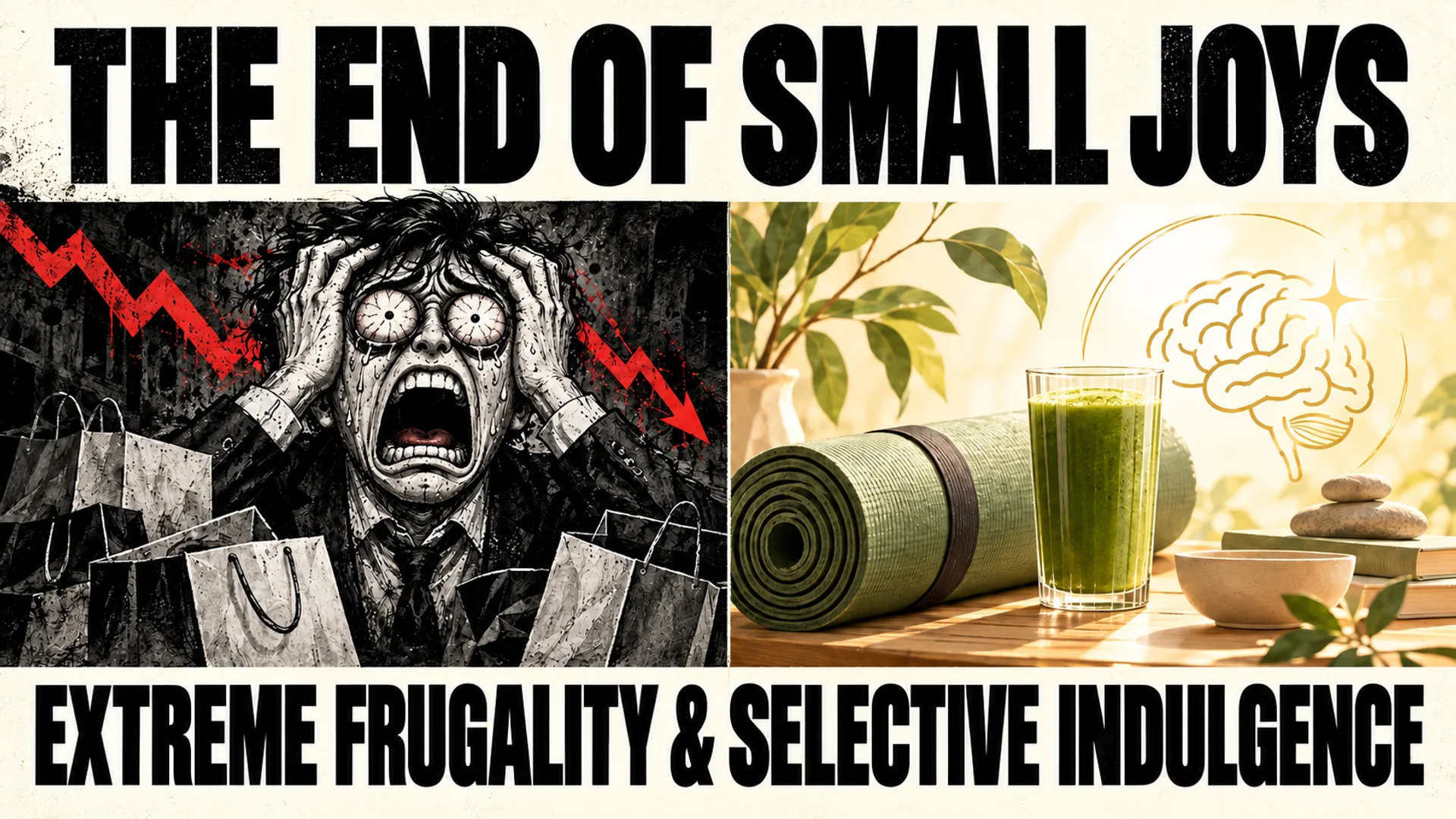
The concepts of "sohkakhaeng" (small but certain happiness) and "YOLO" that once dominated Korean society have become relics of the past. As of 2026, the key trend defining the consumption landscape is "selective consumption," where extreme minimalism and personal luxury coexist. Consumers are closing their wallets firmly for necessities and tangible goods, championing "YONO (You Only Need One—buying only what is absolutely necessary)," while boldly investing in their bodies, experiences, and mental care. 1, 2, 3
The End of 'Sohkakhaeng' and the Rise of 'Selective Luxury'
While past consumption trends pursued vague happiness or conspicuous abundance, current spending by young adults and middle-aged consumers has split precisely into two opposing axes: "hyper-rationalism" and "maximization of personal taste." 2 Consumers are practicing extreme minimalist lifestyles by completely blocking expenditures on unnecessary tangible goods, while generously allocating resources to "niche consumption" (experiential consumption, logoless premium products, etc.) that helps establish their self-identity. 1, 2, 3 This shift is analyzed not merely as a result of economic hardship, but as a structural realignment of spending priorities from "appearing" to "improving substantive quality of life." 3
Extreme Frugality with Tangible Goods: The Philosophy of 'YONO'
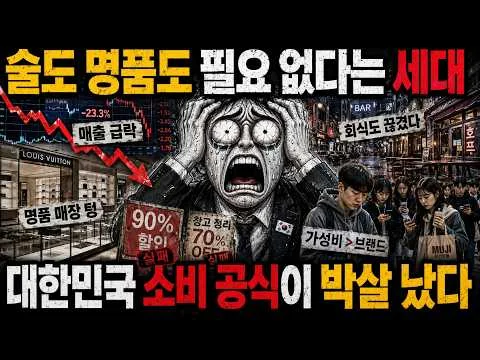
The "YONO" trend, spread primarily among those in their 20s and 30s, signifies rigorous restraint in spending on tangible goods, which were once synonymous with conspicuous consumption. 1 With high inflation and high interest rates causing real income growth to lag behind inflation (as of 2023, incomes for household heads under 39 rose 1.9% while prices rose 3.6%), dining-out instances among those in their 20s and 30s dropped by 9%, and imports of foreign cars fell by 11%. 1
This phenomenon, which restructures the consumption of tangible goods, is further confirmed by the Statistics Korea Household Consumption Trends for the second quarter of 2025. Spending on tangible goods such as clothing, footwear, and household items showed an overall declining trend. 3 This is interpreted as the result of the very targets of conspicuous consumption disappearing, similar to the "Underconsumption Core" in the United States or the "Bocchi-zoku" (hermit-like people) in Japan, coinciding with a sharp rise in single-person households with reduced social connections (among the 35.5% of Korean households consisting of single persons, those in their 20s and 30s account for 12.5%). 1 The luxury goods market could not escape this trend either. According to NH Bank card analysis, online luxury goods transactions in the first quarter of 2024 decreased by 38% compared to the first quarter of 2022, with usage by those in their 20s plummeting by 63%. 3 The secondary market filled the void, with transaction values in the fashion category on the Bunjang platform increasing by 53% year-over-year in 2024, indicating a solidified trend of rejecting brand premiums on new products in favor of practical utility and resale value. 3
Focus on the Self: The Convergence of 'Meconomy' and 'Quiet Luxury'
The money saved on necessities opens up in the new form of "luxury for oneself." According to TrendZoom analysis, in a global market research agency's consumer trends report for the first half of 2026, 74.3% of respondents stated that they prioritize "personal subjective satisfaction" above trends or brand recognition. 4 This "Meconomy" trend is experiencing explosive growth, particularly in the fields of self-development and mental care. In fact, sales of personalized subscription services surged by over 42% year-over-year. 4
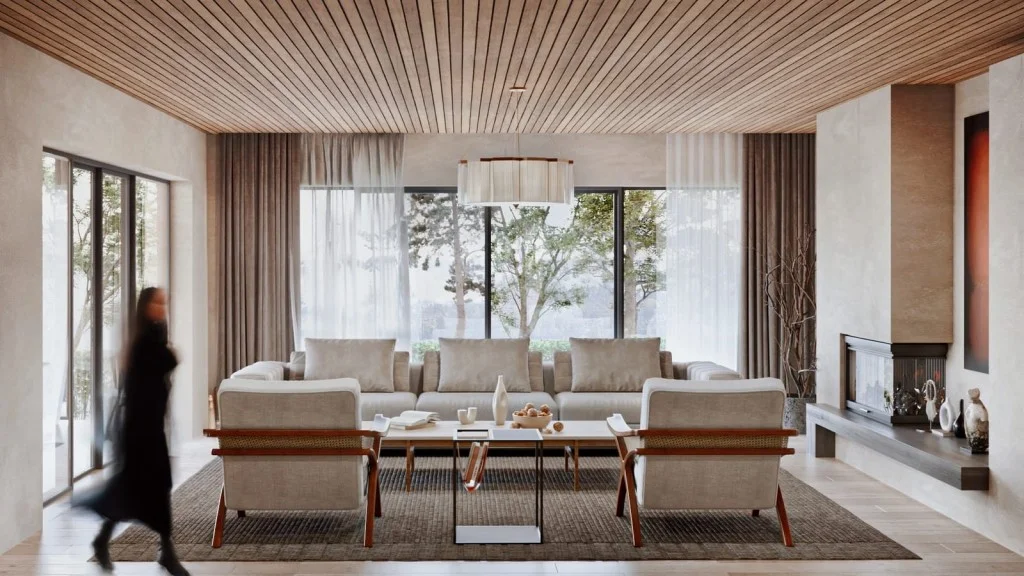
The phenomenon of "Quiet Luxury," in particular, represents a mode of consumption exemplifying this self-investment. Since 2025, there has been growing fatigue with conspicuous consumption that flaunts luxury logos to others among Gen Z and Millennials, shifting the basis of consumption from others' gazes to intrinsic value and inner satisfaction. 5 Amid economic uncertainty, high-quality products that can be used for more than five years, space designs emphasizing natural light and negative space, and comfortable materials that provide psychological stability have begun to be perceived as true luxury. 5 The distinct preference for "Logoles" (logoless) small brands that strip away luxury labels and prioritize brand philosophy and stories shares the same context. 2
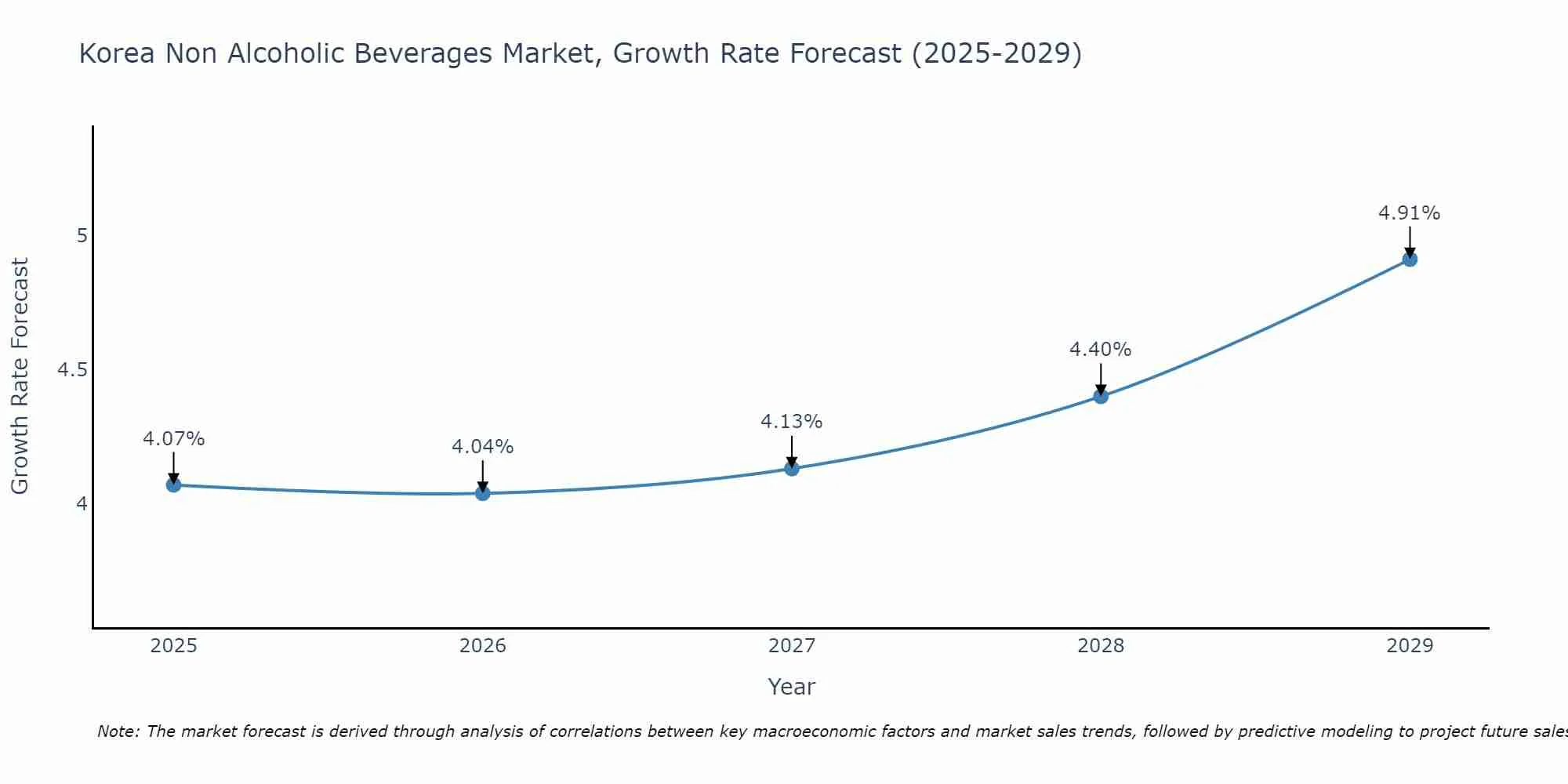
Investments in physical and mental health have even structurally transformed the hedonistic consumption of the past. Analysis by the Korea Disease Control and Prevention Agency shows that over the last decade, high-risk drinking rates among men in their 20s and 30s decreased by 41.6% and 36.1%, respectively. 3 In lieu of cutting off alcohol entirely, the non-alcoholic market has surged. Sales of non-alcoholic beer at CU convenience stores rose by 21.8% in 2024, and the number of restaurants handling non-alcoholic beverages jumped by over 70%, from approximately 32,000 in 2024 to 55,000 by the end of 2025. 3 This approach separates the "feeling" from the "function" of alcohol by considering the next day's condition and productivity loss, filling the void with well-being and running. The increase in the running population has expanded into trail running and Hyrox, representing a typical example of niche consumption for experiences, with participants in domestic Hyrox competitions surging by over 50% year-over-year. 2
2026: The Balance Point of Two Coexisting Extremes
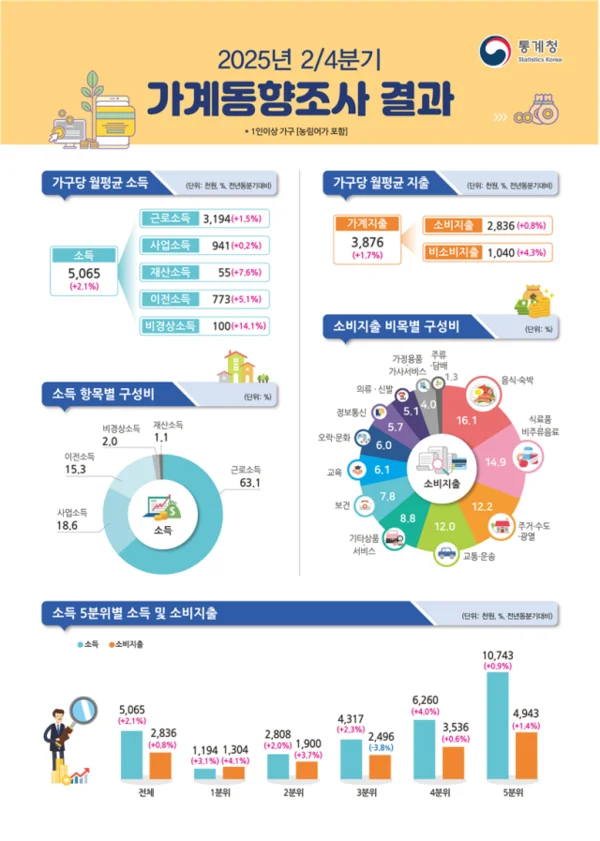
In 2026, consumption in Korean society has redefined its purpose through the practical functions of "self-management" and "experience," rather than "appearing" or "ownership." Even amidst a recession where per-household consumption expenditure increased by only 1.7% in nominal terms while real consumption fell by 0.4% in 2025, spending on health, food and beverages, and entertainment/culture has continued to rise steadily. 3 In other words, total consumption did not increase; rather, a refined "selective luxury" structure has been completed, where budgets trimmed from necessities (clothing, household items) are transferred to luxury for oneself (health, culture, experience).
This polarized consumption paradigm is even transforming corporate and organizational cultures. Companies can now survive only by proving a "change in life" rather than simply cutting prices, with the alcohol and luxury industries responding through the development of low-calorie and low-alcohol content products and the provision of experiential content, respectively. 3 Ultimately, the end of sohkakhaeng and the emergence of extreme minimalism are not choices forced by the hardship of recession (nainai). They are becoming a process of restoring "active agency," where individuals control for themselves where to allocate their time and capital, without being swayed by trends.
References
- 청년 세대의 새 트렌드- ‘소확행’에서 YONO로 - 월간조선 · monthly.chosun.com↩
- 어패럴뉴스 - 2026년, 불황 속 ‘호황’을 찾아라 · m.apparelnews.co.kr↩
- 한국 소비 트렌드 대변화, 술과 명품을 사지 않는 세대가 등장했다 · youtube.com↩
- 진짜 나를 찾는 2026 미코노미 트렌드 핵심 정리 | 트렌드줌 · dmazone.github.io↩
- 과시 없는 소비, ‘조용한 사치’가 선택받는 이유 - magandmag(매그앤매그) · magandmag.com↩