"Why did our military hold their ground while overcoming such an absurd disparity in firepower, and why did the US military fight in their own distinct way amidst such intense attrition?"
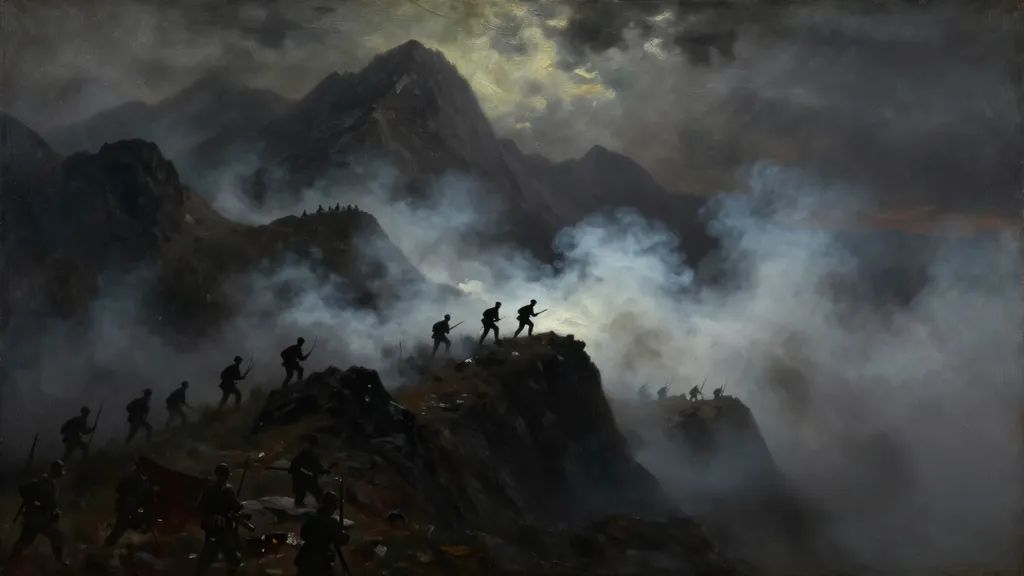
When we recall the places known as 'Hills of Death' among the many battlefields of the Korean War, we see only the records of blood-splattered combat. However, behind those bloody struggles lies something deeper than simple firefights: a fundamental difference in the 'reason for fighting' and 'values' of the two armies.
Today, rather than a simple comparison of weaponry, we intend to look into the essence of the war through the psychological and strategic differences between the US military, embedded in the imperialist order, and the Korean military, armed with a sense of nationalist mission.
1. US Military of Firepower, Korean Military of Experience: Tactical Differences Numbers Cannot Explain
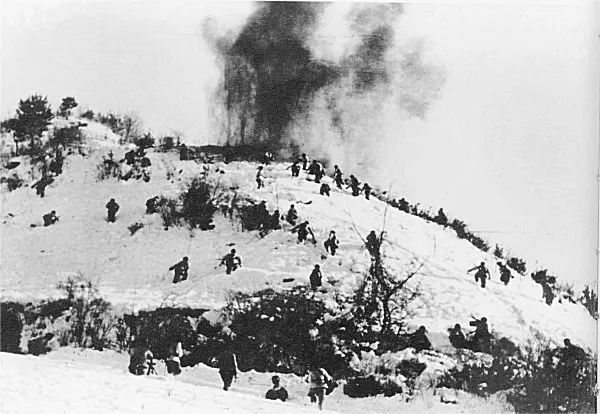
In the early stages of the war, the battlefield of the Korean Peninsula, viewed through objective data, was the epitome of unfairness. At that time, the Korean military was inferior to the US and UN forces to the point that comparison was impossible in terms of firepower. It was an era when a single tank or a proper artillery piece was a rare commodity.
However, we are missing one crucial fact here: the 'density of combat experience' possessed by Korean officers. Looking at the Jingbirok (Records of Analects of Disasters), the records of General Paik Sun-yup, one can see that the Korean military did not lose simply because they lacked weapons. Through the civil wars and anti-Japanese struggles that spanned the previous decade, the Korean military was already accustomed to flexible tactics using rugged terrain and unconventional combat methods that struck at the enemy's weaknesses.
On the other hand, the US and UN forces conducted a 'war of systems' based on overwhelming firepower. It was a method of crushing the enemy with massive artillery fire and air support. If war for the US military was a process of operating a large, precisely designed machine, then for the Korean military, it was a desperate struggle to find a way while fighting for survival.
This difference suggests that it was not merely a matter of equipment, but that the philosophical foundations of 'how to fight' were different.
2. The Clash of Imperialist Order and Nationalist Mission
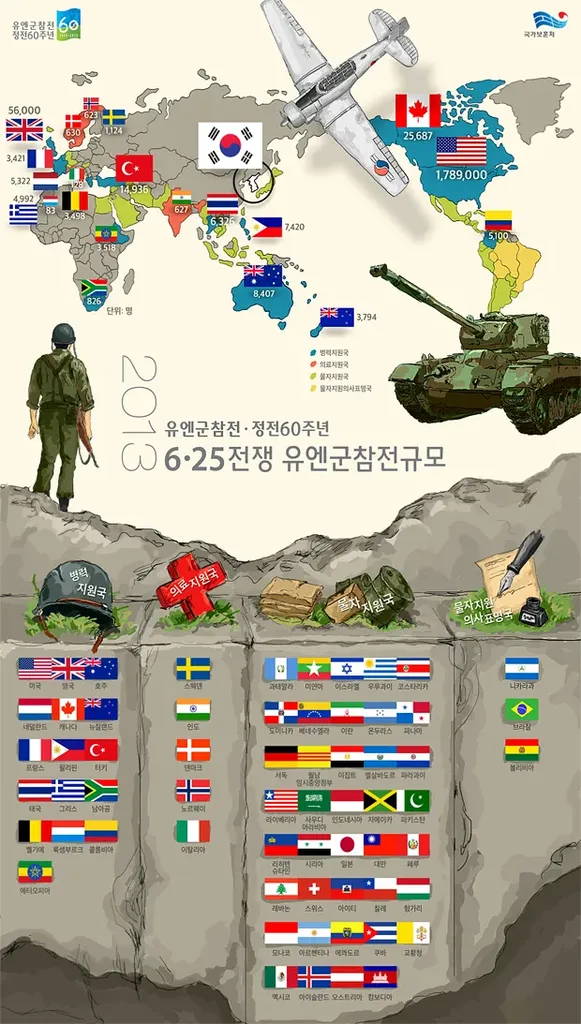
Why did such tactical differences occur? The roots lie in the international situation of the time and the source of the will to fight held by each military.
The Korean War was not merely a civil war on the Korean Peninsula. It was the first full-scale war of the Cold War system formed after World War II, a global structural war where the grand ideologies of capitalism and communism clashed.
From the perspective of the US military, this war was 'part of a global strategy' to defend the global Cold War order. In other words, the macro-objective of maintaining the imperialist order—maintaining US influence and preventing the expansion of communism—was projected onto it. For them, this war was an important mission to protect the world system, but it was also a piece of large-scale international politics.
In contrast, for the Korean military, this war was the nationalist mission itself: protecting one's home, one's family, and one's country. The desperate tenacity to hold the Hills of Death even in the face of insufficient firepower came from the urgency that this land had to be defended at all costs. If the US military fought 'to protect the system,' the Korean military fought 'for existence.'
This psychological difference led to different patterns of decisiveness and sacrifice on the battlefield.
3. Two Perspectives on Heroes: Medal of Honor vs. Order of Military Merit (Taeguk)
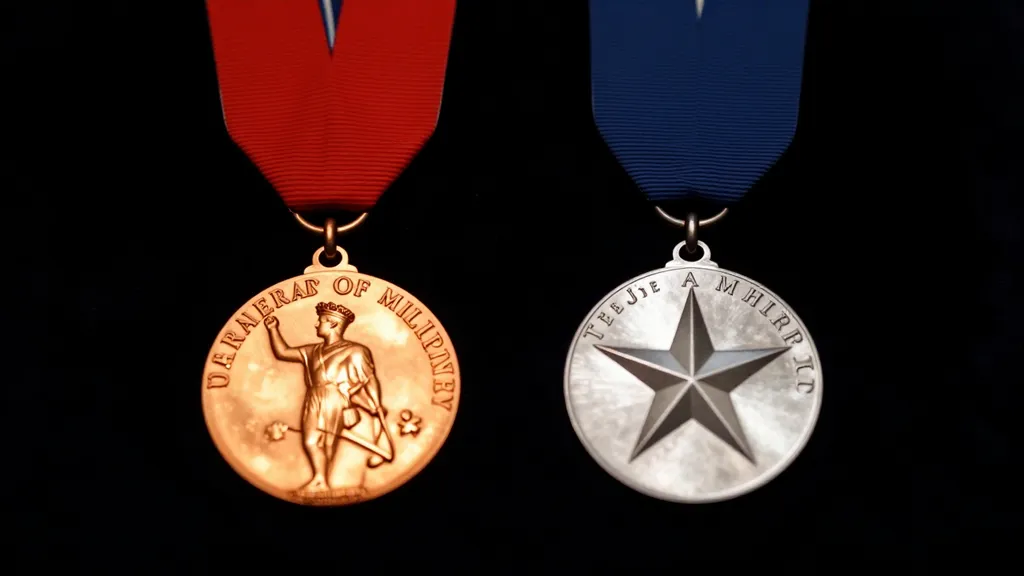
This difference in values is also clearly manifested in the way 'heroes' are defined after the war ends. Interestingly, the highest military decorations awarded by the US and Korean militaries are fundamentally different in nature.
The US Medal of Honor focuses strictly on 'individual courage.' It highly values the superhuman devotion shown by an individual to save the lives of others in extreme situations amidst a hail of enemy bullets. This is a result of reflecting Western values that emphasize individual freedom and heroic decision-making.
However, Korea's Order of Military Merit (Taeguk) is somewhat different. While individual courage is important, it comprehensively considers whether the assigned mission was successful, command and control abilities, and the strategic achievements attained by the entire unit. In other words, it places more weight on 'organizational victory and national contribution.' This aligns with the Korean sentiment of prioritizing the survival and victory of the community.
Ultimately, for the US military, a hero was a 'shining individual,' while for the Korean military, a hero was a 'responsible guardian.'
4. Lessons for Us Today: The Weight of Sovereignty and Security
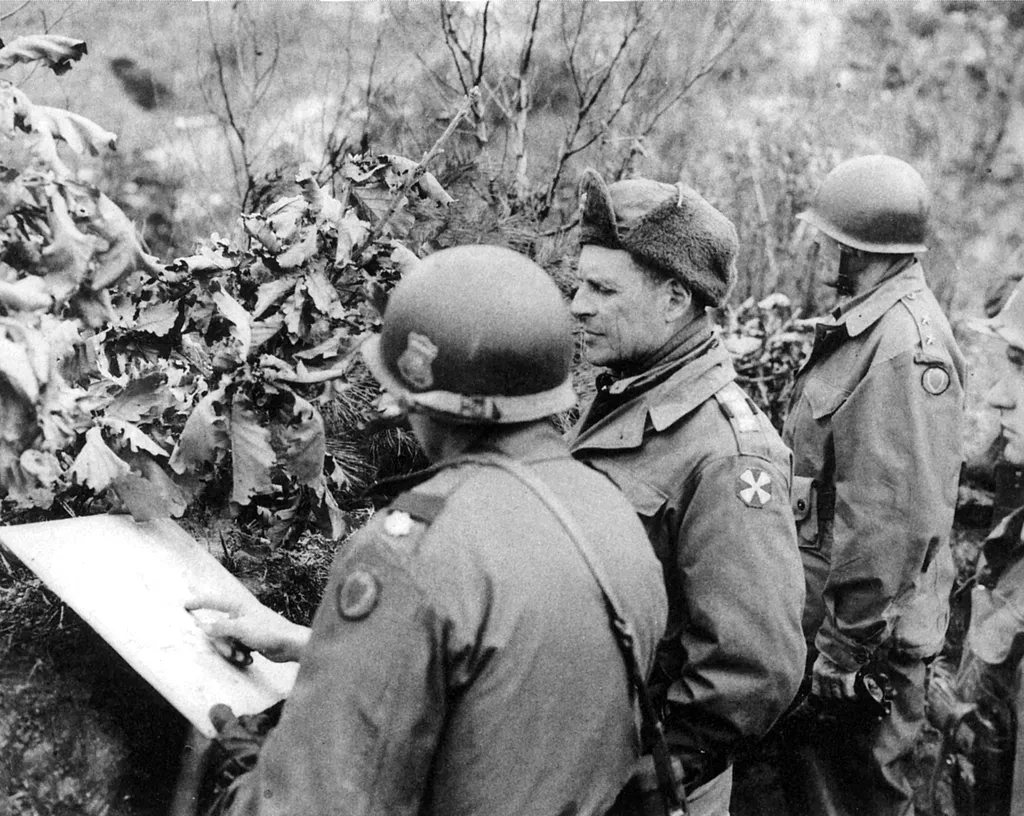
These old records of war should not be dismissed simply as past tragedies. Looking at the command structure of the time, the Korean military had a strong character as a 'tactical combat unit' under the command of US military commanders. This is a historical context directly linked to the issue of Wartime Operational Control (OPCON) transfer that we discuss today.
While the fighting spirit shown by the Korean military under the US-centered command system was great, it simultaneously left the task of our military developing independent strategic and operational capabilities. This is because true security lies not simply in borrowing firepower, but in possessing independent command ability and strategic judgment to defend ourselves.
History repeats itself. The results created by the clash of the imperialist order and nationalist mission at the time serve as milestones for what kind of security strategy we should establish today.
To summarize:
- Tactical Difference: US military of overwhelming firepower vs. Korean military based on rich combat experience
- Value Difference: US military's imperialist perspective to defend the global order vs. Korean military's nationalist perspective for national survival
- View of Heroes: Medal of Honor honoring individual sacrifice vs. Order of Military Merit emphasizing organizational achievement
Through the wars of the past, we should not merely learn about victory or defeat, but ask questions about the human will and the role of the nation contained within them.
What do you think? If you were a commander at that time, which would you have judged to be more important: 'system' or 'experience'?
References
- 백선엽의 6ㆍ25 징비록(1~23) - 전쟁사/ 역사/세계군사 - Daum 카페 · cafe.daum.net
- 조별과제 - 한국전쟁(6.25)에 대하여 : 네이버 블로그 · blog.naver.com
- 전작권 전환: 미래 연합사 체제에 대한 비판적 고찰 · kida.re.kr
- 6·25전쟁 시기 유엔군 참전과 기억 · mpva.go.kr