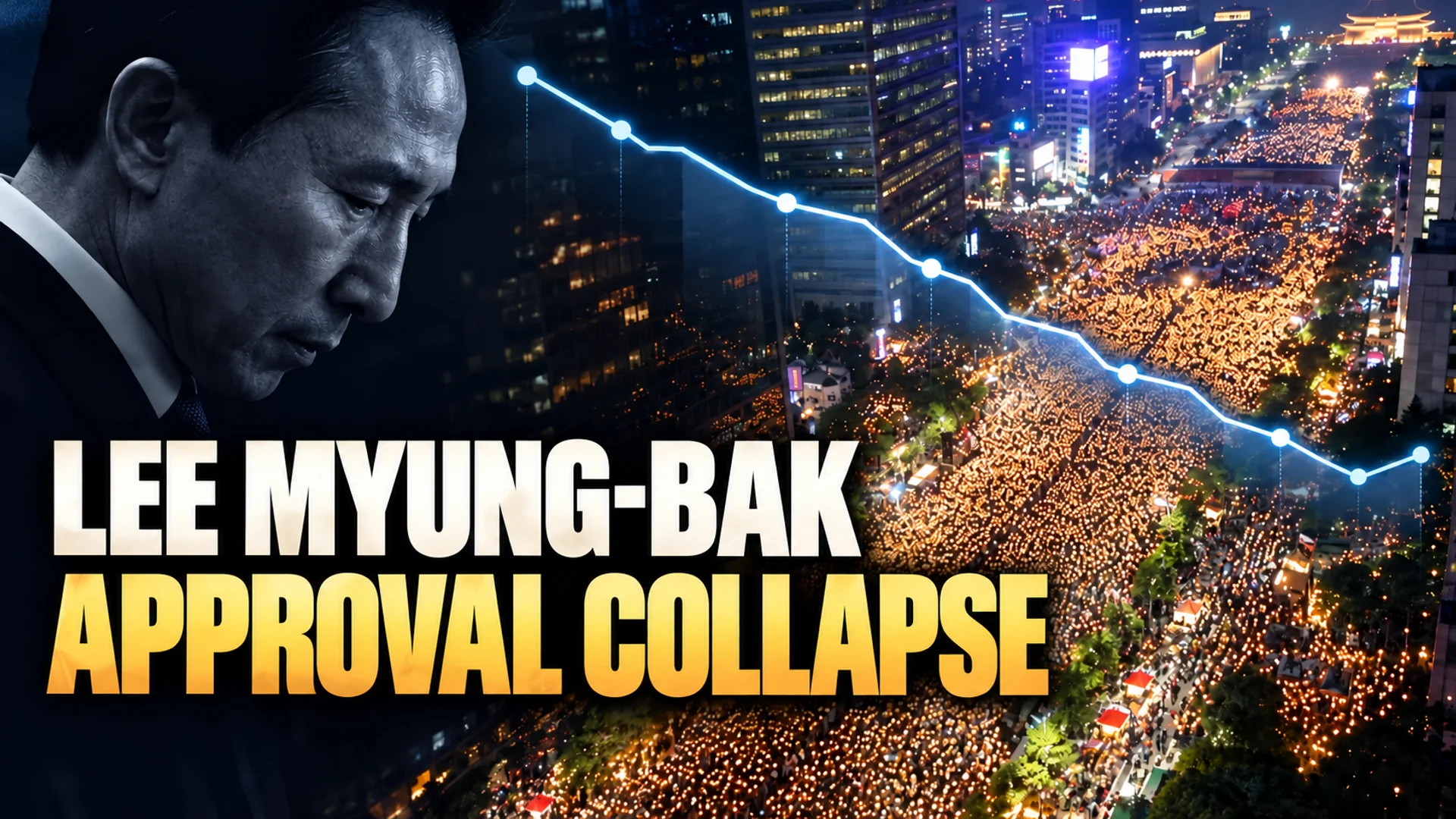
The Lee Myung-bak administration began its term on February 25, 2008, amid high public expectations. However, in early June 2008, during its first year in office, the president’s job approval rating plunged to 16.9%, marking an unprecedented crisis. This figure represented more than a mere decline in popularity; it carried sufficient political impact to force a reassessment of the administration’s core campaign pledges and a major personnel reshuffle. The collapse of an approval rating that had consistently exceeded 50% into the 10% range in less than half a year was not caused by a single event, but rather analyzed as the result of a chain reaction involving disputes over the procedural legitimacy of trade negotiations, concerns over food safety, and the government’s hardline response to these issues.
Maintaining Early Approval Ratings and the April Turning Point
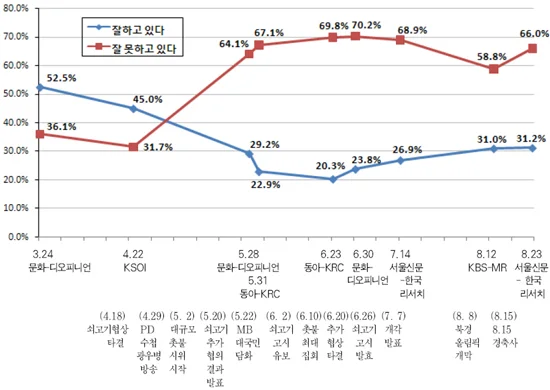
Following its inauguration, the Lee Myung-bak administration’s job approval rating showed relatively steady trends. According to weekly polls by the polling agency Realmeter, positive evaluations averaged 52.5% during the first through fourth weeks of March 2008. This indicates that expectations for the new government’s economy-focused growth policy were forming the foundation of public opinion.
However, this trend underwent a sharp reversal starting in April. The approval rating, which first dropped to the high 40% range at 47.2% in the fourth week of April 2008, plummeted vertically to 35.1% in the fifth week of April and 25.4% in the first week of May. The trigger for this collapse in support was the issue of opening the market to US beef imports. On April 19, 2008, the government concluded a second round of negotiations, making the National Assembly’s ratification of the Korea-US Free Trade Agreement (FTA) a condition. The deal centered on the full opening of the beef market and lowering quarantine standards. Public criticism accusing the process of being a “backroom deal” spread rapidly as key negotiation documents were released for viewing only to members of the National Assembly.
| Period | Positive Rating (%) | Negative Rating (%) | Notes |
|---|---|---|---|
| March 2008 (Avg. Weeks 1–4) | 52.5 | - | Early approval rating maintained |
| Week 4, April 2008 | 47.2 | - | Start of downward trend |
| Week 5, April 2008 | 35.1 | - | Beginning of rapid decline |
| Week 1, May 2008 | 25.4 | - | Fell below psychological support line |
| Week 1, June 2008 | 16.9 | 77.6 | Lowest point recorded in first year in office |
The Fallout from Candlelight Protests and Conflicts with Law Enforcement
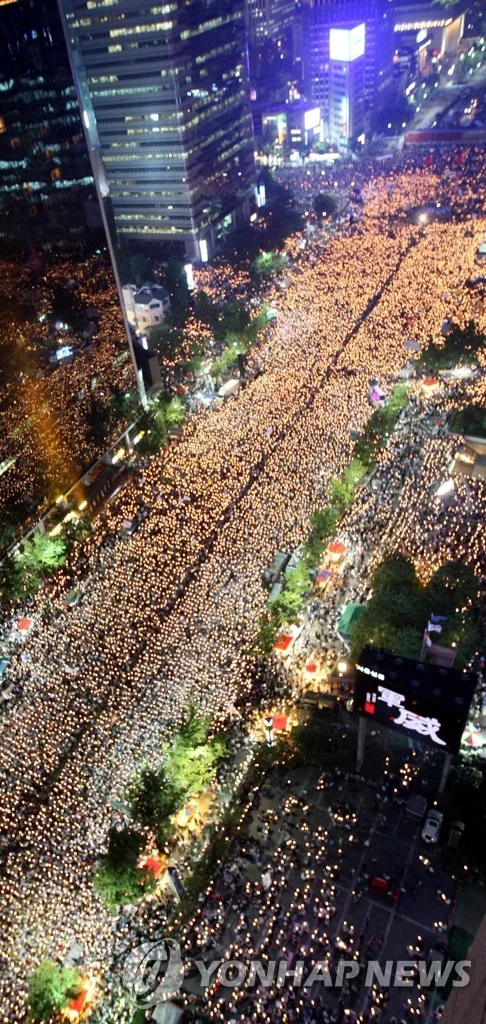
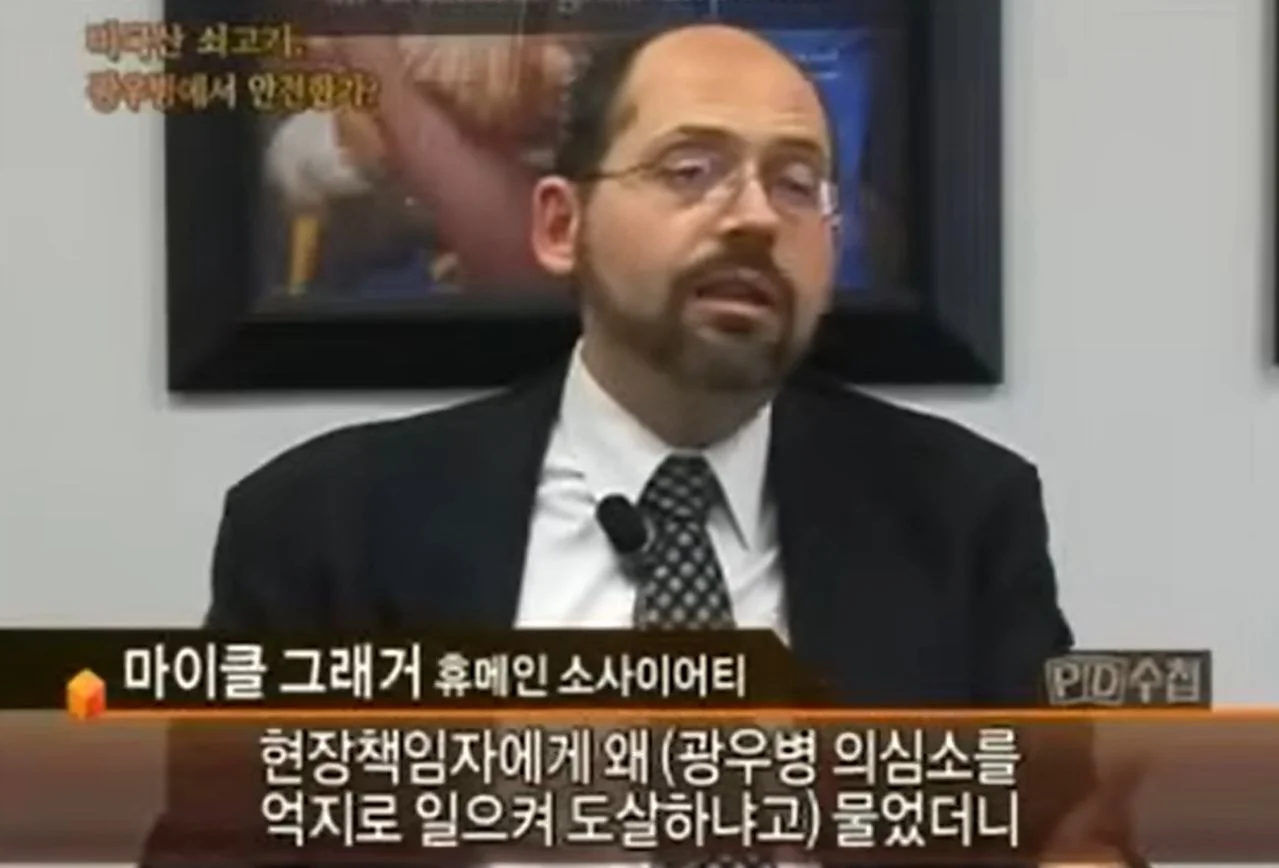
Distrust in the government’s negotiation terms was further amplified by media coverage. Following an episode of MBC’s aired on April 29, 2008, related to the issue, protests spread primarily online, culminating in the first candlelight cultural festival held at Cheonggye Plaza on May 2. What began as peaceful cultural gatherings escalated over time into street demonstrations.
Complete Overhaul of Policy Direction Due to Sharp Drop in Approval Ratings
The unprecedented crisis of a 16.9% approval rating forced a complete overhaul of the administration’s policy direction. On June 18, 2008, President Lee Myung-bak attempted to address the crisis directly through a statement to the nation. In the process, he declared the withdrawal of the Grand Canal Project, one of the administration’s core pledges. Instead, he announced a shift to the Four Major Rivers Restoration Project, which offered greater policy flexibility, in an effort to restore governing momentum. He also took the strong measure of significantly reshuffling the Blue House staff and the cabinet.
Regarding the beef negotiations, the terms were also reassessed from the ground up. On June 21, 2008, through additional negotiations with the United States, the government finalized sanitary conditions for imports, centered on the application of the Quality Systems Assessment (QSA) program for verifying that cattle were under 30 months of age. This measure stipulated that beef derived from cattle over 30 months of age would be fully returned to the United States upon discovery, until consumer confidence was restored. Chung Un-chan, the then Minister for Food, Agriculture, Forestry and Fisheries, expressed relief that the negotiations resulted in measures reflecting national interests and the will of the people.
The End of the Candlelight Protests and Remaining Social Challenges
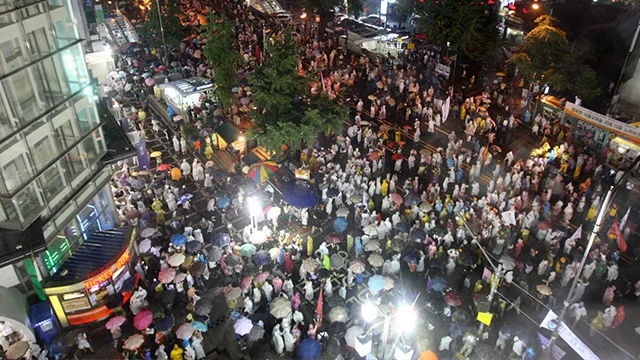
The massive demonstrations against US beef effectively concluded with the 100th-day candlelight rally at Gwanghwamun on August 15 (attended by approximately 5,500 people), which symbolized the overcoming of the first-year crisis. This outcome is interpreted as the result of the prolonged nature of the gatherings, instances of violence during the protests, and fatigue within civil society.
However, the legacy of the 2008 protests went beyond immediate policy changes. The constitutional issues surrounding the protesters’ demand for the right to hold nighttime gatherings later laid the groundwork for the culture of peaceful assembly seen during the 2016 Candlelight Revolution protests against political corruption. The 2008 candlelight demonstrations are recorded in history as a catalyst that accelerated various structural changes in South Korean society, including the Constitutional Court’s ruling of unconstitutionality regarding the ban on outdoor nighttime gatherings and the growth of internet broadcast culture.
The Dark Side of State Administration Revealed in Response to the Financial Crisis
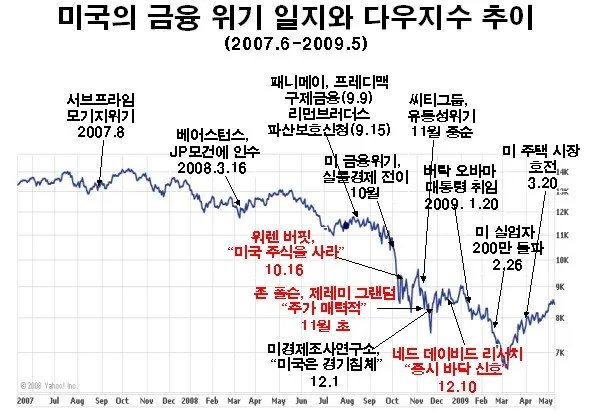
Amid the grim situation of plummeting political support, a different trend unfolded in the economic sector. During the unprecedented economic shock of the 2008 Global Financial Crisis, the Lee Myung-bak administration achieved relatively stable macroeconomic recovery through policies such as maintaining a high exchange rate.
In 2009, South Korea was the only major developed country to record positive growth. In 2010, the country achieved an economic growth rate of 6.1% and a trade surplus of 41.7 billion USD. These figures represented the fastest recovery among OECD nations, with GDP growth rebounding successfully from -4.5% to 0.2%. This macroeconomic recovery played a crucial role in enabling President Lee Myung-bak, whose approval rating had fallen to its lowest point of 16.9% in 2008, to reverse the negative evaluation and record a positive approval rating of 48.1% in the fifth week of December 2009, thereby showing a recovery trend in his second year in office.
The Political Structure Left Behind by the 2008 Approval Rating Collapse
Ultimately, the collapse of the Lee Myung-bak administration’s approval rating in 2008 holds significant implications because it resulted not merely from backlash against a specific issue, but from the breakdown of “communication and trust” between the government and citizens, leading to structural losses such as the scrapping of campaign pledges and a major cabinet reshuffle. The police installation of container barriers, dubbed the “Myungbak Fortress,” remains a symbolic image representing the distance between the government and civil society.
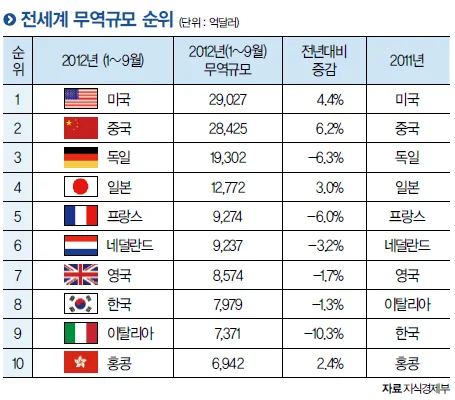
The Lee Myung-bak administration subsequently achieved visible results in responding to the global economic crisis, including entering the top eight global trading nations (in 2012) and becoming the ninth country in the world to reach $1 trillion in trade volume in 2011. However, historical reassessments of the administration’s methods of controlling the political situation and communicating with the public after the sharp drop in early approval ratings continue to take place from diverse perspectives to this day.