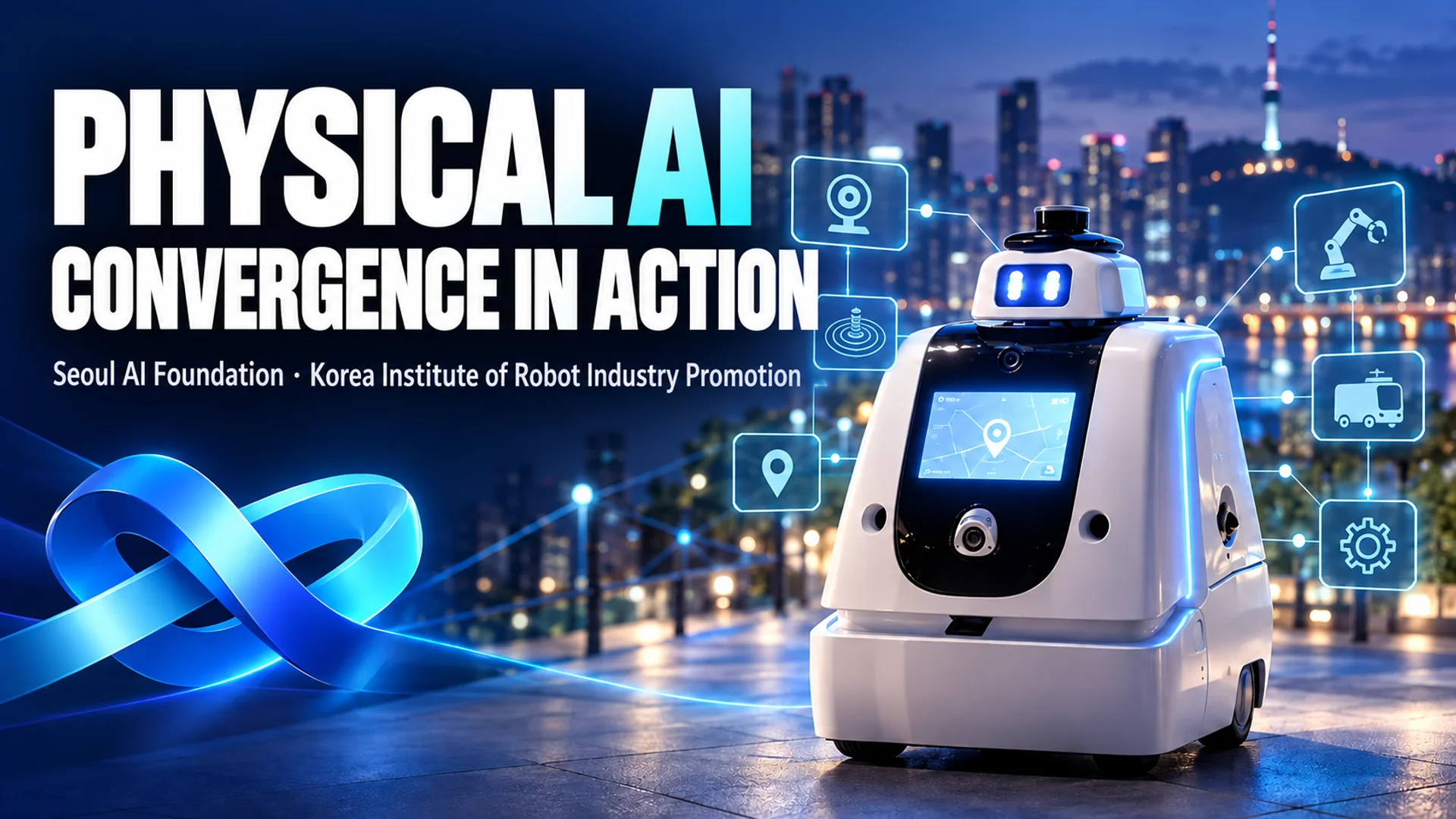
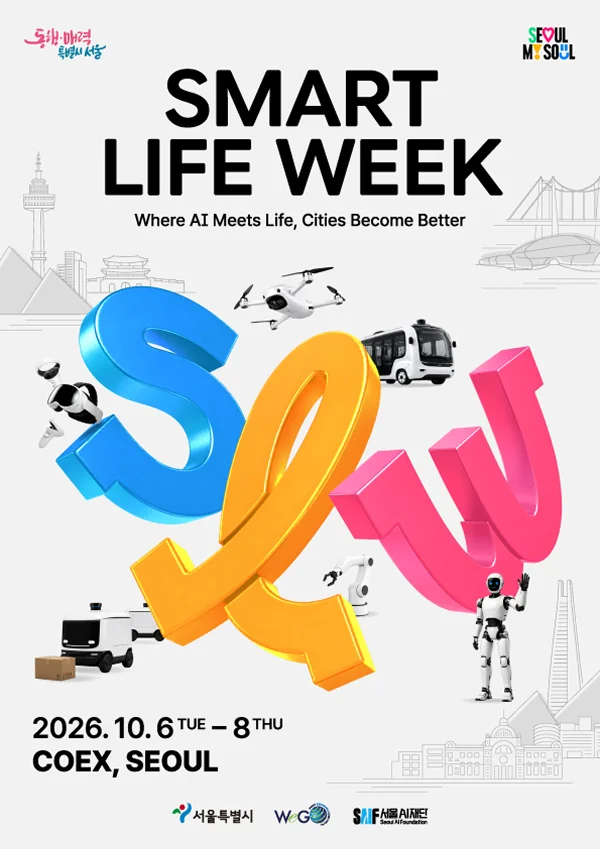
The era of 'Physical AI' is fully underway, as artificial intelligence (AI) technology extends beyond software into the physical world. In response to this trend, the Seoul AI Foundation and the Korea Institute of Robot Industrial Advancement (KIRIA) have joined forces to develop joint AI and robot convergence projects. The two organizations signed a memorandum of understanding at the 'Smart Life Week (SLW) 2026' event held at COEX in Seoul on October 7, 2026, formalizing a cooperation framework that connects urban fields with industrial infrastructure 1, 2.
Beyond a mere declaration of cooperation, this agreement includes a concrete roadmap for solving Seoul's urban challenges and creating innovative services that citizens can tangibly experience. Kim Man-ki, Chairman of the Seoul AI Foundation, and Cho Young-hoon, President of KIRIA, agreed to combine their respective strengths to promote the demonstration and dissemination of technologies 2. Let us examine in detail why this collaboration is important, the background behind it, its key contents, and what changes it portends for the future.
Background of Cooperation in Response to the New Paradigm of 'Physical AI'
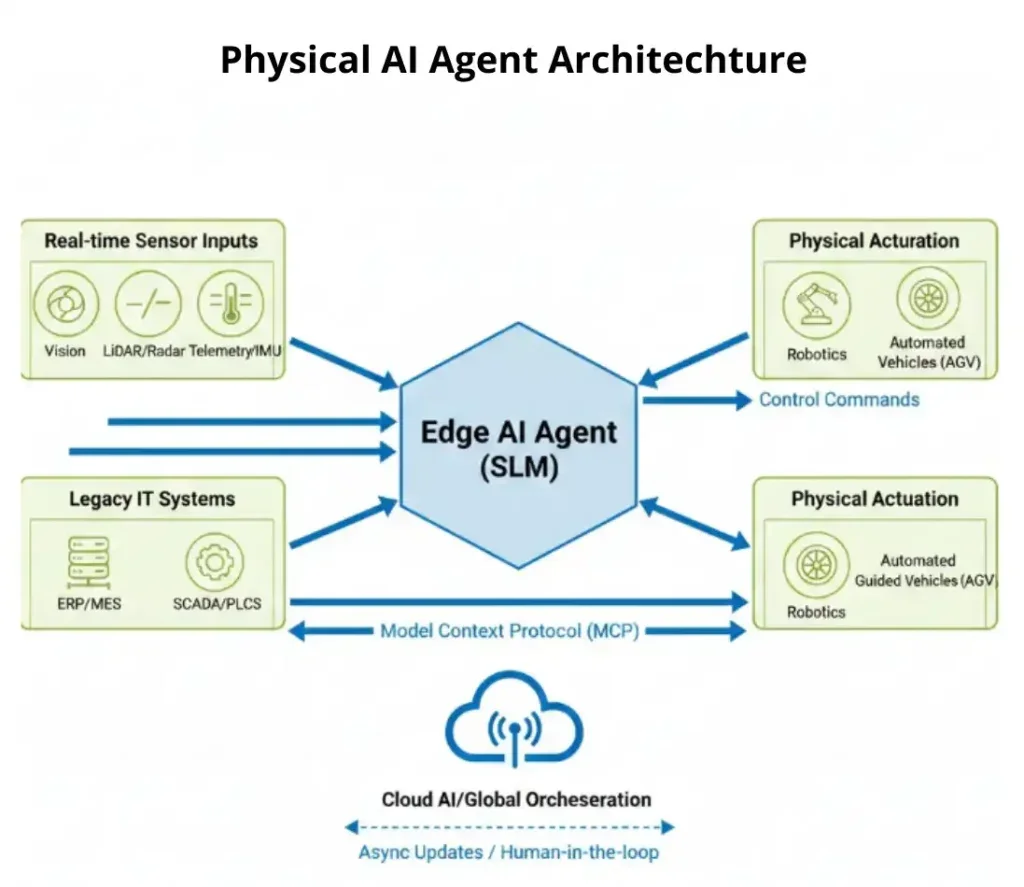
At the heart of this agreement lies the technological trend of 'Physical AI.' Physical AI refers to a technological domain where AI combines with physical environments, such as robots, to operate in real spaces and solve problems 1, 2. While past AI focused on data analysis or information processing, Physical AI distinguishes itself by directly intervening in the real world through the control of robot movements.
The two organizations aim to create a practical foundation for utilization by linking their expertise and networks in this new technological field. This is because synergy is expected when the Seoul AI Foundation's experience in AI policy formulation and verification capabilities in urban settings combine with KIRIA's accumulated know-how in fostering the robot industry and its industrial networks 1, 2. This cooperative structure is interpreted as a strategic choice to overcome existing issues where technological developments were shelved due to failures in field implementation.
Attended by Seoul AI Foundation Chairman Kim Man-ki, KIRIA President Cho Young-hoon, and other officials from both organizations, the signing ceremony demonstrated that this collaboration is not a formal procedure but a core task directly promoted by the heads of both institutions 2. In particular, Chairman Kim Man-ki stated, "We will expand innovative services that citizens can experience by applying AI to urban fields," while President Cho Young-hoon expressed strong resolve, stating, "We will support AI technology convergence to lead to tangible results through fostering the robot industry" 1.
Developing Joint Projects Based on Seoul's Urban Issues and Citizen Needs
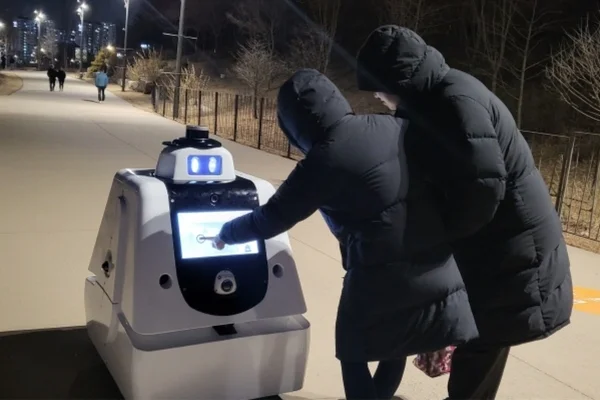
The core objective of the agreement is to develop joint projects based on Seoul's urban issues and citizen needs, and to promote the demonstration, application, and dissemination of technology through them 1, 2. This suggests a 'demand-based' innovation model that prioritizes field needs, going beyond technology-centric development approaches. Experiments on how AI and robot technologies can solve the complex issues of a megacity like Seoul are thus beginning.
To achieve these goals, the two organizations proposed specific project types. First, the application of robots in healthcare and welfare fields, which are key challenges in an aging society, was mentioned. This includes field demonstration projects for service robots that reduce caregiving burdens and improve quality of life 2. Additionally, projects to distribute digital educational robots and develop related content to resolve educational disparities and nurture future talent were also cited as cooperation areas 2.
Furthermore, applying smart service robot solutions in the area of building smart infrastructure to enhance urban safety and efficiency is also being pursued 2. Although some content following 'smart' was omitted in source 2, contextually it is estimated to refer to smart service robot-related projects, and 1 also mentions the utilization of 'three research teams' and 'field data,' indicating the importance of demonstration projects involving field-based data linkage. Projects identified in this manner will proceed beyond simple prototyping to application and dissemination stages, allowing them to permeate the actual lives of citizens 1, 2.
Individual Roles of Organizations to Maximize Synergy Between Public and Industry
This agreement is notable because the unique competencies and roles of each organization are clearly delineated and complementary. As a public organization in charge of 'city-specific AI policy,' the Seoul AI Foundation possesses the accessibility and policy understanding to utilize various sites in Seoul as testbeds 2. This plays a crucial role in pre-checking regulatory or institutional barriers that may arise when technology is introduced and translating field requirements into technical specifications.
On the other hand, KIRIA is in charge of the 'industrial support system' and supports the commercialization and business development of technologies based on its deep network with domestic robot companies 2. The participation of this organization, which has experience in fostering the robot industry and industrial networks, provides a foothold for the identified joint projects to not remain in the laboratory but to become actual products and enter the market 1, 2.
This division of roles creates a structure that maximizes 'synergy between public and industry' 2. In this model, the Seoul AI Foundation provides the 'demand side' and 'verification environment' of the city, while KIRIA combines the 'supply ecosystem' and 'technological capabilities' to support it. This linkage between the two organizations is expected to prevent the domestic AI and robot industries from being isolated in separate ecosystems and to create new value through convergence 2. In particular, the plan to contribute to developing Seoul into a world-class AI and robot convergence testbed demonstrates the potential for Seoul to establish itself as a global hub for technological innovation, beyond being a simple consumer of technology 2.
Virtuous Cycle of Innovative Services Through Technology Demonstration and Dissemination
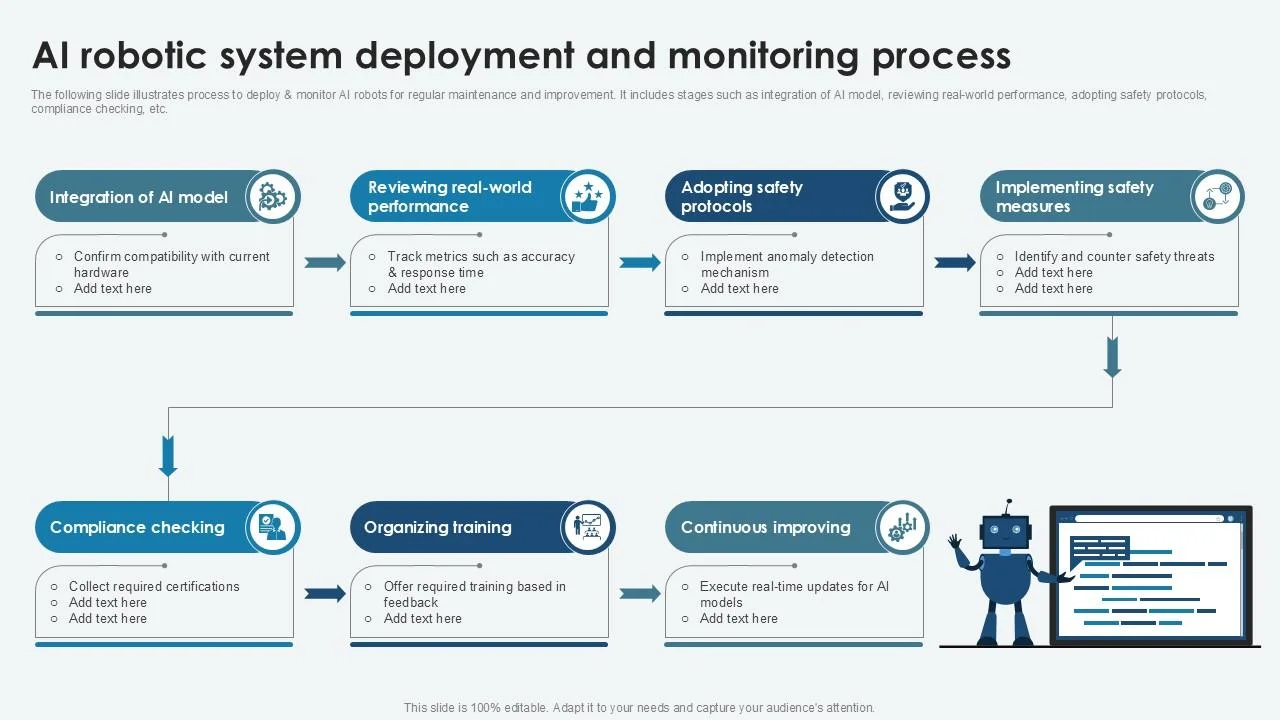
The success of the agreement depends on how many actual cases are created. Beyond developing joint projects, the two organizations plan to focus on creating a virtuous cycle leading to technology 'demonstration,' 'application,' and 'dissemination' 2. This is a strategy that considers the entire lifecycle of technology development.
In the demonstration stage, robots and AI are verified for proper operation in actual environments in Seoul, such as hospitals, schools, and public institutions. Subsequently, in the application stage, verified technologies are provided as actual services and used by citizens. Finally, the dissemination stage includes processes to standardize and institutionalize successfully settled models so they can be replicated in other regions or fields.
This structure can contribute to creating an innovation ecosystem that is not afraid of failure. The approach of diagnosing problems and proposing solutions based on field data and demonstration results not only enhances technological completeness but also expects to reduce unnecessary social costs. President Cho Young-hoon's emphasis on "tangible results" and Chairman Kim Man-ki's mention of "innovative services felt by citizens" clearly indicate that the ultimate point of this virtuous cycle is 'people' and the 'field' 1.
Outlook for Strengthening Global Competitiveness and Revitalizing the Industrial Ecosystem

The cooperation between the Seoul AI Foundation and KIRIA is expected to lead to the revitalization of the entire domestic AI and robot industrial ecosystem. Through this agreement, the two organizations have set a joint goal of accelerating substantive innovation in the domestic AI and robot industrial ecosystem, moving beyond a simple cooperative relationship 1.
This is particularly significant in the highly competitive global AI and robot field, as it implies Korea can develop a differentiated model of 'urban smart robot services.' High-density megacities like Seoul possess both complex urban issues and high technology acceptance, making them evaluated as optimal testbeds for AI and robot convergence technologies 2. If demonstration cases utilizing these strengths accumulate, they can serve as references to assist the global expansion of domestic companies.
The two organizations plan to continuously strengthen this synergy through joint research projects and technological exchanges in the future 2. The moment AI technology meets the physical body of robots, roaming the streets of Seoul and changing citizens' lives, is gradually becoming reality. All eyes are on whether this cooperation will enhance Seoul's urban competitiveness and further serve as a foundation for Korea's AI and robot industries to gain an edge in the global market.
References
- 서울AI재단-한국로봇산업진흥원, AI·로봇 융합 공동사업 발굴 협약 - [비상장주식/장외주식시장 뉴.... · k-otc38.co.kr↩
- 서울AI재단, 한국로봇산업진흥원과 AI·로봇 융합 공동사업 발굴 협약 체결 · newsasia.kr↩