"Is it a loss to buy an electric vehicle right now?"
This was the question a friend of mine, who was contemplating purchasing an EV, tossed out while having a cup of coffee not long ago. It is a natural concern, given that subsidy policies change every year and automakers are engaging in price discount wars. I remember my own head throbbing when I first became interested in EVs due to the complex subsidy calculation methods and the news that changed by the minute.
To get straight to the point, the subsidy policies for 2024 and the upcoming 2026 are heading in completely different directions. The era of simply looking for a "cheap car" is over. We have entered an era of sophisticated strategy where the difference of millions of won is determined by "what technology" is included, "where" it was produced, and "when" you sign the contract.
Today, I want to talk about the fail-proof electric vehicle purchase strategy that I realized while analyzing numerous data points and policy changes.
The Prelude to Change: The Misconception that "EVs are Only for Domestic Cars"
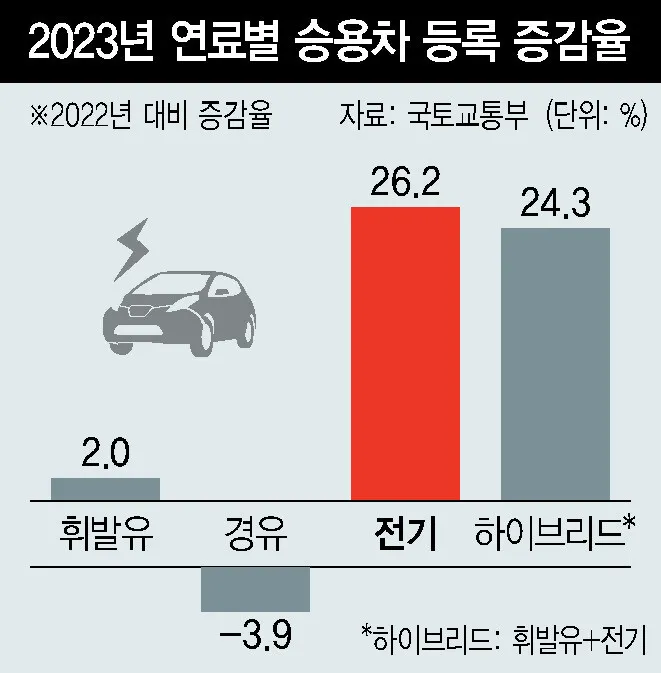
We often easily assume that "EV subsidies are mostly given to domestic cars." However, this is half true and half false.
It is true that in the past, imported cars felt far removed from subsidy benefits. However, as of 2024, if an electric vehicle is officially imported and distributed through a Korean legal entity, it can receive the same level of basic subsidies as domestic cars. As long as it is an official model from brands we commonly know, like Tesla or Mercedes-Benz, and not a vehicle imported directly by an individual or through unauthorized channels, the barrier to subsidies is lower than you might think.
But here lies a trap: "After-sales (AS) capability."
The government gives more points to brands that can take responsibility for managing the car after the sale, rather than just selling the vehicle. For example, if a manufacturer operates its own direct service centers and meticulously manages maintenance history through a digital system, it can receive 100% of the subsidy. However, imported brands that fail to do so may have their subsidies slashed to 90% or even 80%.
In other words, "You can receive subsidies for imported cars, but the actual amount you receive may be less than domestic cars depending on the brand's AS network." This is precisely why there are predictions that the subsidy gap between domestic and imported cars will widen from a maximum of 1.4 million won to as much as 2.5 million won.
The Magic of Price: The Boundary Between 57 Million Won and 53 Million Won
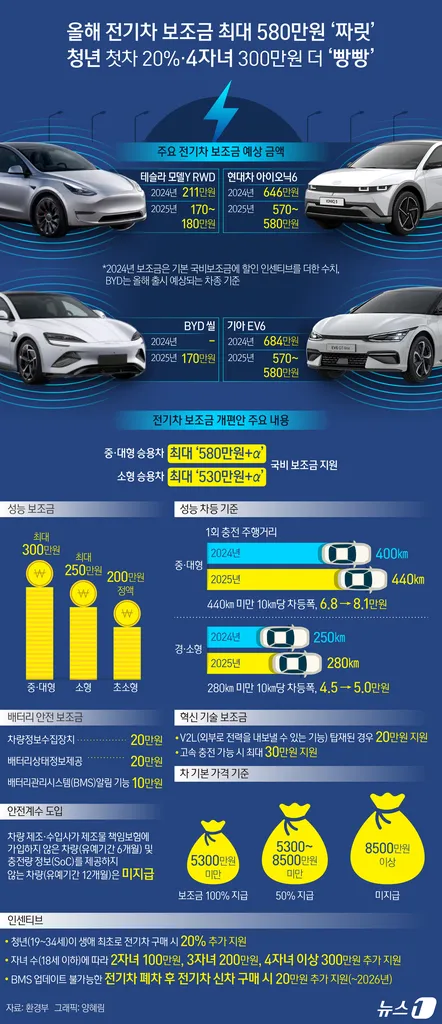
The first number you should check when buying an EV is not the battery capacity, but the 'vehicle price'. This is because, instead of distributing subsidies indiscriminately, the government is concentrating benefits on vehicles that adhere to an 'appropriate price'.
Based on current policy, if the vehicle price is below 57 million won, you can receive 100% of the national subsidy. What happens if you slightly exceed this threshold? The subsidy drops drastically to 50%. If you are buying a car worth tens of millions of won and the subsidy is cut in half, would buying that car really be rational?
Here, we can read the 'strategies disguised as clever moves' of manufacturers. The reason Tesla recently significantly reduced the price of the Model 3, or why Volvo lowered the price of the EX30, is clear. It is to push the vehicle price into this 100% subsidy bracket.
In fact, in the case of the Tesla Model 3 Performance, they adopted a strategy to maximize subsidy benefits by lowering the price by about 9.4 million won compared to before. As a result, consumers have encountered a 'golden time' where they can purchase an EV at an unprecedented low price in the high 30 million won range.
However, there is a caution. The government is wary of manufacturers artificially lowering prices to receive subsidies. Therefore, they have also introduced a method where the larger the vehicle discount, the more it is deducted from the subsidy. If you simply think, "It's cheap because they give a lot of discounts," you might be taken aback during the actual subsidy calculation.
Eyes on the Future: 2026, an Era Where Technology Becomes Money
If you are thinking, "I don't need a car right this second, I want to wait a bit more," you must pay attention to the changes coming in 2026. This is because the direction of policy is shifting completely from 'expanding supply' to 'strengthening technological competitiveness'.
The three key keywords of the 2026 reorganization plan are Battery Performance, After-sales Management, and V2G (Vehicle to Grid).
First, the type of battery will become important. The trend is moving toward providing more incentives to vehicles equipped with high-energy-density batteries or vehicles with superior safety systems (BMS) to prevent fires.
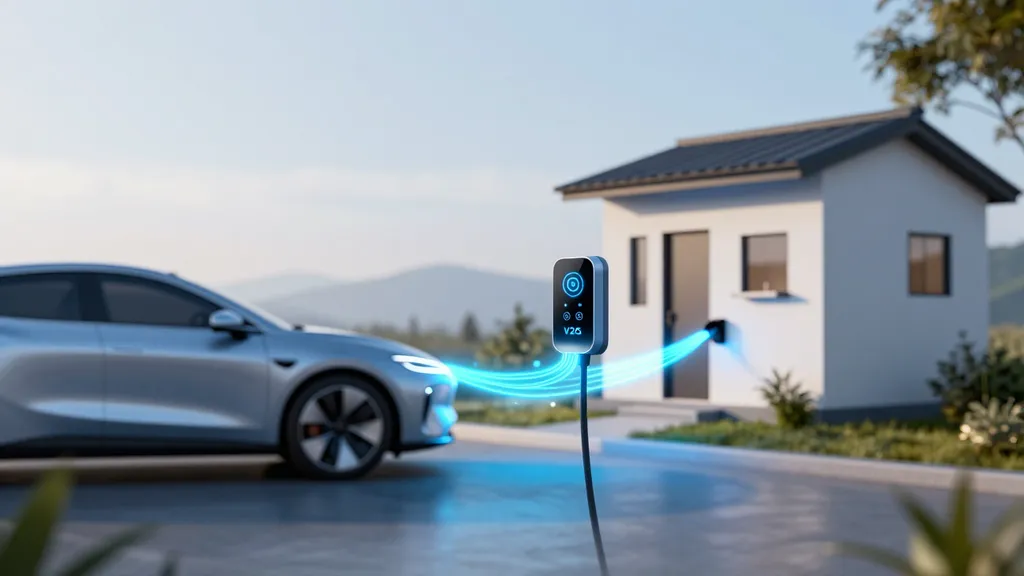
Second, V2G technology. This is a technology that sends electricity stored in your car's battery back to your home or the power grid. Vehicles equipped with this function are highly likely to receive additional subsidies in the future. In this sense, the car becomes more than just a means of transportation; it becomes a 'mobile Energy Storage System (ESS)'.
Third, preference for domestic production and supply chains. A trend similar to the U.S. IRA (Inflation Reduction Act) is expected to be applied in Korea as well. Vehicles that procure core components domestically or have a high proportion of domestic production will hold a more advantageous position.
Therefore, if you want a future-oriented purchase, you should not just look at the price, but consider "How well does this car accommodate future technologies (V2G, high-performance batteries, etc.)?"
So, When and How Should I Buy 'My Car'? (Practical Guide)
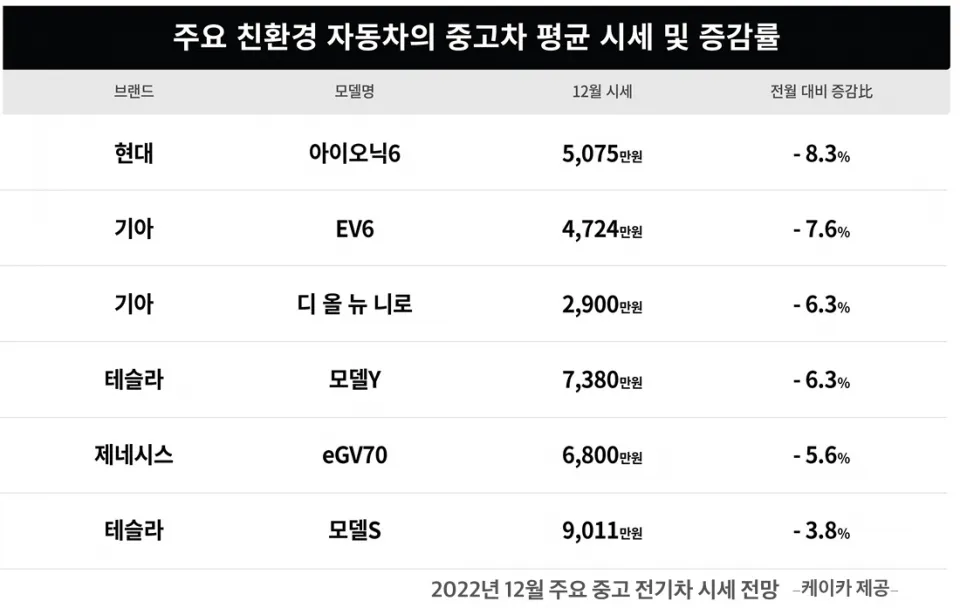
Now, let's summarize the complex story so far. I suggest a customized strategy tailored to your situation.
1. "Value for money is the most important!" (The Practicalist)
- Timing: Right now, or within the first quarter.
- Strategy: Target models with a vehicle price below 57 million won (or 53 million won depending on policy). Keep an eye on models like Tesla or Volvo that are aggressively offering their own discounts, but you must calculate the 'final actual purchase price'.
- Pro-tip: If you are switching from an internal combustion engine vehicle by scrapping it, be sure to claim the 'EV Transition Subsidy'. You can receive up to an additional 1.3 million won.
2. "I can't give up the sensibility and performance of imported cars!" (The Premium Seeker)
- Strategy: You must check the brand's AS network. You should reflect the possibility of reduced subsidies in your budget in advance. Additionally, how many rapid chargers the brand has installed in Korea (incentives apply if 100 or more are installed in the last 3 years) is also an important checkpoint.
3. "I want a car I can drive for a long time once I buy it!" (The Future-Prepper)
- Strategy: Check battery efficiency and the inclusion of the latest technologies like V2L and V2G. After 2026, low-cost models with lower technological capabilities (especially models equipped with Chinese LFP batteries, etc.) are highly likely to see reduced subsidy benefits.
Final Caution: Local government subsidies are limited. If you delay thinking, "I'll buy it later," you might lose millions of won as the local government budget gets exhausted. It is necessary to make it a habit to frequently check the subsidy announcements in your area of residence.
Purchasing an EV is more than just the act of buying a car; it is like a high-level strategy game where you must read the changing government policies and industry trends. It may seem complicated at first, but if you clearly understand just these two things—'Price Ceiling' and 'AS Capability'—you can become a wise consumer who saves millions of won.
What will your next car look like? A cost-effective domestic EV, or a technologically advanced imported EV?
What is the most important criterion for you when purchasing an electric vehicle? Please share your thoughts in the comments!
References
- 전기차는 국산차만 사라고? 2024 전기차 보조금 핵심정리! · youtube.com
- 2024 전기차 보조금 개편안, 숨겨진 경제 이야기 · blog.naver.com
- 2026년 전기차 보조금 개편안 분석, 몰라서 손해보는 구매 ... · wikidocs.net
- 전기차 보조금 전쟁 시작…국산차·수입차 간 보조금 차이 ... · jayupress.com
- 2026년 전기차 보조금 개편안의 경제적 파장 및 시장 생태계 ... · blog.naver.com
- 보조금 개편에 할인 경쟁…전기차 '최저가 구간' 열렸다 · pointdaily.co.kr
- 최근의 중고 전기차 거래 동향 (의무 운행기간 과다 설정 ... · blog.naver.com
- 국산과 수입 전기차 보조금 차이 '최소 250만원' 더 벌어질듯 · stock.mk.co.kr