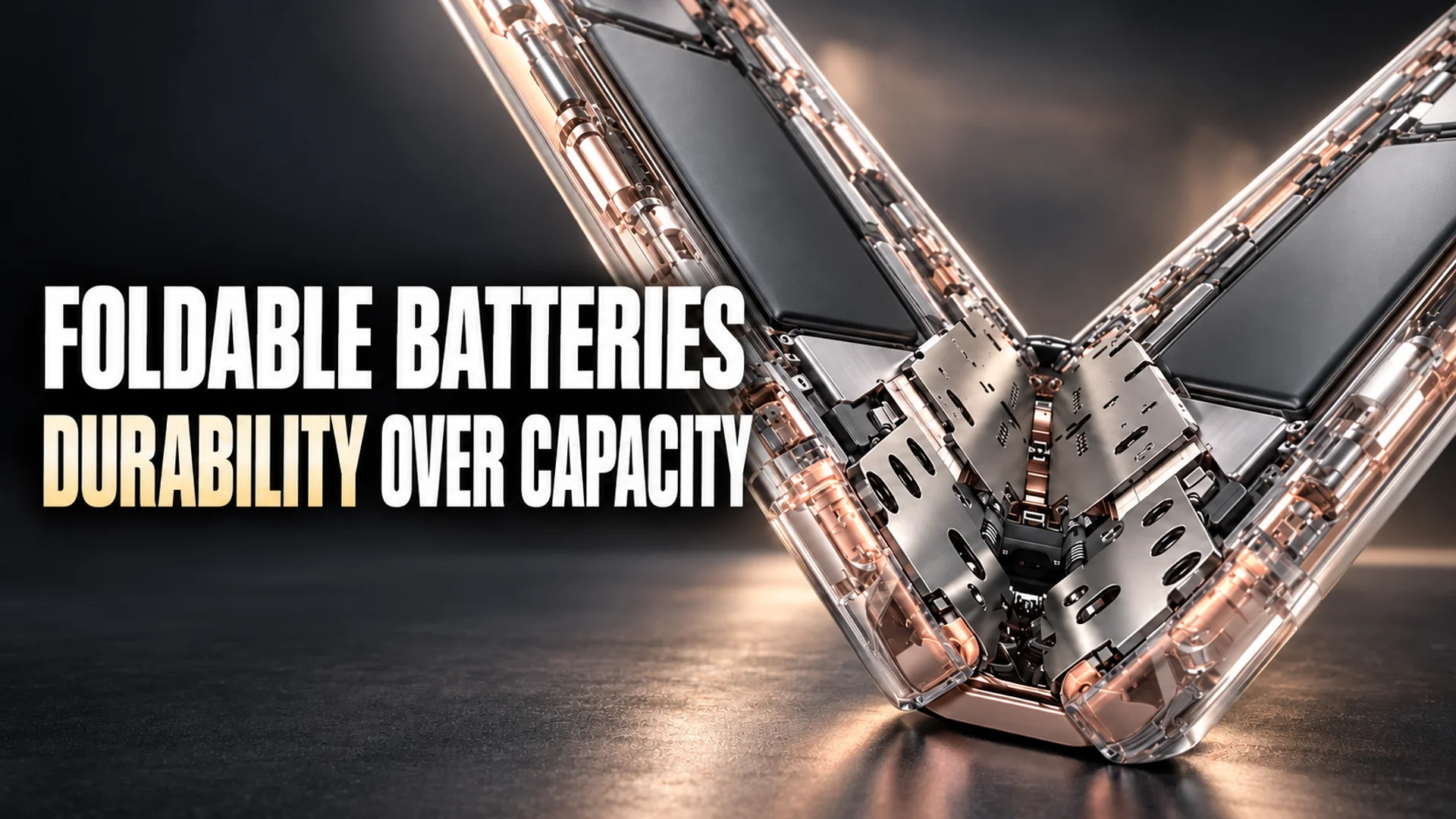
The 2026 foldable smartphone market stands at a crossroads where rapid advancements in battery technology coexist with underlying structural challenges. Leading with Samsung Electronics’ Galaxy Z Fold8 series, major manufacturers are eagerly adopting silicon-carbon battery technology, allowing users to experience significantly improved battery capacity despite slim designs. However, technological progress comes at a cost. Increased capacity is directly linked to changes in charge cycle lifespan, making it difficult to judge the wisdom of a purchase based solely on 'mAh numbers.'
To properly understand the battery durability of foldable devices, one must examine the chemical characteristics hidden behind the capacity, the physical design of the device itself, and the performance gap between manufacturers’ official data and real-world usage conditions. If you are considering a 2026 foldable smartphone, here is a detailed analysis of three key truths you must verify before purchasing, along with the underlying technical mechanisms.
1. The Duality of Silicon-Carbon Technology: Explosive Capacity Growth vs. Reduced Cycle Life
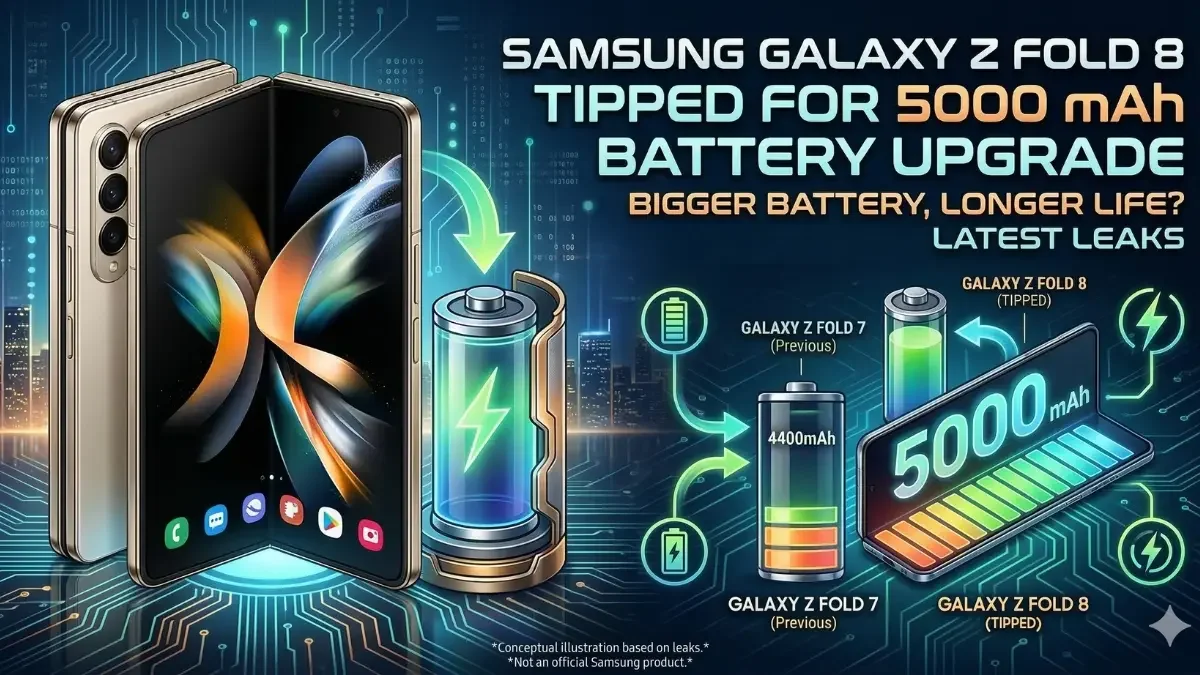
The most significant battery technology change in 2026 foldable phones is the application of 'Silicon-Carbon' batteries, replacing traditional graphite anodes. This technology provides much higher energy density than previous solutions, becoming the most powerful tool for significantly increasing capacity while maintaining device thickness. Samsung Electronics introduced this technology for the first time in its lineup, equipping the 'Galaxy Z Fold8 Ultra' with a 5,000mAh battery (rated 4,854mAh). This represents an approximate 14% increase in capacity compared to its predecessor, the Z Fold7 (4,400mAh), achieving increased battery capacity while maintaining the thinnest design ever at 4.1mm when unfolded. The standard Z Fold8 also received an increased capacity of 4,800mAh, and the Motorola Razr Fold 2026 secured a massive 6,000mAh capacity through silicon-carbon technology 1, 2, 3, 4.
However, improved energy density carries a clear physical cost. Silicon has a theoretical specific capacity of approximately 4,200 mAh/g, much higher than graphite, allowing it to store more lithium, but it expands by up to 400% in volume during charging. This is an extreme physical change that is incomparable to graphite’s expansion rate of around 10% 5. Such expansion destabilizes the internal structure of the battery and damages the electrode structure, directly causing reduced lifespan.
| Battery Technology | Anode Volume Expansion Rate During Charging | Representative 2026 Foldable Applications | Cycle Life (Number of Recharge Cycles) |
|---|---|---|---|
| Existing Lithium-Ion (Graphite Anode) | Approx. 10% | Samsung Galaxy Z Fold7 series | 2,000 cycles (based on previous generation) |
| Silicon-Carbon Battery | Up to 400% | Samsung Z Fold8 series, Motorola Razr Fold 2026 | Samsung Z Fold8 series: 1,200 cycles |
To resolve this expansion issue and implement a stable battery system, manufacturers have drastically overhauled electrode structures. Samsung Electronics has stated that it redesigned the entire battery system, going beyond simple material changes to include thin carbon coatings on the anode, cathode doping, electrolyte additives, and the application of high-porosity separators 2, 5. Nevertheless, structural limitations are clearly evident in statistical data. According to documents submitted by Samsung Electronics to EU regulatory authorities, the battery cycle life of the Galaxy Z Fold8 series featuring the new technology is specified as 1,200 cycles. This is a significant decrease compared to the 2,000 cycles promised by previous generations 5. In other words, while the perceived capacity of 2026 foldable devices at the moment of first use is much larger, one must recognize that these devices have a structural characteristic (trade-off) where battery performance declines faster than in past models as the device is used for longer periods.
2. The Importance of Foldable-Specific Physical Structures and Integrated Battery Design
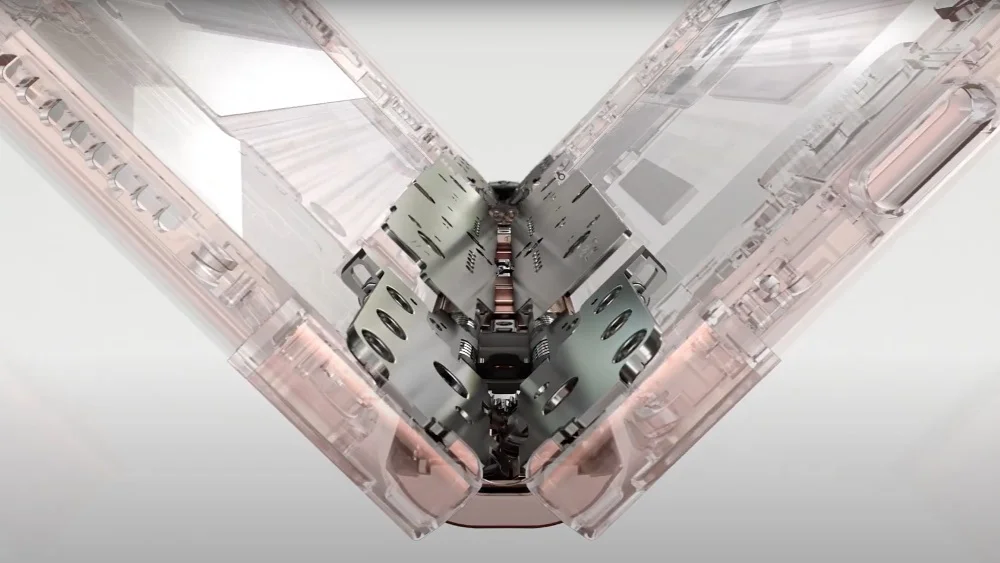
Battery quality in foldable smartphones is not determined solely by large capacity. Due to the form factor’s characteristic of being folded and unfolded dozens of times daily, the robustness of the hinge and display structure plays a critical role in the stable integration and lifespan management of the battery module. 2026 devices are applying various new materials to control such physical deformation and impact.
Samsung Electronics newly applied Flex Titanium technology to the 'Galaxy Z Fold8' and 'Ultra' models. This structure combines a titanium alloy film with a reinforced plate, significantly enhancing the physical durability of the display while visibly reducing screen creases 3. When the internal physical supports where the display and battery modules are located become stronger, they can effectively block minor impacts occurring during device usage from being directly transmitted to the internal battery cells. This serves as a foundation for stably protecting the battery structure, which is sensitive to expansion due to silicon-carbon characteristics, from external impacts.
3. The Durability Gap Created by Heat Control and AI Charging Algorithms in Software
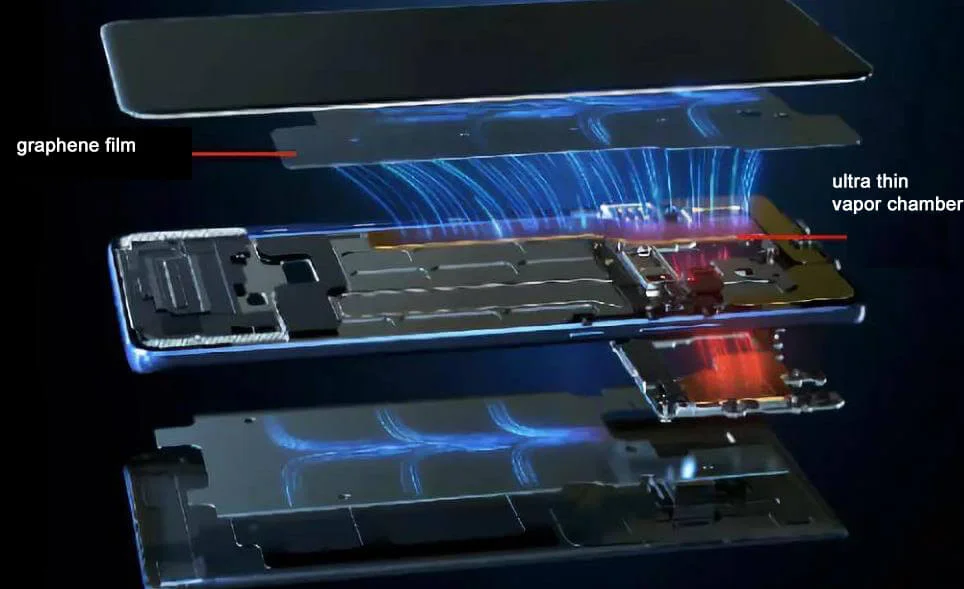
Whether or not silicon materials are included, the most practical factor determining battery lifespan is heat. Battery durability is not completed by hardware specifications alone. There is a considerable gap between manufacturers’ laboratory test data and the performance perceived by actual users, and narrowing this gap becomes possible only by combining hardware cooling structures with software optimization 1, 3.
The clearest example showing this performance gap is charging speed. Samsung Electronics applied a dual-path charging architecture to the Galaxy Z Fold8 series, supporting 45W wired charging. According to official manufacturer laboratory tests, the Z Fold8 Ultra can charge to approximately 67% in 30 minutes 1, 2. However, in Android Central’s independent real-world review, the same device was measured to charge to approximately 40% in 30 minutes, with a full charge taking about 1 hour 2.
This decrease in charging speed and heat control ultimately comes down to issues of software and mechanical design. Real-world usage environments typically involve complex loads, such as watching videos while looking at the screen or charging during gaming. To prevent battery degradation in 2026 foldable devices, it is essential to assess how precisely physical graphite cooling structures for heat management are integrated with AI-based charging control software that learns device usage patterns to adjust charging speed and voltage.
Practical Perspectives for Verifying Battery Durability Before Purchase
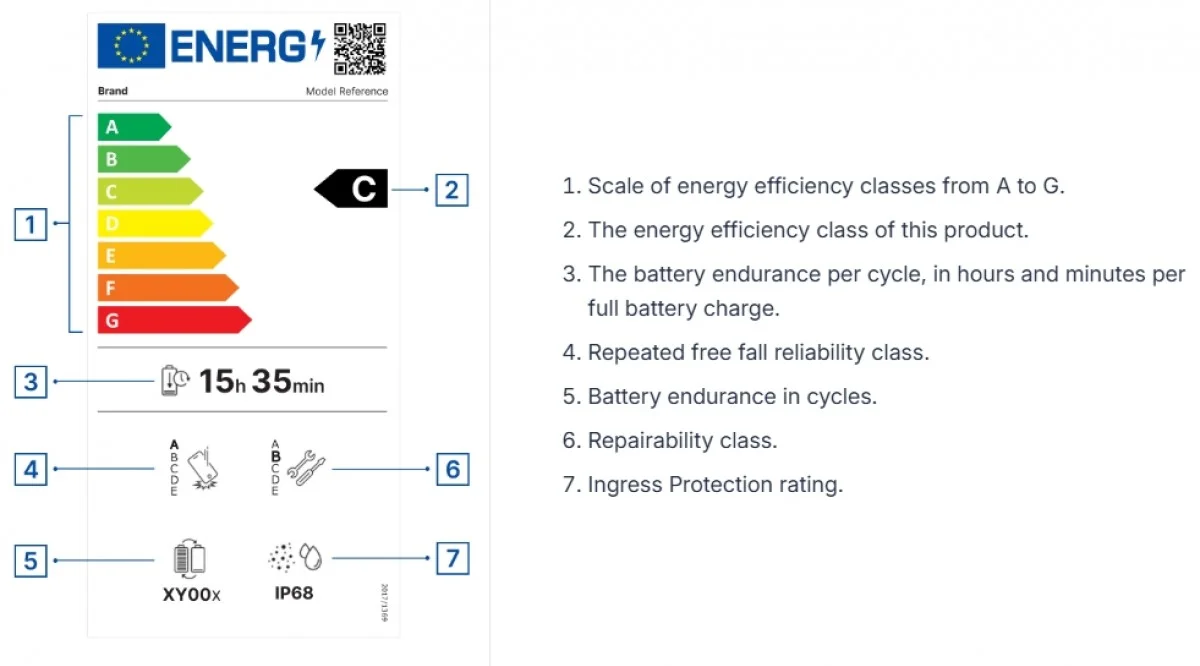
In conclusion, while the batteries of 2026 foldable smartphones have achieved definite progress in terms of capacity, they carry a clear risk of reduced cycle lifespan due to the chemical characteristics of the batteries. If you are considering a purchase, you should not be obsessed with simple capacity numbers (mAh). If you plan to use the device for two years or longer, it is necessary to habitually cross-check the charging cycle figures officially announced by the manufacturer with documents submitted to EU regulatory authorities. Additionally, by comparing the manufacturer’s official charging times with real-world reviews from independent media, you can grasp the device-specific heat control capabilities in advance, enabling you to make a rational choice for a foldable device with an accurate understanding of the underlying sophisticated technology.
References
- Your guide to Samsung Galaxy Z Fold8 Ultra, Z Fold8 and Z Flip8 - Samsung Business Insights · insights.samsung.com↩
- Samsung Galaxy Z Fold 8 Silicon-Carbon Battery Explained << Samsung :: Gadget Hacks · samsung.gadgethacks.com↩
- Samsung Galaxy Z Fold8 Ultra, Fold8 and Flip8: Foldables, Perfected for Every Way of Living | Samsung Mobile Press · samsungmobilepress.com↩
- ↩
- What Is A Silicon Carbon Battery And Is It The Answer To Smartphone Battery Life Issues? - Engadget · engadget.com↩