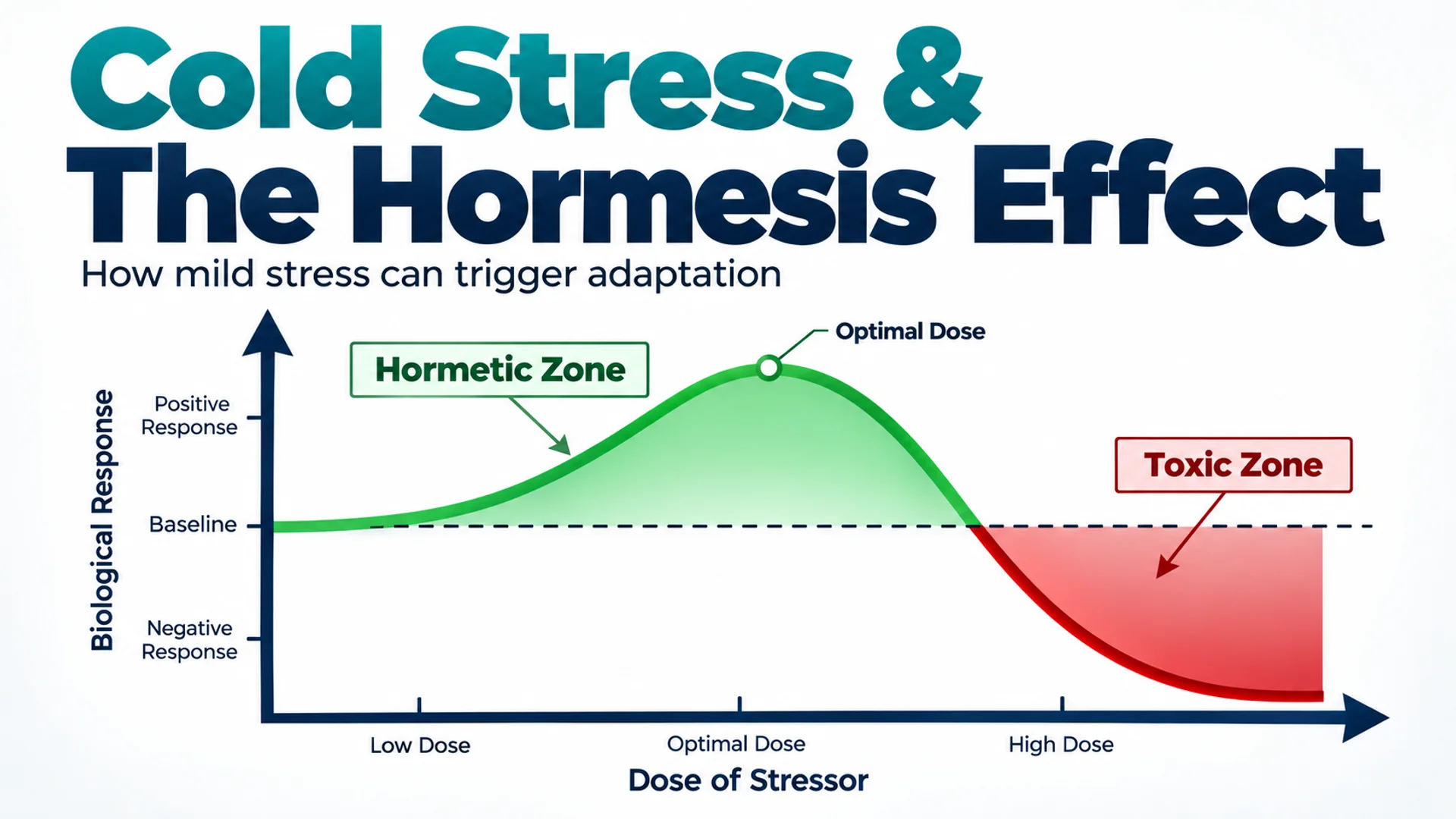
When you touch the water in the sink in front of the mirror, it is piercingly cold. On a morning in October 2026, the chill of deep autumn fills the air, making you want to curl up your entire body. Most people try to preserve their body warmth by washing with warm water on days like these. However, an unexpected claim is gaining traction among people interested in health and well-being: that a 'cold-water face wash' may be more effective for strengthening immunity than warm water. While warmth provides comfort, cold acts as a signal that awakens life.
Is it really necessary to immerse your hands in cold water and wash your face in such cold weather? To understand the reason, we must look beyond common notions of 'body temperature management' and examine the physiological mechanisms by which the body responds to cold. Hidden there is not simple tolerance, but an active adaptive response of the human system.
The Link Between Cold and Brain-Hormone Connectivity
The moment cold water touches the skin, our body activates an immediate physiological alert system. This is not pain but the beginning of an intricate regulatory process for survival. Cold exposure triggers the 'Cold Shock Response,' an acute physiological reaction. During this response, the body activates the sympathetic nervous system to cope with crisis situations, specifically promoting the secretion of a neurotransmitter called norepinephrine. Norepinephrine serves not merely as a stimulant but also performs crucial roles in constricting blood vessels and regulating immune function 1.
Interestingly, the scale of these hormonal changes is significant. According to analysis data from FoundMyFitness, full-body exposure to cold water at approximately 14°C (57°F) for one hour has been shown to increase norepinephrine secretion in the body by a remarkable 530%. Additionally, dopamine levels were reported to rise by 250%. Such a rapid increase in the secretion of neurotransmitters and hormones contributes to energy consumption and the active regulation of the body's immune functions 1.
While warm water focuses on relaxing blood vessels and relieving tension, cold water instead elevates the system into a 'state of alertness,' operating the immune surveillance system at its optimal level. Breaking the morning lethargy and instructing the body to prepare for the day is not the result of warm comfort, but of this intense chemical signal.
Hormesis: The Paradox of Stress Becoming Immunity
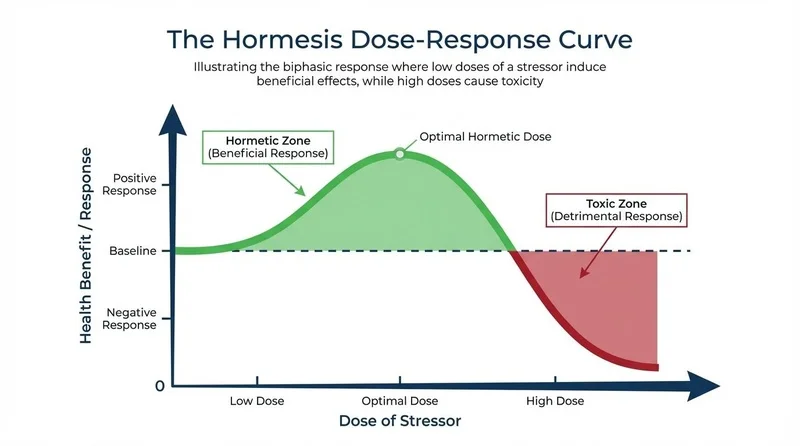
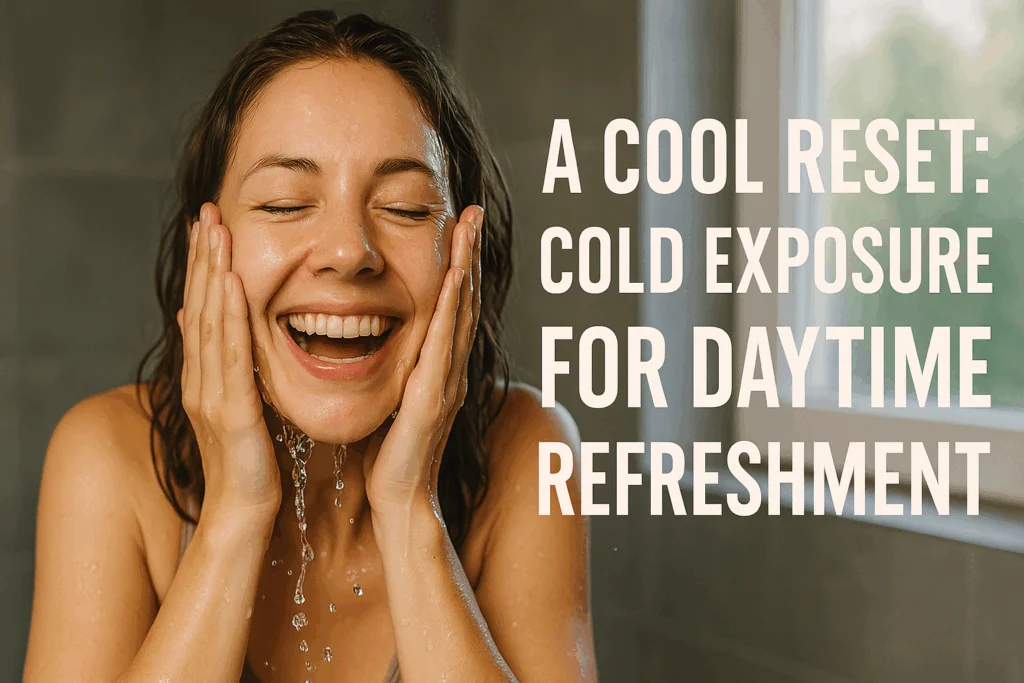
Submerging your face in cold water induces 'Hormesis' in the body. Hormesis refers to the phenomenon where mild stress factors actually promote adaptation and recovery in biological systems. Research on Deliberate Cooling discussed in Huberman Lab clearly demonstrates this principle. Temporary, controlled stress from cold water acts differently from negative chronic stress; as a short-term nervous system response, it enhances immune system activity and tissue recovery 2.
The routine decline in immunity we experience is often due to chronic fatigue and stress. However, brief cold exposure from a cold-water face wash acts as 'positive stress (eustress).' By strongly stimulating the sympathetic nervous system with cold stimuli for a short period, it helps dormant immune cells move more actively through the bloodstream. This is similar to the mechanism of lifting light weights to build muscle strength by providing appropriate stimulation to the immune system to increase its intensity.
In particular, the nervous system response to cold exposure cultivates the body's ability to flexibly cope with changes in the external environment. This goes beyond simple physical tolerance, forming the foundation for the immune system to respond more sensitively and accurately to external invaders.
Brain Health and Immunity: An Unresolved Puzzle
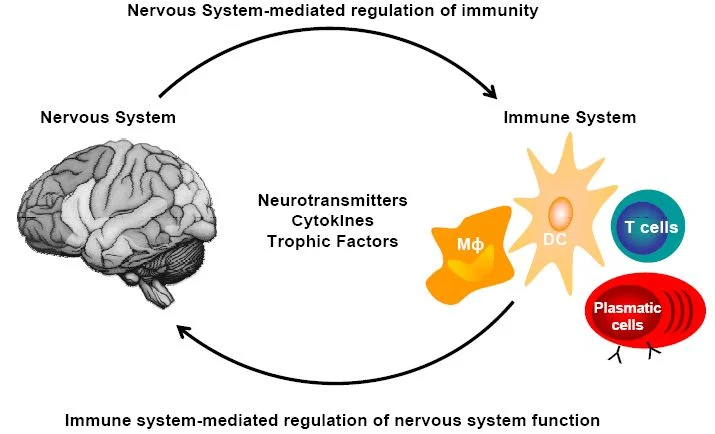
The benefits of cold-water face washes extend to interpretations involving mood, mental health, and the connected immune-inflammatory pathways. In September 2026, a review article published in the journal Molecular Psychiatry deeply analyzed the effects of cold water exposure on mood and mental health. The study suggests that cold water exposure may influence immune-inflammatory pathways by activating catecholamine secretion in the brain and the HPA axis (hypothalamic-pituitary-adrenal axis) 3.
Our body's immune system is closely connected to the brain. When the brain is awakened and the stress system functions positively, this can lead to the regulation of systemic inflammation levels and immune regulatory functions. The refreshing feeling and mental alertness many people experience after a cold-water face wash can be viewed as the result of these short-term neurophysiological responses 3.
However, all scientific conclusions have gaps. According to reports by Medical News, the review article noted that more long-term studies are needed to confirm whether these physiological mechanisms translate into clinically permanent immunity strengthening or psychiatric benefits. Whether the activation of catecholamines and the HPA axis is the primary driver of sustainable immune improvement has not yet been scientifically established 3. In other words, while cold-water face washes clearly aid in the immediate awakening of the immune system, it is difficult to definitively claim they guarantee panacea-level efficacy, such as 'never catching a cold.'
Choosing Between Warm and Cold Water: What Do You Want?
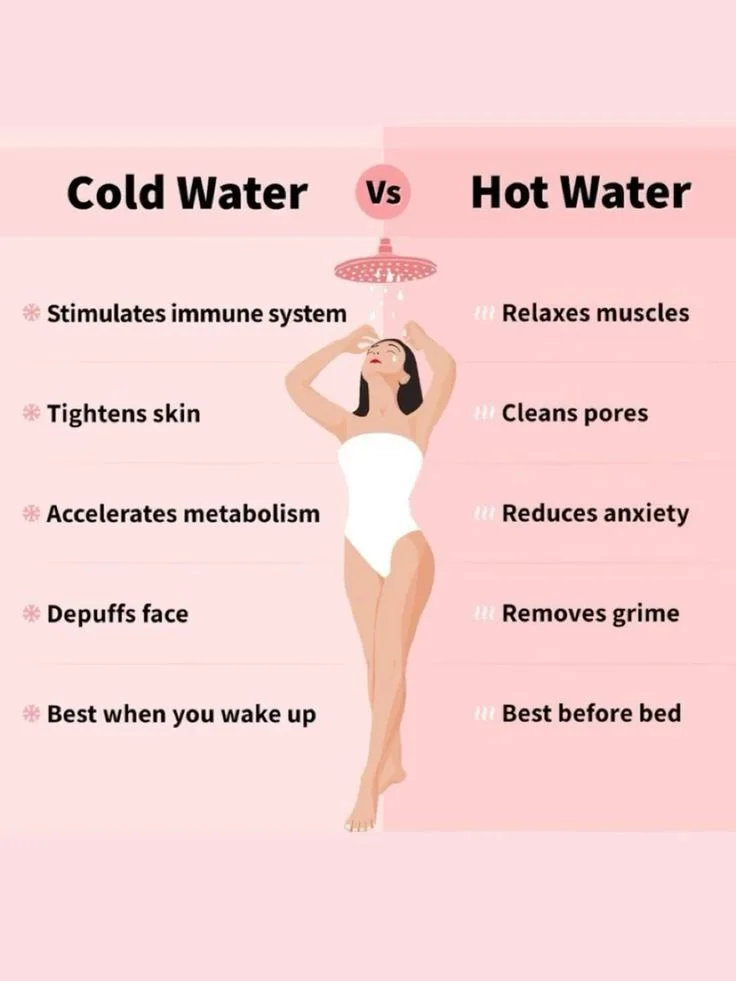
Ultimately, warm and cold water face washes are tools for achieving different goals. Warm water face washes gently open the skin, facilitating the washing away of waste products and relaxing tense facial muscles to aid in sleep. In contrast, cold water face washes are specialized for generating energy and awakening the immune system's vigilance through sympathetic nervous system stimulation.
Particularly during the cold winter season of 2026, cold water exposure when blood vessels are constricted to maintain body temperature is also meaningful in terms of strengthening vascular motility. According to FoundMyFitness data, cold exposure can be linked to the activation of brown adipose tissue, which promotes metabolic activity and thermogenesis. Although full-body cold water immersion has a larger weight in this regard, local cold-water face washes also serve to send subtle physiological warnings to the body.
You can choose the water temperature based on what you want. If you want to maintain your skin's oil-moisture balance and keep it hydrated, warm water is suitable. However, if you need to firmly establish your body's immune defense barrier in the uncertain infection environment of 2026 and boost morning energy levels, a cold-water face wash can become a more useful physiological switch.
Temperature Guidelines for Safe Practice
The most important thing when practicing cold-water face washes is to avoid excessive extremism. Studies proficient in deliberate cooling protocols suggest safe water temperatures and durations. According to Huberman Lab's guidelines, beginners should start by immersing or exposing their bodies to cold water around 12.77–15.55°C (55–60°F) for 1–3 minutes rather than challenging icy water from the start 2.
For a face wash, it is realistic to immerse your hands in cold water for a shorter time than this, then wash your face or let the water touch it. The key is to apply cold stimuli to skin areas crucial for body temperature regulation, such as the palms and face 2. Additionally, individuals with cardiovascular diseases or respiratory issues should consult with a medical professional, as cold water stimulation can lead to sudden blood pressure changes 2.
| Category | Warm Water Face Wash | Cold Water Face Wash |
|---|---|---|
| Physiological Response | Vasodilation, muscle relaxation | Cold shock response, vasoconstriction |
| Major Hormonal Changes | Induces calmness (parasympathetic nervous system) | Norepinephrine ↑530%, Dopamine ↑250% 1 |
| Immune Perspective | Protects skin barrier, washes away waste | Transmits immune regulatory signals, promotes energy consumption 1, 2 |
| Suitable Situations | Nighttime, when skin cleansing is priority | Morning, for waking up and immune stimulation |
Conclusion: Is There a Gift in the Piercing Water Temperature?
On a cold morning in 2026, the temptation of warm water is strong. However, from the perspective of 'Hormesis'—where the body responds to cold by secreting norepinephrine and rearranging the immune system—a cold-water face wash can be a health management strategy beyond simple cleansing 1, 2.
Of course, this is not a clinically established 'immune therapy' 3. Yet, it is clear that the tingling alertness felt when you turn the sink faucet to the cold side this morning can be an opportunity to recheck your body's defense barriers. Are you ready to choose a sip of cold water that awakens immunity, rather than a lethargic warmth, this morning?
References
- FoundMyFitness Topic - Cold exposure · foundmyfitness.com↩
- Cold Plunges and Deliberate Cooling · hubermanlab.com↩
- Cold plunges may boost your mood, but the evidence is still on thin ice - Medical News ,Medical Articles · news-medical.net↩