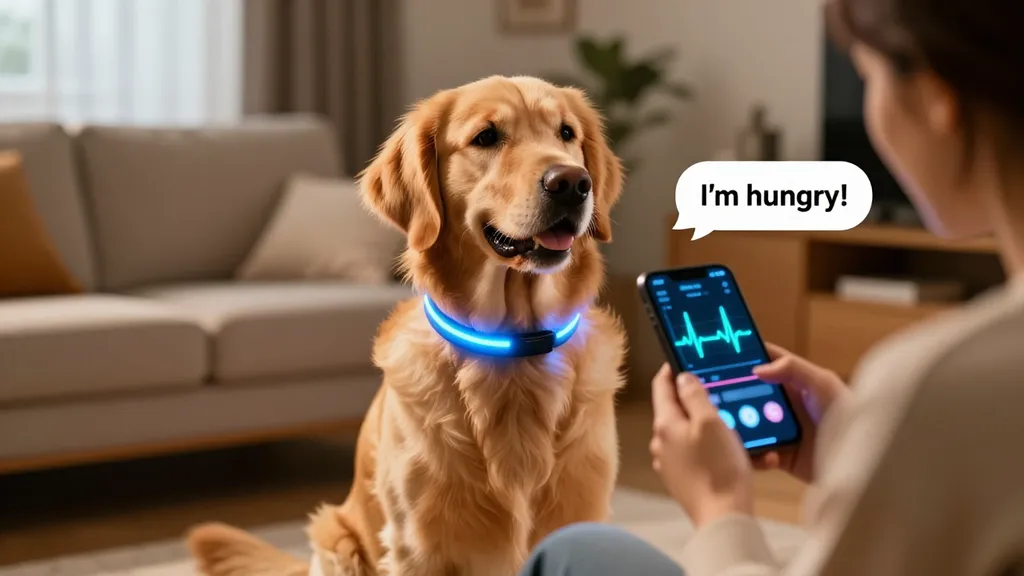
"Is my puppy hungry right now, or is he feeling unwell?"
This is a question anyone who keeps a pet has likely asked themselves at least once. Watching over a non-verbal companion always brings a sense of deep affection mixed with anxiety. Recently, however, innovative technologies have begun to emerge that tap into this earnest desire.
Moving beyond simple location trackers, we are talking about AI Pet Collars that can translate animal sounds into sentences or predict diseases by analyzing heart rates. Will these technologies be the 'relief pitchers' that become a voice for our pets, or are they merely a 'mirage' created by flashy technology? Today, we will take a deep dive into the reality of next-generation PetTech and the shadows hidden behind it.
1. The New World of PetTech Unfolding: Will "Talking Dogs" Become Reality?
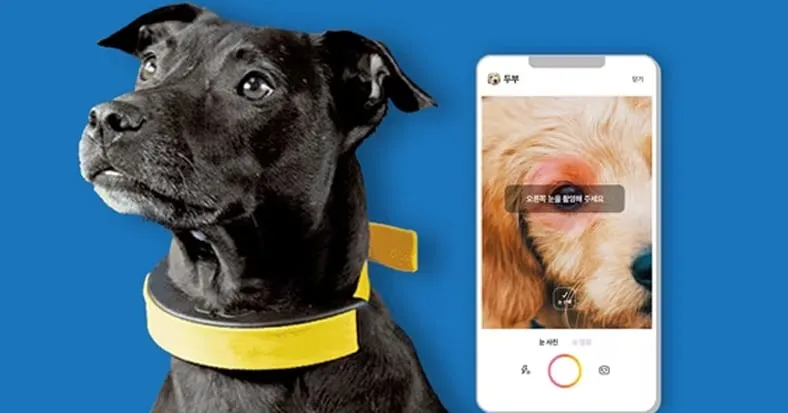
The pet industry is currently in the midst of an 'AI Golden Age.' The speed of technological penetration is staggering, with the global market projected to grow to a whopping $41.3 billion (approximately 55 trillion KRW) by 2032.
The hottest topic is, of course, the AI Pet Translator. The 'PettiChat' recently introduced by the Chinese startup 'Mengshaoyi' is at the center of much discussion. This device claims to utilize Alibaba's Large Language Model (LLM), Qwen, to analyze pet sounds and behavioral data, translating them into human sentences in just 1.2 seconds. It is remarkably light, weighing only 27.2g.
This technology is possible because AI is expanding its scope of interpretation from human language to non-verbal animal data (movement, sound, biological signals). Technology is evolving from simply answering "Where are they?" to asking "How are they feeling right now?"
2. Alternative Comparison: 'Emotion Translation' vs. 'Health Monitoring', What is Your Choice?
The next-generation smart collars entering the market currently split into two main directions. It is similar to how smartwatches are divided into 'lifestyle trackers' and 'medical assistants.' Let's compare which product might be more necessary for your pet.
Type A: Emotion and Communication-Focused 'AI Translator' (e.g., PettiChat)
The core of this type is communication. It focuses on delivering emotional states as text by analyzing animal cries.
- Pros: It can maximize the emotional bond with the pet. Receiving messages like "I'm hungry" or "I'm bored" provides great emotional satisfaction to the owner.
- Cons and Limitations: The biggest flaw is accuracy. The 95% accuracy claimed by PettiChat is likely a result obtained in a controlled laboratory environment. In a real home environment with TV noise or noise from neighboring floors, the probability of malfunction is high. Furthermore, doubts remain regarding whether it is scientifically valid to interpret a pet's complex intentions through sound alone.
Type B: Data-Driven 'Healthcare Monitoring' (e.g., PetPace)
The core of this type is survival and prevention. Led by companies like the UK-based PetPace, this model pursues a level of precision close to medical devices.
- Pros: Pets instinctively hide their pain. PetPace's technology measures body temperature, pulse, respiratory rate, and heart rate variability (HRV) in real time. In particular, by detecting unusual sleeping postures through a 3-axis accelerometer, it can detect early signs of tumors or internal diseases. There are actual cases where hyperthyroidism was detected early, preventing kidney damage.
- Cons and Limitations: Because it has many functions, the price point can be high, and it may require continuous subscription services or professional knowledge to interpret and manage the data.
3. The Shadow Behind the Flashy Technology: Data Security and Privacy
While we are intoxicated by the convenience of technology, there is a cold truth that must be addressed: IoT security issues.
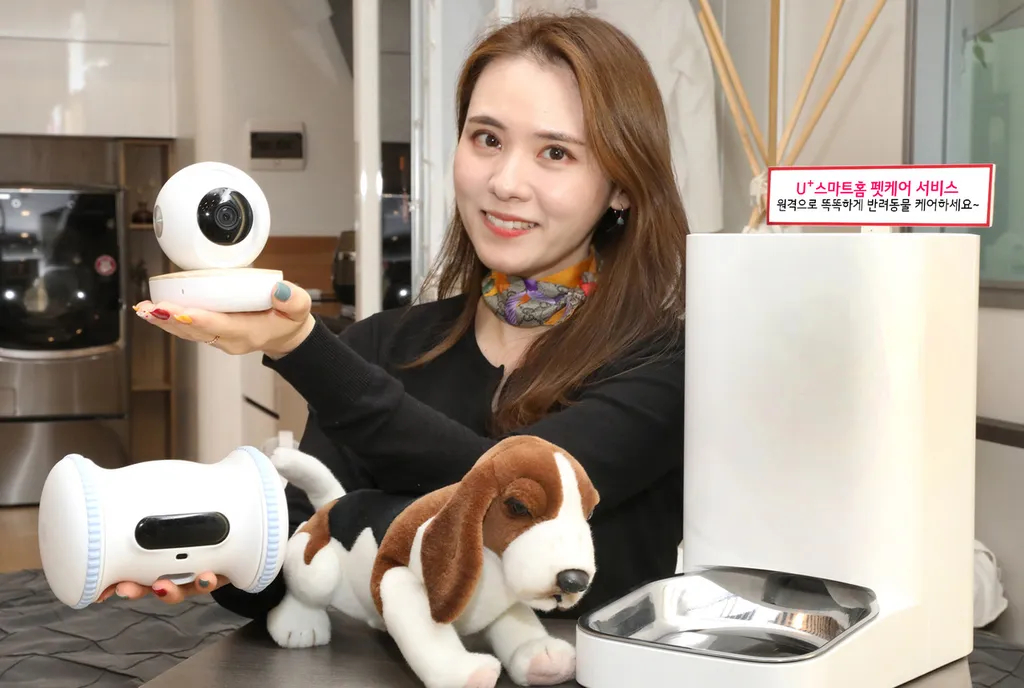
Did you know that approximately 2.9 billion IoT devices are distributed in South Korea alone? As smart home devices increase, the threat of hacking grows proportionally. What would happen if a smart camera or collar installed for a pet were hacked?
In Korea, tragic cases have already occurred where privacy was recorded and distributed without authorization through wall-pad hacking or IP camera leaks. It is not a distant story that cute videos of a pet's daily life could become targets for crime, or that the inside of our homes could be exposed. Since AI Pet products are also connected to networks and transmit vast amounts of biological and location data, choosing low-cost products with weak security can threaten not only the pet's safety but also the entire family's privacy.
4. Expert Recommendation: What Should You Choose?
Then, what criteria should we use to choose these smart tools? I will summarize this from the perspective of a 10-year veteran marketer and pet owner.
First, weigh 'Safety' over 'Fun'. If your budget is limited, I recommend considering a Healthcare Monitoring-type product that checks your pet's heart rate and activity levels over a translator that says, "I'm hungry now." This is because what extends a pet's lifespan is not a fun message, but the early detection of disease.
Second, always check for 'Security Certification'. Recently, the Korea Internet & Security Agency (KISA) has been operating an 'IoT Security Certification' system. Just as Samsung Electronics' robot vacuum received the highest grade, you need the habit of checking whether a device complies with security standards and carries a certification label before purchasing.
Third, remember that technology is a supplementary tool. Even if AI boasts 95% accuracy, it cannot replace a veterinarian's diagnosis. AI is an 'early warning system' that informs you of abnormalities, not a 'final diagnostic tool.' If AI says, "They look sick," you should use that as an indicator to visit a professional immediately rather than blindly trusting it.
Conclusion: Balancing Technology and Love
So far, we have looked at the reality and risk factors of pet products created by AI technology.
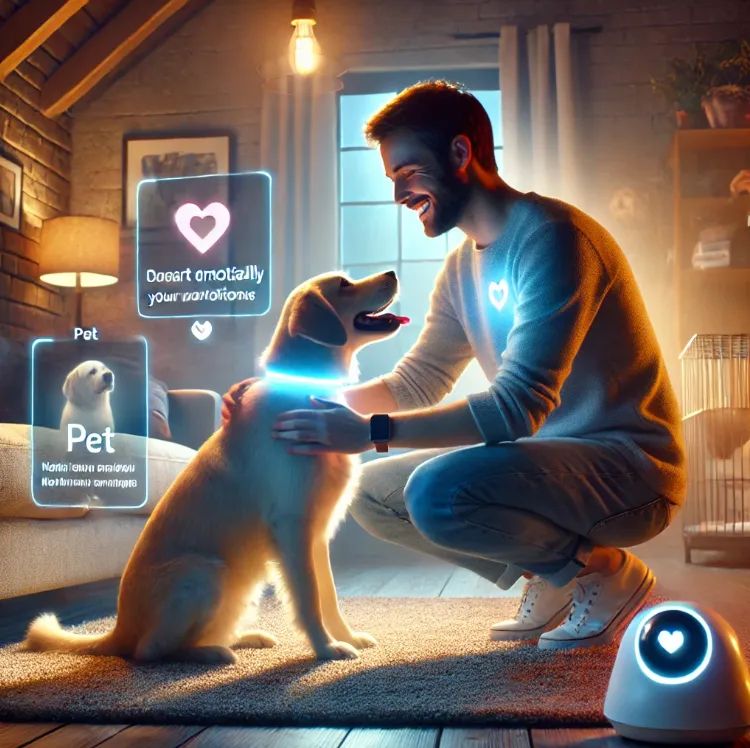
In summary, AI Pet Collars are undoubtedly innovative tools that can proactively manage animal health and satisfy the thirst for communication. However, it can be dangerous to blindly accept them without clearly recognizing data security issues and the limitations of technical accuracy.
Ultimately, what is most important is not technology, but the warm gaze of the guardian who observes the pet's eyes and gestures. AI is merely an 'assistant' that makes that gaze a little more sophisticated.
What do you think? If there were an AI translator that could read your pet's mind, would you willingly open your wallet?
References
- 이제는 반려동물 통역기까지 나오기 시작했습니다. · threads.com
- 반려동물 제품 산업의 AI 기술 및 적용 시나리오 - Bestone Inc. · bestoneinc.com
- 반려동물 건강 모니터링하는 AI 스마트 목걸이 · gttkorea.com
- [마우저 일렉트로닉스] 반려동물의 건강상태를 알려주는 스마트 ... · m.blog.naver.com
- 이 AI 반려동물 목걸이는 고양이, 강아지 등을 95% 정확도로 ... · cryptopolitan.com
- [스마트홈 IoT 보안] 취약한 IoT 기기의 해킹 위협과 사생활 침해 · blog.naver.com
- 국내에만 29억개…무방비 IoT 기기, 사생활 유출 부른다 · newsis.com