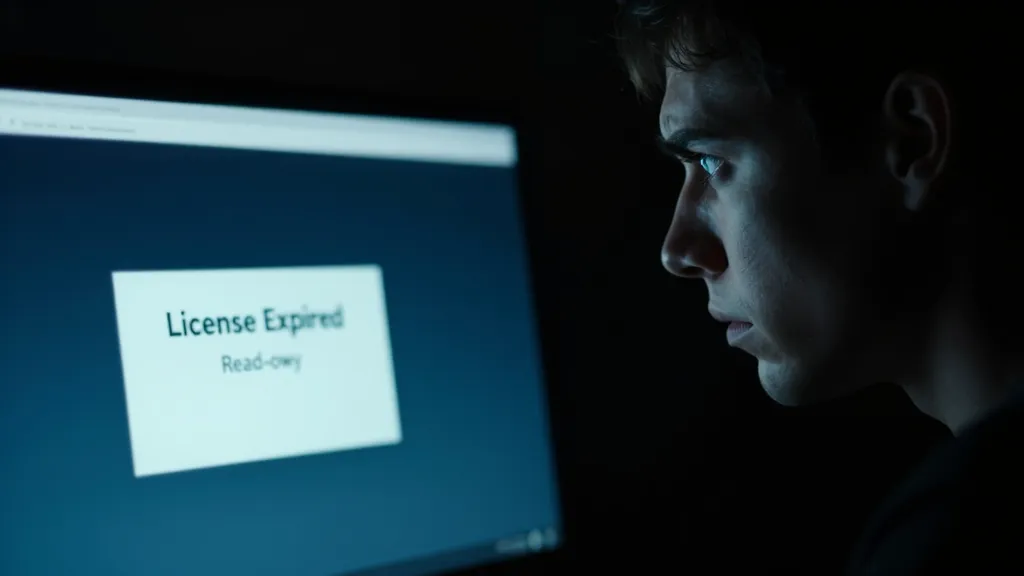
"I clearly paid money to buy it, so why can't I even edit it now?"
Among those reading this article, there are surely people who have recently felt bewildered when using Office 2019 or 2021 versions on a Mac, only to have them suddenly switch to 'View-only' mode.
We believed we had 'purchased' the software, but we are realizing the reality that what we bought was not full ownership, but merely 'the right to use it temporarily.' As of 2026, this controversy surrounding Microsoft goes beyond a simple technical error and poses a fundamental question about what 'ownership' means in the digital age.
What is happening now: The breaking of the 'Perpetual License' promise
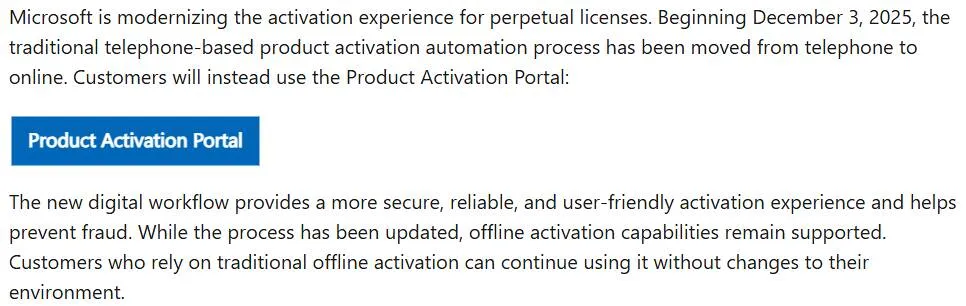
Recently, massive waves of controversy have been rising around tech communities and the consumer rights platform ConsumerRights.wiki. According to reports as of May 30, 2026, allegations have been raised that Microsoft has restricted core editing functions of the Office 2019 and 2021 versions for Mac that it had previously sold.
Why is this a problem? The key keyword here is Perpetual License.
This refers to the method we used to believe in—buying software once and being able to use it for a lifetime. Before the subscription model became mainstream, we perceived software as an 'asset.' However, Microsoft's recent actions are being criticized as being similar to a car manufacturer remotely locking the functions of a perfectly fine car through a software update.
Users are calling this a 'Bait and Switch' tactic. The claim is that they lure customers into their ecosystem with low or reasonable-priced perpetual licenses, then wait for time to pass and restrict core functions to pressure them into switching to the subscription model (Microsoft 365), where they must pay a monthly fee.
While Microsoft presents the justification of "management to respond to technological changes," the community's view is cold. The dominant skepticism is that it is "ultimately a strategy to squeeze more money out of users' pockets." This echoes the 'Stop Killing Games' controversy in the gaming industry, where closing servers makes perfectly playable games unplayable.
Exploring Alternatives: Where should we go?
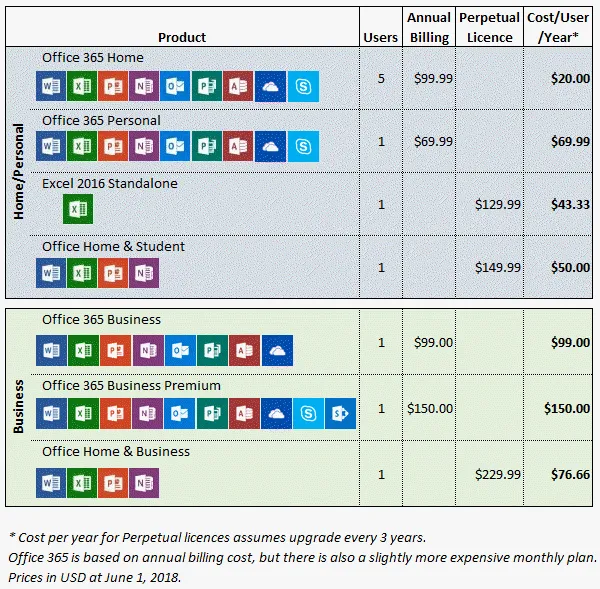
In this situation, consumers are faced with a crossroads. Will they comply with Microsoft's methods, or will they find a new path? Let's compare the three main paths currently available.
1. Subscription Model (Microsoft 365, etc.)
This is the current mainstream method that Microsoft is strongly pushing.
- Pros: You can always use the latest features, and it provides perfect synchronization between cloud storage (OneDrive) and mobile devices. It is very convenient as security updates are continuously provided.
- Cons: It incurs 'monthly/yearly expenses.' Since the concept is renting rather than owning software, the moment you stop the subscription, your entire work environment collapses. In the long run, you end up paying much more than a perpetual license.
2. Open Source and Free Software (LibreOffice, etc.)
The first alternative that comes to mind for users opposing Microsoft's monopoly.
- Pros: It is free or very inexpensive. It provides 'digital freedom' where you don't need to be swayed by the policy changes of a specific company. It is the form most free from licensing issues.
- Cons: It is difficult to expect perfect compatibility with Microsoft Office files (.docx, .xlsx, etc.). In particular, inconveniences such as broken formatting may occur when handling Excel files with complex formulas or Word documents with sophisticated layouts. In a corporate environment, these 'subtle differences' can lead to a decrease in productivity.
3. Sticking to Existing Perpetual Licenses (The current precarious choice)
The method of using the already purchased version as much as possible.
- Pros: No additional expenditure. You are exercising your rights for the cost already paid.
- Cons: As is currently being debated, it becomes useless if a company intentionally restricts functions or cuts off security patches. You must use it with the anxiety that it might become 'non-functional' at any time.
| Comparison Item | Subscription (Microsoft 365) | Open Source (LibreOffice) | Perpetual License (Existing) |
|---|---|---|---|
| Cost Structure | Continuous expenditure (Mo/Yr) | Free or very cheap | One-time payment |
| Feature Updates | Always up to date | Community-driven updates | Risk of update discontinuation |
| Compatibility | Highest level | Moderate (Potential formatting issues) | High (But issues occur during updates) |
| Feeling of Ownership | Feeling of renting | Complete freedom | Gradually disappearing right |
Conclusion: What kind of future should we choose?

Ultimately, this issue goes beyond a simple choice of software and boils down to how we define digital assets.
If you must follow a corporate standard environment and perfect compatibility and convenience are your top priorities, you will inevitably be drawn into Microsoft's subscription model. This is due to a kind of 'Lock-in' effect. The cost of changing an already familiar workflow is greater than the subscription fee.
However, if you feel aversion to a corporation's monopolistic control and continuous payments, you need the courage to learn and adopt open-source software, even if it is a bit inconvenient. The biggest advantage of not buying Microsoft products is becoming free from the 'bad software policies' they impose.
Adding a personal opinion, the current controversy is a flare signaling the massive 'software ownership' war that will come in the future. The act of a corporation remotely restricting the functions of a product a consumer has purchased clearly has an ethical flaw. We must not simply give up our rights for the sake of convenience, but continue to raise our voices to demand 'consumer rights' to use legitimate functions at a reasonable cost.
What do you think? If software you believed was yours for a lifetime after a single purchase loses its functions due to a single update, can that truly be called a 'purchase'?
Please share your thoughts in the comments!
References
- Microsoft degrades functionality of perpetually-licensed offline ... · news.ycombinator.com
- ConsumerRights.wiki says Microsoft turned some Office 2019 and ... · siliconreport.com