
To get straight to the point, the current game trend in 2026 is shifting beyond simple numbers on a digital screen toward 'physical presence' and 'offline connection.' In an era once dominated by flashy graphics and ultra-fast networks, the tactile sensation of pressing physical buttons and the sense of presence felt while facing a friend's expressions have emerged as the most powerful cultural codes. The nostalgia for 90s arcade games is being reborn as a new 'new normal' culture that goes beyond mere reminiscing to alleviate digital fatigue.
01. Why the 'Arcade' Again Now? : The Paradox Born of Digital Fatigue
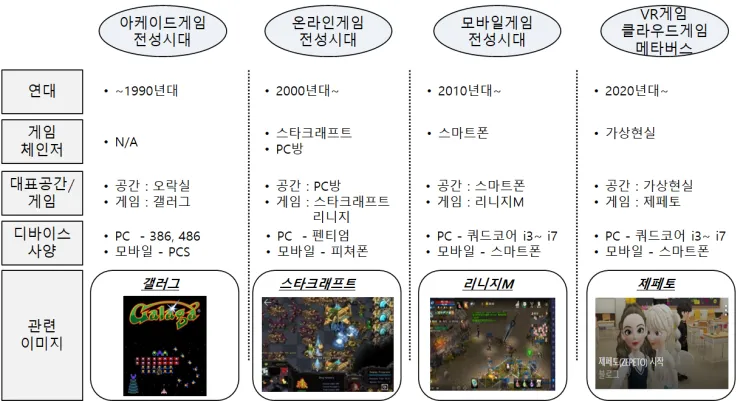
Why do we turn back to old games with pixelated graphics, leaving behind high-spec games that are constantly updated? This phenomenon, appearing primarily among the 2040 generation in 2026, carries significance beyond simple nostalgia.
While the smooth touchscreens of smartphones are convenient, they lack the tactile stimulation at the fingertips. In contrast, the tactile sensation (son-mat) provided by the heavy buttons and joysticks of arcade machines is a unique realm that modern technology struggles to imitate. It is similar to how the crackling sound of an LP record conveys deeper emotion than streaming music.
Furthermore, for those exhausted by the anonymity of online games, the arcade becomes a space for 'real communication.' The joy of spectating—seeing the real-time expressions and reactions of a friend laughing and chatting next to you, rather than just a character behind a screen—is a gift that only offline spaces can provide. This is exactly why modern, stylish retro gaming spaces, often called 'Bbyong-Bbyong Arcades,' are gaining popularity: it is due to this vivid physical interaction.
02. The Pride of K-Arcade: Connecting Past and Future
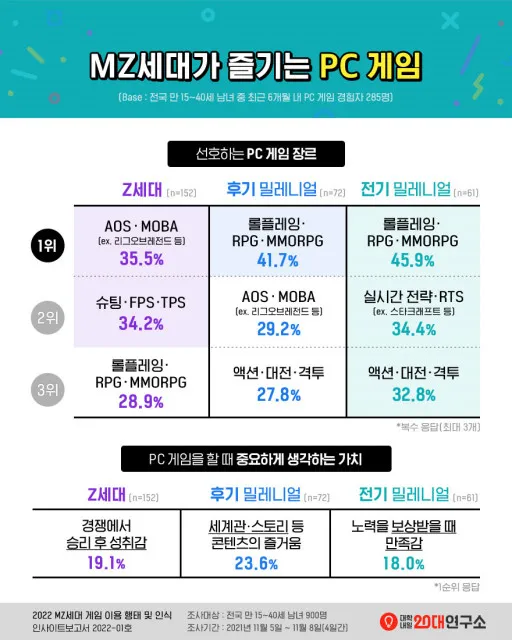
In this trend, looking into the roots of the Korean arcade game industry is a very interesting endeavor. In fact, Korea's arcade history is deeper and more intense than one might think. Mega Enterprise, established in 1998, proved the potential of Korean games by gaining attention in the Japanese market with its work 'Ttolbi' in a market then monopolized by Japan and the US.
In particular, their technical legacy led to achievements such as the global masterpiece Metal Slug 4, etching the creativity and technical prowess of Korean arcade games into the minds of the world. As of 2026, this past spirit of challenge is evolving beyond simply restoring old games into forms that combine with the latest technology.
Indeed, the recent news of the Nintendo Switch release of 'Tumblepop: Memories' by Daewon Media Game Lab clearly demonstrates this trend. While maintaining the essence of the original—its cute 1991 visuals and cooperative gameplay—it attempted a 'reinterpretation' that bridges generations by adding a modern sensibility. This is a perfect example of how past legacies continue to live on through modern platforms.
03. Overcoming Regulatory Walls to Leap Toward 'Family-Oriented Culture'

However, there is still a mountain to climb in front of this brilliant cultural flow: the realistic barrier of 'regulation.' As observed at PlayX4 2026 in May 2026, the domestic arcade industry is still fighting against the outdated negative perception of being 'gambling-oriented.'
The Arcade Game Industry Association is raising its voice strongly to break this perception. They point out that although score-reward games (where rewards are given based on skill rather than luck) and experience-based content using motion sensors are already on the market, legal regulations are failing to keep pace.
The association's direction is clear: to redefine arcade games not as 'gambling,' but as a 'family leisure culture' enjoyed by all generations. If the scope of prizes is modernized, similar to the case in Japan, and if spaces for teenagers and adults are systematically separated, arcade game centers can be reborn as community hubs for local neighborhoods and cultural spaces for families.
04. A Massive Flow Toward an $8.6 Billion Market
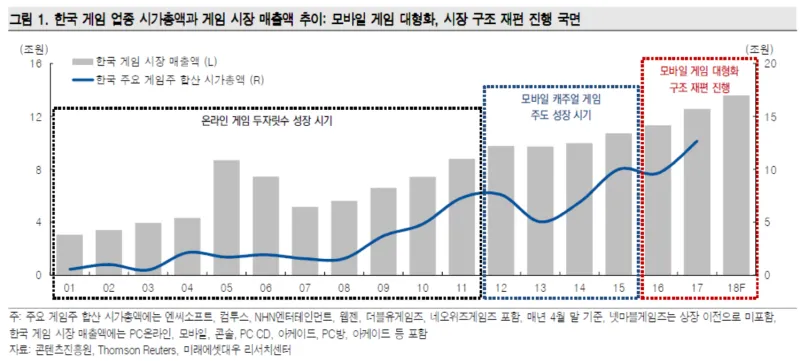
The reason we must pay attention to this change is not just for sentimental reasons. From an economic perspective, the gaming industry holds immense potential. The Korean gaming market, which was approximately 8.652 billion** by 2033, recording a Compound Annual Growth Rate (CAGR) of 7.22% every year.
This growth will expand beyond mobile and cloud gaming into new platforms such as VR (Virtual Reality) and AR (Augmented Reality). Arcade games, too, will not remain mere old-fashioned machines but will serve as a pillar of this massive market as entertainment devices concentrated with advanced technology.
Ultimately, the modern gaming experience—a combination of the retro craze stimulating 90s nostalgia and cutting-edge technology—will become the key driver propelling this massive market growth.
In Summary: Waiting for the 'Play' of a New Era

Today, we examined why the arcade game and retro craze is blowing again in 2026.
- The Value of Physical Experience: 'Tactile sensation' and 'offline communication' that alleviate digital fatigue have established themselves as new trends.
- Connection Between Generations: Through remakes and reinterpretations, 90s masterpieces are being resurrected on modern platforms (such as the Nintendo Switch).
- Cultural Leap: Industrial efforts are ongoing to move beyond gambling regulations and toward a family-oriented leisure culture.
This is not a simple regression to the past; a new gaming culture is being born at the intersection of technology and emotion. Have you ever felt like putting down your smartphone and longing for those thrilling days of competing with friends while pressing clunky buttons?
What is the nostalgic game you miss the most? Please share your 'life game' in the comments!
References
- 한국 아케이드 게임의 자존심과 메탈슬러그 4의 주역 메가 ... · blog.naver.com
- 동네 오락실에서 VR·AR 게임까지...산업을 넘어 문화가 되다 - 자유일보 · jayupress.com
- 아케이드게임산업협회 "규제 딛고 가족 여가형 문화로 도약" · blog.naver.com
- 대원미디어 게임랩, '텀블팝: 메모리즈' 닌텐도 스위치 발매 확정 - 인벤 · inven.co.kr
- [인터뷰] "K-아케이드 게임, 함께 즐기는 가족형 여가 문화로 자리잡아야" · inven.co.kr
- [트렌드+] '뿅뿅 오락실'이 돌아왔다 - 조선일보 · chosun.com
- 한국 게임 시장 규모, 성장 및 전망 2033 · imarcgroup.com