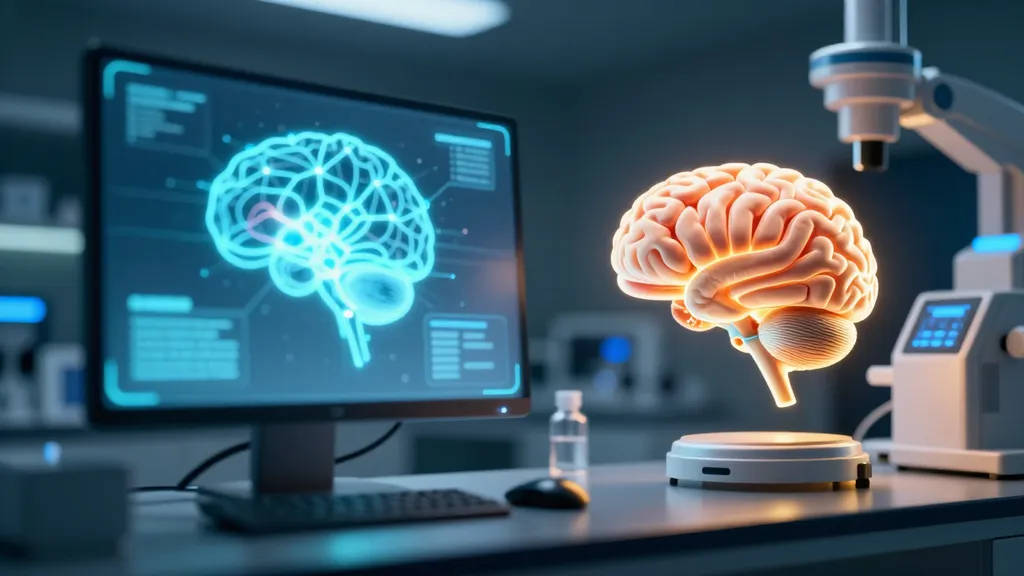
As of 2026, the medical paradigm has completely shifted from simply "curing diseases" to "precisely reprogramming the brain and genes." Depression is no longer classified as a vague mental ailment but as a biological disorder based on brain circuit types, and aging is being treated not as an inevitable fate, but as a "correctable system error." While Artificial Intelligence (AI) processes data, neuroscience and personalized medicine have now become practical tools for fundamentally redesigning human life.
From Symptom-Based to 'BioType': A Grand Transformation in Psychiatry
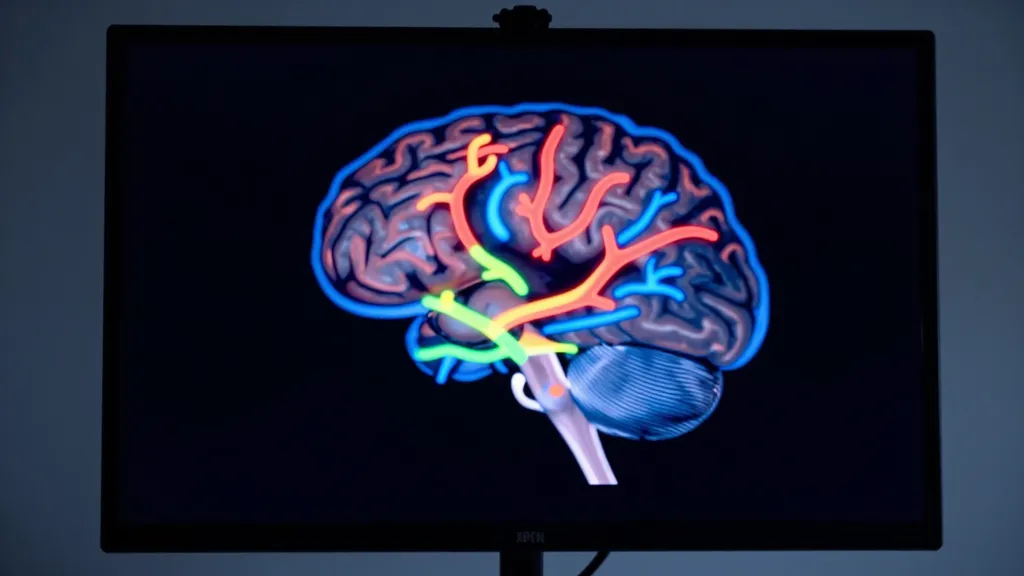
Only a few years ago, psychiatric treatment often relied on the subjective moods or checklists reported by patients. The question "How are you feeling?" was the core of diagnosis. However, psychiatry in 2026 is completely different. We are now in the era of precision clinical medicine, where we confirm how a patient's brain circuits function through data provided by MRI and EEG.
According to research from Stanford Medicine, depression is largely divided into six BioTypes based on the state of brain circuits. Just as we determine which blood to receive based on our blood type, we now determine treatments based on the biological type of the brain.
For example, for patients with the Attention Deficit Type, whose frontal lobe cognitive control circuits are paralyzed, medication is far more effective than counseling therapy. Conversely, when the "Default Mode Network"—which activates when doing nothing—is overheating, cognitive behavioral therapy may be the correct answer rather than medication. Even if two people receive the same "depression" diagnosis, without first mapping their brain, they risk receiving an inappropriate prescription.
The speed of treatment has also become astonishingly fast. While conventional antidepressants required waiting several weeks to take effect, recent methods use ketamine to regenerate synapses in just a few hours. In particular, the SAINT TMS technology developed at Stanford has shown miraculous results, stimulating the brain with powerful magnetic fields in just five days and achieving recovery in 79% of patients who had not responded to conventional treatments.
Cloning Brains and Regulating Genes: Science Challenging the Domain of God
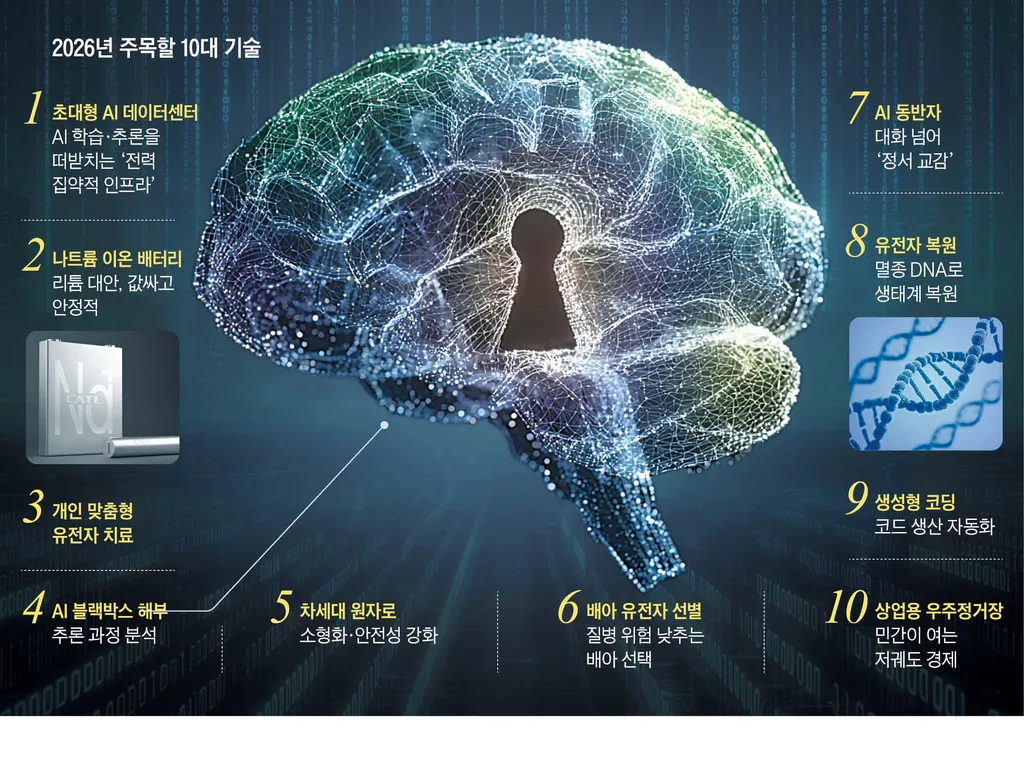
Scientific progress has not stopped at merely classifying diseases; it has reached a level where brains can be digitally cloned or genes can be turned on and off at desired times. In March 2026, the successful digital cloning of a fruit fly brain by researchers at Eon Systems was an event that signaled the beginning of this era.
This is not simply AI mimicking brain movements. By digitizing approximately 125,000 neurons and 50 million synapses and connecting them to a virtual body, a complete sensorimotor loop was implemented, where the brain feels sensations and moves the body accordingly. This is a groundbreaking event that pulls the possibility of "digital emulation"—transferring the human brain to the digital world—into the realm of reality.
At the same time, gene-handling technology has become more precise. The SCON technology developed by Director Koo Bon-kyung's team at the Institute for Basic Science (IBS) allows specific genes to be selectively activated or blocked at a certain point, much like flipping a switch. This technology is being widely applied to everything from fish and pigs to monkeys and human organoids (mini-organs). It has become possible to capture the movement of genes at the exact moment a specific disease occurs.
However, where there is bright light, there are deep shadows. The recently surging research into human brain organoids poses heavy ethical questions to us: "If a mass of brain cells can feel pain or possess consciousness like a human, how should we treat these cells?" Current legal systems remain in a regulatory blind spot, unable to decide whether to view this technology as "human-derived material" or as "new living beings." Balancing scientific innovation with human dignity is the hottest issue in the scientific community in 2026.
Is Aging a Disease or Fate: The Dawn of the 'Anti-Aging' Era

2026 is the inaugural year in which aging has officially begun to be recognized as a treatable disease for the first time in human history. In the past, aging was seen as a natural process of the body wearing down, but scientists now define it as a "programming error in the cellular system."
Last January, Life Biosciences began clinical trials for 'ER-100', an epigenetic reprogramming therapeutic designed to reverse the aging process. This is the first case of humanity attempting a direct 'reversal' against the massive flow of aging. Reflecting this trend, a staggering $3.74 billion (approximately 5.5 trillion KRW) was invested in the anti-aging biotech sector in the first quarter of 2026 alone.
An interesting point is that GLP-1 agonists, commonly known as diet drugs, have emerged as a key to both anti-aging and addiction treatment. These drugs act on the brain's reward center to inhibit sudden spikes in dopamine, which is causing a global craze by reducing alcohol addiction relapse rates by 50% while simultaneously showing anti-aging effects.
So, what should we do until these amazing technologies are commercialized? Waiting blindly for new drugs while watching FDA clinical approvals is not a wise strategy. Experts emphasize that until a technical breakthrough is achieved, the most certain "anti-aging strategy" we can implement right now lies in surprisingly basic things:
- Regular exercise to aid cellular metabolism: A proper balance of aerobic and resistance exercise increases cellular regenerative power.
- An anti-inflammatory focused diet: Avoiding processed foods and consuming natural foods slows down cellular aging.
- Securing cell repair time: 7–8 hours of high-quality sleep per day is the core time during which the brain and body remove waste and repair themselves.
Ultimately, no matter how powerful future advanced medical technologies may be, their effects will inevitably be halved if they are not supported by basic total score management of our bodies.
A New Era, New Questions
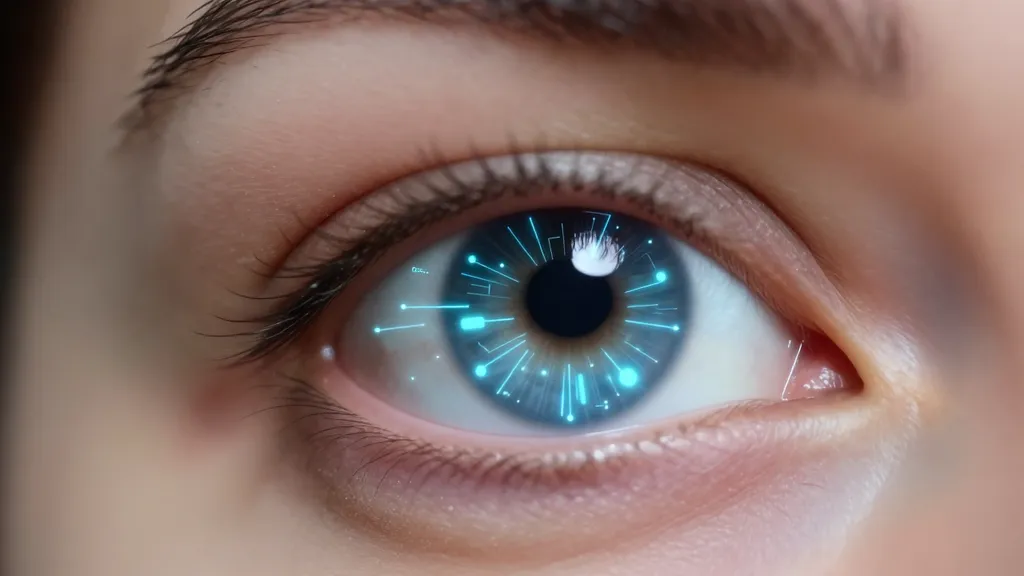
The science of 2026 presents us with unprecedented possibilities. Mapping the brain to treat depression with customization, regulating gene switches, and attempting to turn back the clock of aging have moved from the realm of imagination into reality.
Psychiatry is being reorganized based on biological data, and neuroscience is breaking the boundaries between the digital and physical worlds. However, as technology becomes more sophisticated, we will face philosophical questions such as, "How much of us is human?" or "Is a life without disease truly a happy life?"
Can advanced technology lead us to eternal youth and mental tranquility? Or will we fall into new forms of addiction and ethical confusion amidst the convenience provided by technology?
Among these amazing changes being created by science, which part do you look forward to the most, or which part do you find most daunting?
References
- [증상중심진단X정밀임상O] “2026 정신의학, 완전히 뒤집혔다”..DSM은 ... · youtube.com
- 인간 뇌 오가노이드 연구의 윤리적·법적 쟁점* · oak.go.kr
- '늙지 않는 약 만든다' 올해가 표적 첫해…美선 이미 첫 환자 투약 개시 ... · v.daum.net
- FDA '역노화 연구' 임상 1상 승인… 지금 당장 당신이 할 일 - 조선일보 · chosun.com
- 초파리의 뇌 전체를 디지털로 복제해 가상 몸에 연결하자, 놀라운 일이 ... · instagram.com
- 유전자 기능, 원하는 순간에만 켜고 끈다 물고기부터 인간 줄기세포 ... · instagram.com
- 공포 기억, 지우지 못하는 뇌의 비밀 IBS 김은준 단장 연구팀이 자폐 ... · instagram.com
- 첨단뇌과학 | 생명공학 ( 바이오 ) 정책·정보 포털 · bioin.or.kr