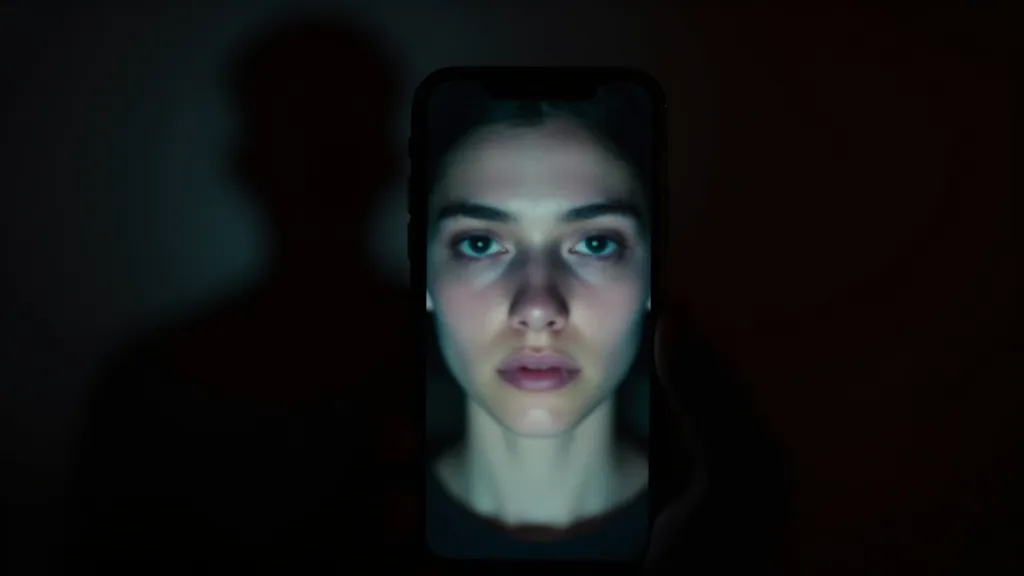
"Mom, I got into an accident. I'm so scared..."
The voice of your daughter you just heard is undoubtedly hers. The sobbing tone, even the specific sentence endings she usually uses, are all identical. However, the owner of this voice is not your daughter, but a digital ghost created by stealing your voice and face.
In 2026, the horror we face is not a story from a movie. AI inside our smartphones and home cams illuminating every corner of our houses are penetrating our most private spaces and deepest trust. Today, I want to talk about the new shadow cast by technological progress, the "digital ghost" phenomenon, and how to protect our families from it.
1. An Era Where Even Voices Cannot Be Trusted: The Raid of AI Deepvoice

If old-fashioned voice phishing deceived us with clumsy acting, today's crimes aim for our "hearts." Criminals in 2026 no longer call from unknown numbers and perform amateurish roles. With just a single 30-second video uploaded to your SNS, they can perfectly replicate your voice, intonation, and even your unique laughter.
Their methods are highly systematic. First, they collect target voice and facial data through SNS. Next, they create a voice using deepvoice technology and overlay a face using deepfake. Finally, they disguise themselves as a family member's number to stage an "emergency," paralyzing your judgment.
Experts often explain this using the "BLIND theory." It is a process of psychological exploitation: casting a Bait, causing a Loss of judgment, ensuring Isolation from surroundings, providing No time to think, and forcing you to Do it wrong. It has evolved beyond simply stealing money into a cruel crime that hacks trust itself between family members.
In fact, since the start of 2026, the damages caused by such sophisticated AI scams have reached astronomical figures. As technology advances, the threshold for crime lowers, and the damages fall squarely on the shoulders of ordinary people like us.
2. The Eye Peering Into Our Homes: Home Cam Hacking and the End of Privacy
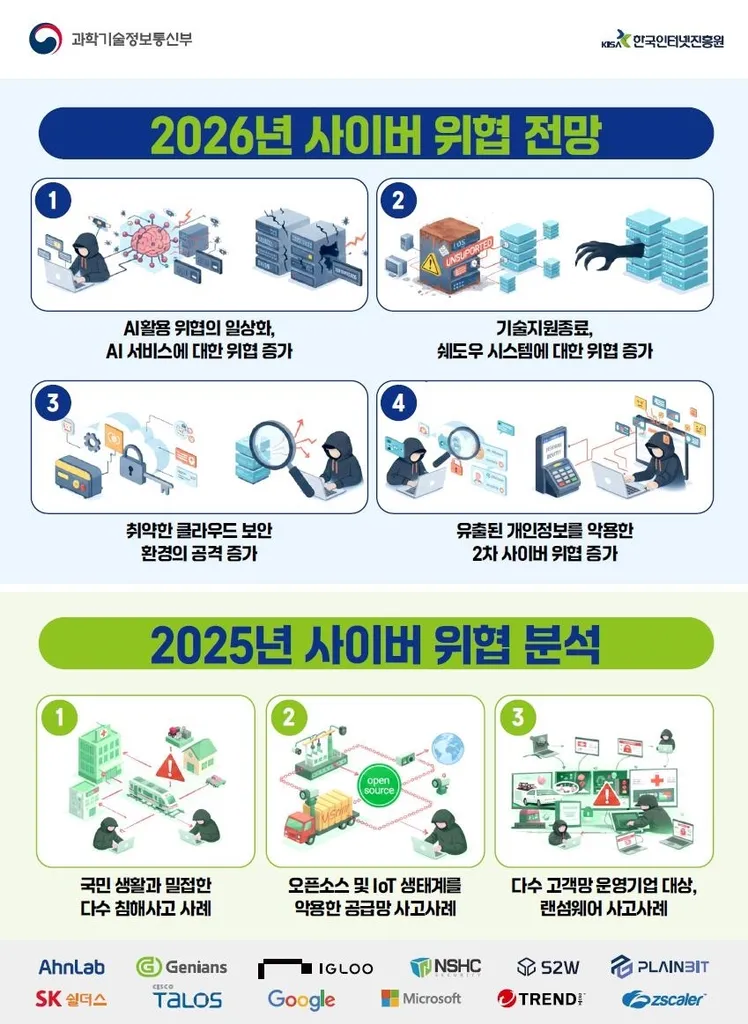
What if the helpful home cam that protected your children and pets at home suddenly turns into a "digital spy" watching you? A recent large-scale home cam hacking incident sent a massive shock through our society. An incident occurred where approximately 120,000 IP cameras were hacked, and private videos were illegally distributed.
While IP cameras are convenient tools for transmitting video over the internet, they become delicious prey for hackers if security is weak. Many users make the mistake of using the default passwords (e.g., admin, 1234) set by the manufacturer when installing the product. To hackers, this is no different from handing them the keys to your front door.
The scarier part is that these videos do not end with mere personal privacy invasion. Stolen videos are combined with deepfake technology to be reprocessed into sexual exploitation material or used as provocative content by "cyber wreckers." As of 2026, due to the combination of technologies, the scale of secondary damage is growing uncontrollably.
Fortunately, the government and investigative agencies are also taking action. From July 2026, the "Cyber Wrecker Prevention Act" will be fully implemented, applying strong punitive damages for malicious information distribution. However, without technical defenses and individual security awareness, laws alone will be insufficient to stop these ghosts.
3. Five Shields to Protect Yourself from 'Digital Ghosts'
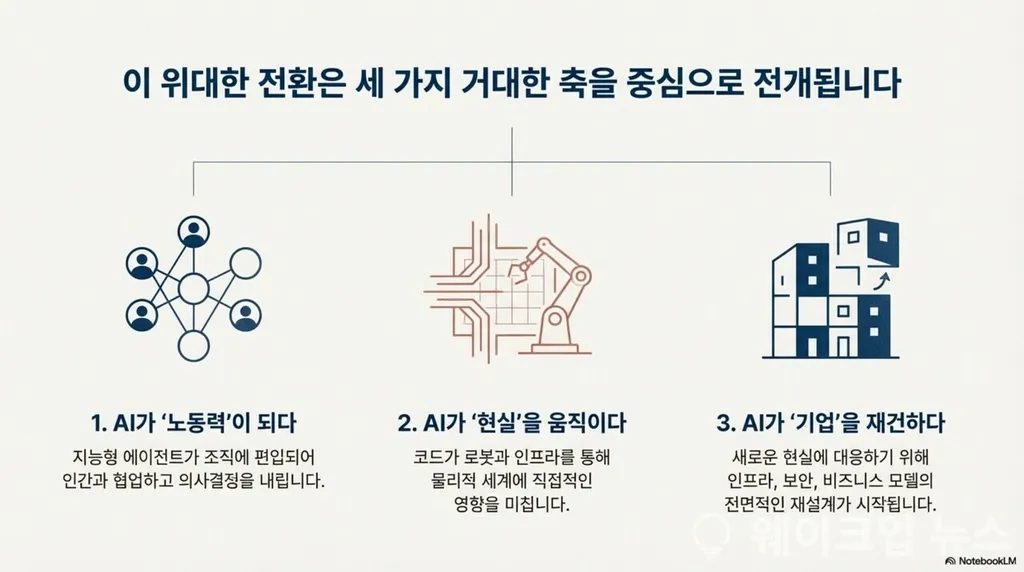
So, must we just stand by helplessly in the face of these sophisticated digital crimes? Absolutely not. Suspicion is no longer a choice, but a survival strategy. Here is a summary of the action guidelines you should practice immediately to protect your family's precious daily life.
First, even if you hear the voice, verify with your 'eyes'
If you receive an urgent call requesting money from a family member, stop first. No matter how much the caller sobs and pressures you, you must attempt a video call to verify their face directly. If a video call is impossible, it is essential to hang up and call back the number you originally knew to verify. Keep in mind that the phrase "right now" is the most common tactic used by criminals to paralyze your reasoning.
Second, manage your SNS 'digital footprint'
The more videos containing your voice and face are indiscriminately exposed on SNS, the more sophisticated cloning materials you are providing to criminals. For posts that include children's videos or personal voice data, you need to set the visibility range or make efforts to minimize exposure.
Third, do not trust the 'default settings' of your home cam
The first thing you should do after installing a home cam is to strongly change the administrator password. Also, you must regularly check and update security patches (firmware updates) provided by the manufacturer. Physically covering the camera lens or cutting off the power when not in use is also a very effective method.
Fourth, 2-Step Verification is a necessity, not an option
Set up Two-Factor Authentication (2FA) for all major accounts (SNS, email, cloud, etc.). Even if one password is breached, it acts as the strongest lock that secures the door to your account one more time.
Fifth, do not miss the 'Golden Time' when damage occurs
If you become a victim of hacking or deepfake crime, you must secure evidence immediately. Capture the entire screen and save the URL addresses. Afterwards, you must immediately report to the National Digital Sex Crime Victim Support Center (1366) or the Korea Communications Standards Commission (1377) to request video deletion. Responding within the initial 24 hours is the decisive key to preventing the spread of damage.
Conclusion: An Era of Technology, a Time to Re-study 'Trust'
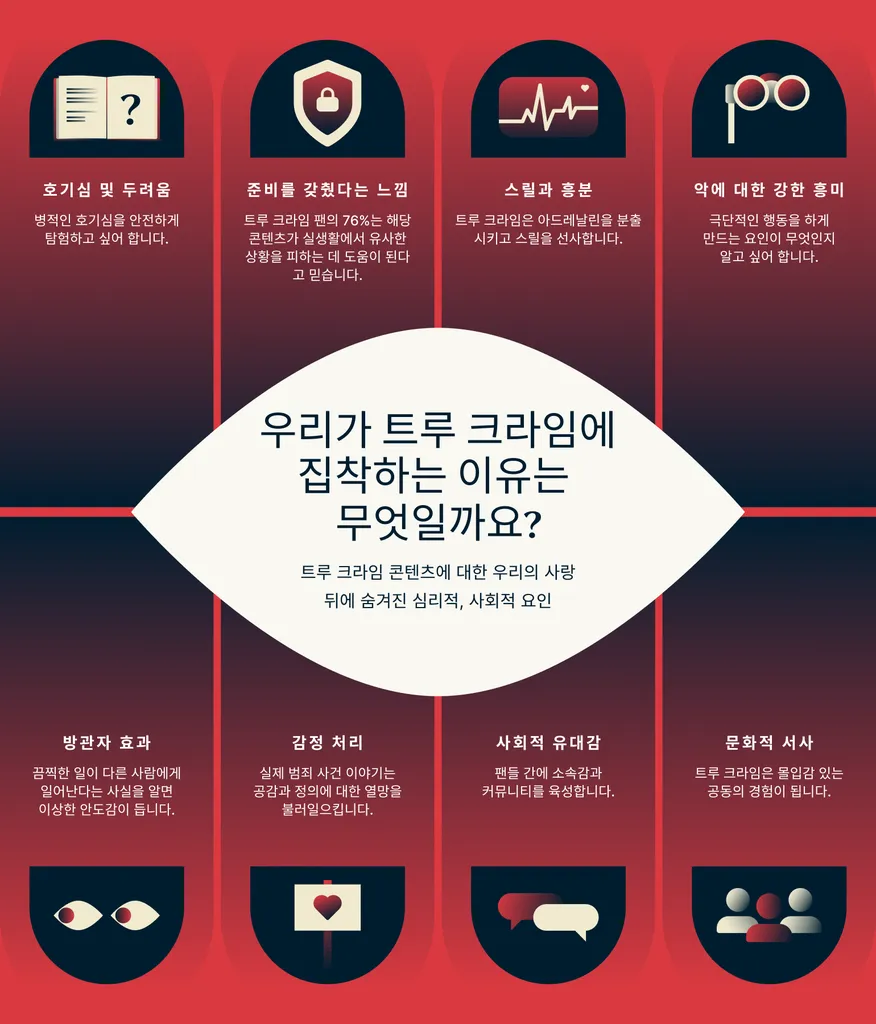
So far, we have looked at the new form of horror created by AI and home cams: the "digital ghost." While technology has made our lives exponentially more convenient, a sharp blade aiming for our trust and privacy is hidden behind it.
Ultimately, the core lies not in the technology itself, but in the "vigilance" with which we approach technology. When we gather the prudence to verify even when it is the voice of a loved one, and the meticulousness to check our own home security, only then will the digital ghosts leave our side.
In an era where technology deceives humans, what shield have you prepared today?
What are your thoughts? If you have experienced something similar or have concerns, please share them in the comments.
References
- AI 딥보이스 보이스피싱 사기, 피해사례부터 대응법까지 한눈에 정리 · lawwin.co.kr
- 가족애까지 해킹…AI 보이스피싱이 '신뢰의 위기' 불렀다 - 중앙일보 · joongang.co.kr
- '홈캠 해킹'으로부터 사생활을 지키는 방법! - 정책뉴스 · korea.kr
- 사이버 사생활 침해 사례, 홈캠 및 딥페이크 대응과 삭제법 (2026) - 보토 · botoai.co
- '홈캠 해킹'에 떠는 사람들…정부 “통신사 책임 강화·헬스장 카메라엔 ... · khan.co.kr
- '홈캠' IP 카메라 12만대 해킹·불법 촬영, 수사 상황과 피해 예방 방법은? · newneek.co
- IP 홈캠 해킹, 즉각 대응 필요..피해자 단체소송도 검토해야 - 로이슈 · lawissue.co.kr