"This is exactly the same as what humans eat, right?"
For anyone raising a dog, this is a question they have likely asked themselves or a seller at least once while choosing kibble at a supermarket or online mall. As of 2026, the landscape of the pet market we are facing is completely different from the past. The era of simply "food to fill the belly" has ended.
Looking at the recent market, products labeled "Human Grade" have increased significantly. In fact, statistics show that the sales of these premium products have surged by 40% compared to last year, illustrating just how intense this trend is. Now, a dog's diet—the dog diet—has become so high-end that the boundary between it and human diets is blurring.
But does a part of your heart feel inexplicably uneasy? The belief that "if it's made with ingredients humans eat, it must be safe" might actually be the biggest trap threatening our furry friends' health.
Why are we so enthusiastic about the term 'Human Grade'?
We need to look into the underlying reasons why we have become so obsessed with premium human-grade food. The biggest reason is the Pet Well-being consumption trend, where pets are perceived not merely as animals, but as "family members" who share emotions with us.
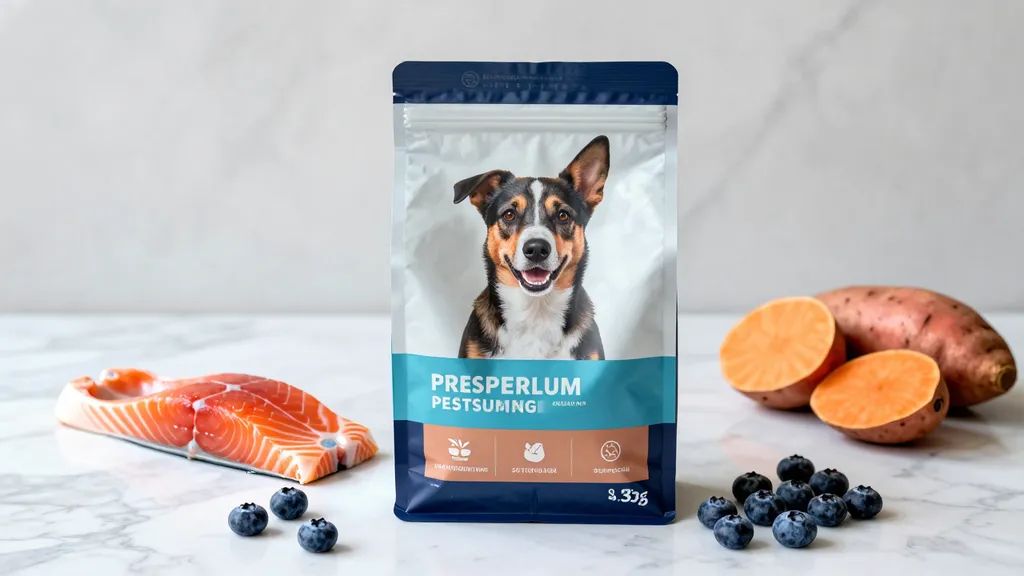
While brown kibble pellets were once the norm, people now prefer fresh food or natural diets where fresh meat is clearly visible. We feel a sense of relief seeing products free of preservatives or artificial colors, or those using whole pieces of chicken or beef. The pure desire to "give my child only the cleanest and best things" has shifted the market trend.
However, we often fall into a very important psychological error here: the formula that "human ingredients = perfect nutrition for pets." Let's uncover why this formula is dangerous and why we must face the truth hidden behind these flashy marketing terms.
Three Dangerous Truths Hidden Behind Flashy Labels

The reason experts show caution toward the sweet temptation of 'Human Grade' is clear. Even if the appearance seems perfect, dogs and humans are biologically completely different beings.
1. Nutritional Imbalance: The difference between 'what can be eaten' and 'what is needed'
This is the most critical issue. Just because an ingredient is safe for humans to eat does not mean it possesses the nutritional balance required by dogs.
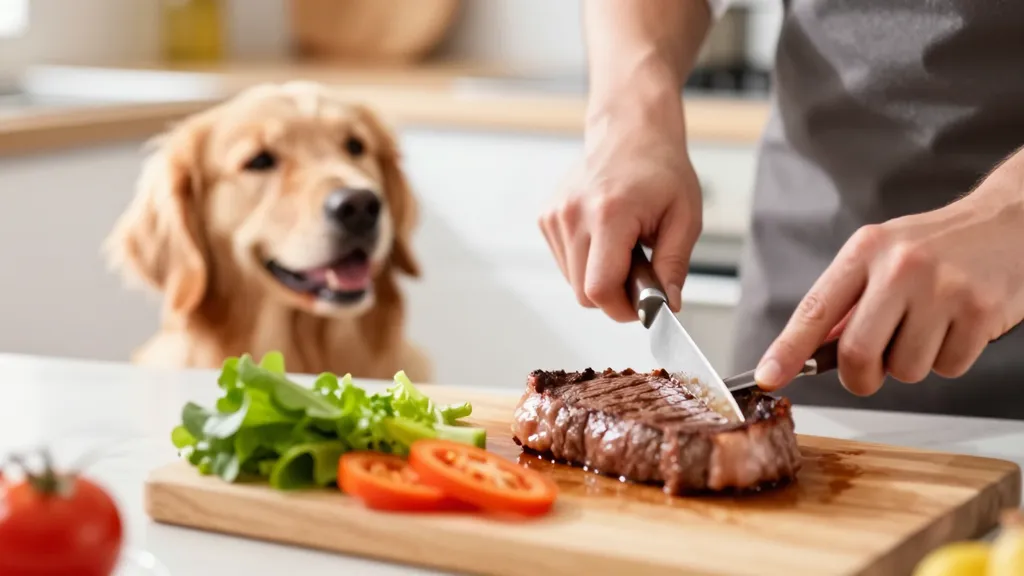
For example, we feel happy eating a fresh steak, but for a dog, meat alone is insufficient. To maintain a dog's survival and health, a precise ratio of taurine, calcium, and phosphorus is essential. If we focus too much on emphasizing 'human grade' and miss this balance of micronutrients, dogs might appear to be eating well on the outside, but they could suffer long-term health issues such as skeletal problems or heart disease. The core of a dog diet should be 'scientific design,' not just 'delicious ingredients.'
2. The Dilemma of Hygiene and Storage: The double-edged sword of preservative-free diets
Premium products generally do not use artificial preservatives. While this is excellent from an eco-friendly perspective, it can be a disaster in terms of management.
Fresh food without preservatives has a very short shelf life. What happens if we cook it ourselves at home or are even slightly negligent with refrigeration? Bacteria multiply at room temperature much faster than we think. You must remember that a single meal left unattended because you thought "it's fine since it uses good ingredients" can cause fatal food poisoning in your pet.
3. Marketing Traps and Regulatory Loopholes
The pet market in 2026 is more overheated than ever. Some brands use the term 'human grade' to exaggerate their products as if they possess medical benefits.
The problem is that current pet food regulations are not as strict as those for human food. Verifications such as the traceability of ingredients or the presence of heavy metals during the manufacturing process are not as rigorous as they are for human food. In other words, the 'Human Grade' label on a package is often closer to a brand's "expression of confidence" rather than an officially certified authentication.
A 3-Step Guide for Choosing a Premium Diet Without Failure

So, what should we do? Should we go back to cheap kibble blindly? No. A wise guardian should choose based on "scientific verification" rather than "luxury." Follow this 3-step process.
Step 1: Check the 'Real' Protagonist of the Ingredient List
Don't be fooled by the flashy photos of meat on the front of the package. You must read the ingredient list on the back. The first thing to check is the name of the main ingredient. Instead of vague terms like 'processed meat' or 'meat meal,' check if specific meat names and contents are listed, such as '50% Chicken Breast' or '30% Salmon.' Additionally, it is crucial to check if artificial sweeteners or colors have been excluded and whether the ratio of calcium to phosphorus is designed appropriately for the dog's life stage (puppy, adult, senior).
Step 2: Examine the Transparency of the Manufacturing Process
Beyond just having good ingredients, it is important to know in what environment those ingredients were processed. Recently, trusted brands transparently disclose the source of their raw materials and even present their own clinical data. If possible, it is good to see if they have been certified for nutritional safety by a third-party organization and if their manufacturing facilities meet the hygiene standards of human food production facilities. This is the process of verifying whether the prestige of premium human-grade food translates into actual quality.
Step 3: 'Data Recording' to Observe Your Pet's Reaction
No matter how good the food is, it is poison if it doesn't suit your pet. If you introduce a new diet, you must observe your pet's condition closely for at least two weeks. Record the state of their stool, skin itchiness, energy levels, and digestive ability. A premium diet should not simply be about giving 'expensive food,' but a process of finding a 'customized diet' optimized for your pet's genetic characteristics and metabolic abilities.
Conclusion: True Premium Comes from 'Safety,' Not the 'Label'

So far, we have looked at the reality and the hidden side of the hot 2026 trend: premium human-grade food.
In summary, while the dog's diet becoming similar to the human diet is a positive sign in terms of pet welfare, there are hidden traps such as nutritional imbalance, hygiene issues, and marketing exaggerations. Rather than relying on the psychological comfort provided by the term 'human grade,' we must engage in information-based consumption by verifying scientifically verified nutritional design and transparent manufacturing processes.
Ultimately, true 'premium' does not depend on how expensive the ingredients are, but on how safely and balanced the nutrition is provided to match our pet's life cycle and constitution.
What did your dog eat today? Are you perhaps overlooking your pet's nutritional balance by believing only in the phrase 'good ingredients'?
What do you think? If there was something you struggled with most while choosing food recently, please let us know in the comments!