"Why can't I enjoy the character I raised on mobile even when I log in on PC?" or "Why do game companies constantly encourage us to pay on their own websites instead of going through the App Store?"
If you are a gaming enthusiast, or a marketer or investor who needs to read the trends of the gaming industry, you have likely felt these questions recently. This is because gaming has evolved beyond the realm of mere "play"—controlling characters on a screen—into a massive game ecosystem.
As of 2026, the grammar of gaming as we once knew it has been completely broken. We have moved past the era of simply making fun games; a new battle has begun over how to lock users into our own platforms (Lock-in) and how to ensure a seamless experience across any device. In this article, we will delve into the essence of these changing game consumption patterns.
1. Broken Boundaries: Why Mobile Alone Is Not Enough to Survive
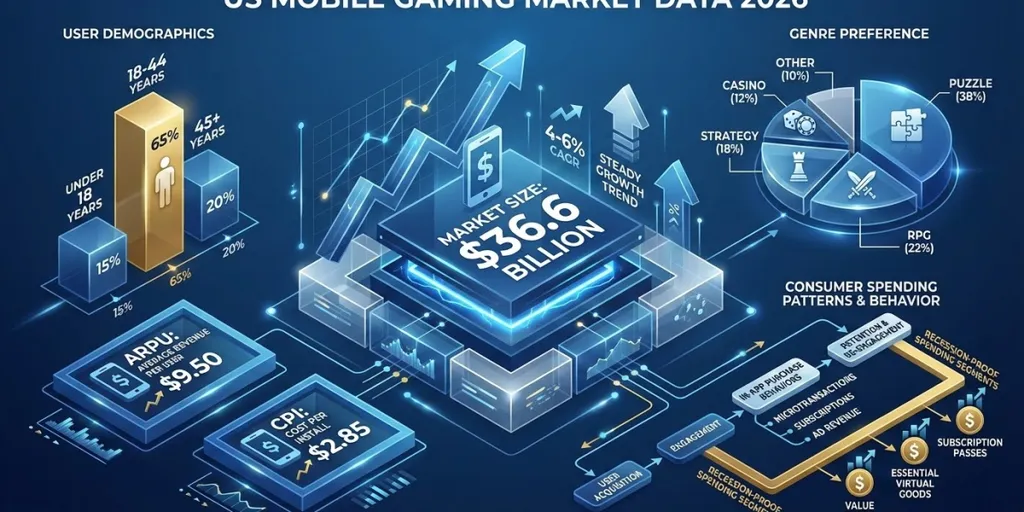
Only a few years ago, "mobile games" and "PC/console games" were clearly distinct domains. However, in 2026, those boundaries have completely collapsed. Why did this phenomenon occur?
The biggest reason lies in the limitations of new user acquisition. According to statistics, global mobile game downloads have already entered a plateau. While the cost of acquiring a new user (CPI) is skyrocketing, restricting play only to the mobile screen is no different from setting a limit on one's own growth.
Therefore, modern blockbuster games set cross-platform as a default from the launch stage.
- They attract users with the overwhelming accessibility of mobile, and
- Maximize profitability with the powerful immersion of PC and consoles.
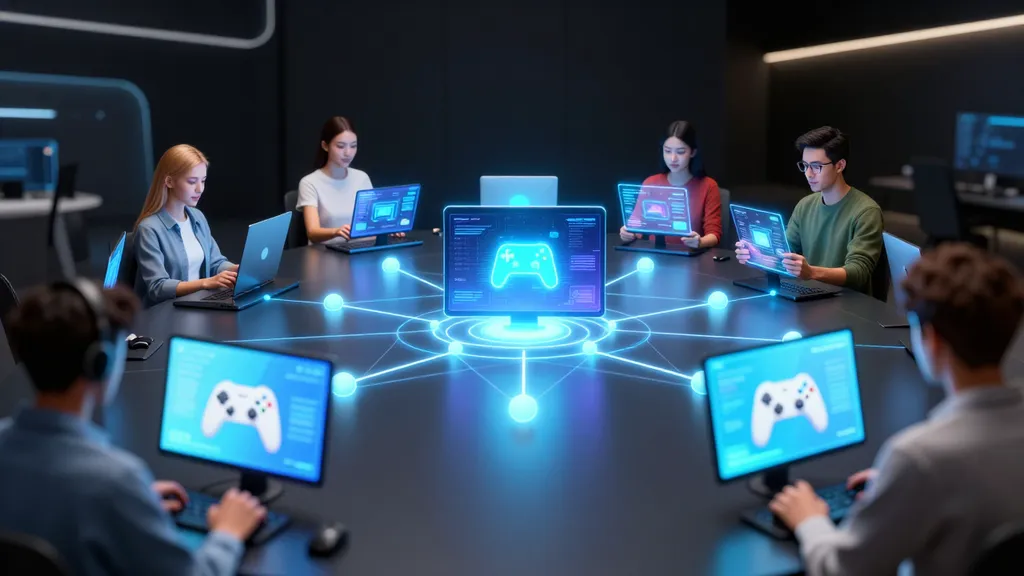
This is the "hybrid strategy." Now, a user performs quests on a smartphone during their subway commute, then sits in front of a large monitor at home to enjoy high-spec combat using the same account and assets. We live in an era where "connectivity," which breaks the walls of platforms, has become a company's core competitiveness.
2. The Commission War and Escaping the App Market: How Game Companies Meet Customers Directly
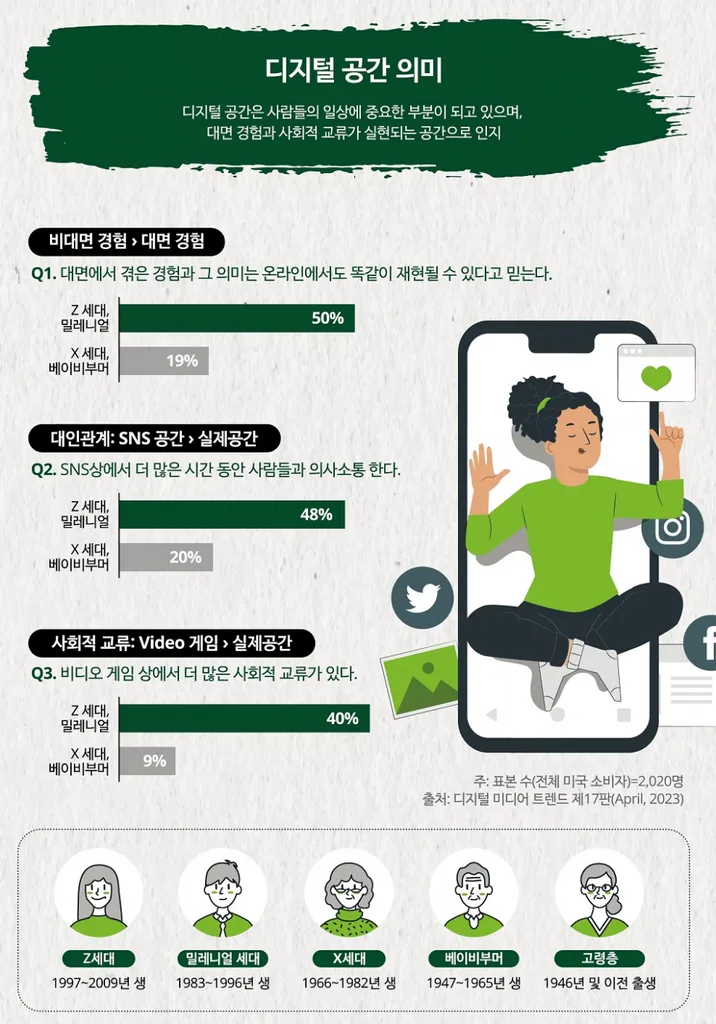
Another massive movement in the gaming industry is the D2C (Direct to Consumer) strategy. Have you ever seen an announcement from a game company saying that if you pay on their official website, you'll get items cheaper or receive more bonus currency? This is the conclusion and the core of the matter.
Previously, app markets like Google or Apple took about 30% of revenue as commission. From a game company's perspective, this was a heartbreaking structure. However, due to recent regulatory changes in platforms and technological advancements, paths have opened for game companies to build their own payment channels.
The amazing effects of the D2C strategy are as follows:
- Maximizing Profitability: Instead of paying a 30% app market commission, companies can lower it to the 3–5% level by using their own web stores or Payment Gateways (PG). This serves as a powerful driver to directly boost a company's operating profit.
- Securing Data Sovereignty: By bypassing the app market, game companies can directly own core data such as user purchase patterns and profiles. To perform sophisticated marketing, one must know exactly "who, when, and what was bought."
- Strengthening Customer Loyalty: The saved commission can be returned to users in the form of discounts or points. It's a win-win: users are happy to buy cheaper, and game companies secure loyal customers.
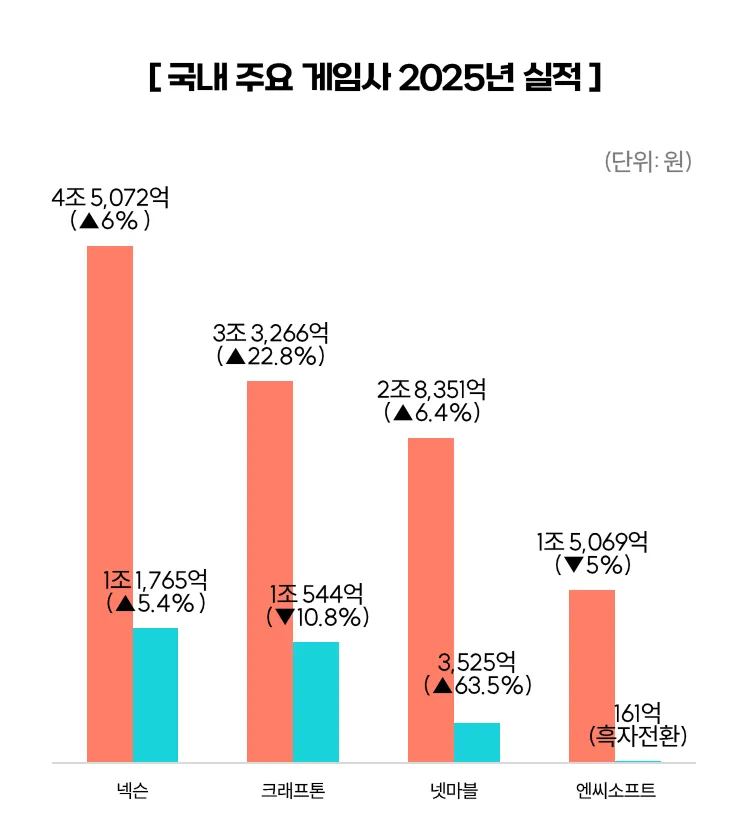
In fact, major domestic companies like NCSOFT and Nexon are already expanding direct payments through their own PC launchers, breaking away from platform dominance to build independent economic ecosystems.
3. AI and Personalization: A Living World Moving Just for Me
Technological progress is also redefining the definition of a game. In the game development field of 2026, Generative AI is not merely an auxiliary tool.
In the past, hundreds of developers had to tackle vast scenarios, complex code, and high-spec graphic tasks; now, AI handles a significant portion of this. This has given indie developers the wings to create "AAA-grade games" and brought the practical benefit of shortened production periods to large studios.
But even more surprising is the change in experience perceived by the player. The recently highlighted "Adaptive Games" use AI to learn the user's playstyle in real-time.
- If a user finds the game too difficult, the AI subtly adjusts the difficulty level.
- If a user shows affection toward a specific character, the AI generates richer stories related to that character.
Games are no longer unilateral content that follows a set path, but have become organic ecosystems that interact and grow together with the player. As technology advances, users feel an immersion characterized by a "world prepared just for me."
4. New Challenges Faced by Marketers and Investors
When the world changes, new challenges inevitably emerge. As cross-platform and D2C become the norm, marketers are hitting a wall called "data fragmentation."
For example, what if a user is acquired through a mobile ad but makes a purchase on a PC website? Using only traditional Mobile Measurement Tools (MMP), it becomes extremely difficult to distinguish whether this user came via the advertisement or simply entered by chance. A gap in data is created.
Therefore, for a successful game business in 2026, the following three elements are essential:
- Integrated Account Systems: A strong ID system is needed to recognize the same user regardless of which device they use.
- Hybrid Data Analysis: One must be able to weave web log data and app data together to read the user's entire Customer Journey.
- Brand Ecosystem Design: Beyond simply launching a game, companies must build a "brand ecosystem" where community, payment, and content consumption are seamlessly linked.
Ultimately, we have entered an era where the "ability to manage every touchpoint where a user resides" is just as decisive for survival as the "ability to make a good game."
Conclusion: A Journey Beyond Play to an Ecosystem
As we have seen, the gaming industry in 2026 stands at a massive turning point where platform boundaries are dissolving, control over payments is shifting to game companies, and AI completes personalized experiences.
A game is no longer just a way to pass the time. It is a single digital society where user assets are stored, connections between platforms occur, and technology and humans communicate in real-time. Only those who read the flow of change and directly capture customers outside of platforms can become the protagonists of this massive ecosystem.
Which part of the changing gaming market do you find most interesting? Or have you had an experience while playing a game where you felt, "I wish this would change"? Let us know your thoughts in the comments!
References
- (한국콘텐츠진흥원) 2026 글로벌 게임산업 트렌드 (1+2월호) · scribd.com
- [콘텐츠 인사이트] 게임 매출, 앱마켓 밖으로…직접 결제가 판 ... · bloter.net
- 📱🎮 글로벌 게임 산업, 지금은 '크로스플랫폼' 시대! 모바일 ... · instagram.com
- 크로스플랫폼 확산…게임사들 '탈 앱마켓' 속도 - IT조선 · it.chosun.com
- 모바일을 넘어선 하이브리드 퍼널: '크로스 플랫폼' 시대의 생존 ... · mobiinside.co.kr