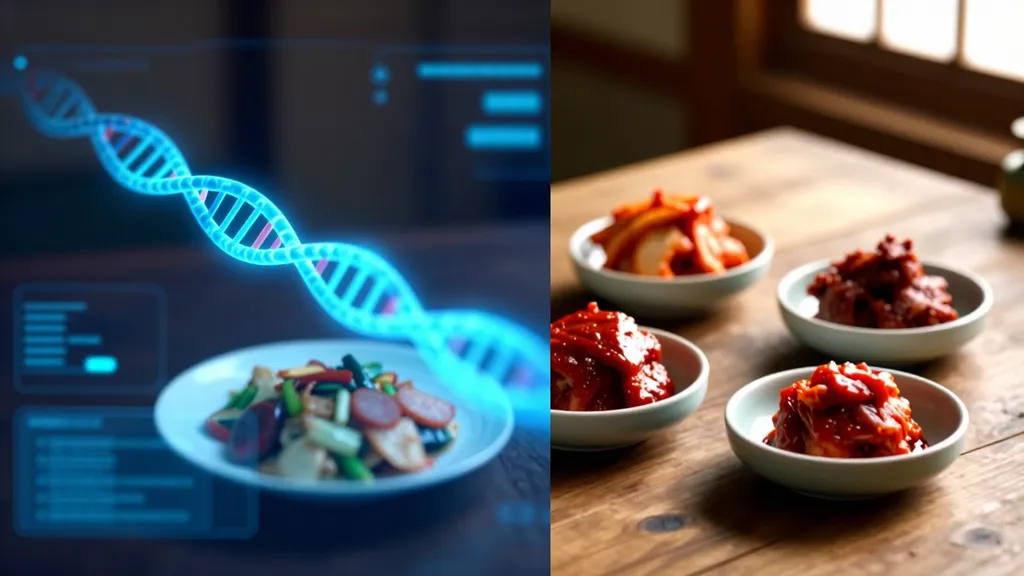
"What should I eat for lunch today to be most perfect for my body?"
To answer this question, we no longer start at the dining table, but rather by turning on the smartphone in our hands. As of 2026, the way we manage our health is undergoing a massive inflection point.
The era of simply wandering around searching for "healthy food" is over. This is because AI nutritional coaching, which analyzes my genetic information and real-time blood glucose data, has emerged, while simultaneously, the scientific efficacy of traditional fermented foods—passed down through thousands of years—is entering a new phase as it is proven by data.
AI-driven personalized management, the pinnacle of advanced technology, and traditional diets containing human wisdom: which one will be the key to protecting our immunity?
The Table Designed by Data: The Era of Agentic AI and Precision Nutrition
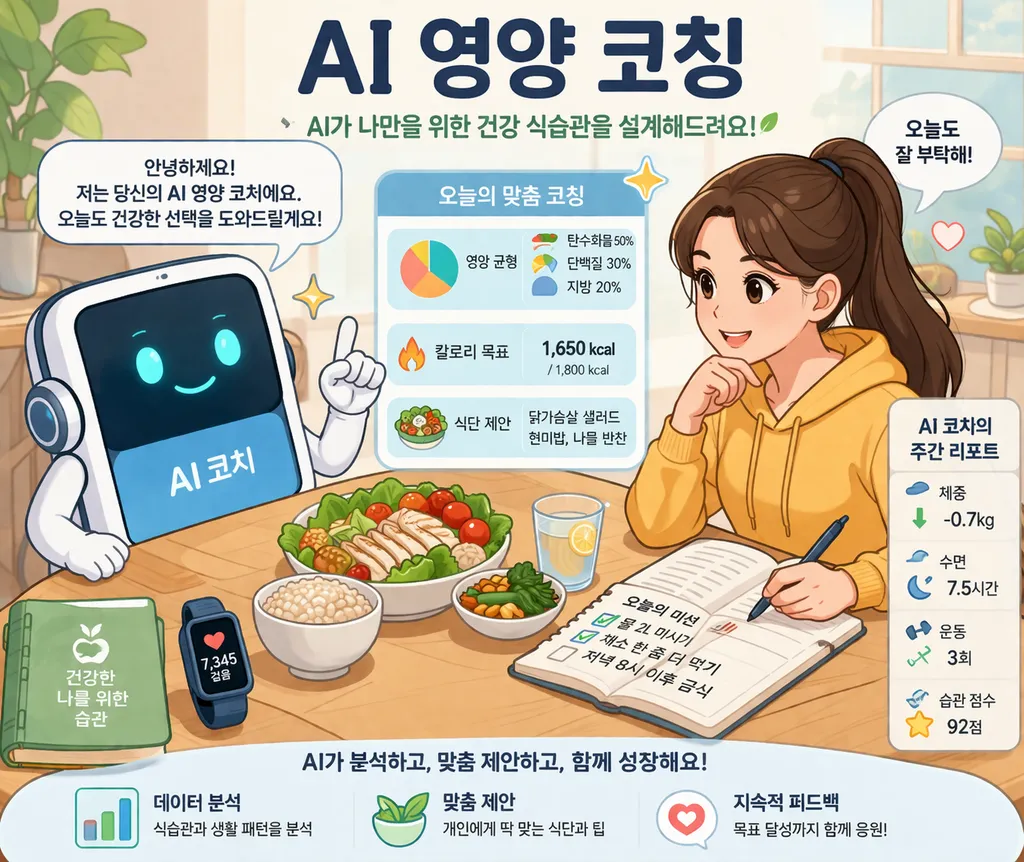
The protagonist of the 2026 healthcare market is undoubtedly "Agentic AI." While past AI was a passive encyclopedia that answered user questions, today's AI has evolved into a "proactive assistant" that knows me better than I know myself.
For example, when we intend to eat Tteokbokki for lunch, an AI linked with a Continuous Glucose Monitor (CGM) sends a real-time warning: "Be careful, eating this food may cause your blood sugar to spike to 180." Moving beyond simple calorie counting, it monitors my biological signals in real-time and corrects my behavior.
In particular, as genetic testing and microbiome (gut microbiota) analysis data combine with AI, the personalized supplement market has experienced explosive growth. According to a 2026 survey, the demand for "a diet that is good only for me" is overwhelming, with 72% of respondents expressing interest in personalized health management rather than a "diet that is good for everyone."
This technology does not stop at simply recommending supplements. Services like Pulmuone's 'Design Meal' or Daesang Wellife's 'DangPro 2.0,' which link a person's ten years of health checkup data and eating habits to provide subscription-based meals and supplements, have become part of daily life. Nutritional management has moved from a matter of "choice" to the realm of data-driven "precision design."
The Scientific Resurrection of Forgotten Wisdom: Traditional Jang and the Gut-Brain Axis
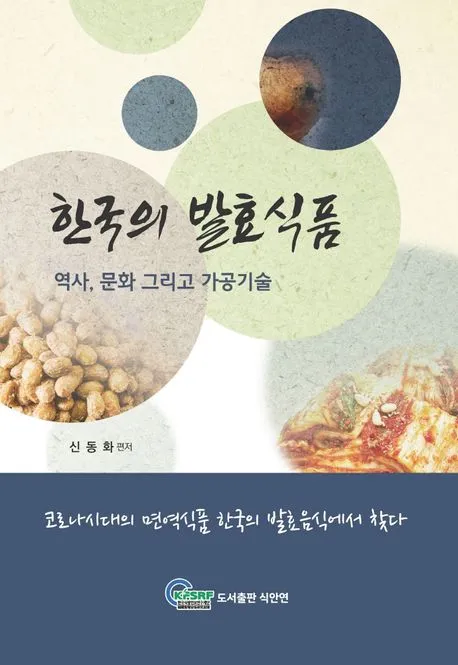
However, while cutting-edge AI technology takes the spotlight, the power of tradition that we had forgotten is being re-illuminated through modern science. This refers to the efficacy of Korean traditional fermented foods such as Ganjang (soy sauce), Doenjang (soybean paste), and Gochujang (red chili paste).
Recent research results prove that traditional fermented pastes are more than just seasonings; they are powerful "medical foods" that regulate our body's immune system. The Bacillus genus bacteria, which are beneficial microbes in traditional fermented pastes, perform anti-inflammatory and antioxidant functions, and it has been revealed that consuming Gochujang, in particular, restores immune function and suppresses inflammation.
The most interesting point is the "Gut-Brain Axis" theory. It has been confirmed that short-chain fatty acids (SCFA) produced by beneficial bacteria in fermented pastes activate the vagus nerve, thereby suppressing neuroinflammation in the brain and improving cognitive function and memory. In other words, the Doenjang-jjigae we eat is not just filling our stomachs, but can be a highly sophisticated nutritional strategy for managing brain health.
Interestingly, this traditional wisdom is also combining with AI. In the field of Korean traditional medicine, attempts are being made at the convergence of tradition and future technology, such as using AI to analyze constitutions based on over 50,000 clinical data points accumulated over the last 10 years and suggesting customized herbal prescriptions suited to each patient's genetic characteristics.
The Shadow of AI Nutritional Coaching: The Human Domain That Technology Cannot Fill
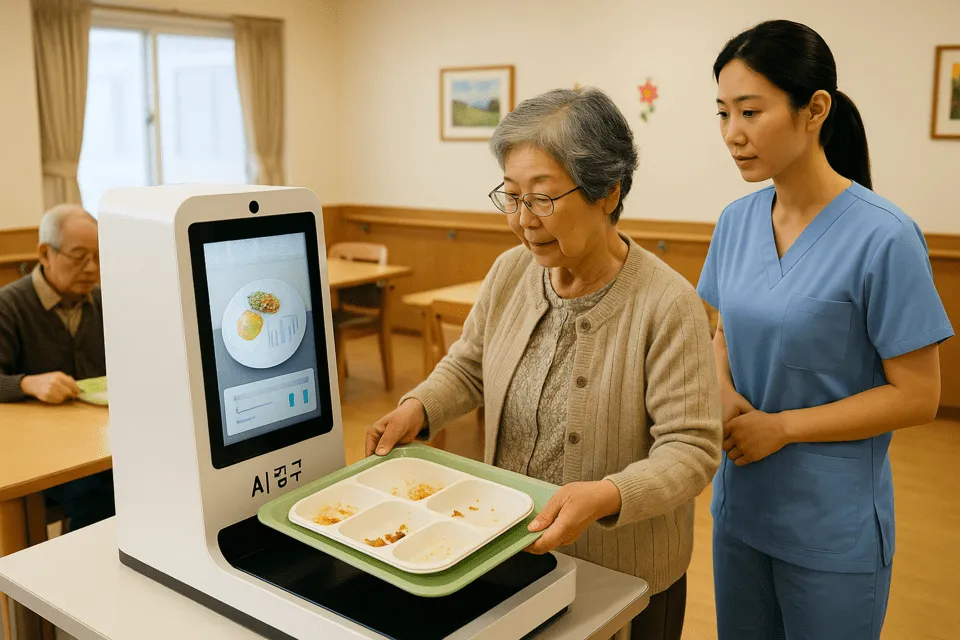
While technology may seem perfect, every innovation inevitably carries a shadow. As AI-based personalized nutritional management expands, we face several important questions.
The first issue is data ethics. Individual genetic information and real-time biological data are extremely sensitive. Whether the AI systems handling this data encrypt and protect it securely, and whether the algorithms are biased toward specific races or classes, are key factors that determine technological reliability.
Furthermore, the "black box" problem of AI exists. Humans must be able to understand the rationale behind why an AI recommended a specific diet. Simply saying, "Eat this because the data says so," cannot be true health management.
Most importantly is the role of the human nutritionist. As of 2026, although there are concerns that AI will replace nutritionists, the voices from the field are different. While AI excels at data analysis and real-time monitoring, the ability to empathize with a patient's emotional state, adjust diets considering cultural and religious backgrounds, and provide "behavioral change support" to motivate sustainable lifestyle habits remains a uniquely human domain.
Ultimately, future health management will move toward a "hybrid model" that combines the precision of AI with the insight of human experts. AI will become the ultimate Tool, and the nutritionist will become the Coach who utilizes that tool to care for the patient's entire life.
Conclusion: A Balanced Choice Between Technology and Tradition
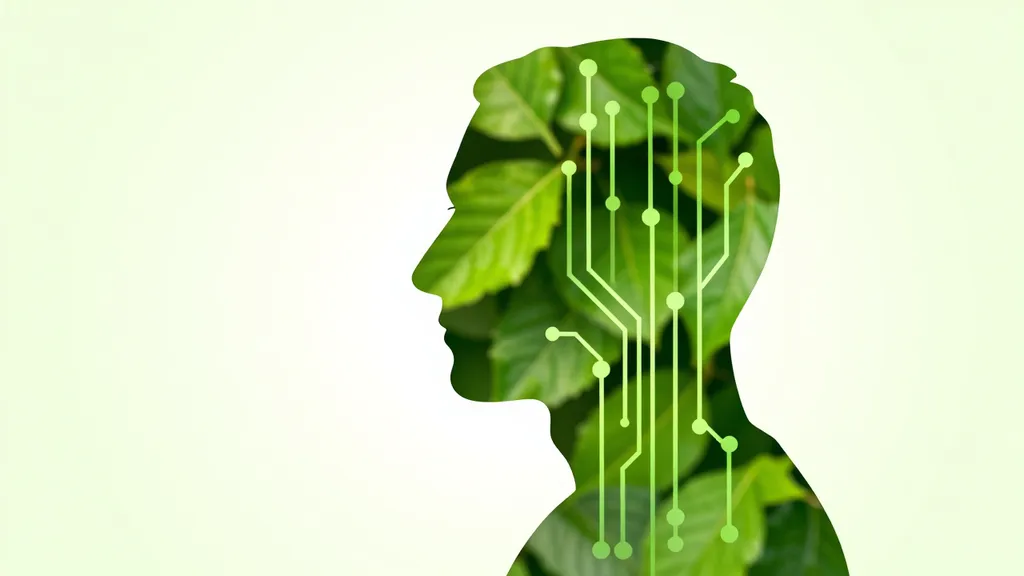
So far, we have looked at two massive health management trends of 2026.
- AI-based Personalized Nutrition: A realm of precision medicine that proactively suggests optimized diets and supplements based on genomics, blood glucose, and real-time biological data.
- Scientification of Traditional Diets: As the fact that beneficial microbes in fermented foods improve the gut microbiome and boost immunity is proven by data, it is evolving into personalized traditional therapies combined with AI.
In conclusion, these two are not opposing concepts. AI acts as the "compass" that tells us what we should eat, while traditional foods serve as the "foundation soil" that strengthens our body's basic immunity.
The wisest health strategy is to use AI technology to accurately understand my body's condition, while understanding and practicing whether the direction indicated by that data aligns with our body's physiological principles (e.g., the efficacy of fermented foods). We must not forget that technology is merely a tool, and ultimately, the agent who moves my body and sets the table is "myself."
Today, will you follow the precise recommendation of an AI, or will you set a table filled with traditional wisdom? Or how are you harmoniously using these two? Please share your health management know-how in the comments!
References
- AI 시대 도래! 영양사에게 요구되는 윤리적 책임과 역량은? - YouTube · youtube.com
- 2026년 AI 맞춤 영양제 시대! 내 몸에 딱 맞는 영양제, AI가 찾아줄까? · youtube.com
- 영양관리, 이제 맞춤형 AI시대 - 대한급식신문 · fsnews.co.kr
- [2026 트렌드] "오늘 뭐 먹지?" AI가 대신 답한다! 맞춤형 헬스케어의 진화 · choislao.tistory.com
- 2026년, 당신의 건강을 재정의할 'AI 영양 코칭' 시대 · s-elegant.tistory.com
- 간장ㆍ된장ㆍ고추장 등 발효식품, 과학적으로 밝혀낸 건강에 좋은 점은? · foodnews.co.kr
- 인공지능의 한의학에 대한 영향과 한의사 대체 가능성에 대해 · medikom.co.kr
- AI와 빅데이터 결합, 한의약 '전통'의 힘에 '미래'의 날개를 달자 - 경향신문 · khan.co.kr