Do you realize that the food you eat every day determines your body's immunity?
If you have recently felt unusually bloated or felt that your immunity has dropped, it might be an SOS signal sent by your gut microbial ecosystem.
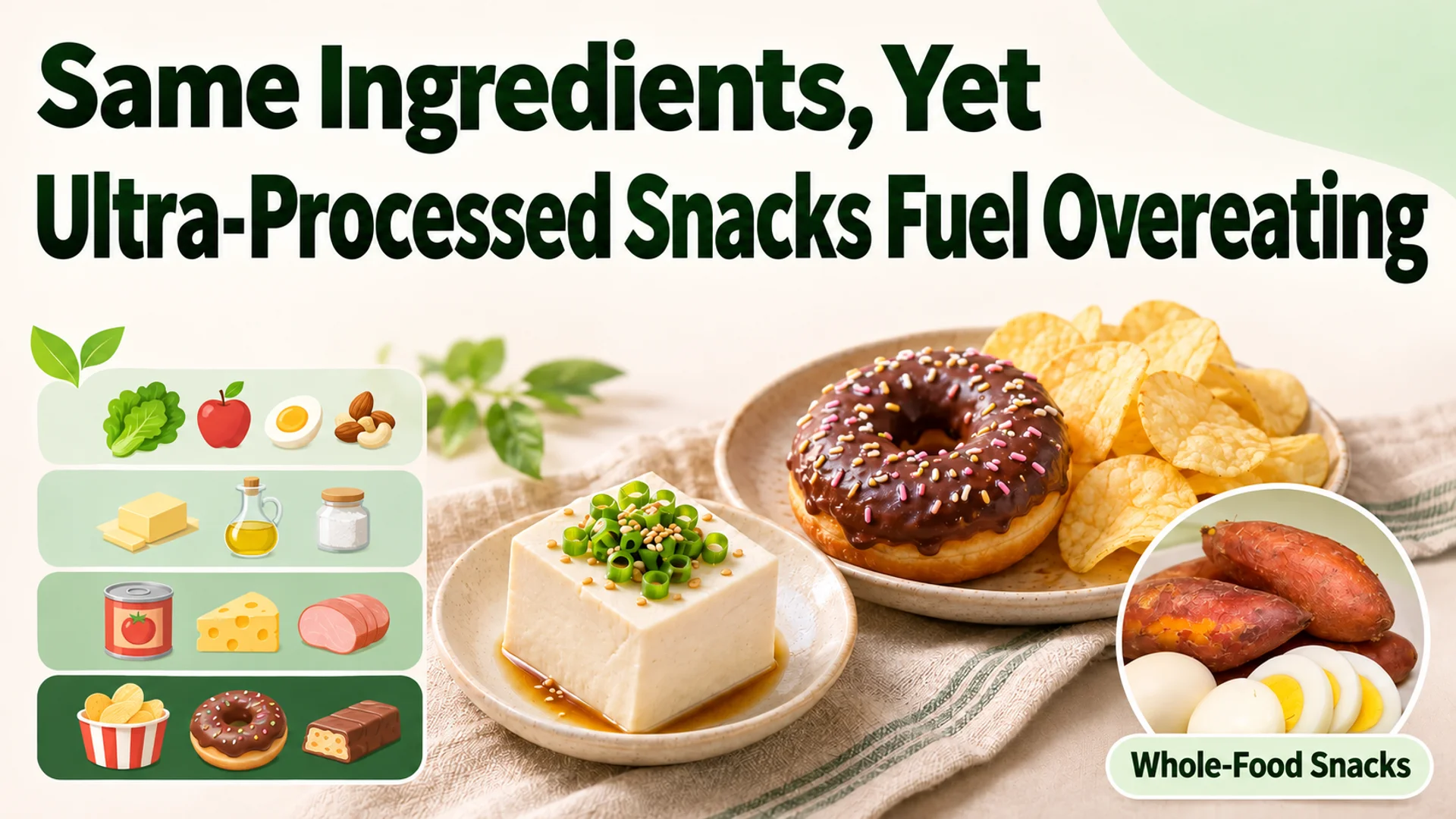
We are currently living in the era of "Clean Label," where we contemplate "what NOT to eat."
The Crisis on Our Table Today: Ultra-Processed Foods and the Broken Gut Ecosystem
When you go to the supermarket these days, you see foods filled with chemical additives that are hard to even pronounce. Synthetic preservatives to extend shelf life, artificial sweeteners to enhance flavor, and synthetic dyes for coloring.
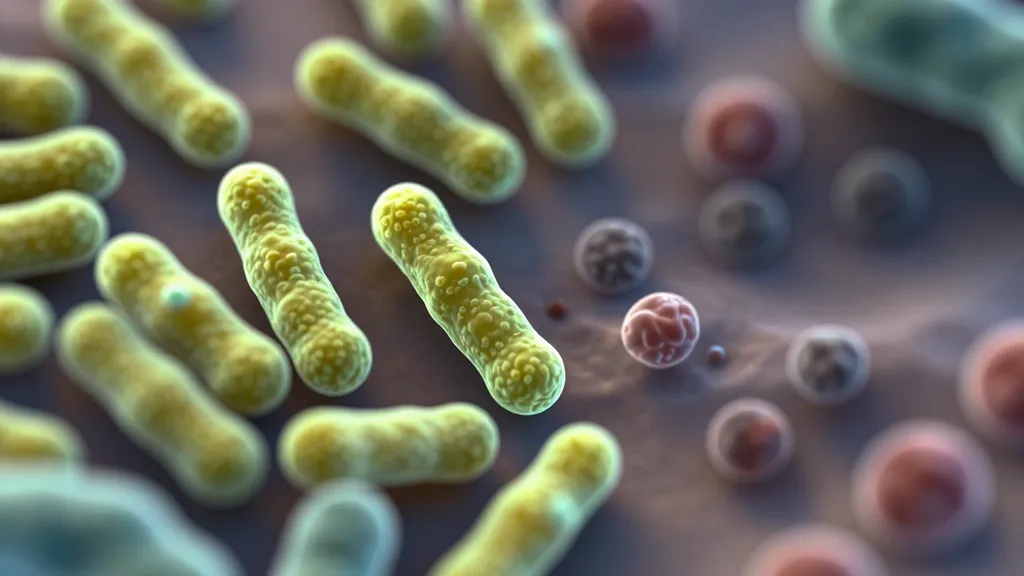
While these ultra-processed foods have dominated the modern table, the cost is heavy. Excessive chemical components attack the beneficial microbes living in our gut, ultimately destroying the balance of the gut microbiota.
When this balance is broken, it goes beyond simple indigestion and can lead to decreased immunity and increased inflammation levels. As of 2026, the global health trend is focused precisely on how to restore this "broken gut health."
Searching for Alternatives: The Three Faces of Fermented Foods
What choices can we make to restore gut health? There are three main directions.
1. Buying Commercially Available 'Fermented' Products
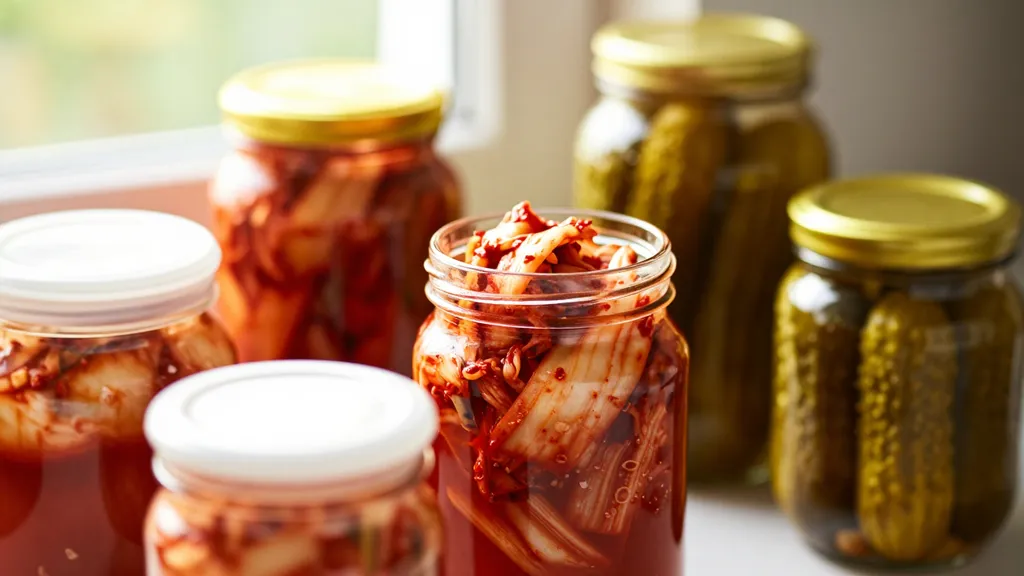
This is the most convenient method—picking up kimchi or pickles at the grocery store.
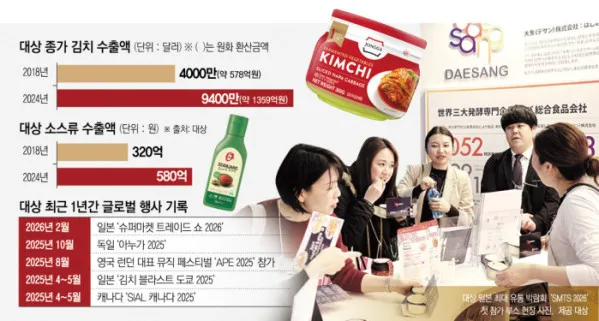
- Pros: Very high accessibility and convenience. Recently, there has been a wide range of choices due to many high-quality products made by global corporations.
- Cons: There is a caution to keep in mind. Many commercial products carry the name 'fermented,' but in reality, they often contain synthetic preservatives to extend shelf life or undergo sterilization processes that kill off the beneficial bacteria (probiotics). The biggest limitation is that it is not easy to find products that are truly Clean Label.
2. Traditional Homemade Fermentation
This involves making things like jangajji (pickled vegetables), kimchi, or pickles yourself at home.
- Pros: You can create the most perfect Clean Label food. Since you use fresh vegetables, natural salt, and homemade fish sauce that you have personally selected, 100% transparency of ingredients is guaranteed. The greatest charm is being able to eat "Real Food" without worrying about artificial additives.
- Cons: It requires significant time and effort. Since fermentation is a process of waiting for microbial activity, it requires patience. Furthermore, if temperature or hygiene management is not handled properly, there is a risk of harmful bacteria proliferating instead.
3. Consuming Functional Probiotic Supplements
This method involves taking supplements in pill or powder form.
- Pros: You can be guaranteed an accurate bacterial count, and it is very scientific and efficient because you can clearly know which strains are included.
- Cons: Supplements are merely a 'supplementary' means. It is difficult for them to completely replace the complex benefits of dietary fiber and the various postbiotics (metabolites produced by beneficial bacteria) provided by fermented foods.

2026 Global Trend: Why Has Kimchi Joined the Ranks of 'Superfoods'?
There is interesting news. Recently, the "Dietary Guidelines for Americans (2025–2030)" announced by the U.S. Department of Agriculture (USDA) and the Department of Health and Human Services (HHS) officially included Korean kimchi.
This is a massive event that hasn't happened in 45 years. The U.S. government has recognized kimchi not just as an "exotic food," but as a core food that must be consumed for gut health.
Why kimchi specifically? It is because kimchi is a unique food that can simultaneously supply not only probiotics (beneficial bacteria) but also postbiotics (beneficial bacterial metabolites) generated during the fermentation process. The lactic acid bacteria in kimchi help strengthen the gut immune system and regulate inflammation, and even contain components with antibacterial and anticancer effects.
In fact, as of 2026, kimchi stands at the center of the global wellness trend. The fact that the World Institute of Kimchi and UC Davis in the U.S. are conducting joint research to scientifically prove the immune functionality of kimchi supports this status. Kimchi is now moving beyond being a side dish for Koreans to establishing itself as a "gut health guardian" for people worldwide.
Expert Recommendation: The Smartest Strategy for Consuming Fermented Foods
So, what choice should we make? As a content marketer of 10 years and someone who pursues a healthy diet, I strongly recommend a "Hybrid Approach."
Recommended Strategy: "Homemade as the Main, Clean Label Products as the Supplement"
You cannot make everything at home. However, you must control the core ingredients.
-
Make core fermented foods at home (Kimchi & Pickles): Foods that are the protagonists of our table, like kimchi or jangajji, should be made at home whenever possible. This is the way to practice true Clean Label. The process of using fruit juice instead of sugar and seasoning with salt and natural ingredients instead of synthetic preservatives is itself a process of healing our bodies.
-
Purchase 'Real' Clean Label products for convenience: On busy weekdays, there are times when you must buy commercial products. In these cases, be sure to check the ingredient list on the back. You should choose products where phrases like "No synthetic preservatives" or "Natural fermentation" are clearly stated, and the ingredient list is filled with natural words that we recognize.
-
Ensure diversity: Don't stick to only kimchi. As emphasized by U.S. dietary guidelines, consuming various fermented foods in rotation—such as German sauerkraut, Irish kefir, or Japanese miso—is much more advantageous for increasing the diversity of your gut microbes.
The reason is clear. Perfect homemade food lacks sustainability, supplements cannot replace the flavor and nutrition of food, and general commercial products carry the risk of chemical ingredients. Therefore, finding a balance between the "joy of making things yourself" and the "convenience of verified products" is the healthiest and smartest strategy.
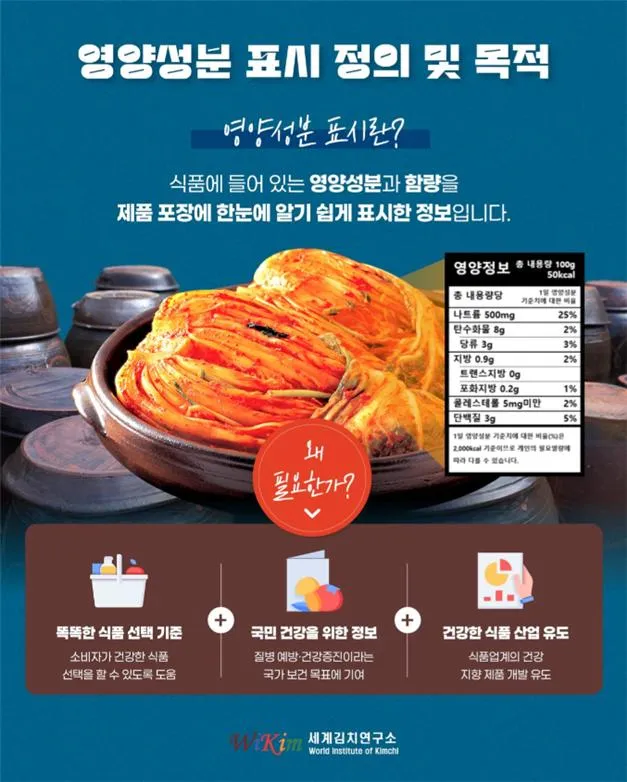
Conclusion: So That Your Gut Can Smile
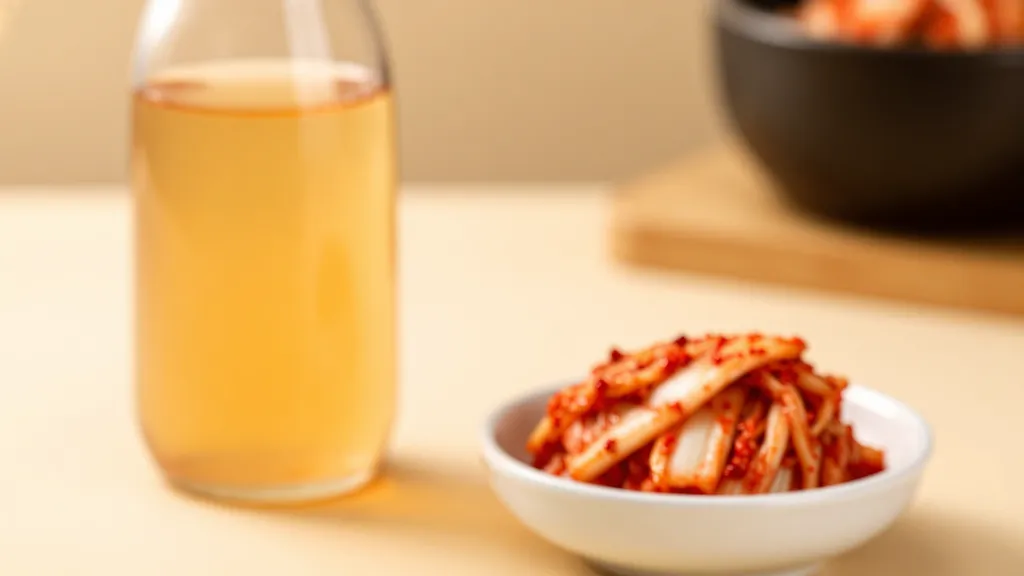
Ultimately, the core of a healthy dietary life boils down to "how close you are to nature."
The U.S. government's official recognition of kimchi is not simply because K-food is trendy. It is a result reflecting the scientific belief that the vitality found in natural fermentation can correct the broken balance in our bodies.
How about starting from today to carefully examine the ingredient lists hidden behind the flashy packaging at the supermarket? A small change will change your gut ecosystem and, furthermore, change your entire life.
What fermented foods are on your table today? Or is there a fermented food you want to try making yourself? Let us know in the comments!
References
- 미국 「새로운 식이 지침」에 한국의 발효식품 「김치(kimchi)」 첫 포함 · m.cnbcnews.net
- 미국 식단 가이드라인에 김치 포함…세계김치연구소 국제공동연구 추진 · foodtoday.or.kr
- 美 정부 식단 가이드에 '김치' 첫 포함 … 수출 날개다나 - 뉴데일리 경제 · biz.newdaily.co.kr
- 美 정부 식단지침에 '김치' 첫 포함에...식품업계, 해외 매출확대 기대감 ... · youthdaily.co.kr
- 클린라벨 - 한국식품산업클러스터진흥원 · foodpolis.kr
- 클린라벨 소재 및 가공기술 개발을 위한 연구 동향과 IP-R&D 전략 · foodnlife.org
- 건강하고 안전한 식품을 위한 글로벌 트렌드, '클린라벨' · ipet.re.kr
- 피클 및 피클 제품 시장 보고서 | 업계 동향, 규모 및 예측 분석 · mordorintelligence.kr