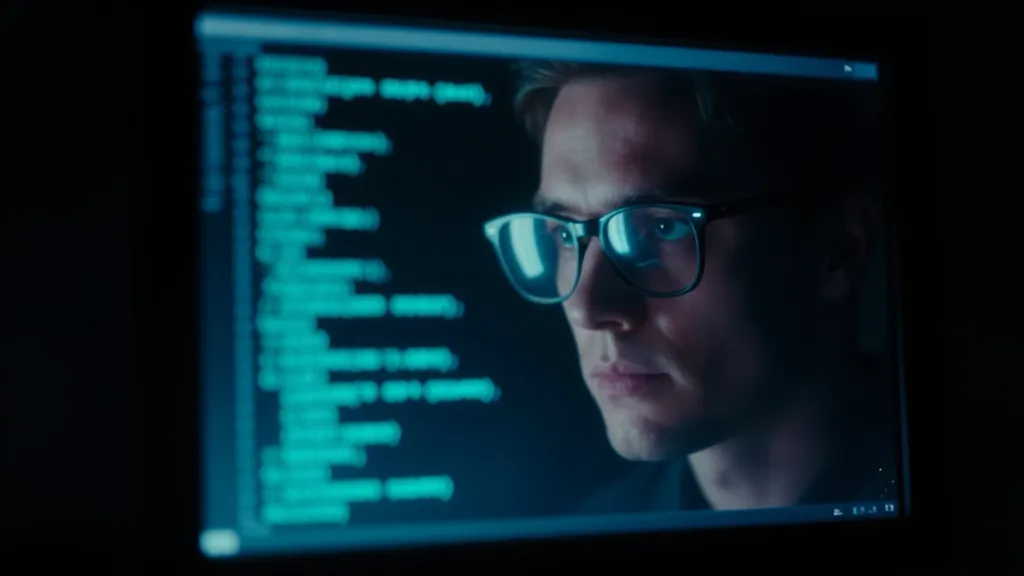
One late night, while I was coding, I suddenly paused as a scene from a movie flashed through my mind. When watching sci-fi movies, it's common to see protagonists inputting nonsensical commands or seeing code flowing across the screen that is merely "plausible-looking" graphics. I was no different. While intoxicated by the brilliant lights and action in movies, I didn't notice it, but for anyone with even a slight interest in technology, there are moments when that "fake-looking code" breaks the immersion.
However, there is a point where what we often brush off as "cinematic license" becomes the subject of incredible investigations, where experts stay up all night conducting analyses. This was all because of a single scene in the movie 'Tron: Legacy'.
I thought it was just graphics, but it was actual Unix?
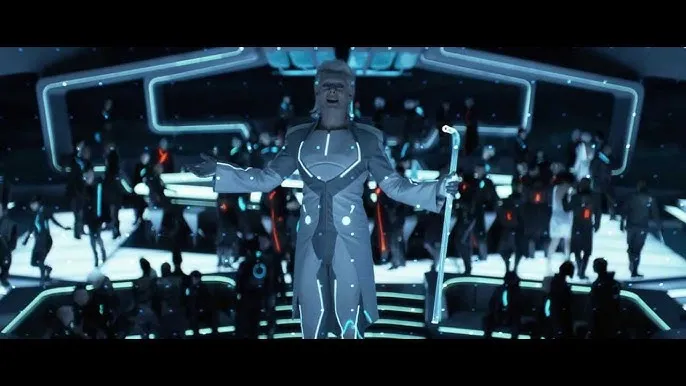
When I first encountered this movie, watching the protagonist Sam Flynn manipulate a computer in his father's study, I simply thought, "Oh, pretty graphics." I was convinced the director had just displayed virtual code for visual flair, as most sci-fi movies do.
However, this scene caught the radar of tech enthusiasts. An expert named Simon Tatham did not simply pass this scene by. He began to manually transcribe the text passing across the screen, one by one. He went beyond merely 'watching' and began to dig into what the data contained actually meant.
The result was shocking. That screen was not just fake code. Surprisingly, the screen Sam was typing on contained almost realistic Unix shell session logs. This was strong evidence that the film crew hadn't just drawn pretty pictures, but had actually contemplated the principles of system operation.
Hidden Settings: The Harmony of SolarOS and sun4m Architecture
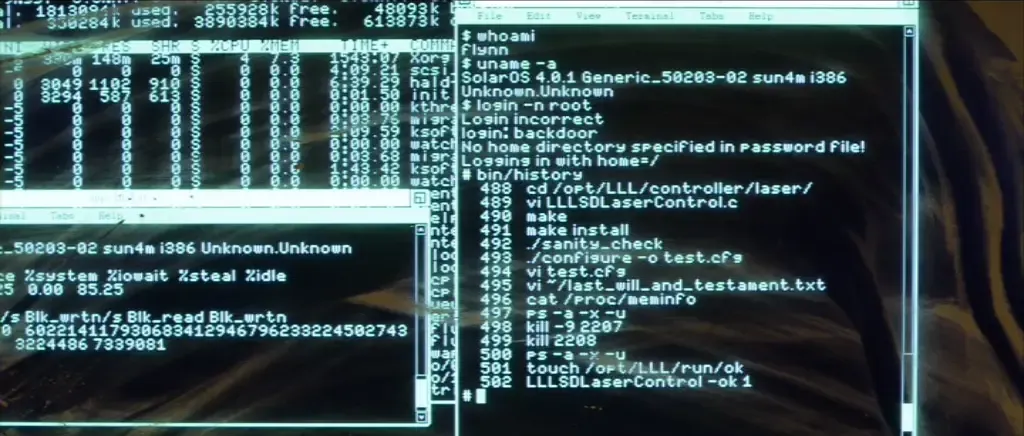
As the analysis deepened, experts could not hide their admiration. This was because, upon dissecting the logs on the screen, the meticulousness of the world built by the film was revealed.
For instance, the detail of Sam entering whoami to confirm his current account as flynn, or the uname -a command revealing system information as SolarOS 4.0.1 Generic_50203-02 sun4m i386, was spine-chilling. Here, the settings of the fictional operating system SolarOS 4.0.1 and the hardware architecture sun4m i386 show that the film made a desperate effort to maintain technical consistency beyond mere imagination.
Of course, it wasn't perfect. Much like the "aesthetic of failure" that seems to reflect real system behavior—such as the scene where he enters login -n root to gain root privileges but is interrupted by a Login incorr... message—the film included these nuances. It is said that experts initially started out looking for minor errors (nits) but ended up spending the whole day discussing them on Slack, ultimately marvelling at this sophisticated design.
Such details go beyond the level of "the production crew knew a bit about computers." It serves as a crucial clue showing how the technical settings in the film intertwine with the narrative.
Technical Detail vs. Narrative Weight: Which is More Important?

However, not all discussions ended in praise. On communities like 'Lobsters' or 'Hacker News', sharp criticisms were also poured out regarding this scene. This leads us to an intriguing question: "Can the technical details of a movie take precedence over the completeness of its narrative?"
Some critics point out that while the shell history scene is technically amazing, it fails to organically connect with the heavy themes of the movie, such as 'parent-child relationships' or 'truth and lies.' In other words, the criticism is that by obsessing too much over technical 'accuracy,' the scene failed to sufficiently perform its role as a 'narrative tool' to drive the protagonist's emotional changes.
Furthermore, there is an interesting interpretation regarding the line "terminating the process to free up memory." Should this be viewed simply as computer manipulation, or as a metaphorical expression for attempting to stop the villain CLU, an entity within the Grid? It is a tense tug-of-war between technical rigor and literary symbolism.
Copyright, Freedom of Expression, and Ethics in the Digital Age
Moving further, this debate has expanded into a massive discourse that our society faces in 2026: copyright and freedom of expression.
On Hacker News, a heated debate erupted regarding the situation where videos analyzing the shell history of this movie were sanctioned on YouTube due to copyright issues. To what extent should 'Fair Use' for criticism and educational purposes be protected? Are large corporations abusing the DMCA (Digital Millennium Copyright Act) to stifle the critical activities of creators?
This transcends mere chatter among movie fans and pierces through the socio-legal issues of how knowledge sharing and creator rights should clash and coexist in the digital age. It can be seen as a typical example showing how deep and wide the way the tech community consumes cultural content goes.
Closing: The Depth of a World Created by Detail
The shell history scene in 'Tron: Legacy' suggests a lot to us.
Well-crafted details become powerful magnets that pull the audience into the world of the film. Even if it receives criticism for not being perfectly integrated with the narrative, the technical stubbornness poured in by the production team created a rich soil for fans to constantly discuss and reinterpret.
Ultimately, isn't the value of a movie completed not at a single line of perfect code, but at the point where the sincerity toward the worldview contained in that code meets the passion of the audience who discovers and enjoys it?
What do you think? Do you feel that minor technical settings in a movie enhance immersion, or do you feel they actually hinder the narrative?
References
- Nitpicking the shell history scene in 'Tron: Legacy' · chiark.greenend.org.uk
- Nitpicking the shell history scene in 'Tron: Legacy' | Hacker News · news.ycombinator.com