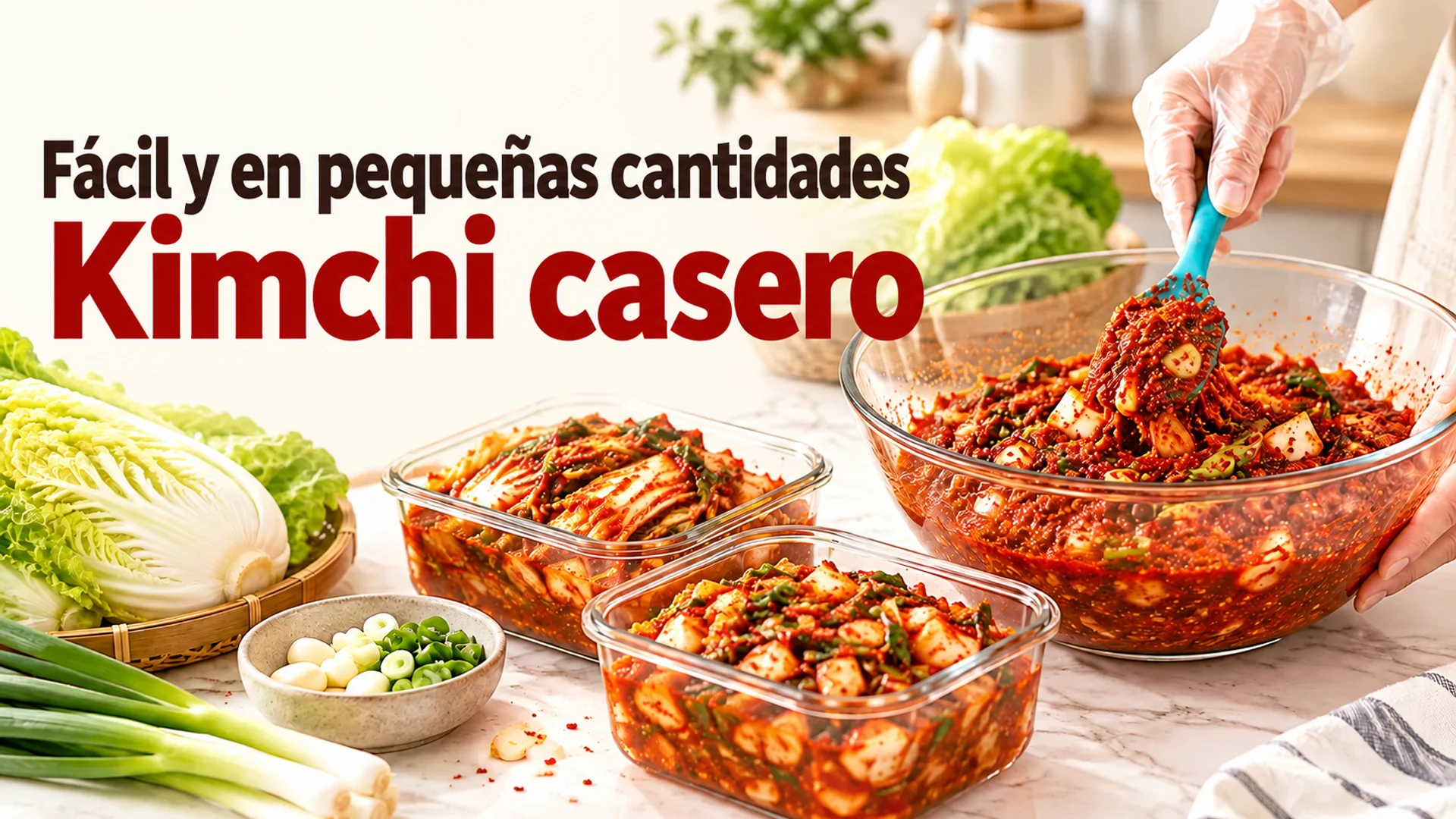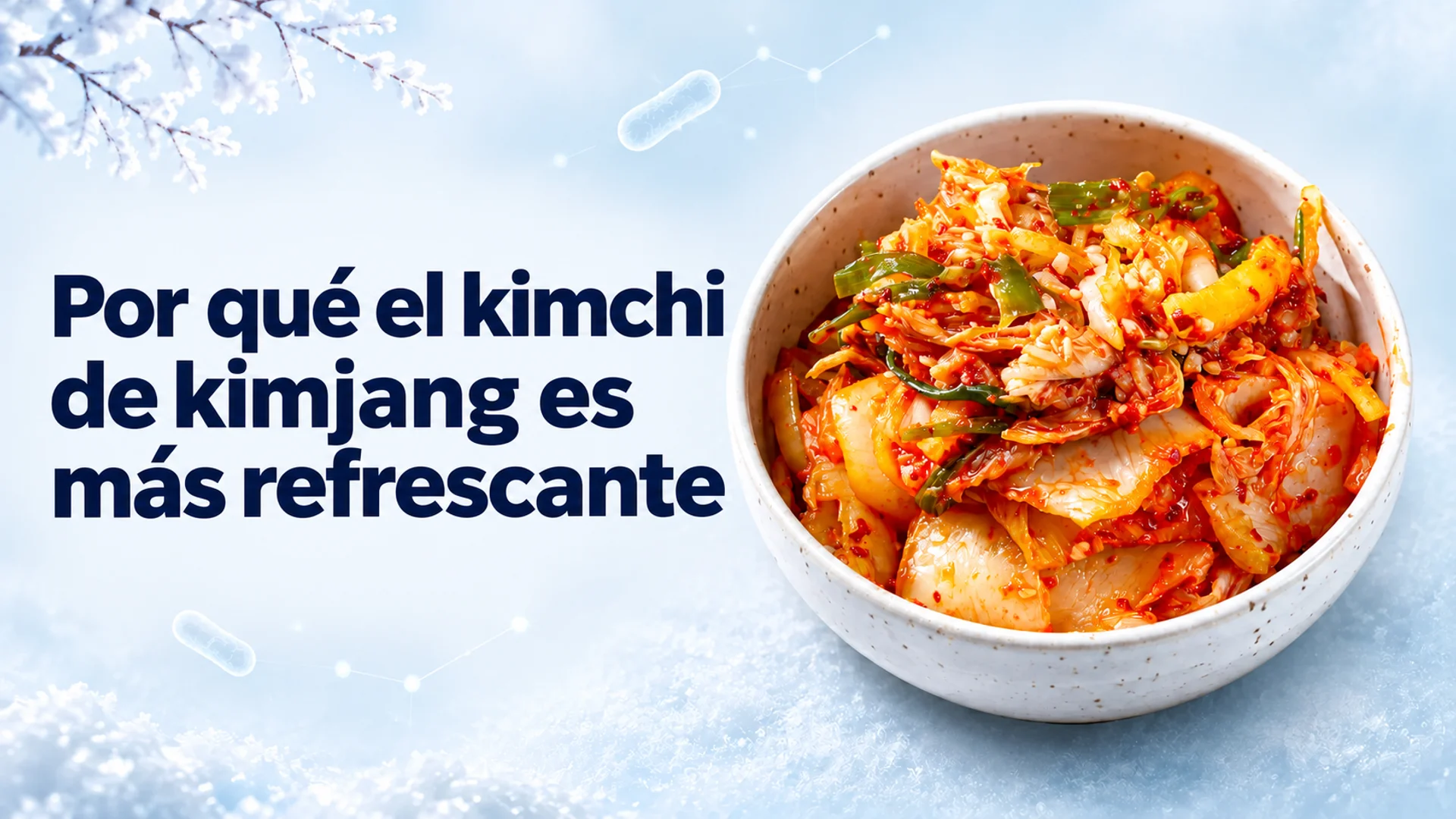
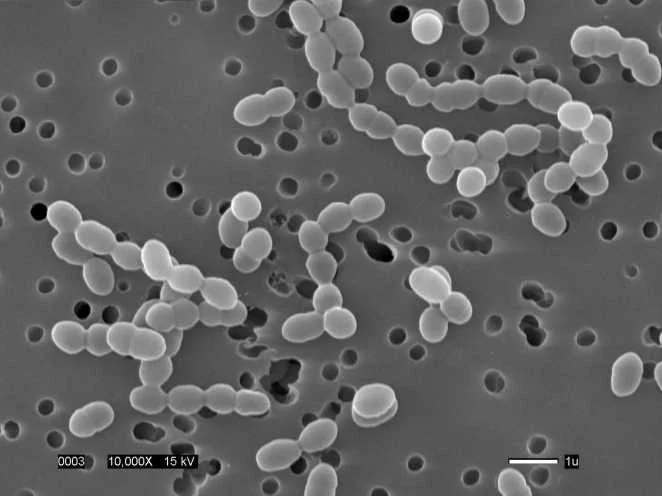
Kimchi that has been fermented for one week contains over 100 million lactic acid bacteria per gram. The refreshing sensation and umami taste specifically associated with kimchi made during the kimjang season are not merely subjective, even when using the same cabbage and seasonings. The secret lies in the fact that the leadership within the microbial ecosystem shifts depending on the temperature. According to Chaum Food Therapy Clinic, the proportion of Leuconostoc bacteria in winter kimjang kimchi is approximately 1.76 times higher compared to autumn kimchi. The logic is that low temperatures provide an environment conducive to the survival of Leuconostoc, allowing the mannitol and carbon dioxide produced by this bacterium to maintain the kimchi's "refreshing" quality for a longer period.
The Microbial Ecosystem Timeline in 1g
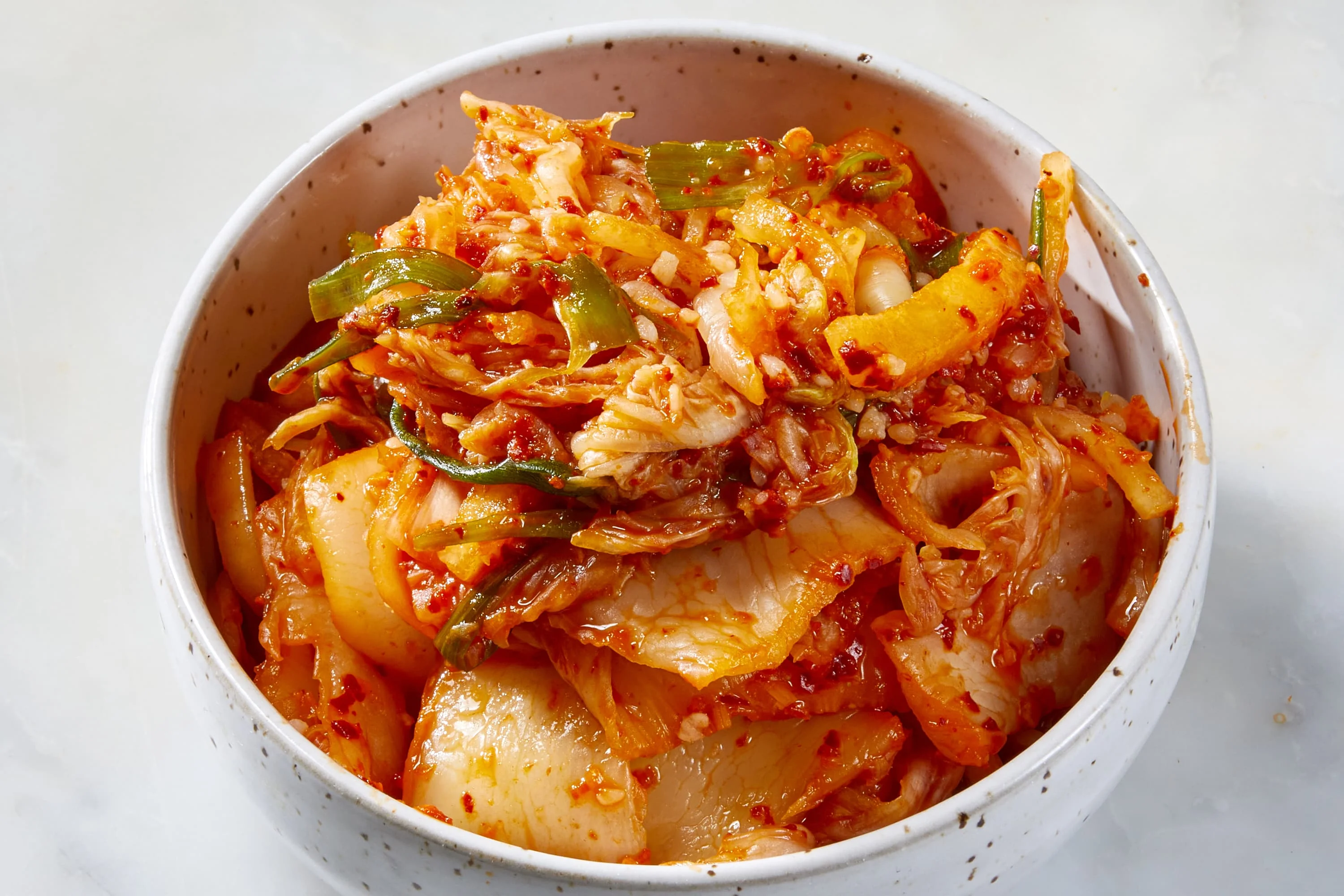
Kimchi contains approximately 40 different types of lactic acid bacteria coexisting. As fermentation time progresses, the types of bacteria leading the flavor undergo sophisticated substitutions, making the kimchi container a small ecosystem where microorganisms share leadership. This transition process becomes clear when understood through the observations of the blog "White Fox." Initially, after making fresh kimchi, Leuconostoc bacteria proliferate and set the stage for the flavor. During the subsequent intermediate stage (maturation), Leuconostoc and Lactobacillus maintain a balance, keeping acidity at pH 4.2 to 4.5, while vitamins and beneficial bacteria reach their peak levels. This is the moment when kimchi tastes the most delicious. If time passes further, only the extremely acid-resistant Lactobacillus survives, dominant sourness takes over, and it decomposes the vegetable tissue, making the kimchi soft.
The Chemical Identity of the "Refreshment" Created by Leuconostoc
This bacterium produces mannitol and carbon dioxide as fermentation byproducts. According to Chaum Food Therapy Clinic, mannitol is a substance that imparts a refreshing sweetness, while carbon dioxide adds a crisp sensation and stimulates the tip of the tongue. The characteristic crisp sensation felt when chewing kimchi is caused by the outputs of this bacterium.
Low winter temperatures are the condition determining an ecosystem dominated by Leuconostoc. At low temperatures of 0 to 5°C, the proliferation of Lactobacillus, which strongly produces sourness, is suppressed, securing survival time for Leuconostoc. Conversely, when temperatures rise above 20°C, Leuconostoc disappears rapidly, and acid-producing bacteria become dominant. The experience of the White Fox blog, where kimjang kimchi left for just one day near a warm ondol floor to accelerate fermentation resulted in failure, illustrates this starkly. Due to the sharp temperature increase, Leuconostoc disappeared, Lactobacillus seized control, the refreshing taste evaporated, and the cabbage became soft. Even with the same ingredients, the leadership of bacteria shifts depending on "at what temperature" fermentation occurs, altering the taste.
The Science of Umami Created by Jeotgal and Temperature
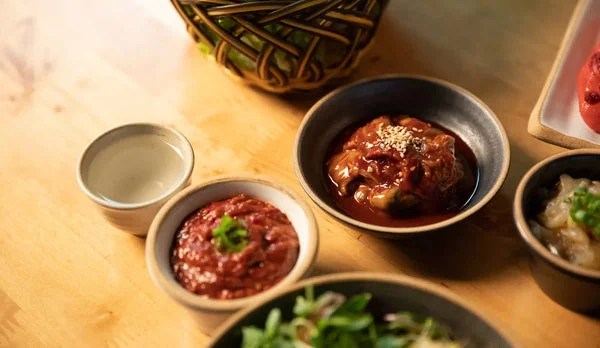
In a paper published in the January 2023 issue of the international academic journal "LWT - Food Science and Technology," the research team led by Baek J.H., Kim K.H., Han D.M., Lee S.H., and Jeon Che Ok analyzed microorganisms and metabolites while fermenting regular kimchi, kimchi with added glutinous rice paste, and kimchi with added jeotgal (salted seafood) for 30 days. As a result, at the 30-day mark, kimchi with added jeotgal showed higher concentrations of mannitol and amino acids compared to the other two types of kimchi. The amino acids provided by jeotgal serve as direct ingredients for umami, and when mannitol, a product of Leuconostoc activity, persists, the refreshing sweetness is also reinforced. In other words, when a low-temperature environment keeps Leuconostoc alive and jeotgal ingredients supply umami components, the kimchi achieves its deepest flavor profile.
The Practical Meaning of Storage Temperature and Live Bacteria Consumption
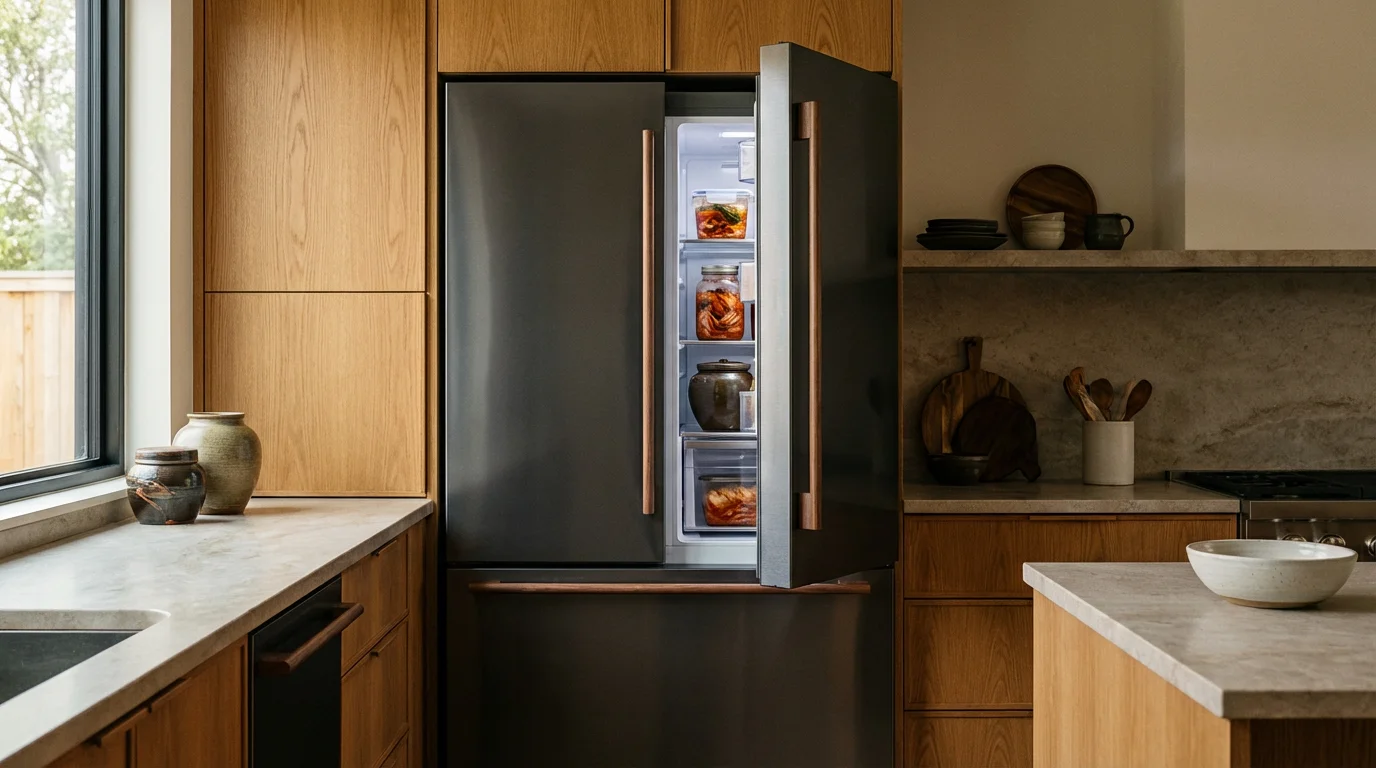
As fermentation deepens, Lactobacillus species seize control. Among these, "Lactobacillus plantarum" is well known as a beneficial bacterium with strong vitality that contributes to improving gut environments. However, in the late fermentation stage of kimchi, it intensifies sourness and participates in tissue decomposition, which can make the kimchi soft. Therefore, the reason kimchi refrigerators maintain a temperature of 0 to 5°C is as a sophisticated management device to prevent the runaway proliferation of acid-producing bacteria and keep Leuconostoc alive. Additionally, lactic acid bacteria have strong anaerobic characteristics, meaning they dislike oxygen. When packing kimchi into a container, pressing it down firmly with a fist and covering the top with outer cabbage leaves or plastic film to block oxygen contact can trap the carbon dioxide produced by beneficial bacteria, preventing it from escaping. A point of caution is heat treatment. Heating to above 70°C kills the majority of the 100 million live bacteria in 1g. To fully enjoy the live bacteria effects of lactic acid bacteria, it is effective to consume them in their raw, unheated kimchi state.
Ultimately, the reason kimjang kimchi tastes more refreshing and deep is due to differences in bacterial ratios and metabolites. Thanks to low winter temperatures, the proportion of Leuconostoc in kimjang kimchi is maintained at approximately 1.76 times higher than in autumn, providing an environment that continuously supplies mannitol and carbon dioxide. On top of this, the traditional seasoning of jeotgal increases amino acid concentrations, amplifying the umami. Understanding how the leadership of the 100 million bacteria contained in 1g shifts depending on temperature and ingredients allows one to naturally grasp the secret to maintaining the unique taste of winter kimchi for longer.