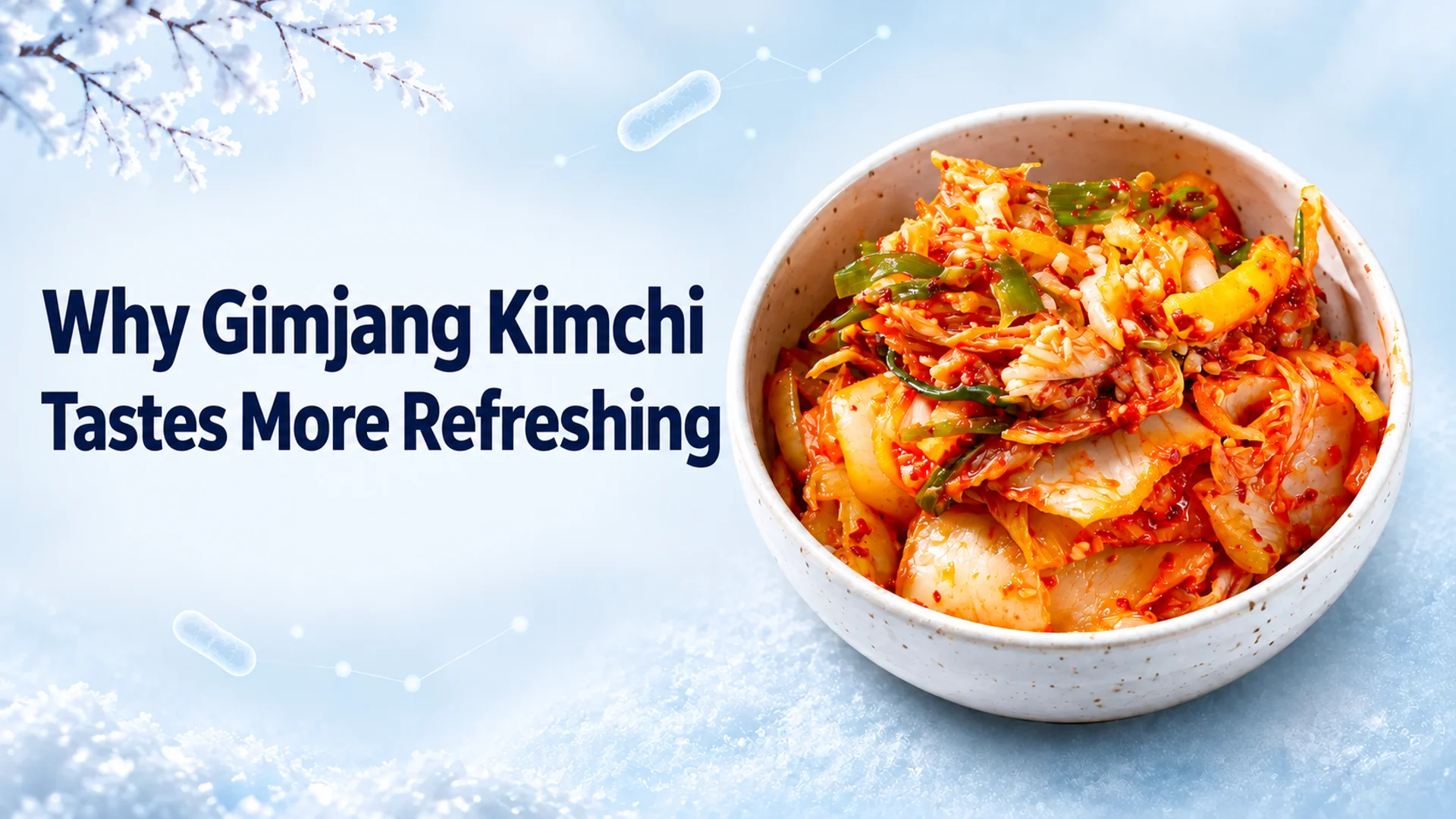
Kimchi aged for one week contains more than 100 million lactic acid bacteria per gram. Even when the same cabbage and seasonings are used, the refreshing sensation and savory depth found in winter kimchi are not merely subjective impressions. This difference stems from a shift in the dominance of the microbial ecosystem based on temperature. According to Chawoom Food Therapy Clinic, winter kimchi contains approximately 1.76 times more Leuconostoc bacteria than autumn kimchi. The low winter temperatures provide a favorable environment for the survival of Leuconostoc, allowing the mannitol and carbon dioxide produced by these bacteria to sustain the chemical process that preserves the kimchi’s refreshing quality.
Timetable of the Microbial Ecosystem in 1g
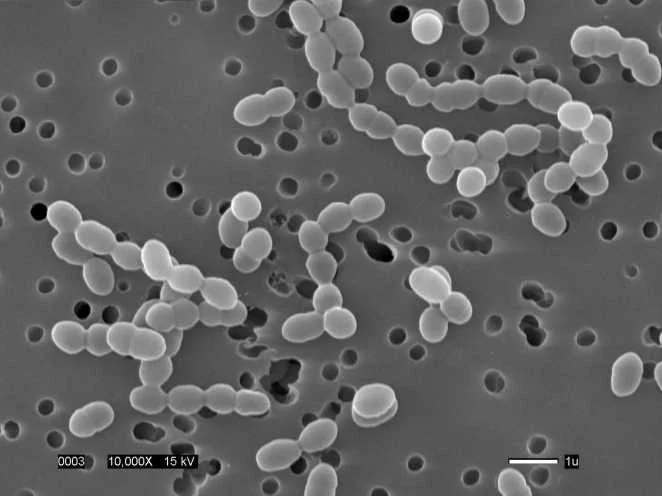
Kimchi hosts a coexistence of approximately 40 different species of lactic acid bacteria. As fermentation progresses, the types of bacteria leading the flavor undergo a precise transition; the kimchi jar functions as a small ecosystem where microorganisms share control of the process. The blog ‘White Fox’ illustrates this change clearly through observation. In the initial stage after kimchi is made, Leuconostoc bacteria multiply and establish the foundation of the flavor. During the intermediate maturation phase, Leuconostoc and Lactobacillus maintain a balance, keeping the pH between 4.2 and 4.5 while reaching peak levels of vitamins and beneficial bacteria. This period represents the point at which kimchi tastes most delicious. As time passes further, only the acid-resistant Lactobacillus survives, dominating the flavor with sourness and breaking down the vegetable tissues, which causes the kimchi to become soft.
The Chemical Identity of the ‘Refreshment’ Created by Leuconostoc
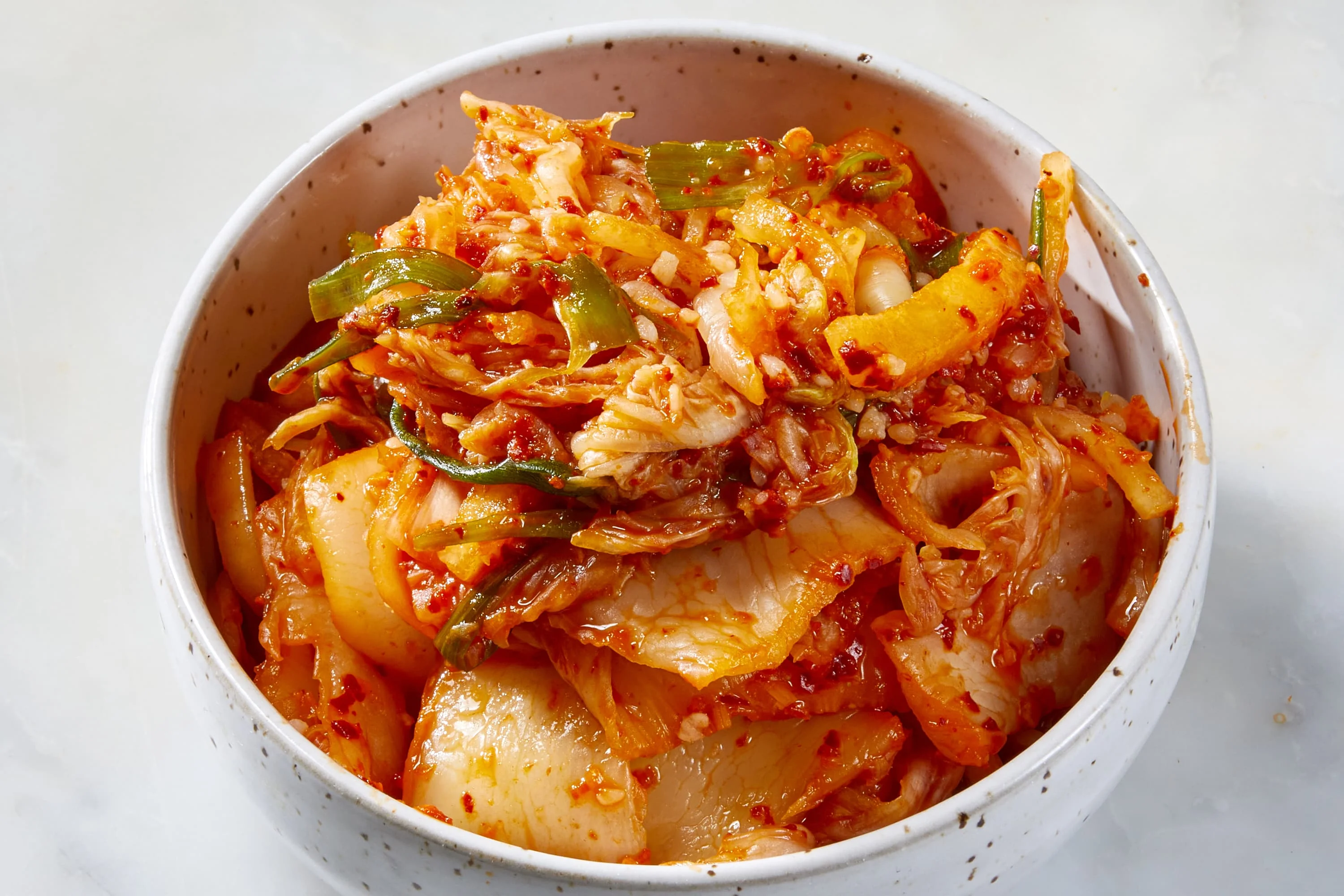
This bacterium produces ‘mannitol’ and ‘carbon dioxide’ as byproducts of fermentation. Chawoom Food Therapy Clinic explains that mannitol provides a cool, sweet taste, while carbon dioxide adds a sparkling sensation that stimulates the tongue. The distinctive effervescence felt when chewing kimchi is directly attributable to the substances produced by this bacterium.
The low temperatures of winter are the defining condition for creating an ecosystem dominated by Leuconostoc. At low temperatures between 0 and 5°C, the proliferation of Lactobacillus, which produces strong acidity, is suppressed, allowing Leuconostoc to secure survival time. Conversely, when temperatures rise above 20°C, Leuconostoc disappears rapidly, and acid-producing bacteria take precedence. The blog ‘White Fox’ experienced a failure when it left kimchi in a warm spot for a day to accelerate fermentation, vividly illustrating this principle. The sudden temperature increase caused Leuconostoc to vanish and Lactobacillus to seize control, resulting in the loss of the refreshing taste and the softening of the cabbage. Even with the same ingredients, the dominance of bacteria shifts depending on ‘at what temperature’ fermentation occurs, thereby altering the flavor.
The Science of Savory Depth Created by Jeotgal and Temperature
In a paper published in the January 2023 issue of the international academic journal ‘LWT - Food Science and Technology,’ the research team consisting of Baek J.H., Kim K.H., Han D.M., Lee S.H., and Jeon Che Ok analyzed microorganisms and metabolites in regular kimchi, kimchi with glutinous rice paste, and kimchi with jeotgal (fermented seafood) over a 30-day fermentation period. The results showed that at day 30, the kimchi containing jeotgal had higher concentrations of mannitol and amino acids compared to the other two types. The amino acids provided by jeotgal serve as direct ingredients for savory depth, and when the mannitol produced by Leuconostoc activity persists, the cool sweetness is further enhanced. In other words, kimchi achieves its deepest flavor when a low-temperature environment sustains Leuconostoc and jeotgal ingredients supply savory components.
Practical Implications of Storage Temperature and Live Bacteria Intake

As fermentation deepens, Lactobacillus strains take over control. Among these, ‘Lactobacillus plantarum’ is well known as a beneficial bacterium with strong vitality that contributes to improving gut health. However, in the late stages of kimchi fermentation, it enhances sourness and participates in tissue breakdown, which can cause the kimchi to become soft. Therefore, the reason kimchi refrigerators maintain 0 to 5°C is to serve as a sophisticated management device that prevents the unchecked proliferation of acid-producing bacteria while sustaining Leuconostoc. Additionally, because lactic acid bacteria have strong anaerobic characteristics—they dislike oxygen—pressing the kimchi firmly into the jar with your fist and covering the top with cabbage leaves or plastic film blocks oxygen contact. This allows the carbon dioxide produced by beneficial bacteria to be trapped inside rather than escaping. One important consideration is whether heat has been applied. Heating to 70°C or higher kills most of the 100 million live bacteria per gram. To fully benefit from the probiotic effects of lactic acid bacteria, it is effective to consume kimchi in its raw, unheated state.
Ultimately, the reason winter kimchi has a more refreshing and deeper taste lies in the differences in bacterial proportions and metabolites. Thanks to low winter temperatures, the proportion of Leuconostoc in winter kimchi is maintained at approximately 1.76 times higher than in autumn kimchi, creating an environment that continuously supplies mannitol and carbon dioxide. Furthermore, traditional seasonings like jeotgal increase amino acid concentrations, amplifying the savory depth. By understanding how the dominance of 100 million bacteria per gram shifts according to temperature and ingredients, one can naturally discern the secret to preserving the distinctive flavor of winter kimchi for a longer period.