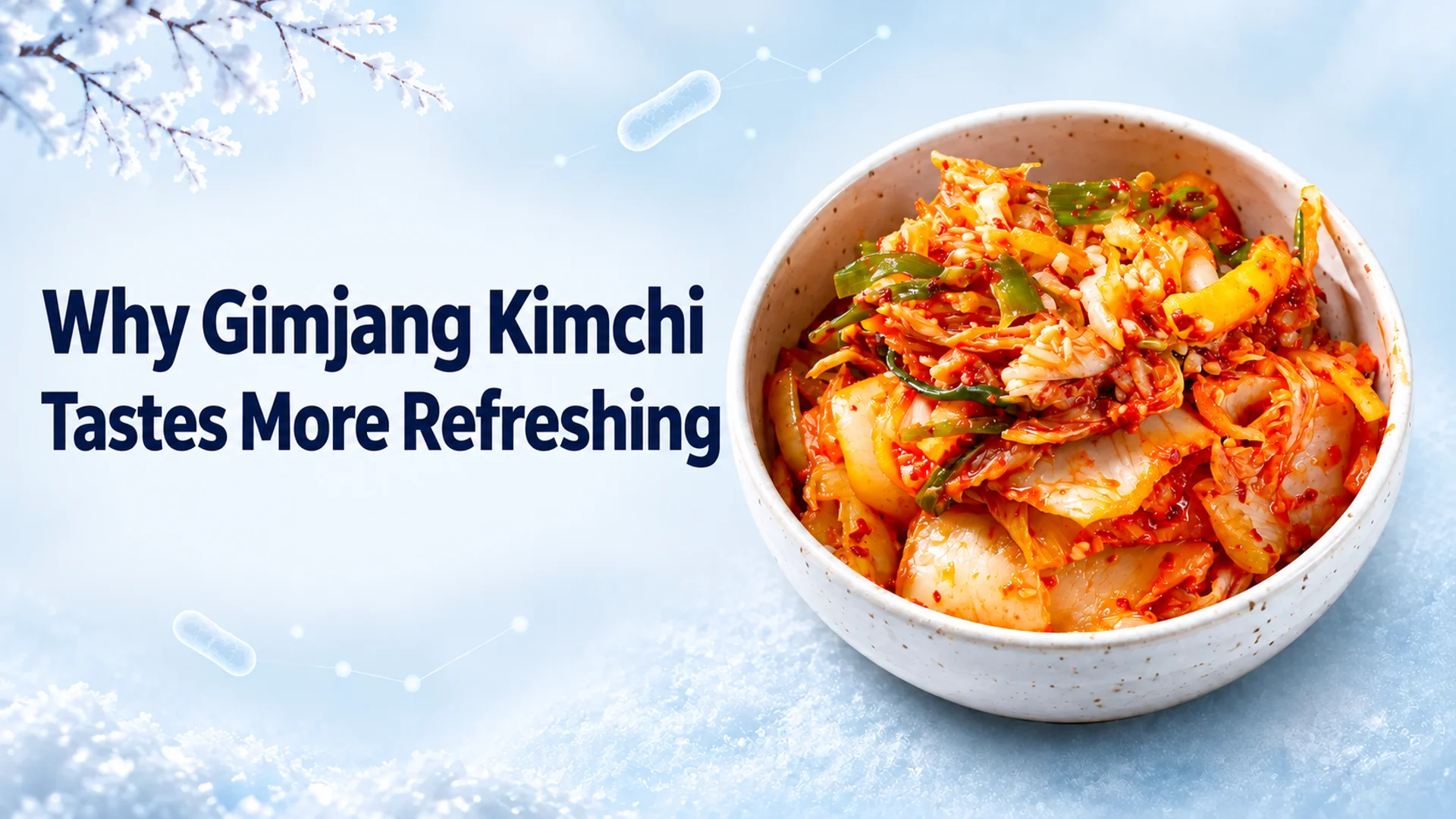
As the kimchi-making season reaches its peak in November, more people find it burdensome to prepare large quantities of kimchi using traditional methods. Especially for single-person households or those who prefer small amounts of fresh kimchi, the process of salting dozens of napa cabbage heads at once and mixing them with seasoning can itself be a significant barrier to entry. In such cases, "easy kimchi making" serves as a wise alternative. Easy kimchi making goes a step beyond simply purchasing pre-salted cabbage, following the principles of small-batch production, managing seasoning freshness immediately, and considering long-term storage quality for a systematic approach to kimchi preparation. Based on verified kimchi production and storage principles, this guide provides detailed instructions on five easy kimchi preparation methods that save time while preserving the deep flavors of traditional kimchi.
Tip 1. Determining the Small-Batch Production Scale and Time Required for Your Home
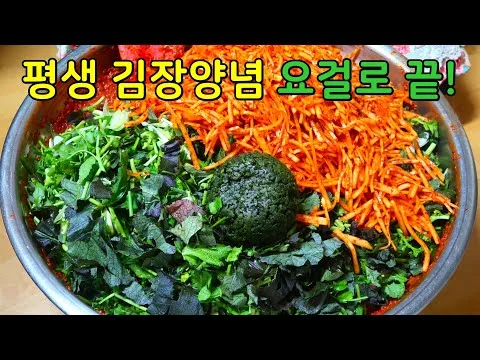
The first step in easy kimchi making is to abandon the unreasonable desire for mass production and determine a small-batch production scale suitable for your household. According to production guidelines for single-person households and families aiming for small quantities of kimchi, half to one head of napa cabbage is the appropriate standard 1. If you must salt fresh cabbage directly instead of using pre-salted cabbage, this standard becomes a key factor in significantly reducing the overall work time.
The biggest advantage of small-batch kimchi making is the substantial reduction in required time. Even when combining the time spent salting the cabbage and preparing the seasoning, the entire process can be completed in about 2 to 3 hours 1. The main process involves evenly sprinkling coarse salt between the napa cabbage leaves, salting for 1 to 2 hours, then rinsing in cold water and squeezing out the moisture 1, boasting efficiency that cannot be compared to processing large quantities of pre-salted cabbage, such as 40 kg.
Small-batch production not only increases ingredient turnover to reduce the risk of spoilage, but also encourages the use of fresh ingredients each time, helping maintain consistent taste in the final product.
Tip 2. Pre-Treatment Method to Enhance Seasoning Adhesion by Carefully Removing Moisture
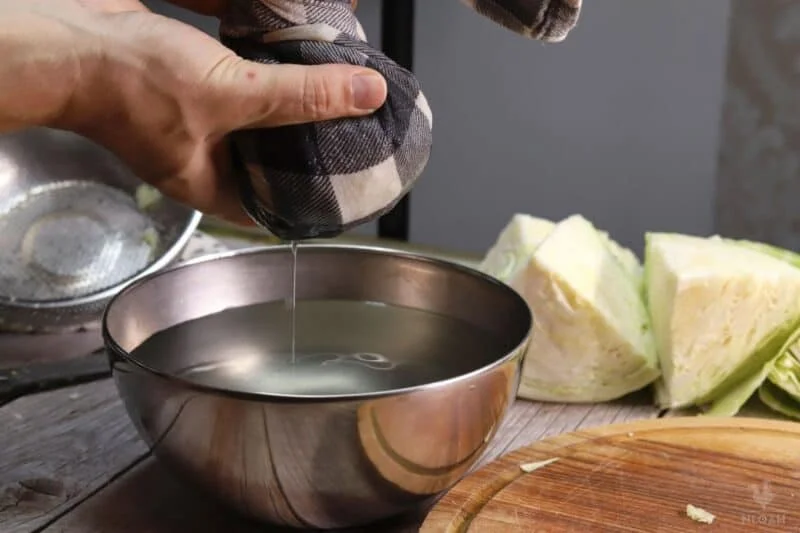
The most critical stage determining the success or failure of easy kimchi making is "pre-treatment." While shortening the cabbage salting time, skipping the moisture removal step significantly lowers the overall quality of the kimchi. In particular, if moisture is not sufficiently removed, the seasoning becomes diluted and fails to adhere well, potentially causing the napa cabbage to wilt and discolor 2.
It is known to be effective to turn the cabbage upside down in a colander to drain moisture for about 5 hours, which provides an important tip regarding the time required for moisture removal 2. If you mix the seasoning before moisture removal is complete, the water extracted from the cabbage will cause the kimchi to become mushy and the seasoning's flavor to become watery. It is important to place the cabbage in a cool area with good ventilation 2, and this ventilation process can proceed much faster and more effectively for small batches.
Tip 3. Prepare Seasoning on the Same Day, as Freshness Determines Taste
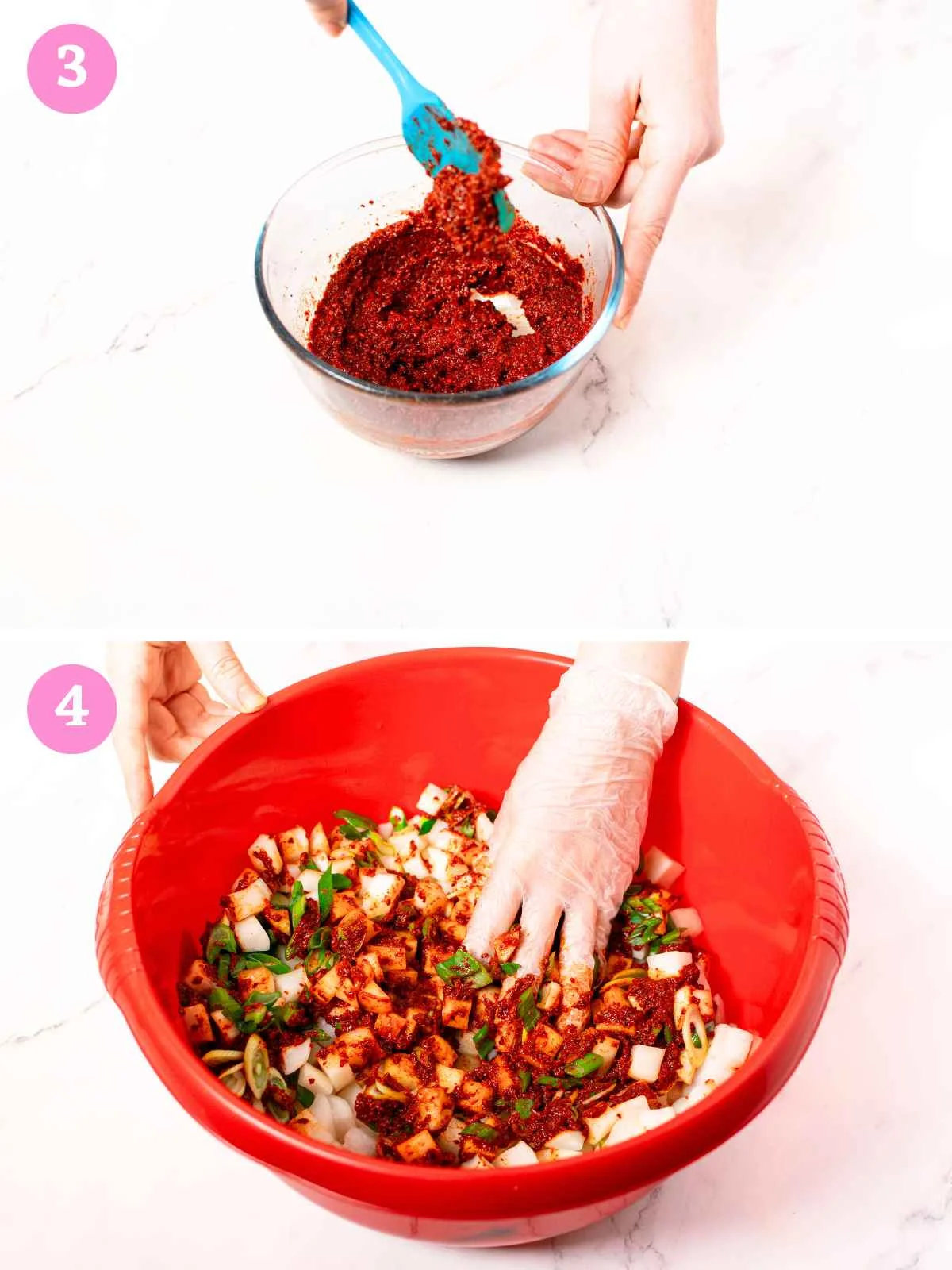
One of the core principles of easy kimchi making is "maintaining seasoning freshness." It is best to make the kimchi seasoning on the same day, as preparing it the day before causes the seasoning to mature prematurely, resulting in excessive water loss from the vegetables and an inability to achieve the proper flavor 2. If the seasoning matures excessively beforehand, the synergy with the napa cabbage decreases, and the overall fermentation rate of the kimchi may become unbalanced.
Therefore, it is ideal to mix chopped vegetables, fermented seafood sauces, and red pepper powder during the last 1 to 2 hours of salting fresh cabbage. Examining the composition of the basic seasoning, add red pepper powder, minced garlic and ginger, fermented seafood sauces such as salted shrimp or salted anchovies, and sugar to a large bowl, adjusting the spiciness and sweetness according to personal taste 1. Vegetable ingredients used in the seasoning should be freshly ground, and caution is needed when using frozen minced garlic or ginger, as they may develop a bitter taste 2.
Tip 4. Preventing Kahm Yeast through Kimchi Refrigerator Temperature Control and Sealed Storage
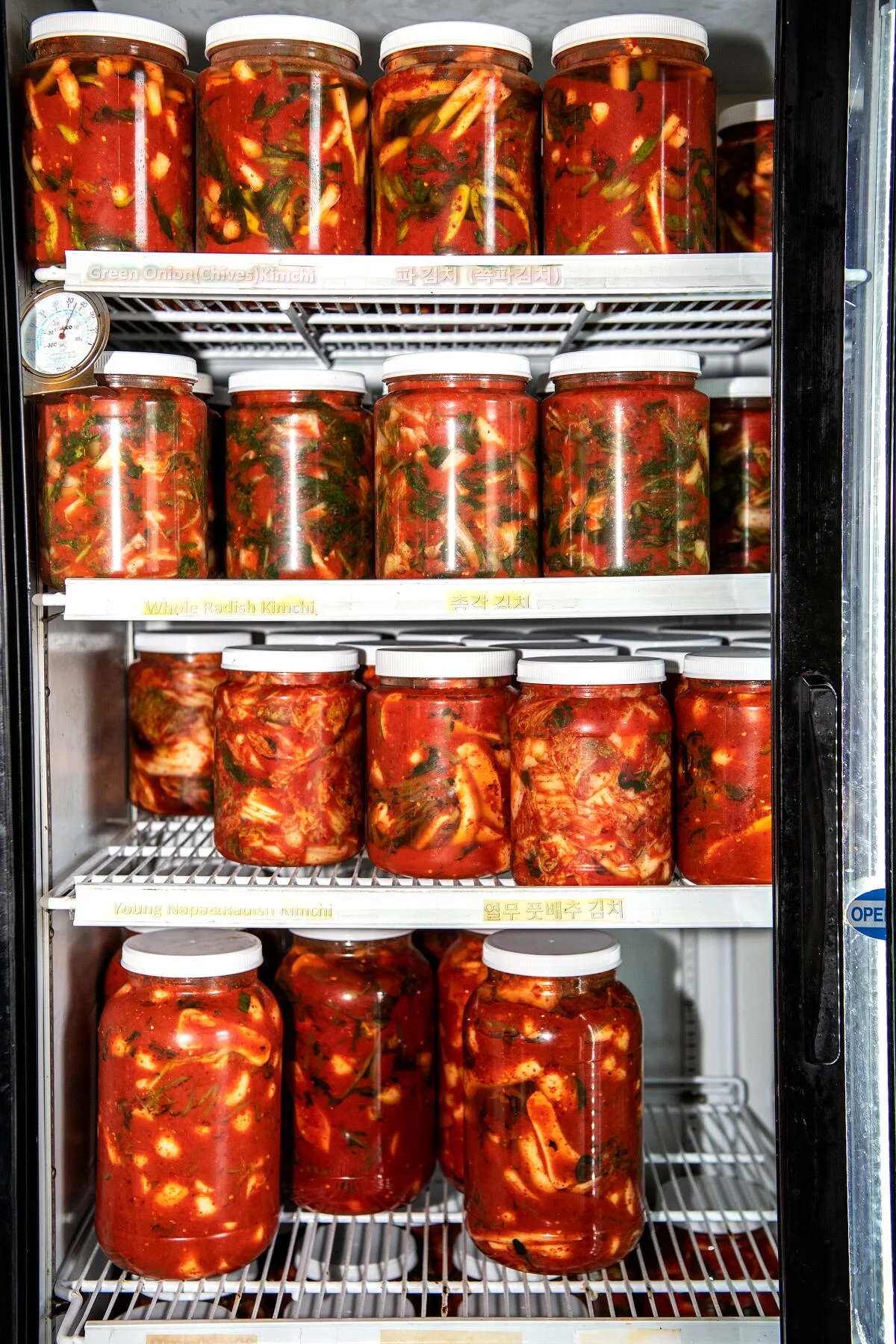
Easy kimchi making involves smaller quantities at once, resulting in relatively small storage containers. However, smaller containers can increase the risk of spoilage due to a higher ratio of surface area exposed to air. When storing kimchi, fill containers only about 80% full to ensure space for the kimchi to expand due to fermentation gases 2.
Additionally, using outer napa cabbage leaves or hygienic covers to block air contact with the kimchi surface is the key to maintaining freshness 2. Specifically, according to research by the World Institute of Kimchi, storage at low temperatures below 4°C and blocking air exposure are recommended to prevent the formation of kahm yeast on kimchi 3. While kahm yeast itself is a white film produced by specific yeasts and has been found to lack toxic genes, it cannot be unconditionally deemed safe solely because it is white, so prevention is the best approach 3. If green or black colored mold spreading in thread-like patterns, foul odors, or abnormal softening are observed, it should be judged as spoilage and discarded 3.
The basic method is to age the kimchi at room temperature for 1 to 2 days before placing it in the refrigerator 1, and if long-term storage is desired, it must be stored in a low-temperature environment below 4°C with air exposure blocked to effectively prevent kahm yeast formation 3.
Tip 5. Enjoying the Optimal Aging Period through Small-Portion Containers and Clean Utensil Management
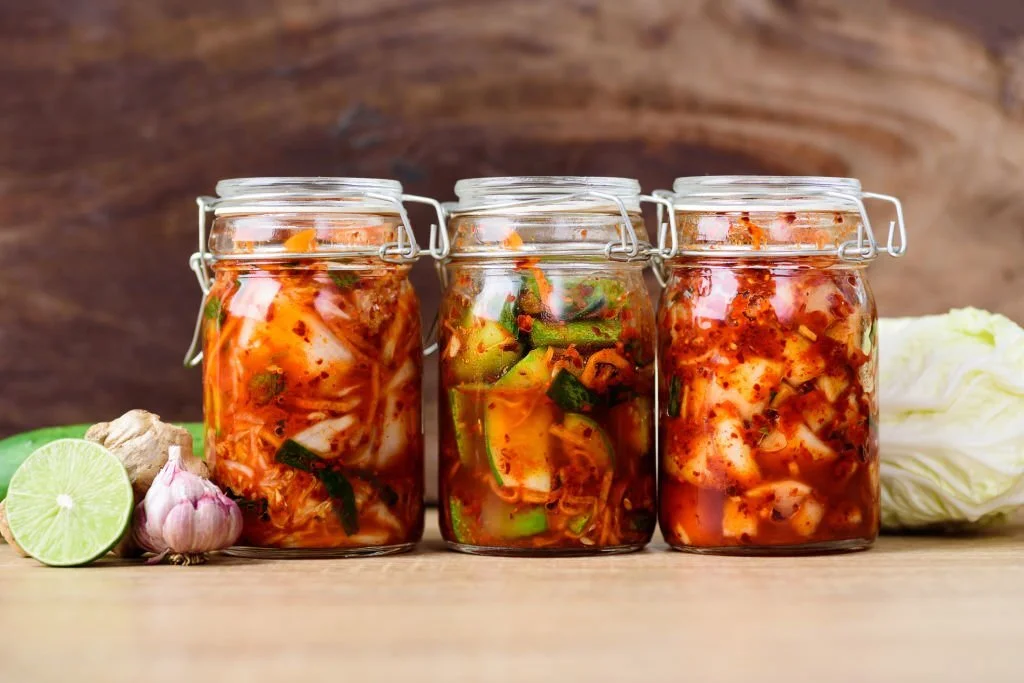
The final stage of easy kimchi making is smart management and consumption planning. Rather than storing everything in a single large container in the kimchi refrigerator or regular refrigerator, it is effective to divide the portions intended for consumption and long-term storage into smaller containers 3. Storing kimchi in small portions reduces air exposure in large containers that require frequent opening and closing, helping maintain the kimchi's taste and quality for longer 3. Clearly separating long-term storage portions from those for immediate consumption, and recording the date of kimchi making or opening, is highly beneficial for management 3.
Kimchi begins to develop flavor over approximately 2 to 3 weeks at temperatures between 3 and 5°C 3. However, this period should be treated only as a reference indicator, as it can vary depending on the condition of the napa cabbage or the type of fermented seafood sauce used 3. When serving kimchi, always use clean utensils, and avoid returning kimchi taken out once back into the container, as this leads to quality degradation 3.
During the kimchi-making season in November, even those who previously gave up due to vague fears of large-scale kimchi making can achieve the best flavor with just short periods of labor lasting 2 to 3 hours, provided they adhere to five principles: small-batch production, immediate seasoning mixing, and strict low-temperature and air-blocked storage. Easy kimchi making, starting with a small batch from one head of napa cabbage, will serve as a wise and practical alternative that adds fresh vitality to your winter dining table.
References
- 소량김치 담그는방법 1인가구 김장방법 · b02.thefoodinfo.com↩
- ↩
- 2026 김장김치 보관법 10가지: 김치냉장고 온도·숙성 기간·흰 골마지 구별 · emfls.github.io↩