1. Selecting Autumn Ingredients and Managing Vitality

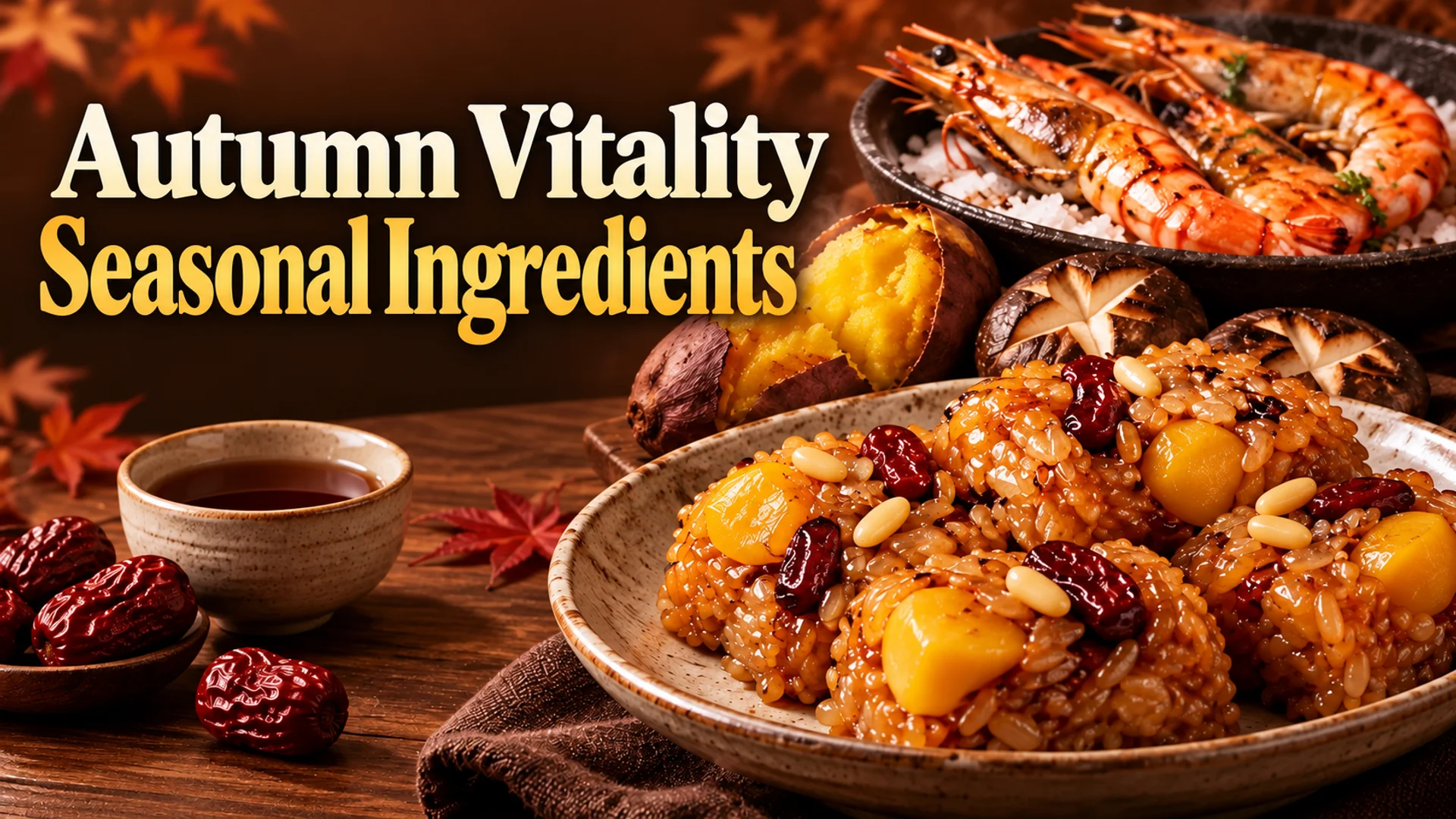
During the autumn season, as the seasons change and the daily temperature range increases, the body requires more energy for thermoregulation and immune response. During this period, utilizing seasonal ingredients harvested from late September to November can help manage vitality while ensuring optimal nutrient content and flavor. In particular, because seasonal ingredients contain nutrients that are most abundant during that specific season, naturally incorporating them into your dietary strategy is efficient. This article objectively analyzes the nutritional value of five notable seasonal ingredients for replenishing autumn vitality—sweet potatoes, jujubes, kuruma prawns, mushrooms, and chestnuts—and proposes recipes utilizing them.
2. Sweet Potatoes: Sugar Regulation and Calorie Supply

For field-grown sweet potatoes, the representative harvest period is from late September to mid-October 1. Sweet potatoes are categorized into varieties such as the fluffy chestnut sweet potato, the moist and soft pumpkin sweet potato, and the honey sweet potato, whose sweetness intensifies during storage; these distinctions arise from differences in texture and sugar content characteristics by variety 1. Some sweet potato varieties convert starch to sugar during the storage process, so sweet potatoes stored for a certain period may taste sweeter than those freshly harvested 1.
Considering vitality management in autumn, it is also worth noting changes in sweetness depending on the cooking method. According to tests by the Rural Development Administration, even within the same variety, roasting results in a higher measured sugar content compared to steaming.
| Variety | Steaming (Brix) | Roasting (Brix) | Texture Characteristics |
|---|---|---|---|
| Hogsammi | 27.2 | 37.8 | Moist and soft texture |
| Jinyulmi | 26.3 | 31.8 | Fluffy and dry texture |
[Source: Rural Development Administration test data, Seasonal Exploration (1)]
If you prefer a fluffy texture, steaming is recommended; if you desire a rich sweetness, roasting is recommended. Roasting utilizes the characteristic where sugars within the sweet potato react at high temperatures, resulting in higher sugar measurements 1. The honey sweet potato is a variety whose sweetness and softness increase during storage as it sweetens, so it is best consumed with appropriate management 1.
Due to their characteristics as tropical crops, sweet potatoes are sensitive to heat-vulnerable temperatures. The optimal storage temperature is 12–15°C; below 10°C, the risk of chilling injury increases, making long-term storage in a regular refrigerator around 4°C unsuitable 1.
A recipe utilizing sweet potatoes involves a dessert that undergoes a caramelization process. Put 200ml of water in a pan, slice the sweet potato 2cm thick, simmer until the liquid reduces, then add 40g of butter and salt, and roast until golden for 10 minutes to form a sweet potato crust 2. After topping with shredded pizza cheese and melting it over low heat for 5 minutes, pair with vanilla ice cream, honey, and whole peppercorns to deeply enjoy the natural sweetness of the sweet potato 2.
3. Jujubes: Flavonoids and Antioxidant Nutrients
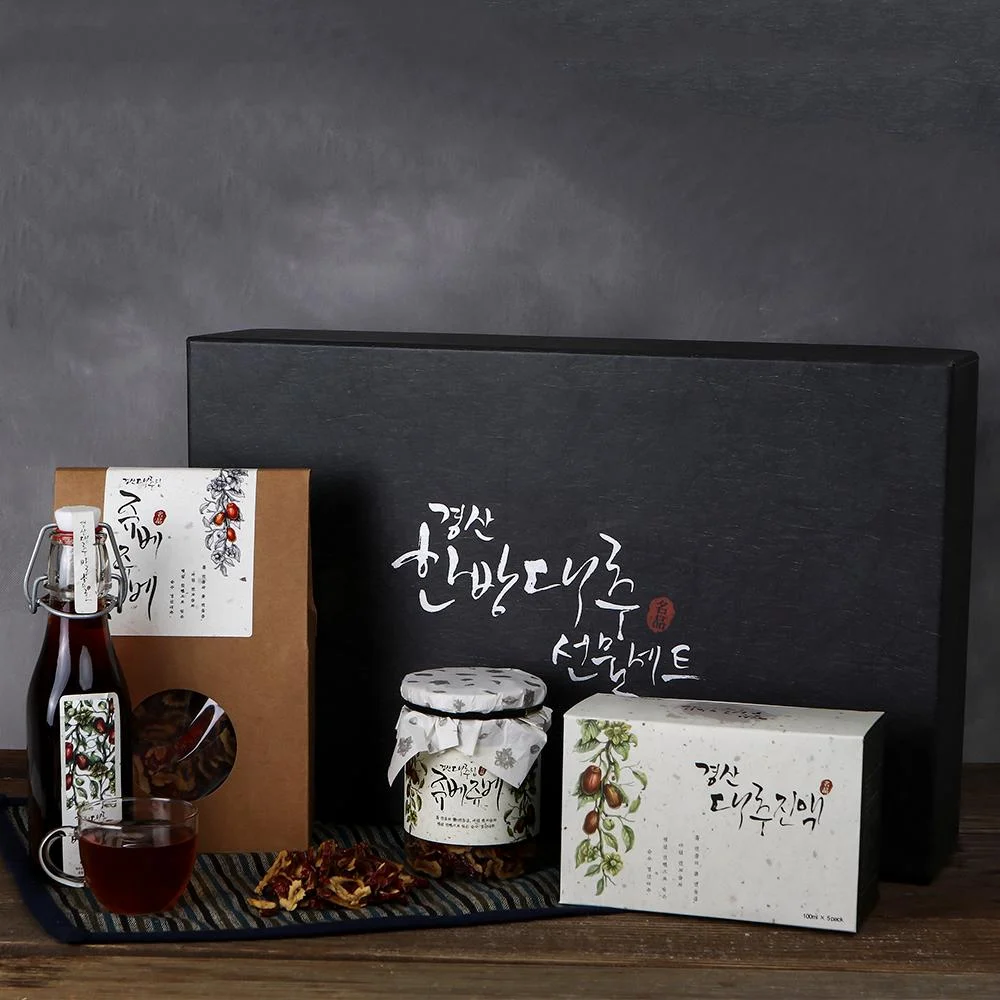
Jujubes harvested around October are a representative fruit of autumn. Per 100g of fresh jujube, there is 85.99mg of vitamin C, a level that allows the Ministry of Food and Drug Safety’s daily vitamin C intake recommendation of 100mg to be met by consuming just 115g of fresh jujubes 3. Additionally, per 100g of fresh jujube, there are 25μg of beta-carotene, 310μg of potassium, and 3g of dietary fiber, while dried jujubes provide a denser nutrient supply with 9.5g of dietary fiber and 805μg of potassium 3.
Jujubes contain plant compounds including total flavonoids of 13.56mg, rutin, sapogenin, and quercetin (12.28mg) 3. In particular, the Rural Development Administration explains that the vitamin P in jujubes is involved in capillary constriction, noting that saponin components may strengthen capillaries and help prevent arteriosclerosis 3.
There are also precautions to consider when consuming jujubes. As they are generally warming in nature, those with excess body heat should be cautious about consumption; eating large amounts of fresh jujubes may cause abdominal pain, so consuming dried jujubes is recommended 3.
The jujube porridge recipe introduced by the Rural Development Administration and the Ministry of Agriculture, Food and Rural Affairs was designed to replenish vitality while lowering digestive burden. It uses 1/2 cup each of brown rice, glutinous rice, and non-glutinous rice, 2 cups of jujubes, and 1/2 cup of ground pine nuts. The jujubes are boiled for 40 minutes, mashed, and then strained through a sieve. This is boiled together with the rice, then finely blended using a hand mixer to finish 3.
4. Kuruma Prawns: High-Protein, Low-Fat Seafood
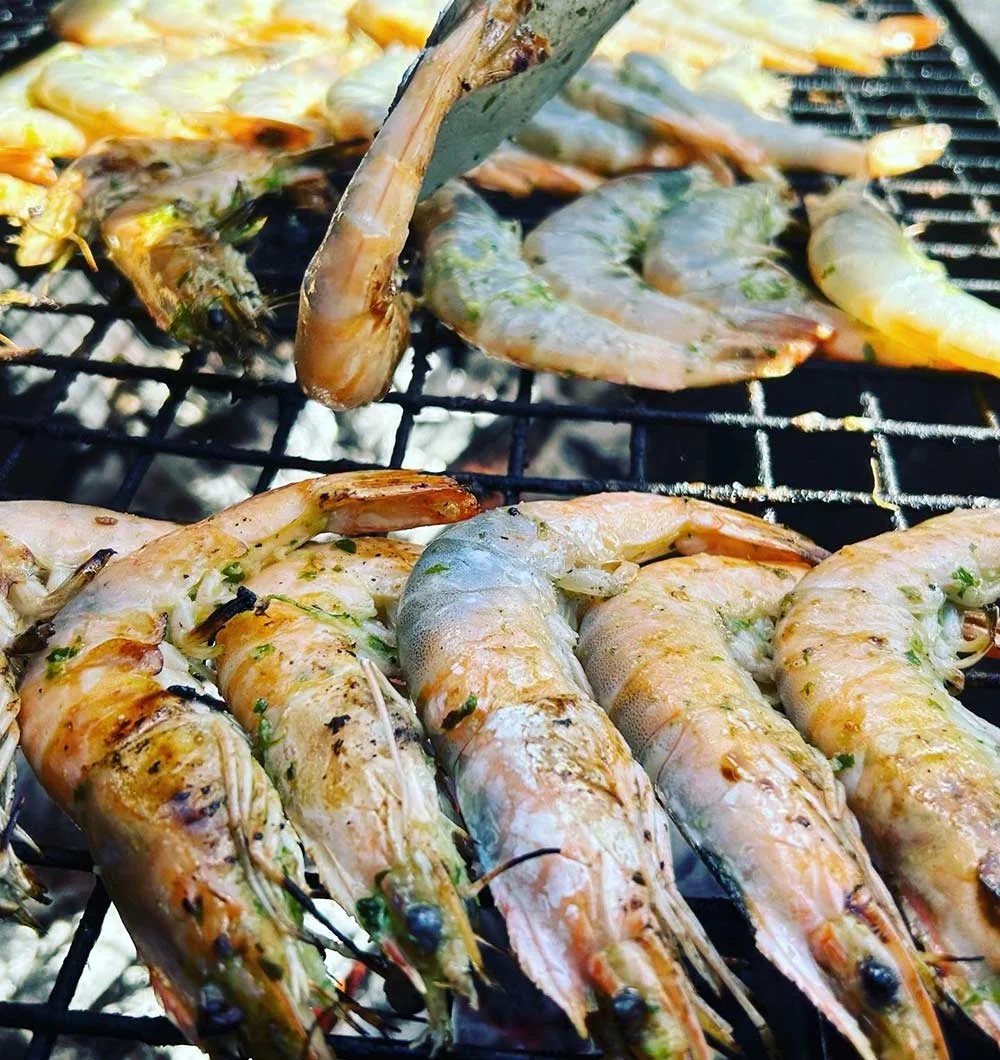
Kuruma prawns are at their best from September to November, especially around October. As a high-protein, low-fat food containing nutrients such as arginine, they are suitable as a light protein source in autumn 4, 5.
To select fresh kuruma prawns, ensure the body is translucent, the shell is glossy, and the flesh is firm. It is important to check that the head is firmly attached to the body and that there is no black discoloration or unpleasant odor 5. When preparing them, wash them under running water and remove the intestine at the second or third segment on the back using a toothpick to reduce any fishy odor 5.
The simplest cooking method that preserves freshness is salt-grilling. Prepare by spreading coarse salt thinly and evenly on the bottom of a pan or pot. Arrange the prawns in a single layer without overlapping, cover with a lid, and cook over medium heat 5, 4. Once the shell turns red, flip them once, but avoid overcooking as the flesh will shrink and become tough. The key to maintaining flavor is to turn off the heat when the body meat becomes opaque and develops elasticity, finishing with residual heat 5.
Another cooking method is deep-frying, which preserves a crispy texture. After removing the intestines and leaving only the tail, peel the prawns, then coat them in the order of flour, batter, and breadcrumbs, and fry in oil at 170°C to enjoy as a seasonal autumn side dish 6.
5. Mushrooms: Autumn Umami and Low-Calorie Nutrition
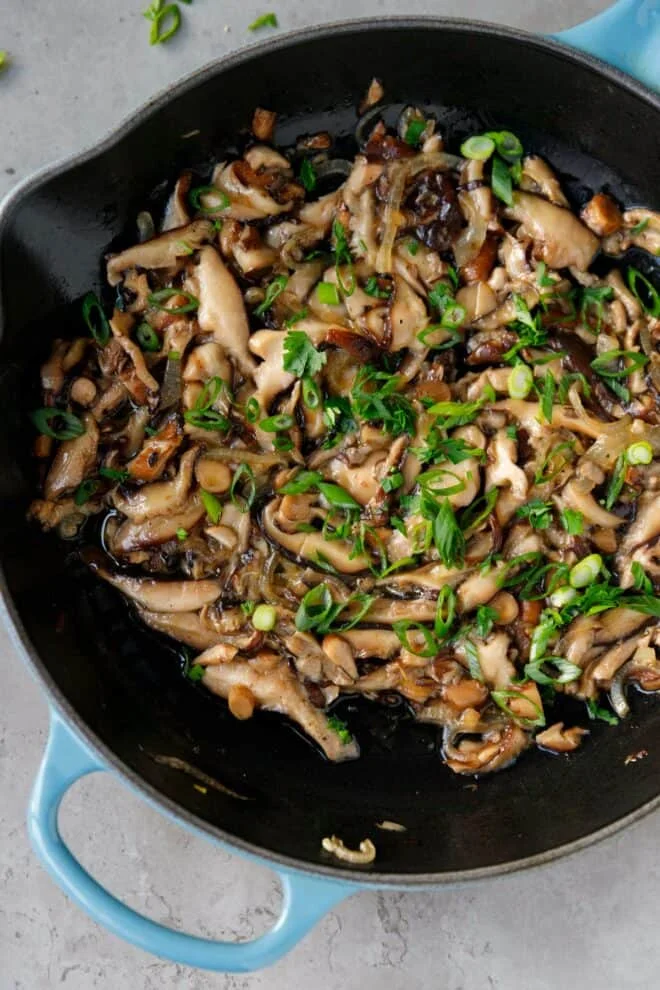
Seasonal autumn mushrooms such as shiitake and oyster mushrooms provide a unique aroma and umami flavor. Mushrooms can be utilized as mushroom rice cooked with rice in the same pot, allowing you to enjoy the umami while preserving the aroma 4. Even without elaborate side dishes, the aroma can stimulate the appetite and enhance the natural flavors of the ingredients; serving it with a soy sauce seasoning helps balance saltiness and umami 4.
Beyond mushroom rice, they can be utilized alongside autumn seafood. For example, shrimp heads left over from cleaning prawns can be used as an ingredient to add sweetness to blue crab stew broth, and serving stir-fried mushrooms alongside salt-grilled kuruma prawns allows you to enjoy diverse textures without increasing fat content 5, 4.
6. Chestnuts: Carbohydrate and Mineral Supplementation
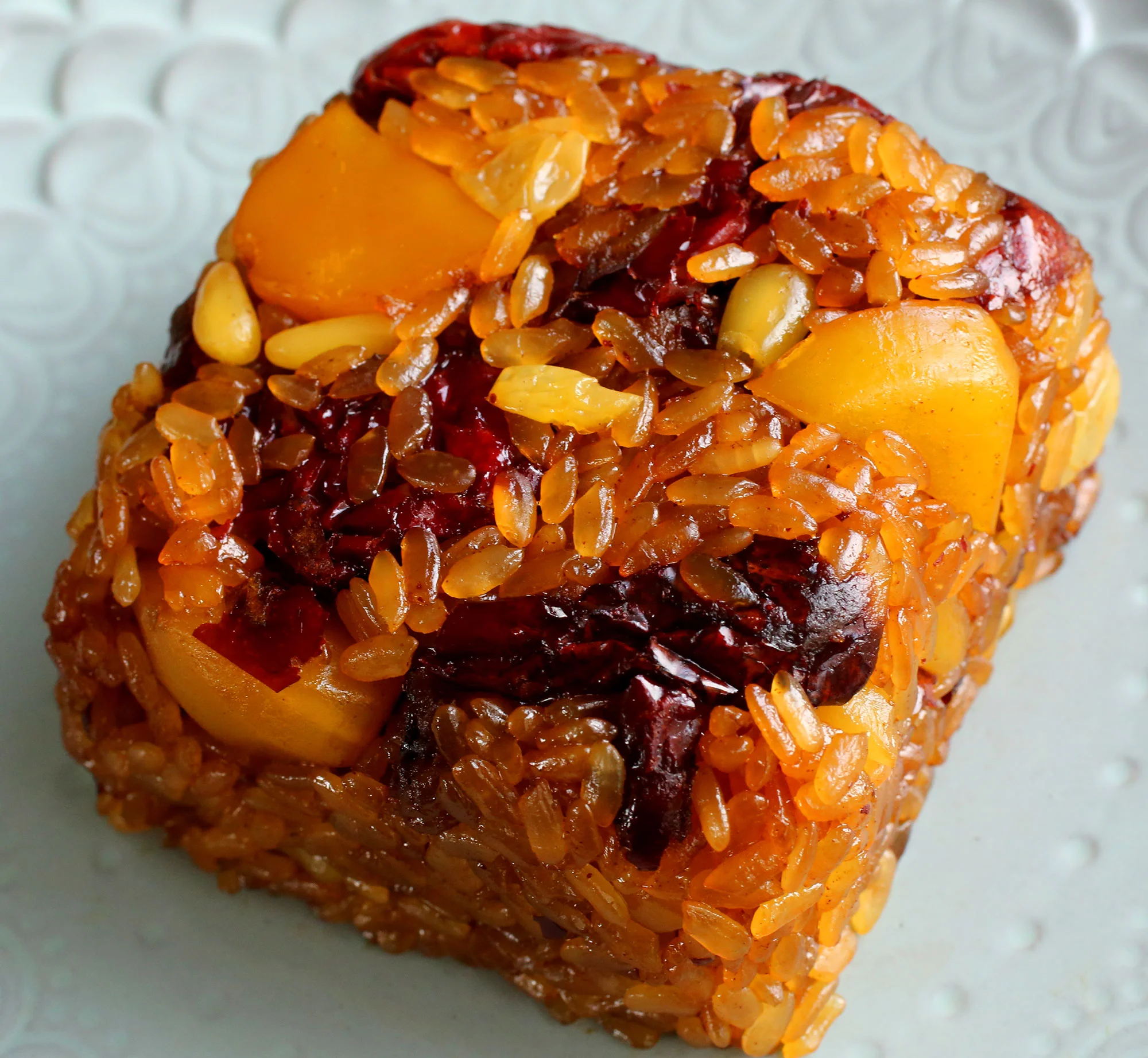
Chestnuts are a traditional source of carbohydrates harvested in autumn. When vitality drops in autumn and a light energy boost is needed, a recipe for yakshik (medicinal rice) made by combining chestnuts with glutinous rice in a pressure cooker is useful 7.
The pressure cooker yakshik recipe uses 4 cups of glutinous rice, 20 chestnuts (cut into 8 pieces), 30 jujubes (sliced), 3T of pine nuts, and 1/2 cup of raisins 7. The distinctive feature is boiling jujube seeds in 4 cups of water for 10 minutes, then adding brown sugar, soy sauce, 1t of salt, 1T of cinnamon powder, and 2T of honey to make an instant jujube syrup 7.
This jujube syrup is used instead of water for cooking, with an additional 1 cup of water added, and the rice is cooked using the standard white rice setting on the pressure cooker 7. Once the rice is complete, drizzle with 3T of sesame oil, mix in a cutting motion, and solidify in a mold to create yakshik, a traditional nourishing dish 7. The digestive characteristics of glutinous rice harmonize with the nutrients from jujubes, chestnuts, and pine nuts, and the recipe is based on the traditional philosophy of treating honey as "medicine" and mixing it with beneficial ingredients 7.
7. Strategies for a Balanced Autumn Diet
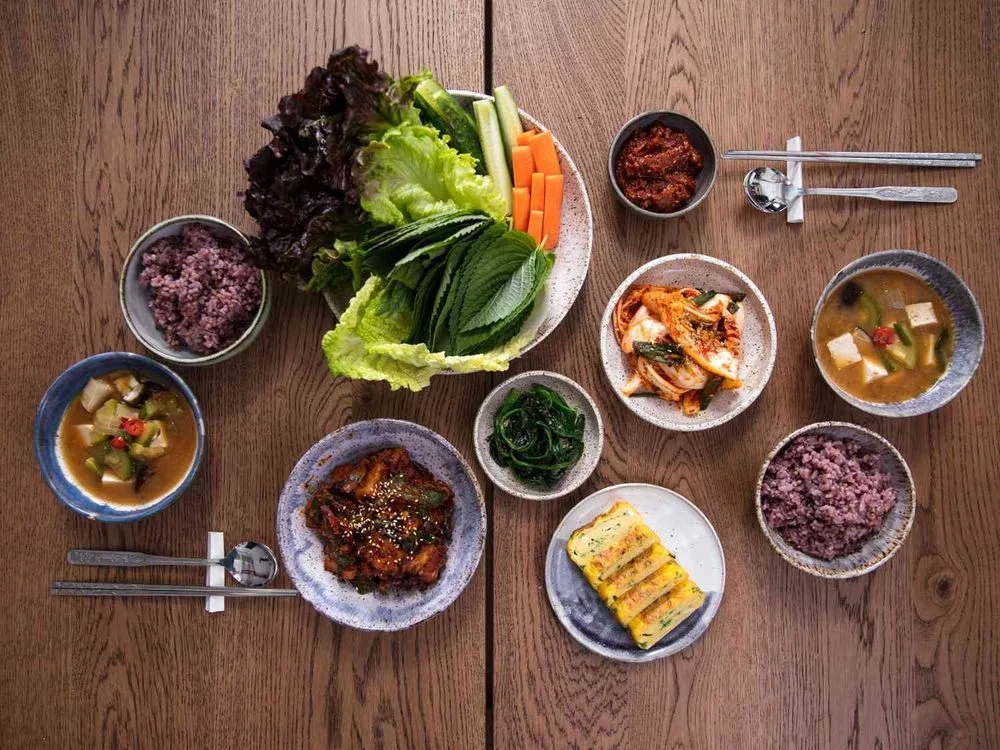
Strategies for replenishing vitality using seasonal autumn ingredients require considering cooking methods and consumption styles tailored to the characteristics of the ingredients, rather than simply focusing on nutrient content.
Store sweet potatoes in an environment of 12–15°C, utilizing the difference in measured sweetness by steaming for a fluffy texture or roasting for a rich sweetness 1. Jujubes are advantageous for supplying vitamin C and flavonoids, but excessive consumption of the fresh fruit may cause abdominal pain, so it is recommended to consume small portions using recipes like jujube porridge or jujube syrup made with dried jujubes 3.
For kuruma prawns and mushrooms, avoiding excessive heating and using methods like salt-grilling or pot rice to enhance natural flavors and aromas are effective in preserving the ingredients' inherent taste and texture 5, 4. Yakshik combining chestnuts and jujubes is a traditional method that simultaneously supplies carbohydrates and minerals while gently converting energy within the body 7. By composing a diet with diverse and appropriately cooked seasonal ingredients during this transitional season, it is possible to achieve vitality management that satisfies both health and flavor.
References
- 고구마 제철은 언제? 종류부터 수확철·영양·보관법까지 | 제철탐구 · seasontable.kr↩
- [어남선생 레시피] 치즈 누룽지X꿀고구마의 미친 만남★ [크레이지 고구마] 환상적인 맛의 미친 조합★ [신상출시 편스토랑/Fun-Staurant] | KBS 231208 방송 · youtube.com↩
- [대추 분석] 크기는 작아도 영양은 가득...'불로장생' 대추의 진짜 효능은? · esocialtimes.com↩
- 【가을 제철 음식】 가을에 꼭 먹어야 할 음식 추천! · kr.trip.com↩
- 대하 제철은 언제? 가을 대하 고르는 법과 소금구이 팁 | 제철 도감 · seasonal-guide.com↩
- 🍂가을 제철 식재료로 9가지요리만들기/가을제철반찬만들기/fall seasonal dish · youtube.com↩
- 약식 만드는 법 / 명절음식 실패 없는 압력밥솥 약밥 만드는 법 · m.blog.naver.com↩