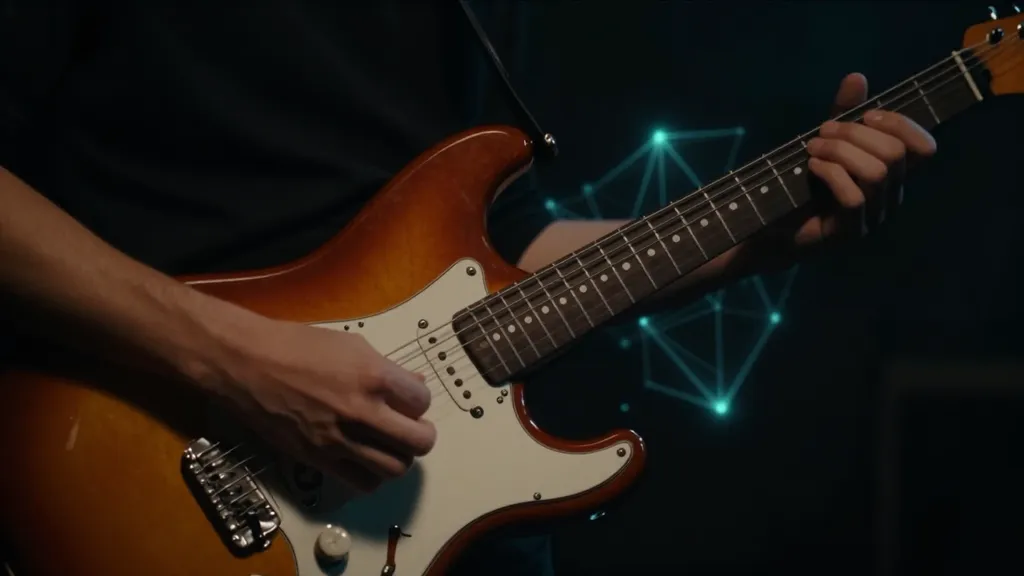
"If AI can play more accurately and with flashier shredding than I can, why am I even holding a guitar?"
In 2026, this question, which keeps every guitarist awake at night, is no longer just a philosophical rhetorical device. In an era where generative AI can create perfect phrases in a matter of seconds and clone an artist's voice, we stand before a massive wall called technical perfection.
Simply "practicing more" cannot solve this problem. Today, we will dive deep into how a guitarist can go beyond mere survival and prove their unique value amidst the massive wave of artificial intelligence.
Technical Perfection vs. Human Imperfection: What Makes Art?
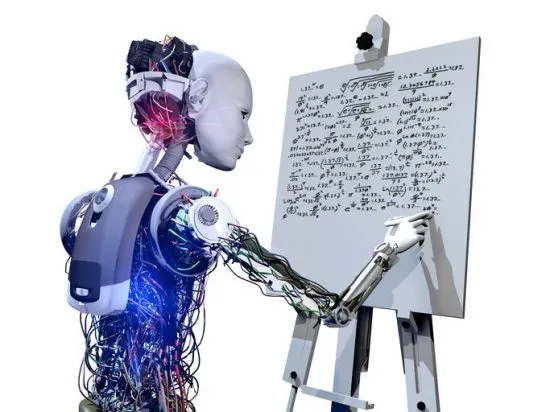
First, let's coldly analyze the reality we face. By 2026, AI already calculates the "most pleasant" melodies and "most perfect" rhythms based on statistical probability. AI performances, completed through data learning, boast a sophistication free of any physical error.
Here, we face two opposing paths.
The first path is 'maximizing technical sophistication' by competing with AI. This involves honing faster shredding, more complex harmonies, and more precise techniques to a level that AI cannot match. However, this strategy is dangerous. AI does not tire, and as its training data accumulates, it will reach a "mathematical perfection" that transcends human physical limits. In other words, fighting a machine with "mechanical perfection" is like pouring water into a bottomless pit.
The second path is returning to the 'human essence' that AI can never mimic. As mentioned in the analysis by Arte, AI merely produces results based on statistical probability; it cannot contain individual pain, joy, or social context. In short, the absence of Intent and Empathy is AI's fatal weakness.
Human performance contains 'imperfection.' A slightly trembling vibrato, a laid-back style that lags slightly due to being swept away by emotion, and the existential feelings the performer feels in that moment seep between the notes. This is not calculated data, but a Homo Sentiens characteristic exhaled by a living being.
Three Survival Strategies for Guitarists in the AI Era
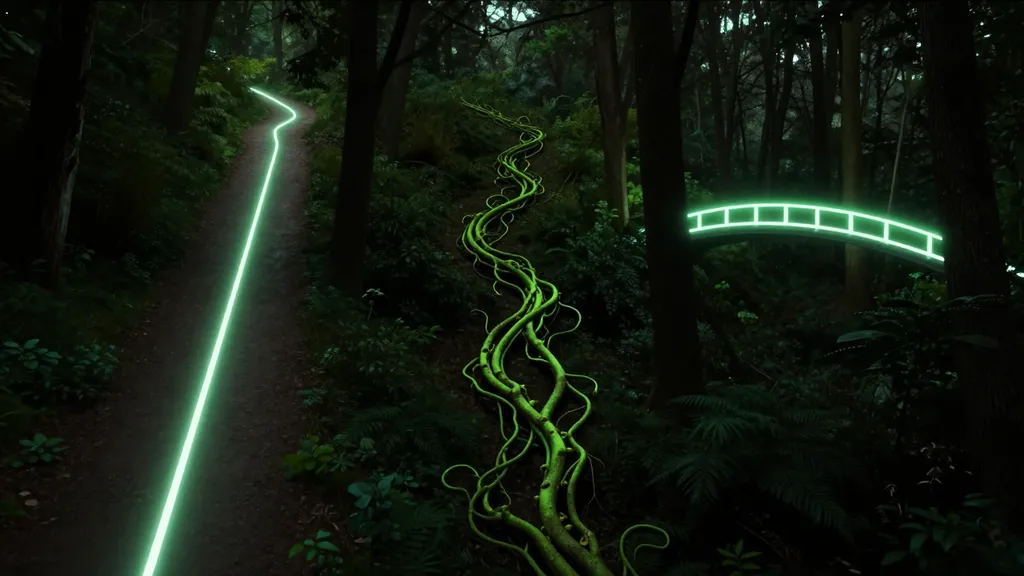
So, what specific direction should we choose? Let's compare the three main strategies currently under discussion.
1. The Tech Supremacy
- Core Concept: Aiming for extreme physical techniques and ultra-high-difficulty playing that is hard for AI to reach.
- Pros: Provides a sense of wonder by demonstrating human physical limits.
- Cons: As AI's computational speed and accuracy increase, the battle of "who is faster" is unwinnable. Furthermore, there is a high risk of the performer becoming buried in mechanical playing and losing artistry.
2. The Soulful Improvisation
- Core Concept: Understanding musical context and focusing on live improvisation and emotional delivery.
- Pros: Attacks the 'data limitations' of AI. It connects with the audience emotionally by weaving narratives linked to human life into the music.
- Cons: It may be relatively less attractive in a market that pursues only mass-market "pleasurable listening." It requires high humanities literacy and deep musical insight.
3. The Co-creation
- Core Concept: Accepting AI not as a competitor, but as a new 'brush' or 'instrument' to expand the scope of creation.
- Pros: One can break the limits of imagination by utilizing AI's vast data. Musical ideas can be quickly materialized through prompt engineering.
- Cons: High potential for copyright disputes. As of 2026, legal protection for AI-generated content remains uncertain, and one risks becoming a "digital mimic" who loses originality and merely copies AI styles.
Conclusion: Use Your 'Imperfect Soul' as a Weapon
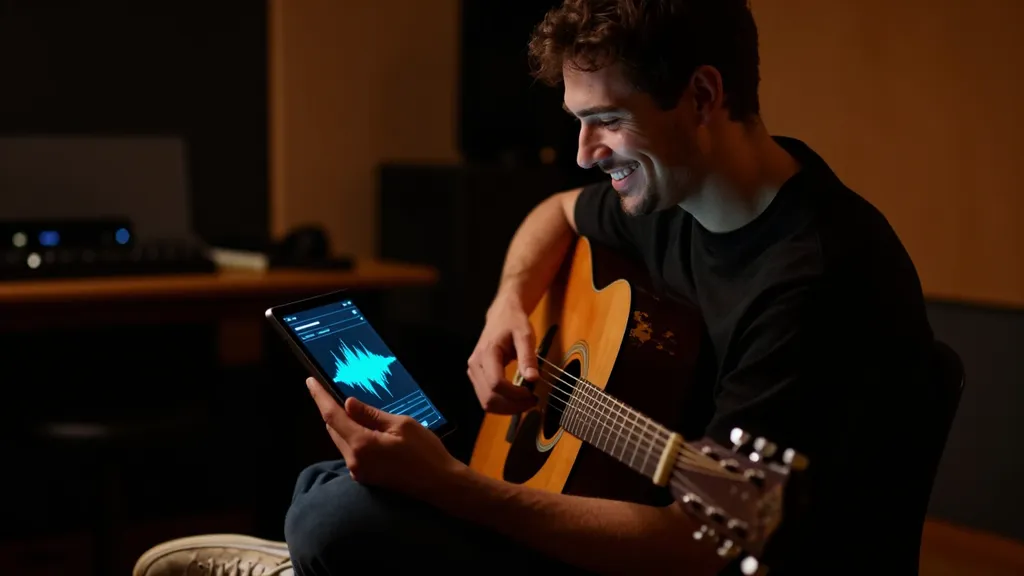
After comparing the three strategies, the most powerful future strategy I suggest is a hybrid model that takes 'The Soulful Improvisation Strategy' as its axis while using 'The Co-creation Strategy' as a tool.
Simply playing the same patterns as an AI is a suicidal act. Instead, use AI to obtain new harmonic ideas or to expand the realm of sound design, but leave the final decision and the act of breathing soul into that music solely to you, the human.
AI knows well 'what' to play, but it does not know 'why' it is playing. Your Intent—why you wrote this song, or why you added this specific vibrato at this moment—is the one and only unique power a guitarist can possess in the AI era.
To summarize:
- Focus on human imperfection and emotional narrative rather than technical perfection.
- Define AI not as an enemy, but as a new instrument that amplifies your imagination.
- Ultimately, the value of music comes from your life and experiences, not from data.
Paradoxically, as technology advances, we must become more 'human.' While AI prints out perfect notes, you should fill the spaces between those notes with your story. That is precisely why we must still hold the guitar in 2026.
Which moves your heart more: a perfect guitar solo played by an AI, or a trembling solo played by a human? Let us know your thoughts in the comments!
References
- 새로운 붓을 든 인간, AI 시대에 예술의 주인은? - arte : MUSIC 듣다 · arte.co.kr
- 깊이 있는 사고를 할 수 있는가? - AI 시대 누가 미래를 이끄는가 · wikidocs.net
- 창의성과 문화다양성을 위하여 2025 글로벌 혁신을 위한 미래대화 · futuredialogue.or.kr
- [AI 저작권 논란] AI 작곡가의 노래, 주인은 누구일까? & AI가 만든 만화 ... · biochemistry.khu.ac.kr
- AI 시대의 음악 저작권 보호를 위한 검증 기술과 K-pop 산업의 대응 전략 · blog.naver.com
- 음악 업계에 뭔가 찜찜한 일이 벌어지고 있는데, 우리가 방금 그걸 겪었어 · reddit.com
- 작곡 AI의 현재와 쟁점에 따른 국내 음악저작권 논의방향 연구 · kci.go.kr
- 1. AI 커버곡 등 AI 영상 확산에 따른 법적 문제 · jipyong.com