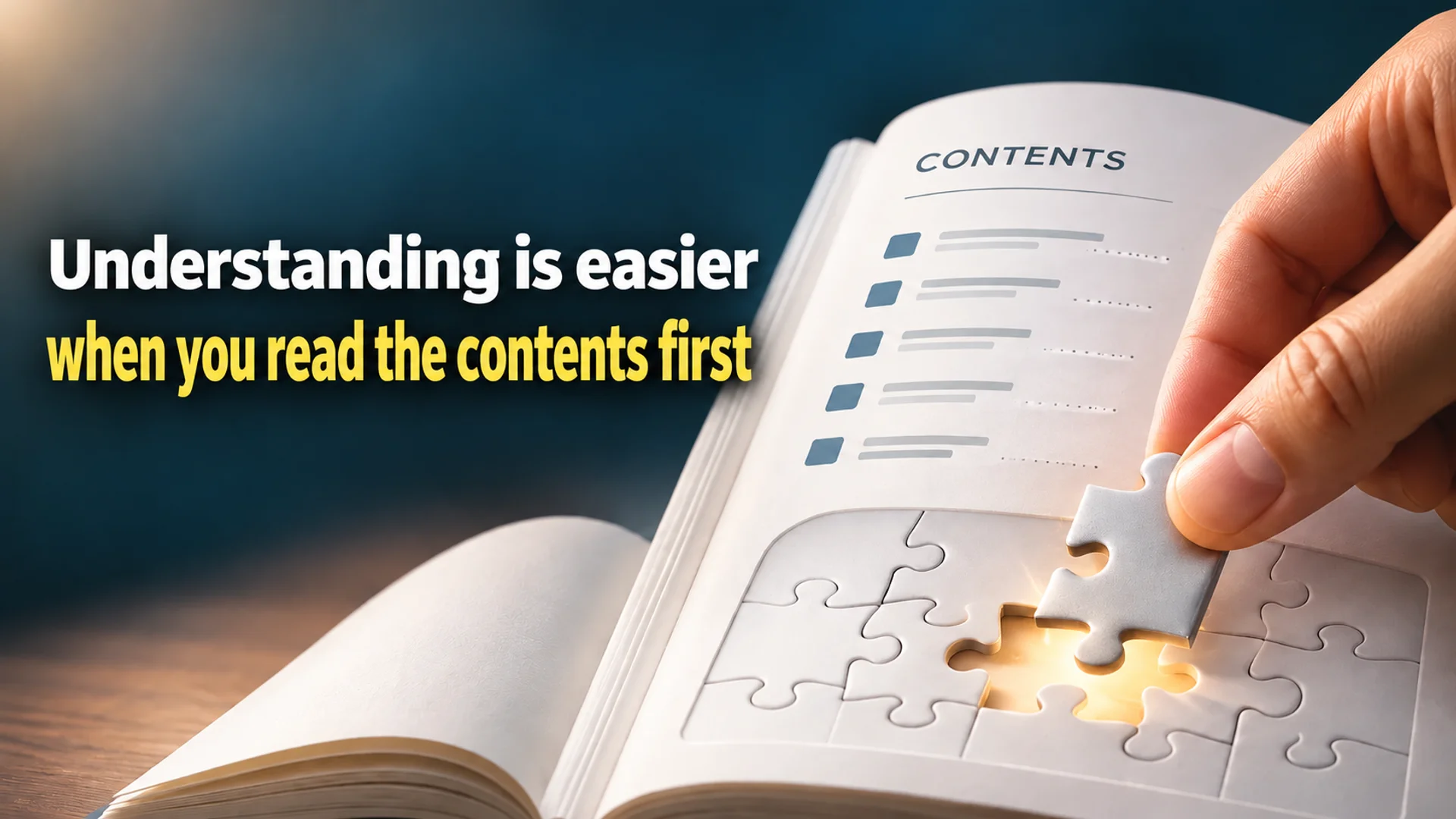
Did you know that 6 out of 10 adults in South Korea do not read a single book for an entire year?
The experience of being a "reading failure"—buying books only to let them pile up in a corner of the bookshelf—is no longer just a matter of individual laziness.
Today, in 2026, I want to talk deeply about the emergence of the AI Reading Coach, which is completely transforming our reading habits, and the strategies for using it smartly.
Amidst the Flood of Information, Why Can't We Read?
The reason we cannot read is clear. It is not because we lack innate reading ability, but because we are trying to lift "heavy barbells" that our brains struggle to handle.
As author Lim Hee-young points out in I Will Read This Book to the Very End, modern humans have their brains conditioned by the ultra-short-term stimuli emitted by social media and OTT services. Facing hundreds of pages of text in this environment is as painful as lifting heavy dumbbells when you have no muscle.
Furthermore, the reading environment of 2026 has become even more complex. Constant smartphone notifications fragment our concentration, causing us to fall into the temptation of digital stimuli even before we can turn a single page.
There is no need to blame yourself or feel guilty, thinking, "I just lack willpower." What we need right now is not powerful willpower, but realistic tools and an environment that will build a reading habit.
The Emergence of the AI Reading Coach: A 'Personal Tutor' Beyond Simple Recommendations
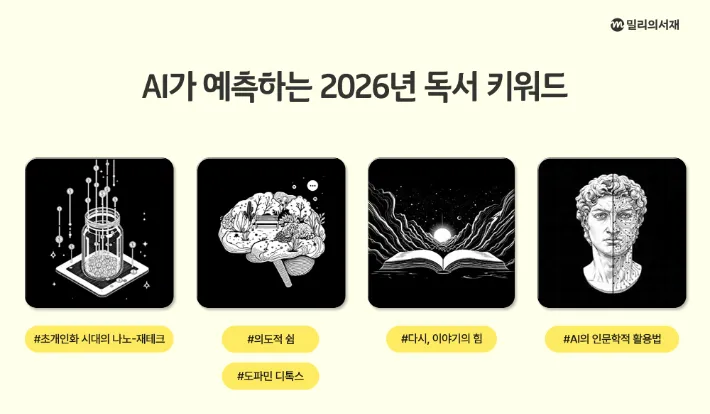
Fortunately, the technology of 2026 has gifted us a powerful partner to help build our "reading muscles." AI has now moved beyond simply asking, "How about this book?"
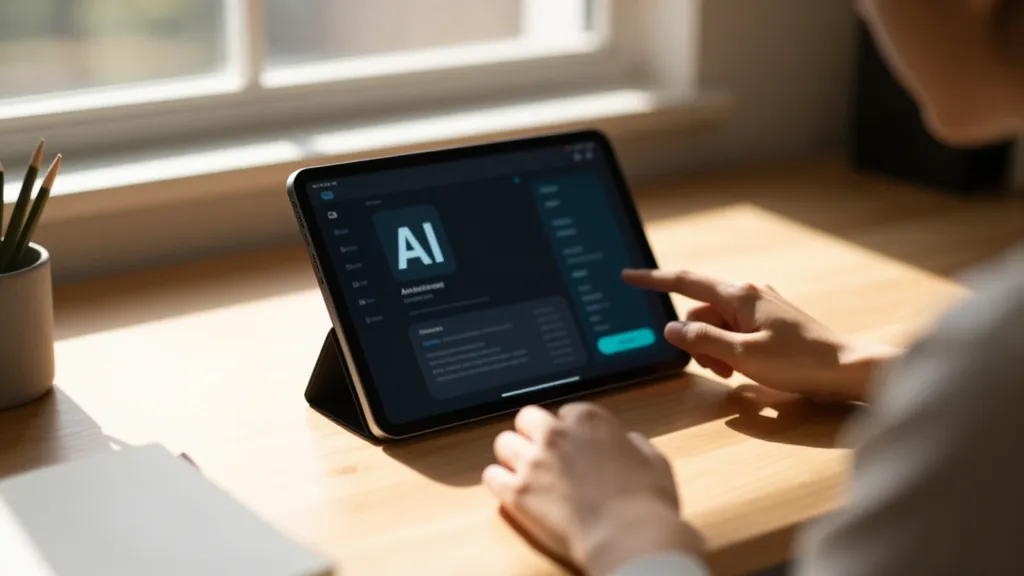
Recent, highly acclaimed AI Reading Coaches precisely analyze a user's reading patterns. For example, systems like 'AI Read-In' or 'AIbookTutor©' monitor a reader's reading speed, literacy, and even emotional responses to the text in real time.
Let's look at the innovative functions these AI tools provide:
- Customized Reading Path Design: They provide a 'personalized curriculum' that gradually increases difficulty levels starting from a level that is easy for the user to read. The key is to recommend books at an appropriate level that provides a sense of achievement rather than an overwhelming challenge.
- Real-time Two-way Interaction: Beyond simply reading words, you can explore content by conversing with the AI. If you encounter a sentence you don't understand, you can ask the AI for immediate supplementary explanations. This transforms passive reading into active learning.
- Data-driven Feedback: It shows you through quantitative data which genres you excel in and which topics cause your concentration to drop. Much like an athlete checking their muscle condition, you can monitor your own intellectual growth.
In fact, some overseas educational institutions have reported remarkable results, such as a more than 30% increase in learning efficiency after adopting these AI-based solutions.
The Trap of Convenience: What We Must Guard Against in the Era of AI Reading
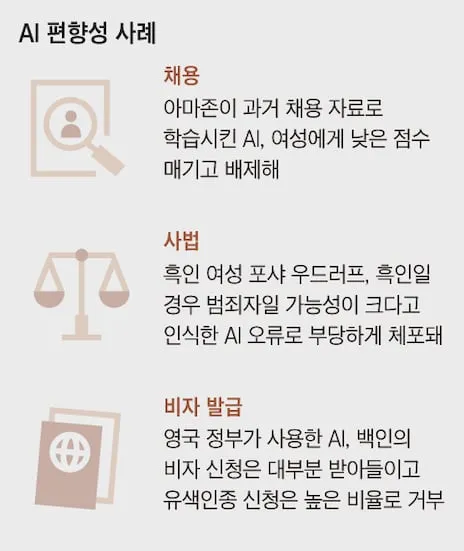
However, every technology has its light and shadow. Behind the convenience provided by the AI Reading Coach lie two fatal risks that we must be wary of.
The first is the 'Filter Bubble' phenomenon. AI recommendation algorithms are fundamentally optimized to find 'what you are likely to like.' The problem is that this only reinforces the user's existing interests or beliefs. If you continue to read only books in genres you like, the original purpose of reading—expanding your thoughts by encountering diverse perspectives—may fade. This could eventually lead to being trapped in an 'information prison,' hindering critical thinking abilities.
The second is 'Selective Reading' and the loss of agency. If the AI decides everything and only presents easy-to-read summaries or correct answers, we lose the 'intellectual pleasure' of questioning and contemplating for ourselves. Over-reliance on technology can weaken the ability to interpret texts independently and evaluate them critically.
Therefore, we should treat AI not as an 'omnipotent teacher,' but as a 'capable assistant' that helps our intellectual exploration. It is essential to practice 'balancing' by intentionally choosing books from unfamiliar fields that you don't normally read among those recommended by the AI.
A 3-Step Strategy to Create Your Own Customized 'Reading Prescription'
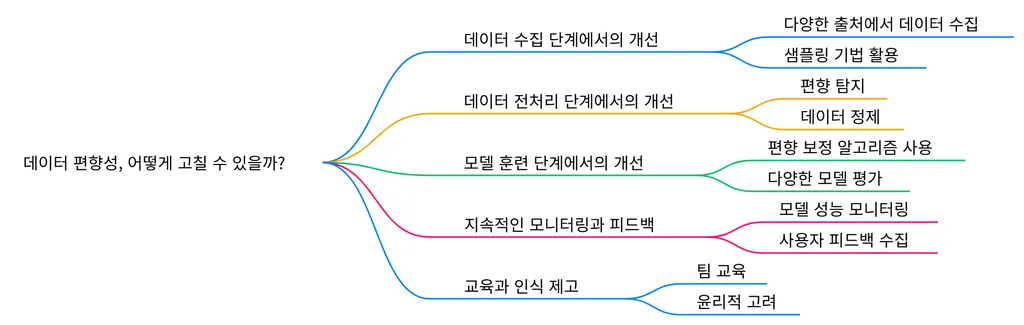
So, how can we achieve successful reading using the technology of 2026? Here is the realistic 3-step strategy I propose.
Step 1: Build Reading Muscles with 'Micro-Reading'
Do not open a thick classic work of humanities right from the start. Be honest with the AI about your current level. If you input, "I am currently only able to read very short texts," the AI will recommend short essays or articles that can be read in just a few minutes. The 'small achievement' of reading even a single page to the end is the beginning of building reading muscles.
Step 2: Practice 'Active Reading' by Conversing with AI
If you get stuck while reading, don't just skip it. Try using tools like ChatGPT Bookworm or StoryGraph AI Pro. Ask the AI questions like, "Why was this word used in this context?" or "What are the opposing viewpoints to this author's argument?" Through the process of exchanging questions, the text becomes living knowledge rather than mere information.
Step 3: 'Intentional Selectivity' to Reject Algorithmic Interference
Set one day a week as a day to completely ignore AI recommendations. Go to a bookstore in person or wander through the random aisles of a library and pick up a book that catches your eye. Our thinking grows most when we break the 'filter bubble' created by AI and collide with unfamiliar worlds.
Summary: AI is not a replacement for reading, but a tool to complete it

Ultimately, the reading revolution of 2026 is not about technology replacing humans, but about how technology can assist human intellectual exploration.
Through AI, we can easily and quickly find books that fit us perfectly (efficiency), receive personalized feedback (deep understanding), and lower the threshold for reading. However, in that process, the keys to final judgment and critical thinking must be held by ourselves.
Key Summary of Today:
- Reading failure is a matter of 'reading muscles,' not willpower.
- AI Reading Coaches are powerful tools that provide personalized paths and real-time feedback.
- Intentional 'diverse reading' is essential to prevent algorithmic bias and the loss of agency.
Now, take out the books sleeping on your bookshelf. And how about starting with just a single small page, with a reliable coach like AI by your side?
What was the most impressive book you have recently read based on an AI recommendation? Please share your reading experiences in the comments!
References
- 책 첫 장만 무한 반복? 완독 실패러들을 위한 현실 독서 처방전 - Daum · v.daum.net
- 인공지능 시대의 독서 (1) - Naver Blog · blog.naver.com
- AI 기반 랜덤 도서 생성기 완벽 가이드: 2026년 최고의 추천 도구 분석 · skywork.ai
- AI 기술로 독서 습관의 혁신, 'AI 리드인' : 네이버 블로그 · blog.naver.com
- 생성형 AI와 인문 독서 교육의 연계 가능성 연구 - 한국학술지인용색인 · kci.go.kr
- 독서율 저하 문제…'이것'통해 해결할 수 있다! - 사례뉴스 · casenews.co.kr
- AI 독서, 새로운 독서 환경 만들다 - 고대신문 · kunews.ac.kr
- 생성형 AI 기반 도서관 서비스 환경에서의 데이터 편향성 탐색과 대응 ... · accesson.kr