Why 'Making Use of Spare Moments' Is Gaining Attention in 2026 Instead of Grand Goals

For professionals in 2026, the benchmark for happiness is trending toward small, concrete routines deeply woven into daily life rather than grand achievements or extravagant rewards. While the concept often referred to as 'sokhwak-haeng' (small but certain happiness) once remained confined to simple consumption or hobby activities, recent interest has shifted toward the quality of consciously designed time, such as the 'one hour' right after work. This can be termed 'micro-happiness.'
Micro-happiness is not merely leisure spent killing time. It serves as a tool to transform neglected spare moments into habitual routines, generating tangible records and actions 1. For professionals who struggle to secure new time due to work and childcare, this approach reduces psychological burden while restoring a sense of control over life. For instance, a professional in their 40s approaching retirement is preparing for their post-retirement life by fixing '30 minutes during their commute bus ride' as a study routine, without allocating separate time 1.
Psychological Transition: Techniques to Help the Brain Recognize 'Work Is Over'
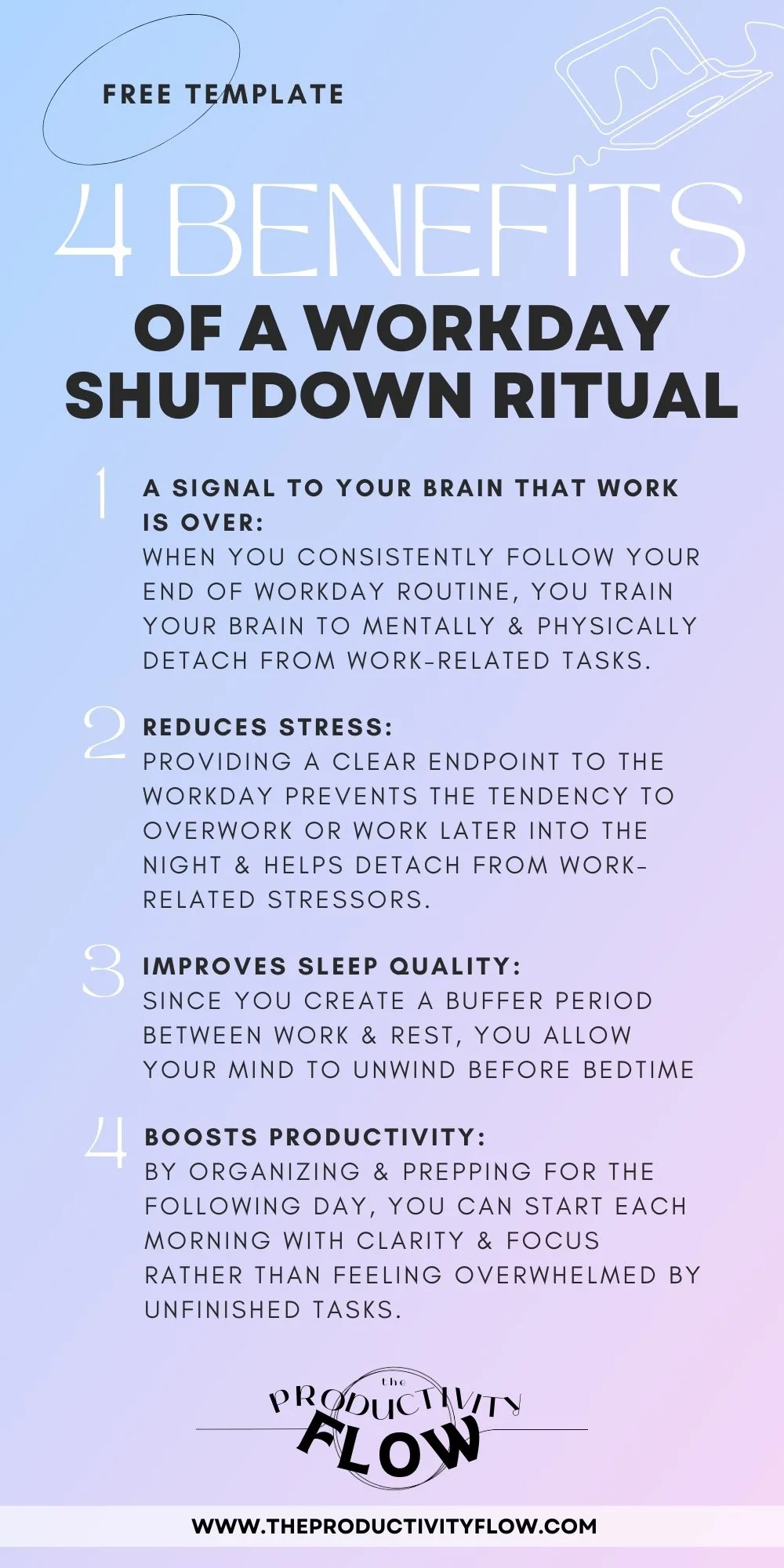
To spend time after work meaningfully, the brain must first completely exit work mode. Psychologically, a 'Transitional Space' is required between work and daily life. Clearly defining boundaries through physical and behavioral actions sends a termination signal to the brain, facilitating emotional transition 2.
This is closely related to the Zeigarnik Effect. The Zeigarnik Effect causes unresolved tasks to create psychological tension after work, stemming from the brain's tendency to continue processing incomplete assignments 2. Consequently, if the brain does not clearly recognize the termination signal, even the first hour after work can be filled with residual work stress.
Especially for professions requiring deep emotional engagement with others, mirror neurons can cause others' emotions to linger like afterimages. If these emotional afterimages become chronic, they may lead to Compassion Fatigue or Burnout 2. To prevent this, simple yet repetitive rituals—such as handwashing (utilizing the Macbeth Effect), changing clothes, or listening to specific music—send a clear signal to the brain that "working hours are now over" 2.
The Science of Habit Formation: Principles for Solidifying One Hour into a Routine
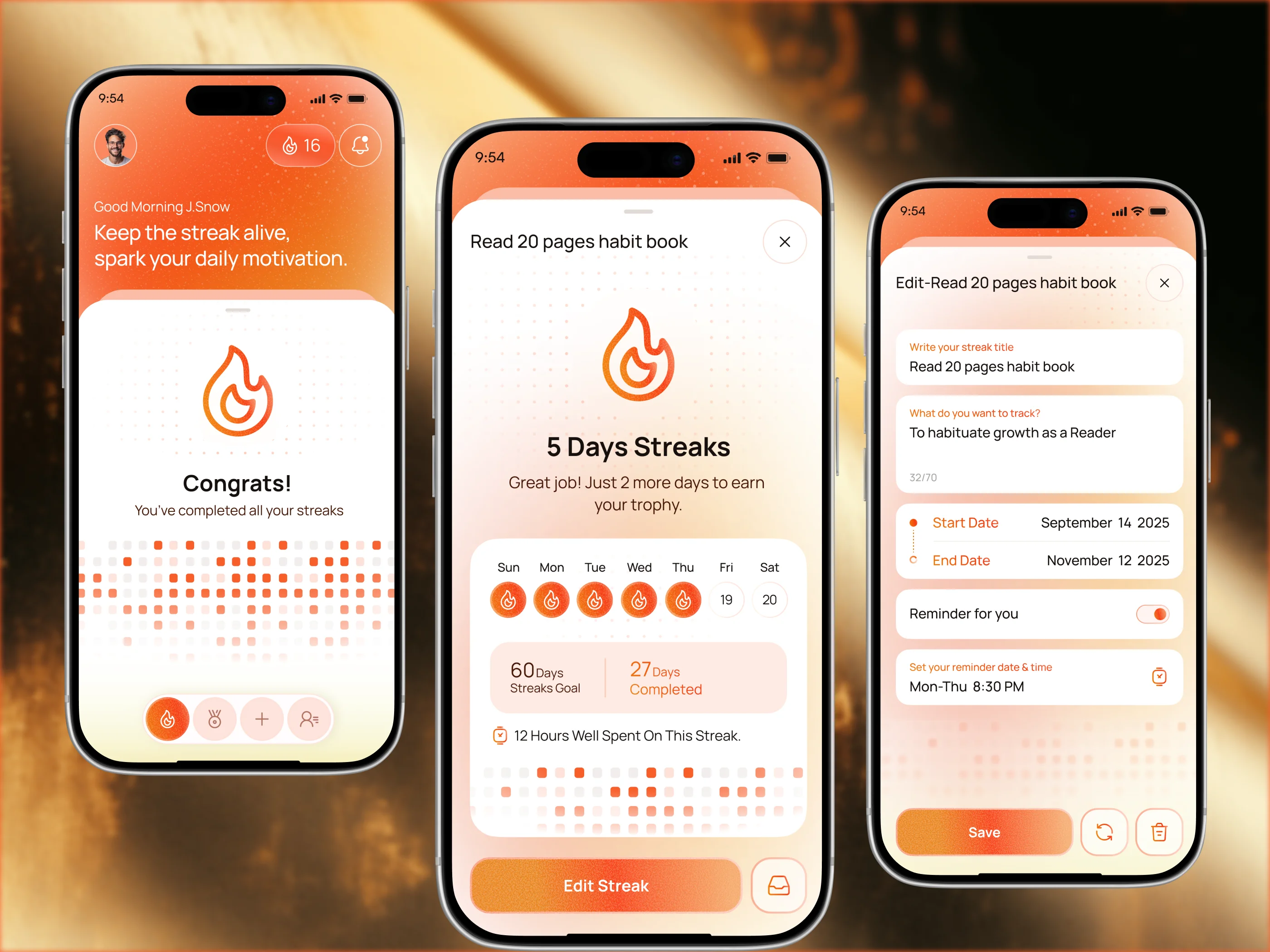
The key to sustaining micro-happiness lies in 'environmental design that lowers reliance on willpower.' Research on habit formation indicates that it takes an average of 66 days for a new behavior to become automatic, with individual variations ranging from 18 to 254 days 1. It is reported that skipping the habit for about one day during this process does not cause significant damage to overall habit formation 1.
For professionals, relying solely on willpower makes it difficult to sustain a designed one hour after work. Successful routines involve designating repetitive spare time, breaking that time into short units of 30 minutes or less, and curating content in advance to reduce the 'time spent choosing' 1. This strategy reduces psychological resistance by accumulating small achievements and counting the days since restarting 1.
Practical Guide: Designing Your Own One-Hour Routine in Fall 2026

To fill the one hour after work with micro-happiness, consider the following steps. This methodology reconstructs the approach applied by an actual professional for their investment study routine, from the perspectives of psychological recovery and self-development 1.
| Step | Action | Purpose and Effect |
|---|---|---|
| Transition Ritual | Handwashing, changing clothes, listening to specific music | Sends a work-termination signal to the brain to promote emotional transition (utilizing the Macbeth Effect, etc.) |
| Environmental Design | Pre-saving content, setting up AI tool interfaces | Minimizes willpower depletion and prevents choice overload |
| Core Execution | 30 minutes of focused work, utilizing spare moments | Maintains high focus and ensures sustainability without burden |
| Recording and Reflection | One-line notes, summaries, and question organization | Secures tangible results from execution and enhances sense of achievement |
By using AI tools (such as NB, Claude, etc.) after arriving home to summarize content and organize questions, the process transforms from mere information consumption into time dedicated to accumulating personal competence 1. Crucially, adhering to the 'sequence' of actions is more important than the tools themselves 1.
Conclusion: The Autonomy of Life Created by Small Routines

Micro-happiness does not promise grand changes. However, by cultivating the ability to judge and choose for oneself through the one hour after work, we can regain control over daily life 1. Regulating fatigue caused by mirror neurons or anxiety from unfinished tasks through physical rituals, and filling spare moments with routines, is itself a practical psychological recovery technique for professionals in 2026 2.
References
- 퇴근 후 30분, 40대 직장인이 투자 공부 루틴(routine) 을 만든 방법... · thelegacynote.com↩
- 상담사의 퇴근 의식: 상담실 문 닫으며 내담자 걱정 두고 나오기 · mindthos.com↩