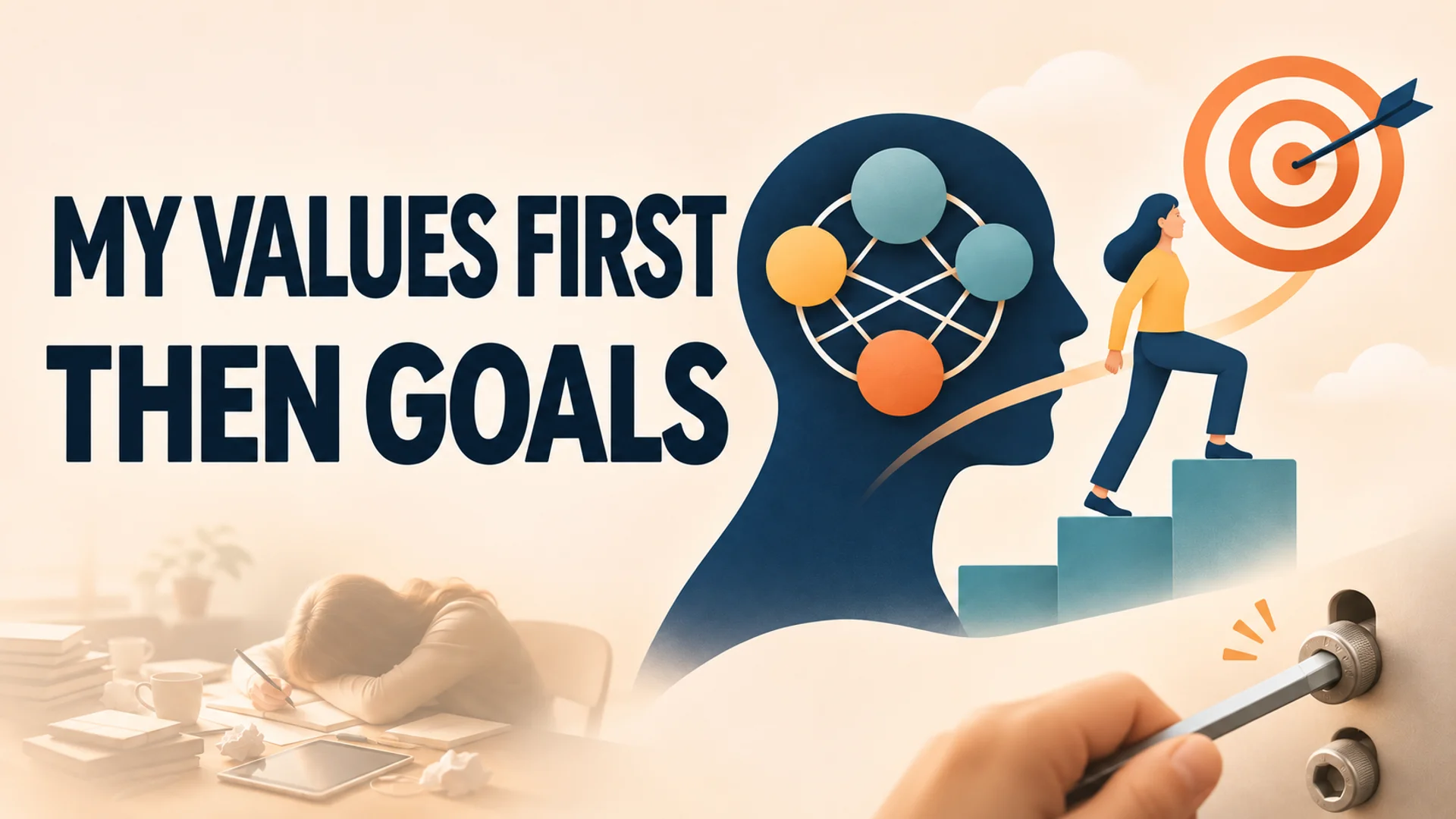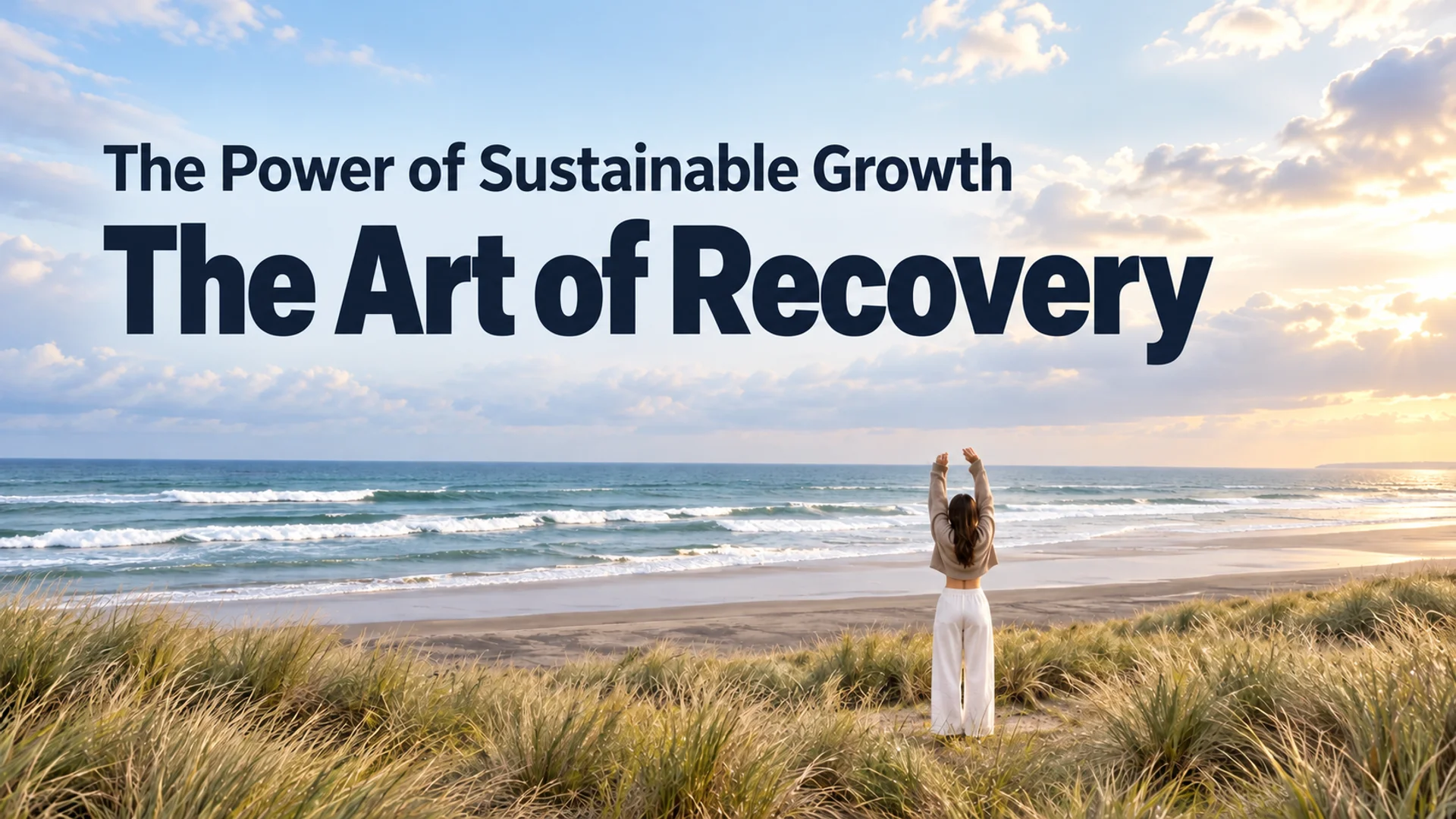
If the self-improvement discourse of the past chased the single right answer of "immersion" and "focus," the clock of 2026 has turned in a completely different direction. As artificial intelligence competition intensifies, pressures to extend physical working hours to the extreme are mounting worldwide, mirroring Silicon Valley's "996" work culture (working from 9 a.m. to 9 p.m., six days a week) and debates over 70-hour workweeks in India 1. However, as critiques emerge that such long working hours ultimately give rise to the paradox of diminished concentration and reduced creativity, "how wisely one recovers" is increasingly emerging as the key factor determining individual success, rather than "how deeply one concentrates." The perception is spreading that true resilience lies not in enduring a state of depletion, but in sustainable balance 2.
The Light and Shadow of "Immersion": Why We Are Exhausted
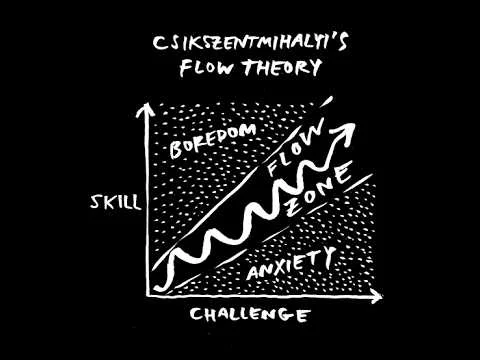
Psychologist Mihaly Csikszentmihalyi's "Flow" theory, proposed in 1975, describes an optimal psychological state experienced when three conditions are met: a balance between challenge and skill, clear goals, and immediate feedback 3. In this state, time distortion and loss of self-consciousness occur, and the activity itself becomes intrinsically rewarding, exhibiting autotelic characteristics 3. Once considered the golden rule of self-help books, excessive immersion combined with long working hours can instead become a shortcut to burnout.
Experts warn that excessive work in the AI era may increase short-term output but deteriorates mental health in the long run 1. The World Health Organization (WHO) defines burnout as "chronic workplace stress that has not been successfully managed" 2. In high-intensity fields, a culture persists in which working while sick or the lack of personal milestones is viewed as a measure of dedication, revealing a structural contradiction where organizations implicitly reward burnout 2. Therefore, learning the art of immersion while simultaneously designing recovery mechanisms to sustain it has become the starting point for growth routines in 2026.
Organizational and Individual Trends for Managing Burnout Risks
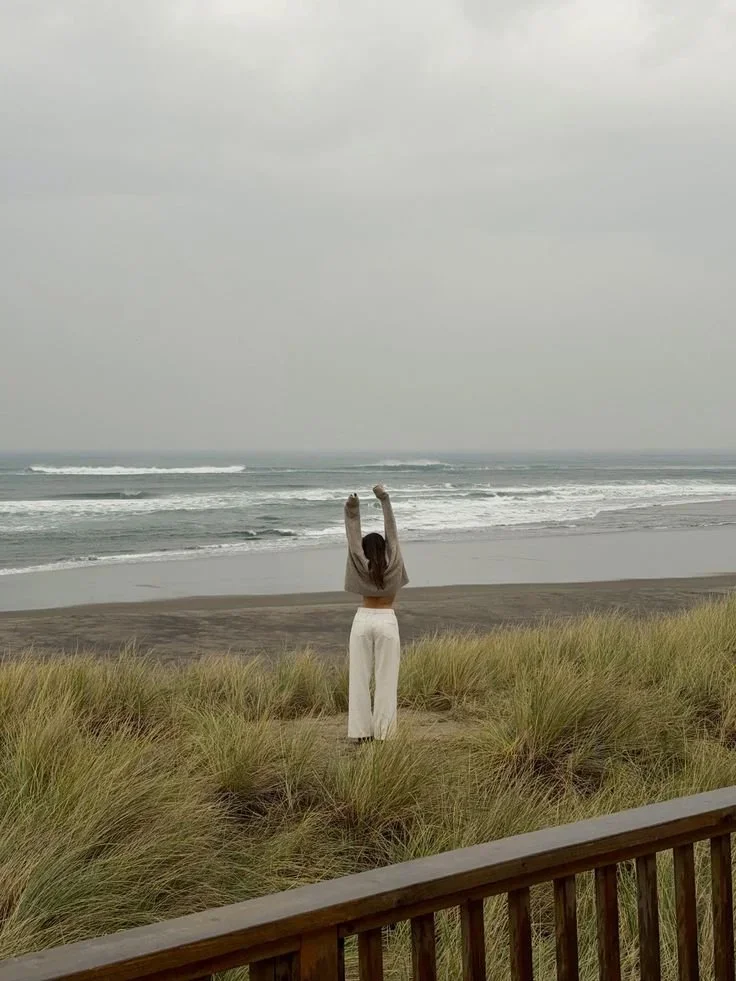
According to a July 2026 report by the Australian Business & Community Mental Health Alliance, many corporate leaders are experiencing burnout, with issues such as presenteeism causing economic losses 4. Amid these trends, a shift is detected among high performers and executives who, avoiding the fatigue of traditional "bleisure" trips or international travel, are choosing "Slow Coastal Travel" as an alternative for recovery 4. This change stems from the realization that past vacations were undermined by physical frictions such as jet lag and airport waits 4.
Furthermore, in terms of leadership culture, it has become an essential strategy to clarify reward criteria based on "performance rather than fatigue" and to establish boundary-setting modeling, starting with executives 2. As individual growth routines align with organizational recovery strategies, rest has been redefined not as a personal luxury or symbol of laziness, but as an essential asset guaranteeing organizational sustainability.
Scientific Principles of Recovery Embedded in "Slow Travel" and Blue Spaces
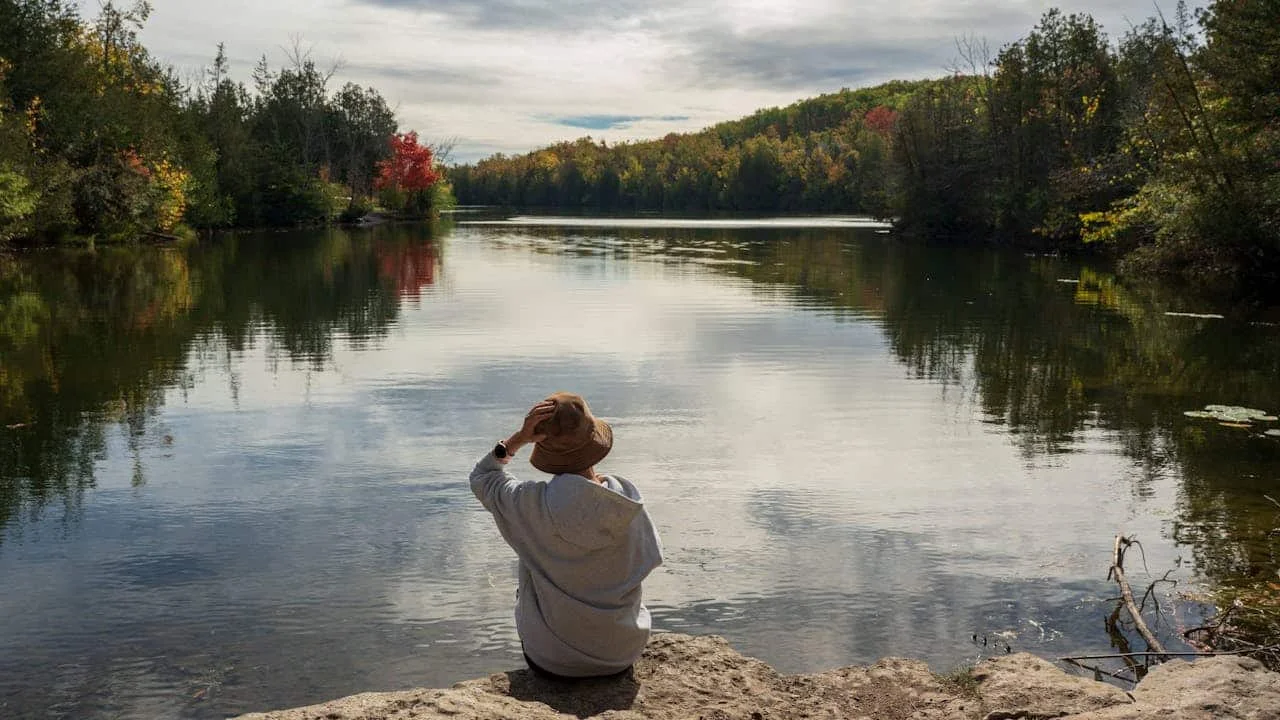
Concrete solutions for recovery can be found in connection with nature. According to a large-scale study involving over 17,000 people across 19 countries, exposure to "Blue Spaces" such as oceans and rivers was found to maximize cognitive recovery and a sense of connection with nature 4. Sandy beaches and rural riverbanks showed the highest recovery effects, with the optimal duration identified as approximately three hours 4.
The rhythm of waves and expansive horizons act as natural sensory reset tools that lower cortisol levels 4. Based on such scientific evidence, high performers in Australia are preferring single-destination stay travel in domestic coastal areas like Eurobodalla in New South Wales 4. True luxury in 2026 is being redefined not as packed itineraries or VIP lounges, but as time free from alarms, undivided family attention, and deep rest 4.
Designing Routines for Sustainable Growth Without Burnout
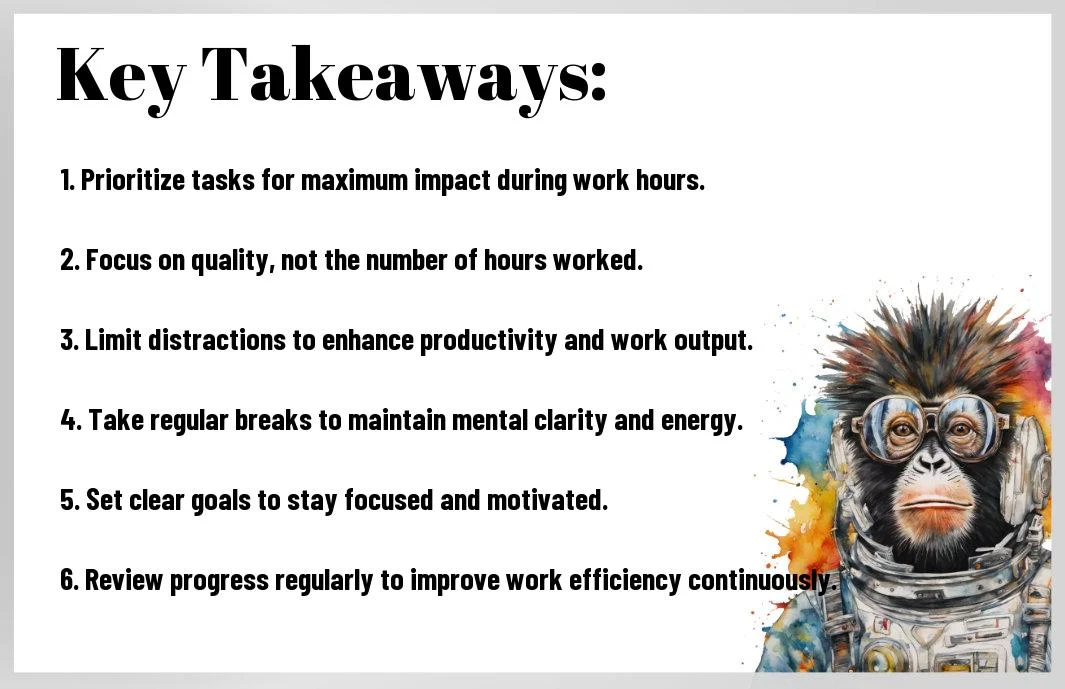
Routines for sustainable growth begin not with grand vision setting, but with small strategies that physically break the cycle of burnout. Applying the recovery strategies presented in a Forbes Finance Council contributor piece to one's personal routine involves three principles.
First, shift evaluation criteria. Individuals must verify their performance based on "the quality and impact of work" rather than "how long I worked" 2. This involves restructuring work by shortening focused immersion time while deepening the quality of outcomes.
Second, normalize everyday life activities. One must consciously set boundaries to avoid feeling guilty for fulfilling responsibilities outside of work 2. This process aligns with reducing the "invisible burden" where women leaders engage in excessive preparation to gain recognition 2.
Third, strategic disconnection and cutting ties with work. Leaders must secure the legitimacy of recovery by first demonstrating a complete disconnection from work 2. In toxic environments where resilience cannot resolve the issue, courageously choosing change is also regarded as a wise leadership decision 2.
2026's Growth: Choosing Rhythm Over Speed
Ultimately, the 2026 self-improvement trend aims not for reaching higher and faster destinations, but for something else. Experts advise that the true cost of success is not longer hours, but an efficient resource management perspective that yields optimal results within limited time 1. We cannot push ourselves solely into states of infinite immersion as we did in the past. While the immersion theory proposed in 1975 described human optimal experience, in 2026, we must master the technique of "reset" that inevitably follows such experiences.
Just as three hours in nature, such as the sea, lower our brain's cortisol levels 4, intentional rest in daily life must serve as a tool for managing our life's cortisol. The current trend of seeking the standard for sustainable leadership in balance rather than self-sacrifice is not a mere fad, but the most logical prescription for the era's affliction of burnout. A wise recovery routine that chooses direction and rhythm over speed is the most resilient competitive advantage an individual can possess in 2026.
References
- Silicon Valley’s 996 culture and India’s 70-hour debate: Is overwork the price of success? - India Today · indiatoday.in↩
- ↩
- Flow Theory · youtube.com↩
- Why High-Performing Professionals Are Trading Jet Lag for Slow Coastal Travel · creammagazine.com↩