Is the habit of searching for your smartphone the very first thing you do as soon as you open your eyes? You are clearly connected to someone constantly and keeping up with world news faster than anyone else, so why does a corner of your heart feel increasingly empty and exhausted?
To get straight to the point: the emotions you are feeling right now are not due to a lack of personal willpower. As of 2026, we are living amidst massive psychological waves known as social fatigue and FOMO (Fear Of Missing Out), brought about by technological advancement. True rest does not simply mean turning off your smartphone; it begins with a "reset of relationships"—shifting your gaze away from consuming the lives of others to tending to your own inner self.
Why do we feel lonelier the more we connect?
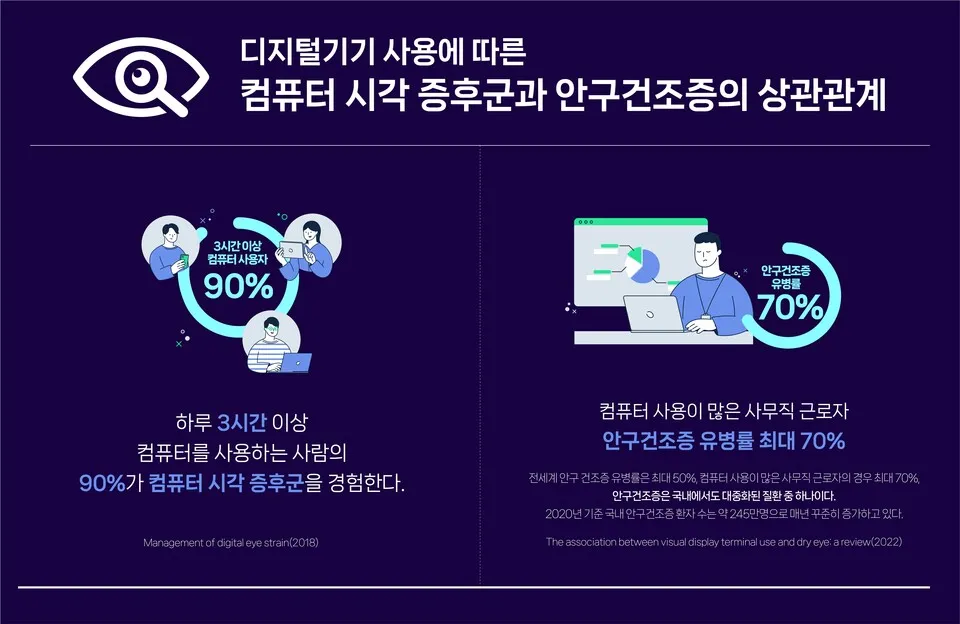
We are living in an era of the "Paradox of Connectivity." While we are physically more closely connected than ever before, our emotional density has reached an all-time low. Why is this happening?
The primary cause lies in the dopamine trap. "Likes" on social media or new notifications stimulate our brain's reward system, providing instant pleasure—a reaction similar to eating delicious food. However, this pleasure is fleeting, and algorithms keep us tethered to our screens through sophisticated designs like infinite scrolling and auto-play, ensuring we continue to seek these brief stimuli.
Added to this is the hell of comparison. The images others post on social media are merely the "highlights" of their lives. Yet, our brains unconsciously compare our ordinary daily routines to their perfect moments. The FOMO (Fear Of Missing Out) generated in this process amplifies the anxiety that "I am the only one being left behind," eventually eroding self-esteem and causing severe social fatigue.
Furthermore, digital communication strips away non-verbal cues such as facial expressions, eye contact, and tone of voice. It is difficult to achieve deep emotional resonance with others through text and emojis alone. Consequently, even as we exchange countless messages, we feel a profound sense of isolation, as if we have no one to truly share our hearts with.
5 Practical Strategies to Protect Your Mental Energy
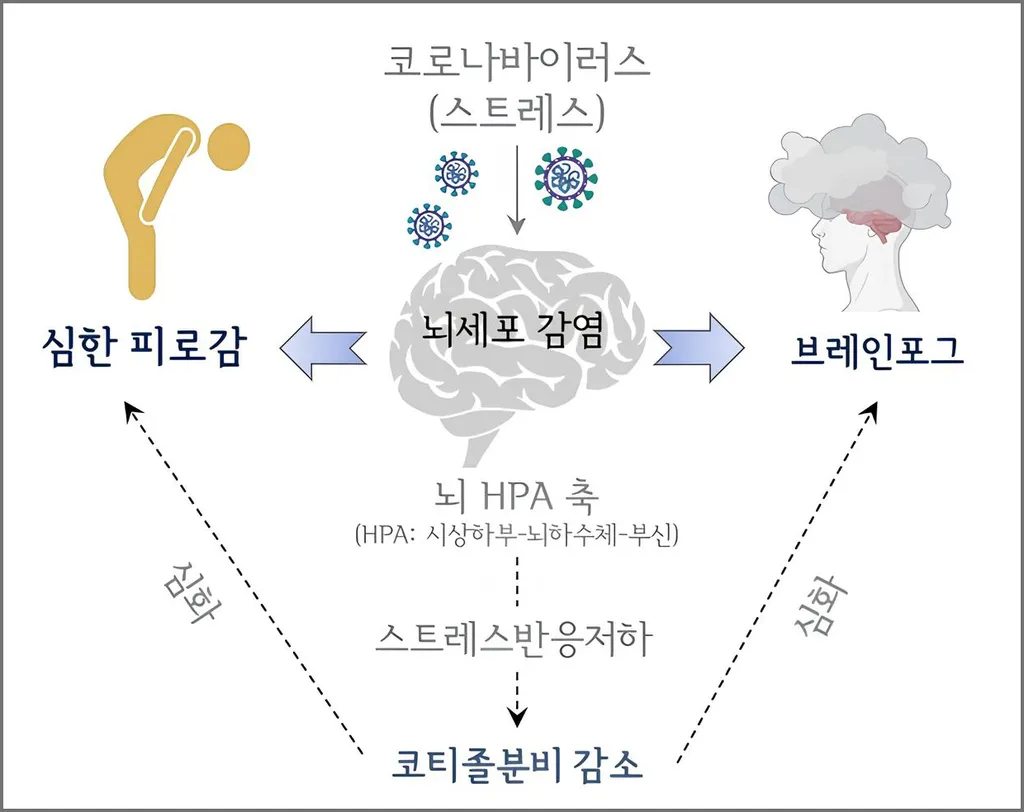
So, how can we regain peace of mind amidst this endless digital noise? A vague resolution like "let's not use phones" is easy to fail. Instead, we need strategies that create specific "gaps" in our daily lives.
1. Setting Boundaries of Time and Space (Digital-Free Zones) The most effective method is designating specific times or places as Digital-Free Zones. For example, try setting a rule to leave your smartphone in another room during mealtimes or in the bedroom. If you establish the principle that "only food and people exist at the dining table," you can recover qualitative time spent making eye contact and conversing with family or partners.
2. Follow Diet and Content Selection If there are accounts that make you feel uncomfortable, you need to be decisive. Unfollow or hide accounts that trigger comparisons or make you feel inferior whenever you see them. Instead, I recommend a "Follow Diet"—reorganizing your feed to focus on content that aids your growth or brings peace to your mind.
3. The Scientific Application of 'Spacing Out' There is a method recently highlighted by neuroscientist Professor Andrew Huberman. It is looking far out a window. When your gaze is fixed only on a nearby screen, your brain remains in a state of tension. However, when you gaze at something far away, like the horizon or the sky, your brain receives a signal that "it is safe now" and lowers stress hormone levels. A one-minute "window gaze" during work is not just simple rest, but a powerful care routine to relieve brain overload.
4. Transitioning to JOMO (Joy Of Missing Out) If FOMO is the 'fear of missing out,' JOMO stands for the 'joy of missing out.' It is the process of breaking free from the compulsion to know every trend and realizing the joy of being fully present in what you are doing and the people you are meeting right now. Leaving the digital noise behind to read a book or take a walk is the core of a 'dopamine detox' that normalizes the brain's reward system.
5. Recovering Self-Centricity through Recording Instead of observing the lives of others on a smartphone screen, try writing your own emotional journal. Giving a name to the emotions you felt today and recording moments of gratitude allows you to recover attention from external stimuli and listen to your own voice. This is highly effective in lowering anxiety and increasing emotional resilience.
A 7-Day Reset Challenge to Increase Relationship Warmth
It is difficult to change everything at once. I suggest a 7-Day Digital Communication Reset Challenge that you can start gradually, either with loved ones or by yourself.
- Day 1: Have a deep conversation for more than 5 minutes without a smartphone.
- Day 2: Set a 'Digital-Free Zone' (e.g., the bedroom) in your home.
- Day 3: Share your emotional state using emotional vocabulary.
- Day 4: Send a sincere message of gratitude to someone close to you.
- Day 5: Take a walk or engage in an activity together for 30 minutes without devices.
- Day 6: Create a 'healthy device usage rule' unique to your family or couple.
- Day 7: Spend a day staying completely away from devices for at least 3 hours.
This process is not simply about rejecting technology. That moment when you momentarily set your device down becomes the warmest way of saying to the other person, "I am focusing entirely on you."
Closing: It's Okay to be a Little Less Connected

Digital detox is ultimately not a problem of technology, but a problem of relationships and the heart. We must reflect on whether we are missing our precious present by consuming the flashy highlights of others.
We all feel the pressure to be constantly connected, but sometimes, it's okay to be a little less connected. Because that gap is exactly where our mental energy is replenished and where we can meet our true selves.
What would you like to look at today instead of your smartphone? Or was there even just 10 minutes today that you set aside entirely for yourself?
What is the current state of your digital life? Please share your own detox methods or concerns in the comments!
References
- SNS 피로감 시대, 디지털 디톡스 실천법 안녕하세요 ... - Instagram · instagram.com
- 디지털 피로감: 끊임없이 화면을 보는 것에 지쳤어요! - 인디고 매거진 · indigodergisi.com
- 디지털 디톡스를 통한 관계 개선 - charming-world · charming-world.tistory.com
- FOMO란 무엇일까요? 소셜 미디어 비교, JOMO, 그리고 디지털 디톡스. · indigodergisi.com
- 함께 느끼는 외로움의 시기: 디지털 플랫폼은 어떻게 관계를 단절 ... · indigodergisi.com
- 논란 종결! 멍하니 창밖 보는 게 사실은 갓생 살기 비결 - Instagram · instagram.com
- 포모(FOMO) 극복법: 뇌과학으로 본 디지털 중독 탈출 전략 - 꿀팁 노트 · kkultip-note.tistory.com
- 디지털 디톡스의 사회적 필요성 | 스마트폰 중독의 원인과 해결책 총정리 · off-the-ball.tistory.com