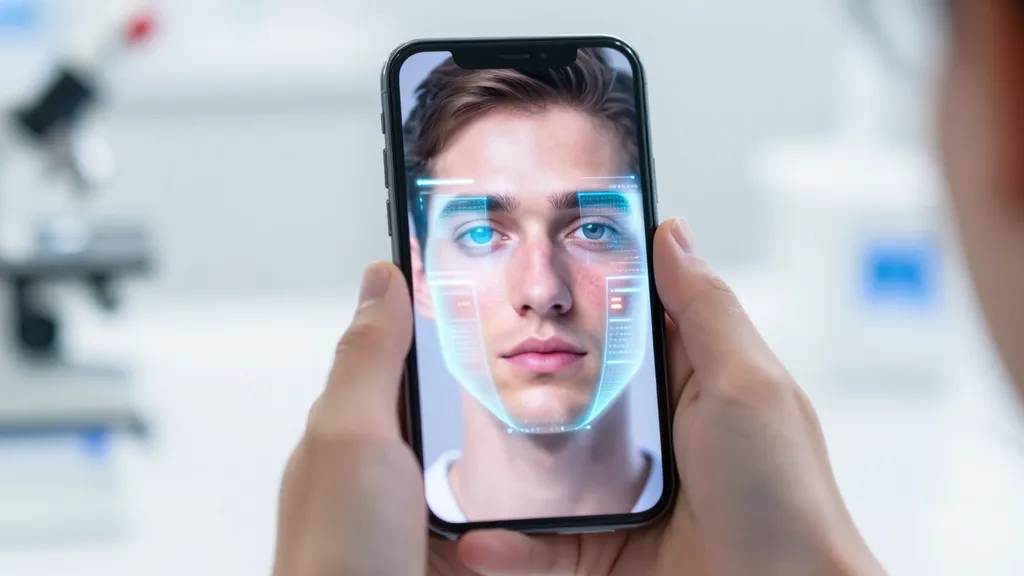
"I bought it because they said a famous YouTuber uses it, but it doesn't suit my skin..." Have you ever had an experience like this?
Whether it's buying a high-end serum costing hundreds of dollars only to experience a skin breakout, or sighing in front of your vanity because you're unsure if your skin type is dry or dehydrated oily (dehydrated-oily), these are common daily frustrations.
In 2026, we are wasting too much time and money trying to find "what truly fits me" amidst a constant flood of information.
Why do the cosmetics we choose always miss the mark?
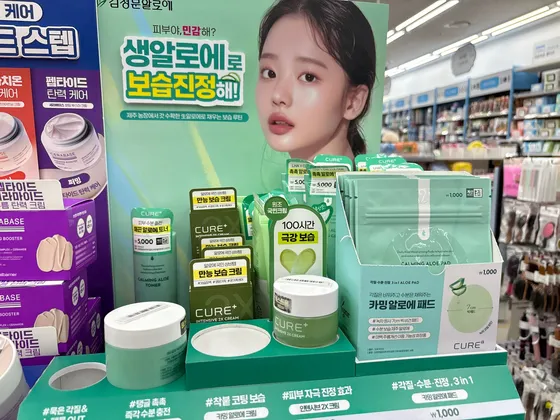
The reason we fail in choosing cosmetics is not simply due to bad luck. The fundamental cause lies in the "absence of objective data."
First, we are too subjective. When we look in the mirror and think, "Hmm, it feels a bit dry today," we aren't precisely reading the minute changes in our skin; it's merely a feeling. This leads to mistakes, such as misidentifying dehydrated skin as dry skin, or mistaking sensitive skin for simply oily skin.
Second, the recommendation methods in the existing beauty market have been too one-sided. In the past, products used by influencers or celebrities were treated as the definitive answer, and brands applied a single guide designed for specific face shapes or skin types to millions of people identically. Because marketing-centered recommendations fail to reflect the actual structural characteristics of our skin, the cycle of adding items to a shopping cart only to return them or leave them neglected in a corner of the vanity repeats itself.
Finally, the barrier to receiving professional help was too high. Meeting a dermatologist for an accurate diagnosis required significant cost and long waiting times. Consequently, we rely on unverified internet search results, creating a vicious cycle that leads to unnecessary spending and skin troubles.
2026: The AI Solution for the 'Camera Skin' Era
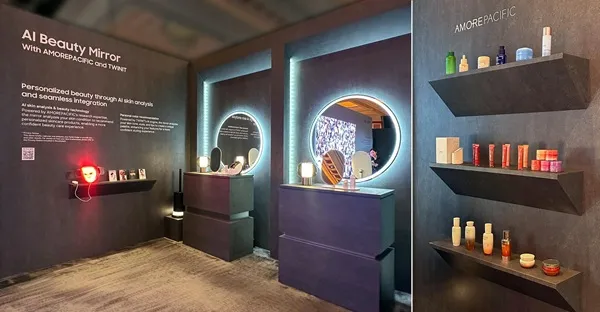
To solve these problems, AI-based Smart Beauty has emerged. The beauty trend of 2026 goes beyond simply "becoming pretty" and focuses on creating "Camera Skin"—skin that glows in photos and videos without the need for filters.
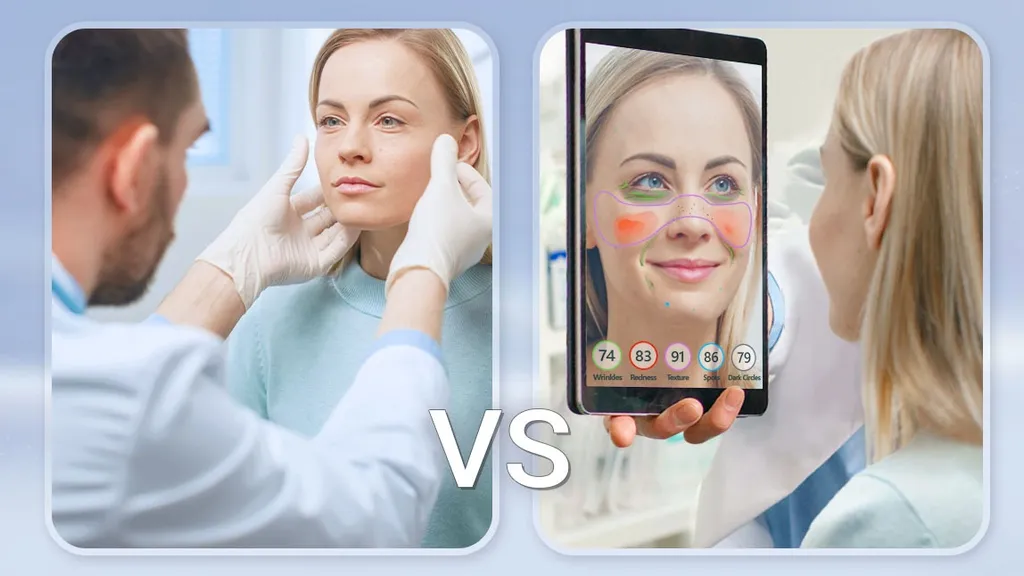
AI skin consultants are no longer simple quiz apps. With just a single photo, they precisely analyze facial structure, symmetry, pore depth, and the degree of pigmentation. The remarkable part is the accuracy of this AI. According to recent studies, AI skin diagnosis accuracy has reached 91.9%, a level comparable to professional dermatologists.
Then, how do AI-recommended customized serums transform our skin?
Step 1: Precise Data Analysis and 'Intelligent Diagnosis'
AI does not simply categorize skin into 'oily' or 'dry.' It digitizes data such as skin moisture distribution, oil content, redness severity, and wrinkle depth. In particular, advanced AI in 2026 has entered the era of Metabolic Beauty, which even considers a user's genetic characteristics and lifestyle habits. This means it predicts conditions at a cellular level, not just visible phenomena.
Step 2: Designing Hyper-Personalized 'Customized Routines'
Once the analysis is complete, the AI proposes a solution tailored specifically to you. Rather than simply saying "buy this product," it recommends serums containing Exosome ingredients needed to restore your current skin barrier, or Microbiome care products that regulate the skin's microbial ecosystem.
In line with the recent Skin-fication trend, which extends facial skincare ingredients to body and hair care, it can even suggest customized ingredients for your body lotion or shampoo.
Step 3: Continuous Monitoring and 'Evolving Management'
The true strength of an AI consultant lies in its long-term memory function. The AI remembers how your skin changed after using a product recommended yesterday and how your skin condition shifted as the seasons changed. As time passes, the AI understands your skin better, and the precision of its recommendations increases. It is like having a personal skin doctor on standby for you 24/7.
Can we trust AI-recommended serums? (Precautions)
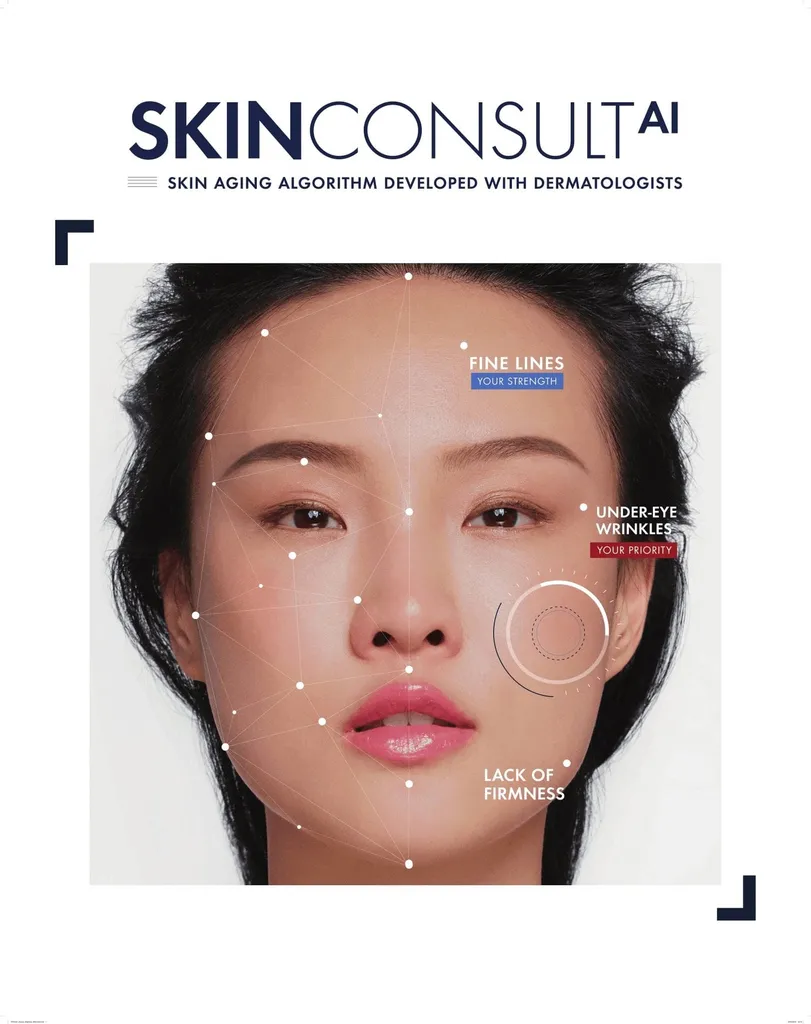
Of course, AI is not omnipotent. No matter how much technology advances, there are clear areas we must be cautious about.
The biggest limitation is the "absence of physical contact." While AI analyzes based on visual data, it is difficult to 100% grasp skin texture, pain, or connections to invisible internal diseases. If you experience sudden inflammation or pain in your skin, you should seek a real dermatologist immediately rather than relying on AI recommendations.
Furthermore, AI-recommended products are not always the "perfect answer." Even if the ingredients recommended by AI are theoretically perfect, they may cause unexpected allergic reactions in certain individuals. Therefore, when using high-functionality products recommended by AI (e.g., retinol, highly concentrated peptides, etc.), it is wise to always perform a patch test behind the ear or on the inner arm first.
However, it is clear that the data provided by AI skin tech offers a much more objective and scientific standard than vague guesswork. This helps us reduce the costs wasted on unnecessary cosmetic shopping and convert them into investments for our actual skin.
Conclusion: Skincare is now 'Science,' not 'Luck'
Beauty in 2026 is no longer an era of 'imitation,' following products used by celebrities. It is the era of 'Smart Self-care,' where we understand our cellular states, reflect our genetic characteristics, and manage our skin based on data.
The customized serums recommended by AI skin consultants are not a mere fad, but a powerful tool that can reduce numerous trials and errors. The process of understanding my skin more deeply with the help of technology and finding the perfect routine for myself will itself become an enjoyable wellness experience.
Instead of indiscriminate shopping, why not look into your skin data first?
When making decisions about skincare, which do you trust more: professional advice or your personal feeling? Share your thoughts in the comments!
References
- 2026 피부 트렌드 TOP 4! 슬로에이징부터 AI 뷰티까지 싹 정리해드림 · youtube.com
- 최고의 뷰티 컨설팅 AI: 단 한 장의 사진으로 얼굴 분석, 다문화 스킨 ... · jenova.ai
- 스킨케어가 당신보다 더 똑똑하다면? 2026년의 스킨케어 혁명을 발견 ... · insights.made-in-china.com
- AI가 피부 건강과 진단을 어떻게 변화시키고 있는가 (2026년 5월) · jenova.ai
- AI 피부 보고서: AI로 맞춤형 피부 분석받는 방법 (2026년 5월) · jenova.ai
- AI 스킨 테크, 피부과 전문의 평가와 일치하는 높은 정확도 - Perfect Corp. · perfectcorp.com
- MEDI:GATE NEWS : K-뷰티, AI와 만나 글로벌 경쟁력 급부상...맞춤 진단 · medigatenews.com