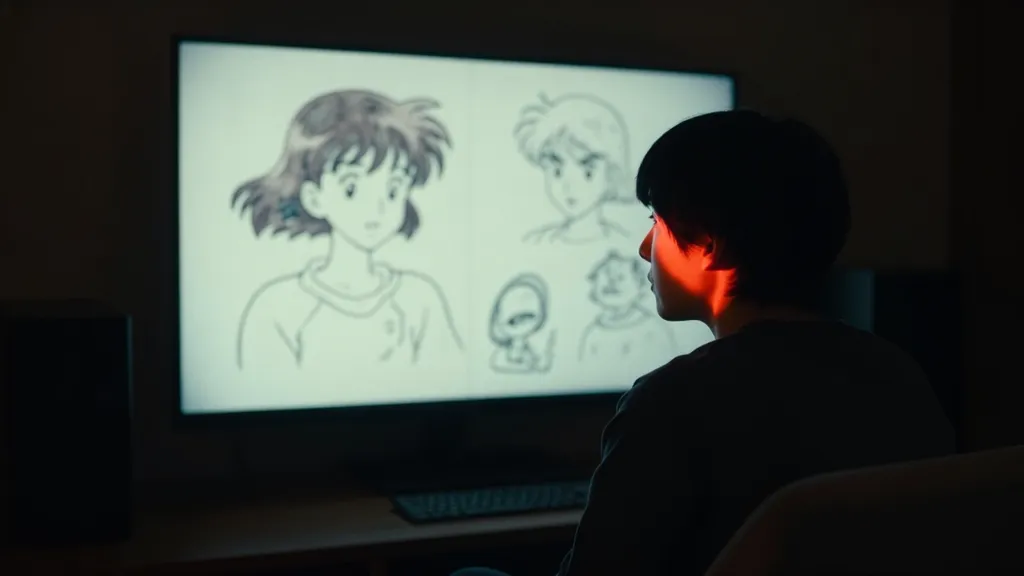
Have you ever wondered, "Why isn't the webtoon I love being made into an anime?" or "Why is Korean animation always just for kids?"
This thirst, which any animation fan has likely felt at least once, is not merely a personal wish. In reality, it was a massive gap created by the structural limitations of our content industry.
However, as of 2026, this trend is shifting completely. We will take an in-depth look at the real reason why global giants like Netflix and Aniplus are aggressively hunting for Korean IP (Intellectual Property), and the new era of "Global Survival Action" that we are about to witness.
The Thirst We Felt: Why was K-Animation Always One Step Behind?

Why is it that while we are enthusiastic about the spectacular action and intricate stories of K-webtoons, we feel such frustration while waiting for them to be animated?
The biggest problem lay in the rigidity of the distribution structure. In the past, the animation industry was centered around TV broadcasting stations, which decided "when to air" the shows, requiring complex stages like waiting for theatrical releases. Due to what is known as the "hold-back" period, even after content was created, it took far too long before we could access it.
Furthermore, the industry's target audience was excessively narrow. It is true that within the prejudice that "animation is only for kids," capital and technological prowess were concentrated in the infant/toddler toy industry. Consequently, content with solid narratives aimed at adults and teenagers, such as webtoons or web novels, missed their chance to shine.
Ultimately, the essence of the frustration we felt was that even when there were excellent original works (IP), there was no efficient engine to film them and distribute them worldwide.
The Game-Changing Variable: The Pandemic-Induced OTT Raid and the Fusion of IP
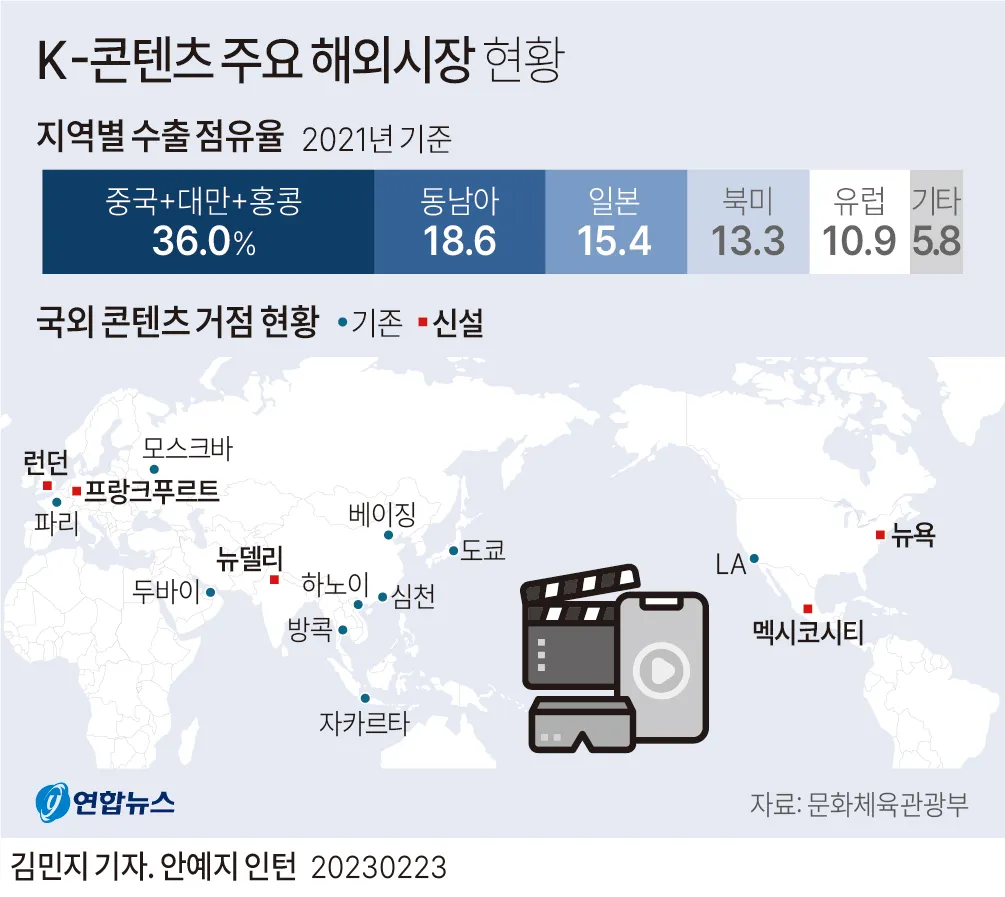
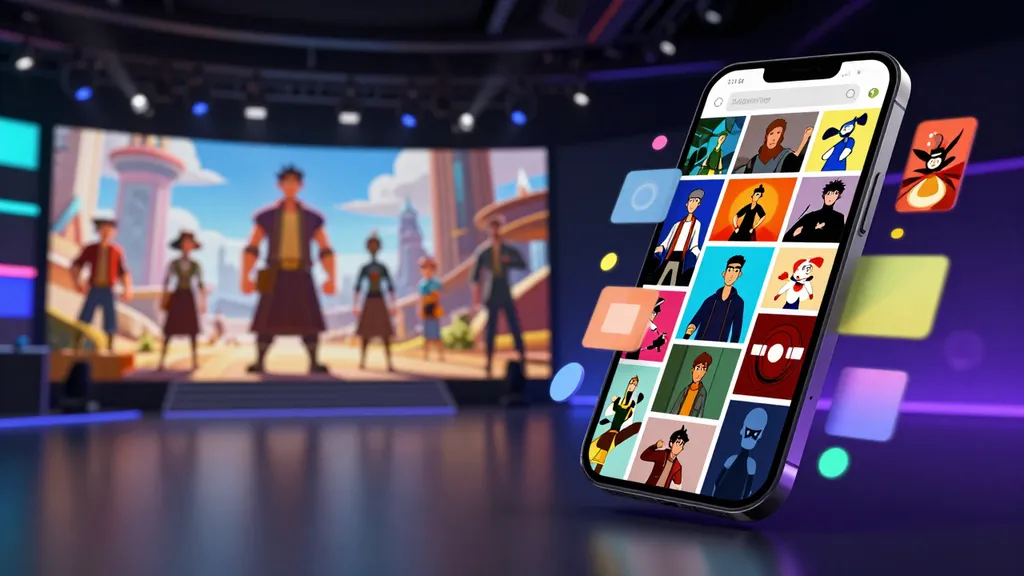
However, the pandemic that swept the world in 2020 shook this entrenched industrial structure to its core. As theaters closed, people began consuming content at home, which triggered a massive transition in distribution toward OTT platforms.
It was at this moment that giant capital holders like Netflix, Disney+, and Apple TV+ became desperate to find "killer content" to fill their own platforms. In particular, Netflix began betting its life on securing its own original animations to counter the dominance of Japanese animation.
The key point to note here is the "fusion of IP." Animation no longer exists in isolation. Webtoons and web novels, which have already secured global fandoms, have become powerful engines for animation.
For example, if a production company uses a webtoon with already established global recognition as the original source, they can drastically reduce the risk of "will this be a hit?" because verified fans are already waiting. In fact, the case where 'Tower of God' swept the popularity rankings on US Reddit was a decisive event that proved the explosive power when well-made K-webtoon IP is combined.
A New Strategy: 'Global Survival Action' and Building a Sustainable Ecosystem
So, what changes will we witness as of 2026? Beyond the level of simply "webtoons becoming animation," the very constitution of the industry is changing.
First is the diversification of genres and expansion of targets. Animation is no longer the exclusive domain of children. Like the cooperation model between Netflix and Aniplus, high-quality "Global Survival Action" genres aimed at adults are becoming mainstream. As seen in the enthusiastic demand from global fans for 'Solo Leveling,' we have entered an era where content combining powerful action and narrative dominates global OTTs.
Second is the completion of an ecosystem that goes beyond One-Source Multi-Use (OSMU). When one well-made IP is produced as an animation, that is not the end. Based on that world-building, games are made, it is adapted into dramas, and it extends even to audio content. This is not merely making a single video, but a process of building a massive "revenue model."
Of course, there are challenges. The question is how to absorb Japan's solid production infrastructure and combine it with Korea's unique directing skills to show a "color different from Japanese animation." Instead of simply following the Japanese style, we must find the intersection where Korean narrative structures meet global capital's technological prowess.
Conclusion: K-Animation, It's Time to Make the World's Hearts Beat
Ultimately, the current change is not a coincidence. It is an inevitable flow created by the combination of powerful distribution networks like OTT, proven source material like webtoons, and global capital.
We will now routinely witness the protagonists of webtoons breaking through the screen and coming to life on the screens of people all over the world. This era, where Korean webtoon IP acts as a "cheat key" for the global animation market, has only just begun.
As we have seen today, K-animation is now evolving beyond the limits of distribution into a massive, IP-centered ecosystem.
Which webtoon are you waiting to see as an animation? Or is there a recent animation you watched where you thought, "This really captures the webtoon vibe!"? Please let us know your "life-changing webtoon" in the comments!
What do you think?
References
- 애니메이션 산업 국내, 글로벌 분석(2) - 발리언트 이노베이션스 · valiantinnovations.co.kr