"In an era where AI can produce a perfect guitar solo in just 3 seconds, what meaning remains in the act of us physically plucking strings and turning amplifier knobs?"
As of 2026, the music industry stands at an unprecedented technological inflection point. With AI choruses and generative music models occupying a major pillar of the charts and reaching the peak of "efficiency," ironically, guitarist communities are more heated than ever with debates over an "analog resurgence."
This is not merely a nostalgia for the old ways. It is closer to a philosophical battle surrounding the "human texture" and the "physical reality of sound" that technology cannot replicate. Today, we will conduct a deep comparative analysis of why many musicians refuse to give up heavy amplifiers and the heat of vacuum tubes amidst the onslaught of AI technology.
The Light and Shadow of AI Music: A Blessing of Efficiency or a Plunder of Creativity?
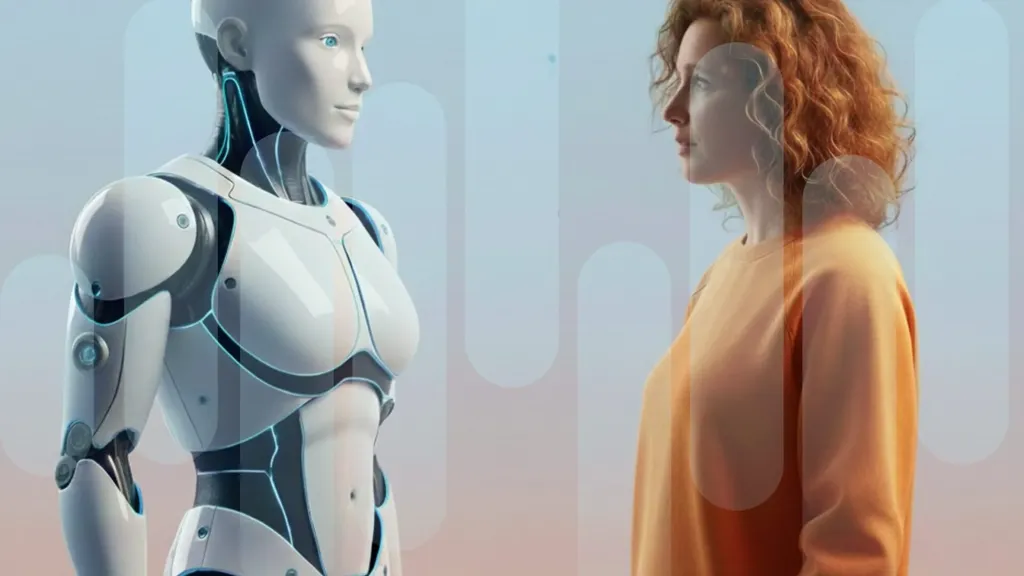
Recently, AI music technology has advanced dazzlingly. When a user inputs just a few keywords, AI learns from millions of data points to create a plausible song. However, behind this convenience lies a deep sense of fatigue and anger felt by musicians.
The fundamental reason many artists feel resentment toward AI music lies in "creative ethics" rather than the technology itself. Currently, most music AIs use the works of existing artists as training data without explicit permission. When the unique guitar tones and playing styles that musicians have spent their lives refining are converted into algorithmic numbers without consent, the emotion musicians feel goes beyond simple anxiety to a sense of "emotional betrayal."
In particular, the guitar is an instrument where emotions are embedded in every minute finger movement, picking angle, and string vibration. There is a dominant criticism that the AI method of reducing these to mere data points and outputting them undermines the human connection, which is the essence of music. While efficiency is overwhelming, if artistic authenticity evaporates in the process, can we truly call it "music"?
In Search of the Essence of Sound: A Direct Comparison of Analog vs. Digital Amps
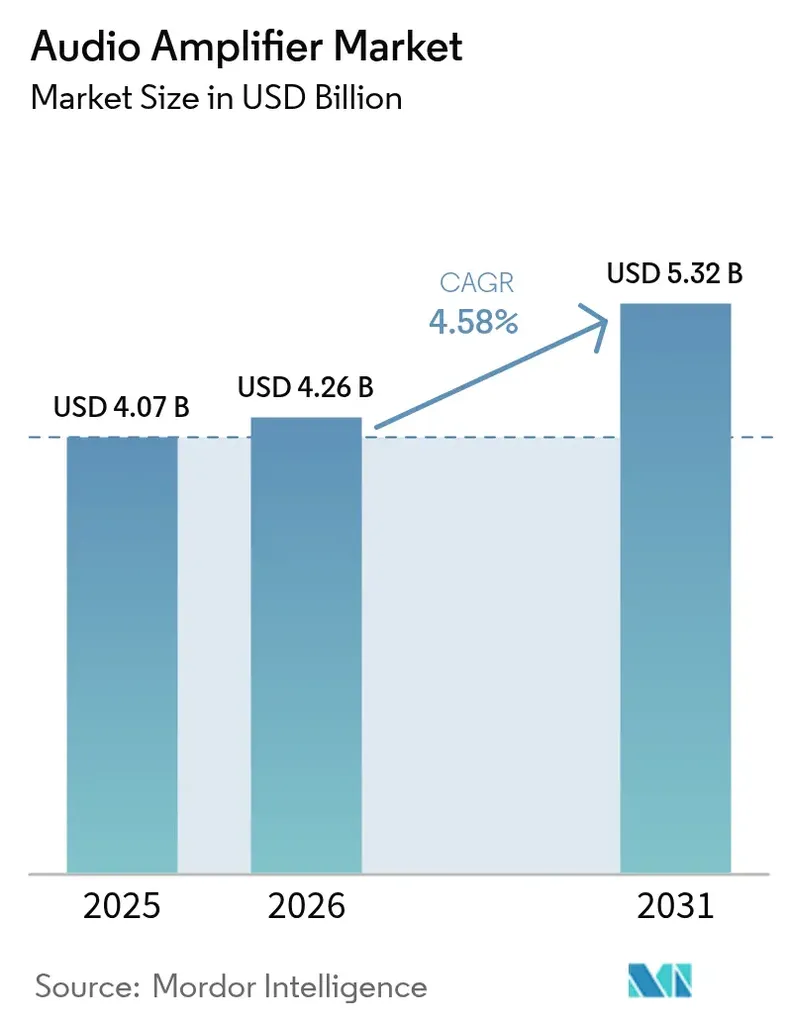
Even in an era where AI creates songs, the reason we struggle in front of amplifiers is ultimately because of the "sound." Here, we face the eternal homework: the sound battle between analog and digital.
1. Analog Amps: The "Organic Vitality" Created by Inconvenience
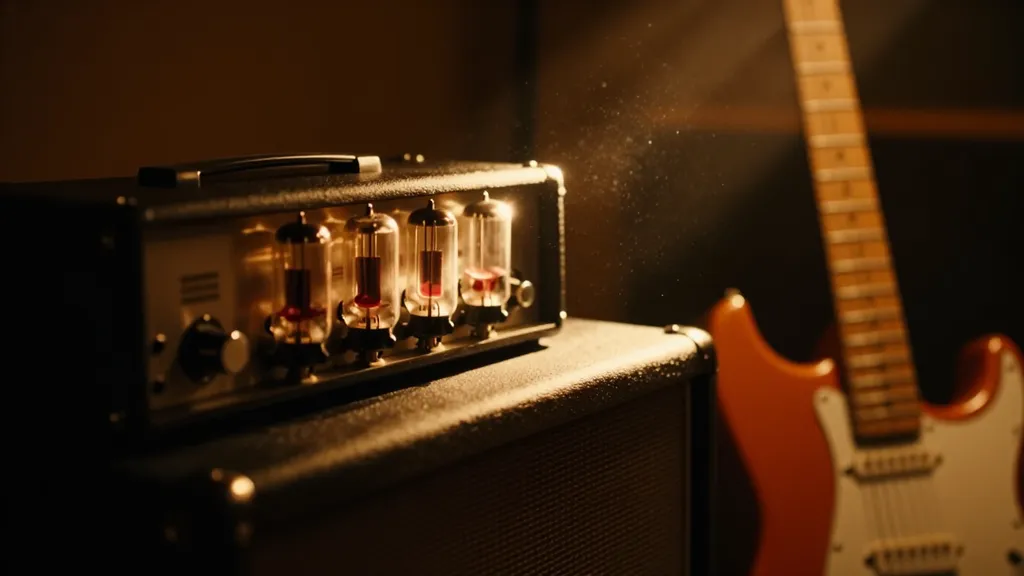
Analog amps, especially models using vacuum tubes, are like "souls" to musicians. The charm they offer lies in harmonic distortion, which is difficult for digital to imitate.
- Pros: Depending on the circuit design, they produce warm, rich lows and a naturally cohesive sound (the "glue" effect). That "punchy" feeling where the sound responds organically to the player's input is an art form created by the physical limitations and characteristics of analog circuits.
- Cons: There are clear limitations to note. First, they are too heavy. Every time a guitarist moves for a performance, it strains their back. Additionally, they have low power efficiency, generate significant heat, and require essential maintenance due to component aging.
2. Digital Amps: "Infinite Scalability" that Breaks Boundaries
On the other hand, recent digital amps (mainly Class-D) are optimized for the modern musical lifestyle.
- Pros: They boast extreme efficiency. They are small, light, and easy to manage thermally due to low power consumption. Above all, the ability to contain the sounds of thousands of legendary amps in a single device through "modeling" technology offers an enormous economic advantage. The technology of 2026 has advanced enough to implement sufficiently warm tones even in digital formats.
- Cons: If the design is oversimplified, the sound may feel somewhat artificial or thin. In particular, technical constraints such as high-frequency noise (EMI) issues or limited output flexibility due to specific IC specifications may exist.
| Comparison Item | Analog Amp (Tube/Solid-state) | Digital Amp (Class-D/Modeling) |
|---|---|---|
| Sound Character | Organic, warm, rich texture | Clean, clear, various modeling possible |
| Portability | Heavy and bulky | Light and compact |
| Energy Efficiency | Low (High heat) | High (Low heat) |
| Ease of Use | Tactile feel of physical knobs | Easy preset storage and digital control |
The New Guitar Lifestyle of 2026: Coexistence of Technology and Emotion
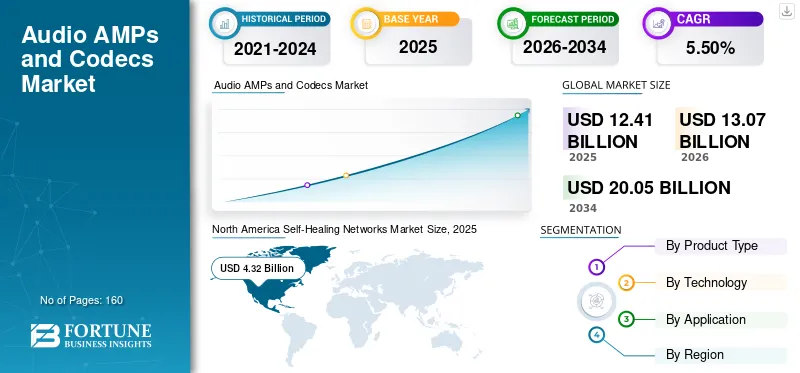
Then, what choice should we make? To say unconditionally that "analog is the truth" or "digital is the answer" is now an outdated dichotomy. Wise guitarists in 2026 are practicing "hybrid thinking based on purpose."
If your primary focus is studio recording or creative activities at home, it is wise to actively utilize the efficiency and scalability of digital. A combination of high-performance plugins and digital amps drastically reduces production costs and allows you to quickly materialize ideas by using AI tools as creative assistants.
However, if the goal is live performance or artistic immersion in exploring "Tone" itself, analog amps still occupy an irreplaceable domain. This is because the physical texture created by specific preamps (Neve, API, etc.) or compressors is difficult for even the most sophisticated algorithms to perfectly reproduce—that "imperfect beauty arising from physical limitations."
Conclusion: Ultimately, a Journey to Find "Your Sound"
Ultimately, the debate between analog and digital is not a battle to determine technological superiority. It is a process of answering the question, "What kind of texture of music do I want to make?"
No matter how precisely AI simulates sound or how digital technology encroaches on the analog domain, the entity holding the instrument and creating the sound is ultimately "human." Technology is merely a tool; it is the player's breath and emotion that breathes life into that tool.
Whether it is the stubborn analog user sweating while carrying a heavy amp to catch a sound, or the innovator making music smartly with lightweight digital gear, both deserve respect. What matters is not the type of technology, but what kind of story you will tell the world through that technology.
What is your choice? Do you still prefer the vibration of the vacuum tube felt at your fingertips, or are you attracted to the infinite possibilities of boundaryless digital? Please share your valuable opinions in the comments!
References
- 음악에서의 AI는 안 돼, 앞으로도 절대 안 될 거야. : r/Guitar - Reddit · reddit.com
- 요즘 왜 대부분의 사람들이 AI 음악 제작을 싫어하는 걸까? : r/SunoAI · reddit.com
- 아날로그 vs 디지털 앰프 : r/Guitar - Reddit · reddit.com
- 음향장비 디지털엠프 와 아나로그엠프 장단점 : 네이버 블로그 · blog.naver.com
- 아날로그 장비가 진짜 디지털보다 "더 좋게" 들리는 건가, 아니면 그냥 ... · reddit.com
- Analog Amp VS Digital Amp - Basic Electronic Circuit - 티스토리 · e-circuit.tistory.com
- 디지털 앰프와 아날로그 앰프의 차이점에 대해 질문 > 질문과 답변 · fullrange.kr