
The era of 'going to the hospital after getting sick' is now over. As of 2026, the combination of Artificial Intelligence (AI) and genomic analysis technology has completely shifted the paradigm of how we approach disease from 'reactive treatment' to 'proactive prediction.' As the cost of genomic analysis has plummeted below $100 and AI interprets vast amounts of biological data in real-time, Precision Medicine—which reads your body's blueprint in advance to block diseases—has entered the realm of daily life.
An Era No Longer Waiting for 'God's Scream': The Advent of Predictive Medicine
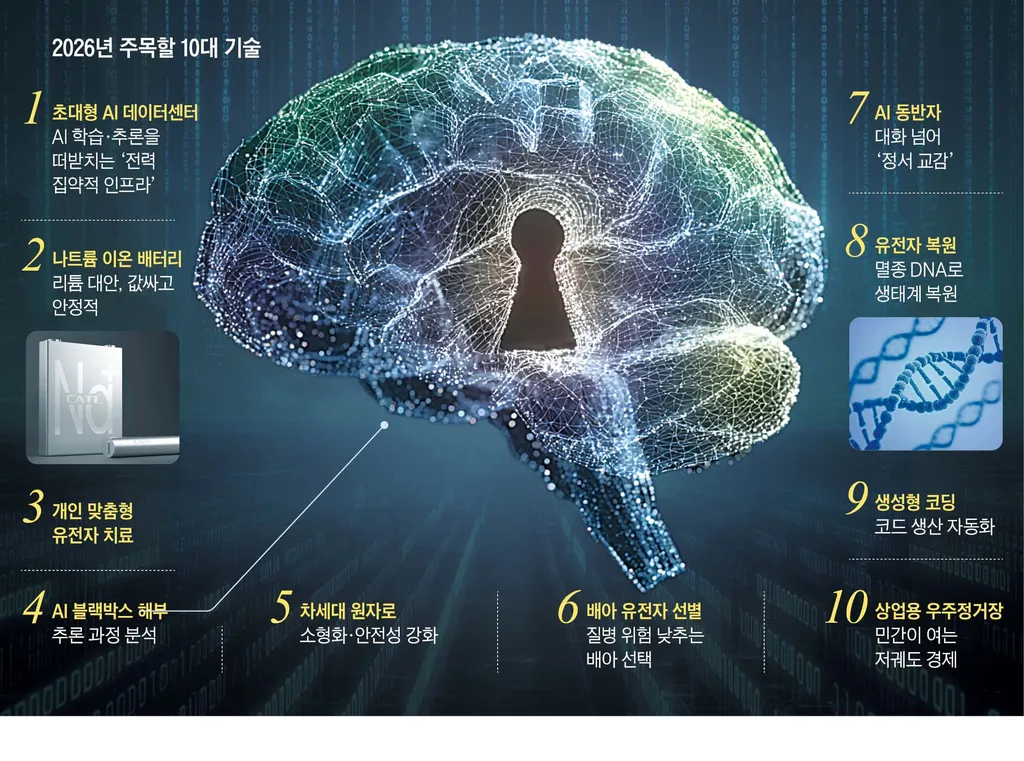
Medicine in the past was truly harsh. We had to wait until the body felt pain, developed a fever, or showed visible symptoms. In the medical community, this was sometimes called 'God's Scream'—the painful signals sent by a patient's body. Often, by the time the scream was heard, the disease had already progressed significantly.
However, in 2026, we no longer need to wait for the scream. This is because all the hints of future diseases are contained within the genomic information—the silent data flowing inside our bodies. Looking at recent data economy trends, search volume related to genomic analysis has surged by a staggering 75%. This is clear evidence that people are no longer leaving health management to luck, but are enthusiastically embracing predictive medicine based on data.
In particular, the genomic analysis AI market is expanding explosively, recording a phenomenal compound annual growth rate (CAGR) of 40%. This is not just a simple technological fad; it signifies that as humanity enters the era of a 100-year lifespan, we have begun to find the answer to the fundamental question of "how to live longer and healthier" within data.
The Democratization of Precision Medicine as Cost Barriers Crumble
Only a few years ago, genomic analysis felt like an expensive luxury reserved for the top 1%. However, as of 2026, the cost of Whole Genome Sequencing (WGS) has plummeted to under $100 (approximately 130,000 KRW). This 'price destruction' brought about by technological progress has completely dismantled the barriers to medical access.
As costs have lowered, many new possibilities have emerged. Now, anyone can identify their genetic vulnerabilities at an affordable cost.
- Customized Nutrition and Lifestyle Suggestions: AI analyzes your genes and provides specific suggestions, such as, "Your absorption rate for a certain vitamin is low, so please take this supplement."
- Disease Prevention Guides: It predicts the possibility of developing cancer or rare diseases in advance and provides real-time coaching on diet and exercise to manage them.
- Integration with Digital Therapeutics (DTx): Digital therapeutics that manage diseases through apps or software, tailored to genetic characteristics, have become popularized through insurance coverage.
Of course, there are precautions to take. As data volume increases, ethical guidelines regarding privacy protection and potential discrimination based on genetic information have become extremely important. No matter how advanced the technology is, if that data is not securely protected, precision medicine could instead become a threat to the individual.
AI-Designed Drugs: Turning a 15-Year Wait into Just a Few Months
The explosion of genomic data does not stop at individual health management. It is leading to a massive shift that shakes the very foundation of the pharmaceutical industry: AI-driven drug discovery.
Traditional drug development was truly like 'searching for a needle in a haystack.' It takes years to find a single candidate substance, and completing clinical trials takes an average of 10 to 15 years with costs exceeding 1 to 2 trillion KRW. Furthermore, out of tens of thousands of candidates, fewer than one succeeds.
However, the AI of 2026 is breaking through these structural limitations. AI simulates billions of compounds in a virtual world almost instantaneously. It predicts in advance how a drug will bind to proteins in our bodies and whether it will be toxic. Thanks to this, the time and cost of drug development are being drastically reduced, and AI is playing a savior-like role, especially in developing treatments for rare diseases.
Of course, challenges remain. When AI says, "This drug is effective," medical professionals must be able to understand 'why it reached that conclusion.' To this end, there are active discussions regarding the implementation of 'Explainable AI (XAI)' technology, which can explain the basis of AI decisions, and international regulatory standards (GMLP) to manage them.
2026: What Will Your Choice Be?

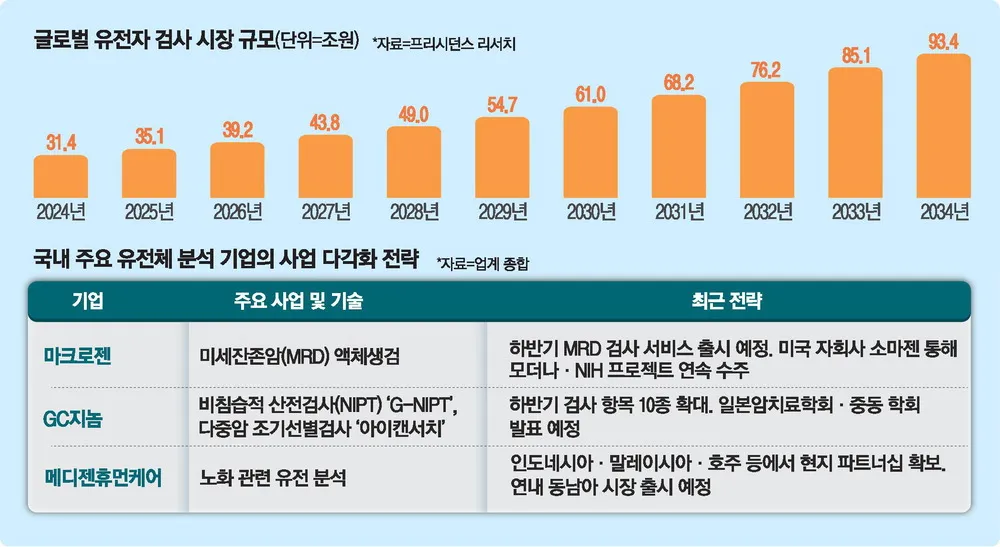
Even at this very moment, leading companies such as Macrogen and LabGenomics are approaching us by advancing their bio-big data platforms. As seen in LabGenomics' recent business reports, companies are going beyond simple analysis and expanding into clinical research and drug development support, staking everything on securing sustainable technological competitiveness.
Health management is no longer a domain left to 'luck,' but a domain designed by 'data.'
- Will you find out in advance which diseases you are vulnerable to and prepare?
- Or will you wait until symptoms appear and then go to the hospital, enduring massive costs and pain?
The choice is yours. However, what is certain is that these precise data provided by genomic AI have already established themselves as an essential item for improving our quality of life.
For the sake of your health future, how would you like to utilize data-driven precision medicine?
In Summary:
- The era of 'predictive medicine' has opened due to the plummeting cost of genomic analysis and the integration of AI technology in 2026.
- Nutrition, disease prevention, and digital therapeutics tailored to individual genetic characteristics have become commonplace.
- AI drug discovery is changing the paradigm of the medical industry by saving massive amounts of cost and time.
What are your thoughts? If AI could predict your health, would you be ready to trust that data and change your lifestyle? Please share your opinions in the comments!
References
- 2026년, 내 건강 AI가 예측? 당신의 유전자가 미래를 말해준다! · youtube.com
- 2026년 헬스케어 & 바이오테크 트렌드 — GLP-1, 유전자 치료, AI 진단 ... · youngju.dev
- [데이터 피플] 백세 시대의 데이터 열쇠, 유전체 분석 AI 시장 CAGR 40 ... · dataeconomy.co.kr
- [랩지노믹스] 사업보고서(일반법인) · kind.krx.co.kr
- 식약신문 on Instagram: "AI 신약개발 어디까지 왔나? · instagram.com