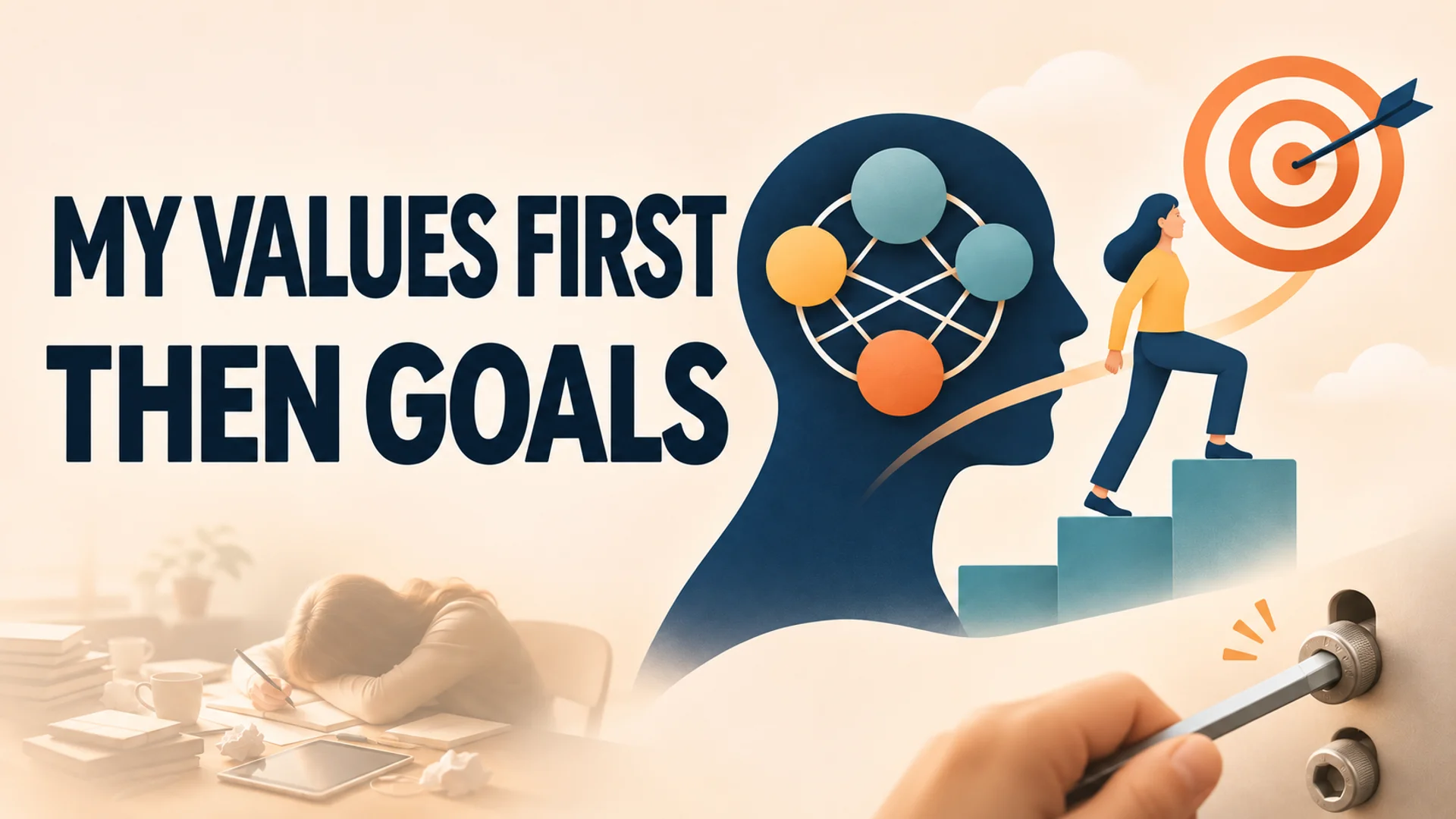
What was the very first thing you did upon opening your eyes this morning? Did you perhaps turn off the alarm on the smartphone by your bedside and habitually scroll through your SNS feed to check the news that popped up overnight?
If so, you might currently be sinking into an invisible swamp of "digital fatigue." In 2026, we have moved beyond the era of hyper-connectivity and entered the era of hyper-gap AI, yet paradoxically, people are longing for a "life without smartphones" more than ever before.
This is not merely a trend. It is a desperate yet beautiful survival strategy of modern people trying to reclaim their lost concentration and space for thought.
Why are we picking up the 'pen' again?
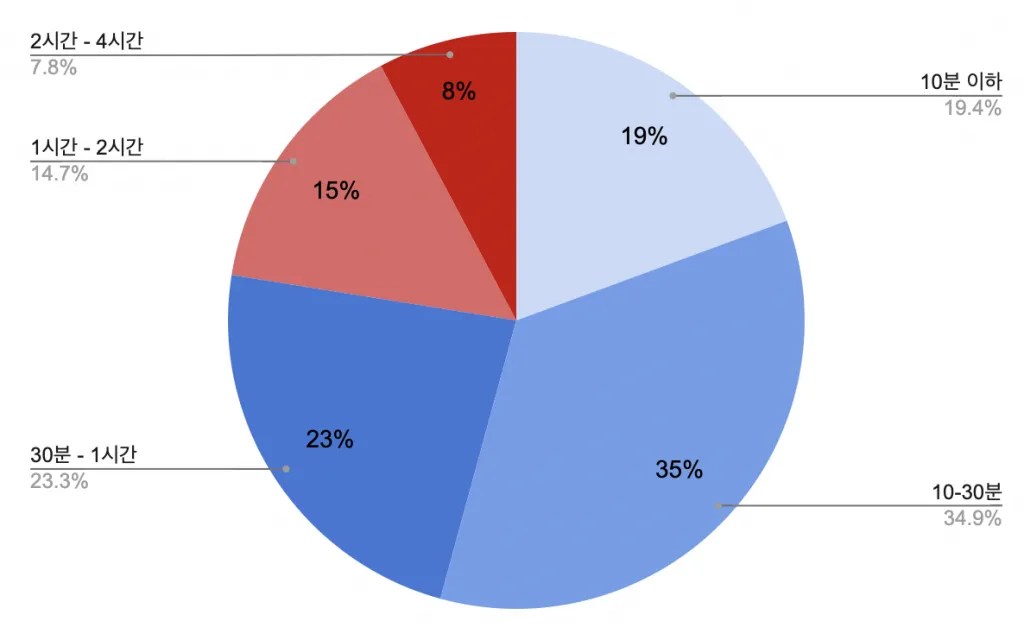
We check our smartphones an average of more than 150 times a day. From turtle neck syndrome and sleep disorders to "Nomophobia"—the anxiety felt when one is without a smartphone. The price of the convenience brought by technological advancement has been harsher than expected.
In particular, consumers in 2026 live in an era where AI provides all the answers. In a world where answers pour out in 0.1 seconds upon asking a question, we have begun to feel a sense of crisis that we are losing the "thinking muscles" required to contemplate and reach conclusions on our own. This has led to the emergence of the concept: "Ownership of Thought."
It is a movement to secure "time for deep contemplation," something that AI cannot substitute and only humans can enjoy. Amidst this flow, people have begun to pay attention to the rough texture of paper and the scratching sound felt at the tip of a pen, rather than the brilliant pixels on a screen.
A New Lifestyle in 2026: Analog Maximalism and the Analog Bag

Have you seen the "Analog Bag" trend that has recently spread primarily through TikTok? This challenge, where people fill their bags with analog items like writing tools, paper books, and film cameras instead of smartphones or tablets, has become a cultural phenomenon beyond a simple fashion item.
The interesting part here is that this movement is not simply "minimalism," which aims to reduce belongings. Rather, it is closer to "Analog Maximalism," which intentionally increases the richness of analog experiences.
The subtle crackle when playing a vinyl record, the excitement of waiting while taking shots one by one with a film camera, and the tactile satisfaction of fountain pen ink soaking into paper. Through this "sensory excess," we attempt to fill ourselves with an emotional richness that digital cannot provide. By choosing analog "experience" over digital "convenience," we are essentially redesigning our quality of life.
A 3-Step Strategy for a Fail-Proof Digital Detox
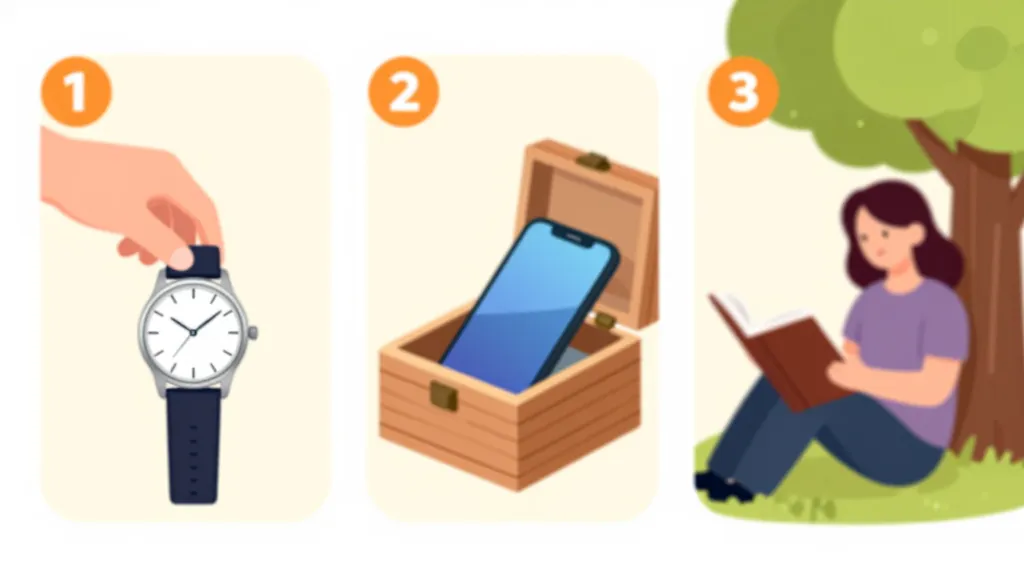
Declaring "I will quit my smartphone suddenly!" is dangerous. Sudden disconnection can actually cause severe stress and anxiety. Wise digital detox practitioners in 2026 use the following gradual approach.
Step 1: Arm Yourself with Analog Weapons (Preparation Stage)
You must prepare physical tools to replace the functions of your smartphone in advance.
- Analog watch for checking time: You must be able to check the time without looking at your phone to resist temptation.
- Paper notebook and writing tools: You need tools to immediately record ideas that come to mind.
- Printed maps: It is good practice to carry a paper map instead of Google Maps for navigation.
Step 2: Setting Boundaries (Execution Stage)
The key is not to quit blindly, but to define your own "digital forbidden zones" and "times."
- Isolation during specific time slots: During lunch, dinner, or two hours before sleep, leave your smartphone in a completely different room.
- Notification diet: Boldly block all app notifications except for essential contacts.
- Announcing to those around you: Reduce your psychological burden by informing family and friends in advance that your responses may be delayed.
Step 3: Accumulating Small Successes
Perfectionism is the greatest enemy of digital detox. Start with small goals, such as reducing usage by 30 minutes a day or not looking at your phone during meals. In situations where using a smartphone is unavoidable for work, it is important to maintain a flexible attitude rather than blaming yourself.
A Changed Daily Life: A Sharper World and a Reclaimed Self

What you gain through a digital detox is not simply "a state of not using a phone." It is a "reunion with yourself."
In fact, those who participate in this challenge experience amazing changes. Since they are not looking at screens late into the night, their sleep quality improves dramatically, and they feel a sense of accomplishment by reading books or starting new hobbies during the time they used to spend mindlessly scrolling. Above all, they say that the nature and the expressions of people unfolding before their eyes feel much sharper and more three-dimensional than the processed world beyond the smartphone screen.
This is not about rejecting technology. It is the process of learning how to maintain a "healthy distance" from technology and regaining control over one's own life.
Closing: Where is your 'Space for Thought'?
Digital detox in 2026 is not a mere prohibition, but a sustainable habit that gives rest to the brain and improves the quality of life. Turn your gaze, which was trapped within the small screen of your smartphone, toward the wide world and your deep inner self.
Instead of making grand plans today, why not start with a single small action, such as leaving your smartphone in the living room and going into your bedroom before sleep?
What is the analog item that gives you the greatest joy in place of your smartphone in your daily life? Please share your own 'analog items' in the comments!
References
- '폰 없이 살아보기' 도전! 2026년 디지털 디톡스로 되찾는 진짜 내 시간 · mongsililab.tistory.com
- 디지털 디톡스와 아날로그 맥시멀리즘 - 2026년 새로운 균형의 라이프 ... · archbehind.com
- 디지털 디톡스 아날로그 백 트렌드 소개 - TikTok · tiktok.com
- 초격차 AI시대 新소비트랜드: 인간다운 '서사'를 갈망하는 디지털 역린 ... · blog.naver.com
- 2026년 모든 문구 제조업체가 주목하는 주요 트렌드 · toptradesourcing.com
- 디지털 디톡스 마케팅: 오프라인 경험의 가치 강조 - 재능넷 · jaenung.net