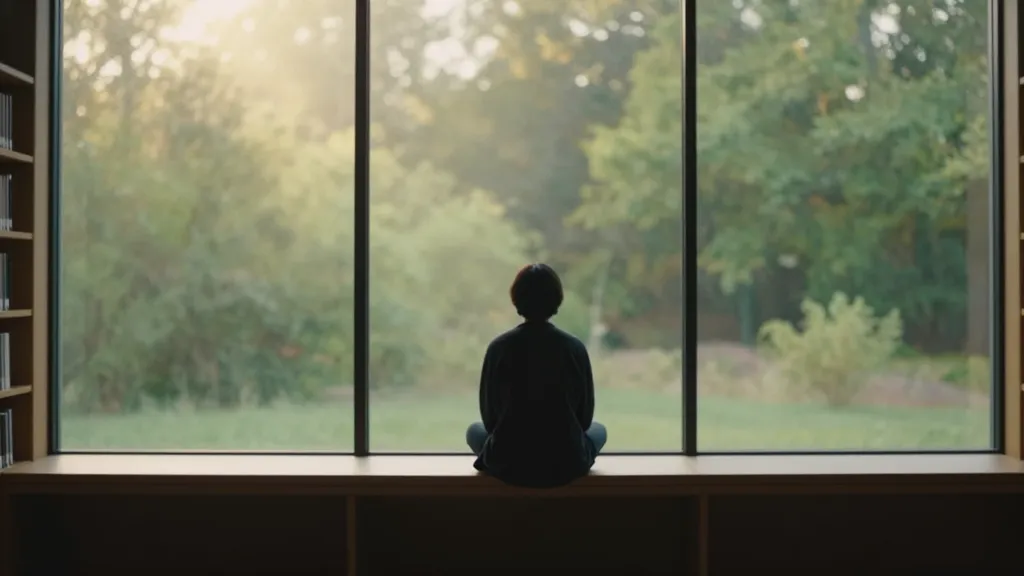
Do you spend your days checking your smartphone as soon as you open your eyes every morning, filling your time with a flood of newsletters, YouTube lectures, and self-improvement books? That passionate effort to keep up with others might actually be a "success trap" that is slowly burning out your brain.
Your brain is currently in a state of 'information overload'
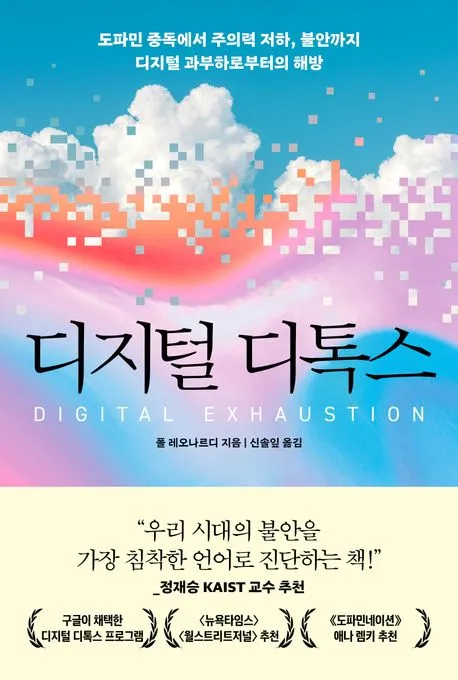
Have you noticed your concentration dropping significantly lately, or felt your body being incredibly heavy even after you thought you had rested? If so, you might not simply be lazy; you may have fallen into the trap of information excess designed by modern society.
Did you know that the 'anti-dopamine' trend is spreading recently? We are so overly dependent on digital devices that even the YouTube channel 'Pinggyego,' featuring Yoo Jae-suk, discussed the struggles of traveling without a smartphone. In fact, many studies show that those with higher dependency on digital devices report more feelings of depression and anxiety, and cases of feeling isolated due to the decrease in real-world face-to-face communication are surging.
While we constantly acquire new information and crave dopamine by reacting to SNS 'likes' and comments, our brains have no time to rest. In his book Dopamine Nation, Dr. Anna Lembke advises, "Instead of trusting your own choices, you should reduce the choices altogether." In other words, rather than trying to distance yourself from your smartphone through willpower alone, it is much more effective to create an environment where you can physically block it.
Why does our effort to learn actually become a poison? It is because of 'cognitive overload.' The capacity of information the brain can process is limited, and the indiscriminate flood of information and constant notifications drive our brains into a state of 'burnout.' This goes beyond simple fatigue; it hinders deep thinking and creativity, ultimately resulting in a decrease in the quality of achievement.
'Digital Minimalism': Becoming the master instead of a digital slave
Then, how can we escape this heavy weight of information? Simply 'stopping studying' is not the answer. The key is to regain the ability to control technology as a tool through Digital Minimalism.
Digital minimalism does not mean cutting off all devices. It means using them selectively only when the benefits gained from the device outweigh the resulting inconvenience. Let's look at specific strategies to practice this.
First, you must physically secure Digital Detox Time. During meal times or one hour before bed, try to stay away from all electronic devices and focus on analog activities such as reading or conversation. Additionally, it is very important to minimize smartphone notification settings. Unnecessary push notifications are the biggest culprits that distract our attention.
The second strategy is the separation of space. Try setting specific areas, such as your bedroom or dining table, as 'Digital-free zones.' The intentional discomfort felt in a space without a smartphone actually provides deep rest for the brain. In fact, places like 'Healience Sun Village' in Hongcheon, Gangwon-do, are gaining great popularity by operating programs that help people regain healthy habits through such 'intentional discomfort.'
The third is the clarification of purpose. Instead of habitually turning on your smartphone, develop the habit of acting with a clear purpose, such as, "I am turning on my phone now to find information." Once the purpose is achieved, you need to practice putting the device down immediately.
Lastly, develop offline hobbies. Activities that involve moving your hands and body, such as walking, exercising, or crafting, allow you to feel a sense of accomplishment in the physical world rather than the digital space. This healthy stimulates the brain's reward system and builds a strong sense of self that is not swayed by feedback from the virtual world.
'Slow Work' strategies for sustainable growth
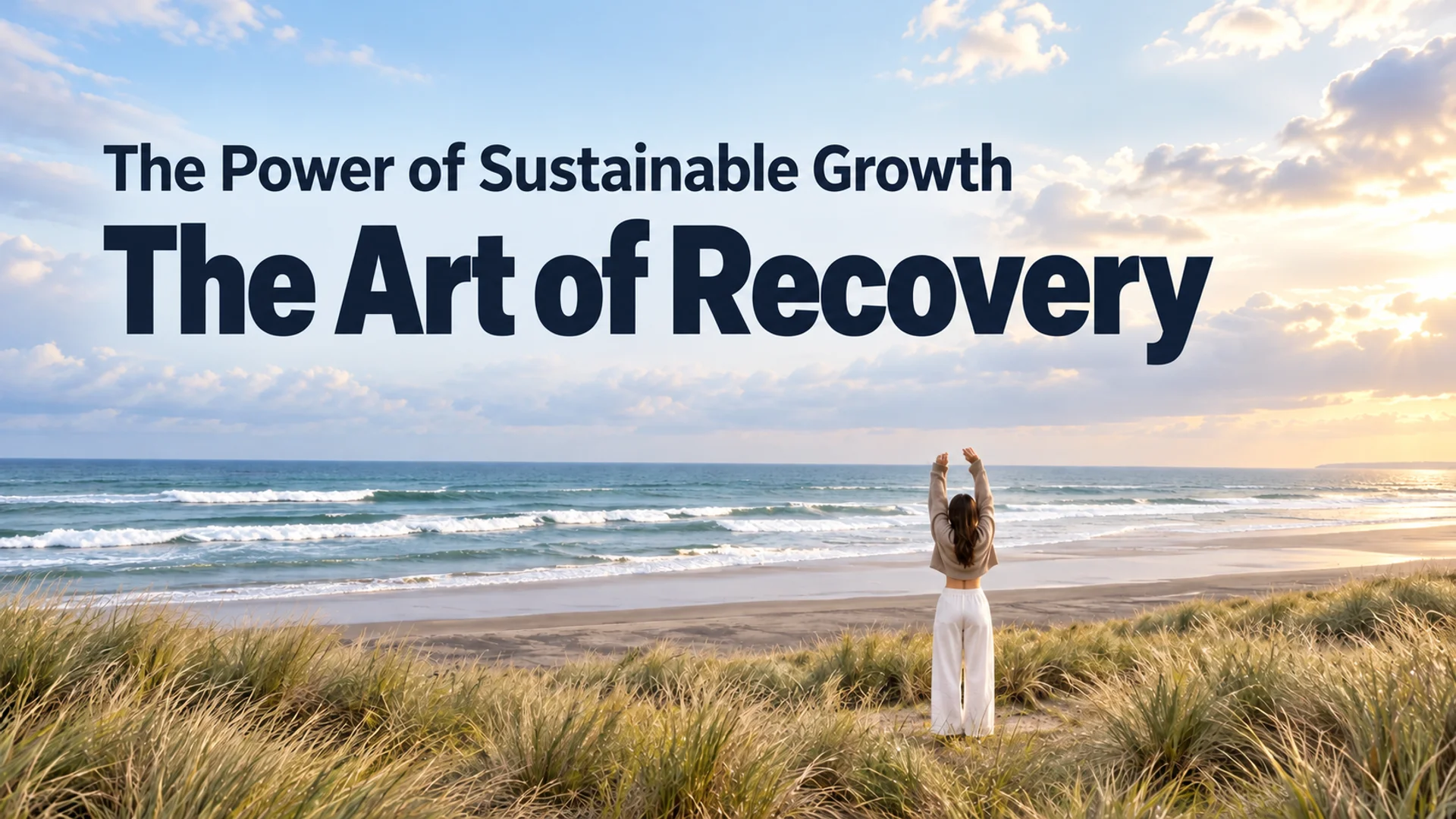
Many believe that 'faster and more' is the formula for success. However, Cal Newport presents the opposite insight in his book Slow Productivity. The 'tasking' method of trying to process many tasks unconditionally and quickly ultimately hinders deep thinking and lowers the quality of performance.
To truly increase productivity, you must learn 'Slow Work'—working at your own unique pace. This is not about being lazy, but a strategic choice to intentionally limit unnecessary workloads so that you can pour overwhelming concentration into the remaining time.
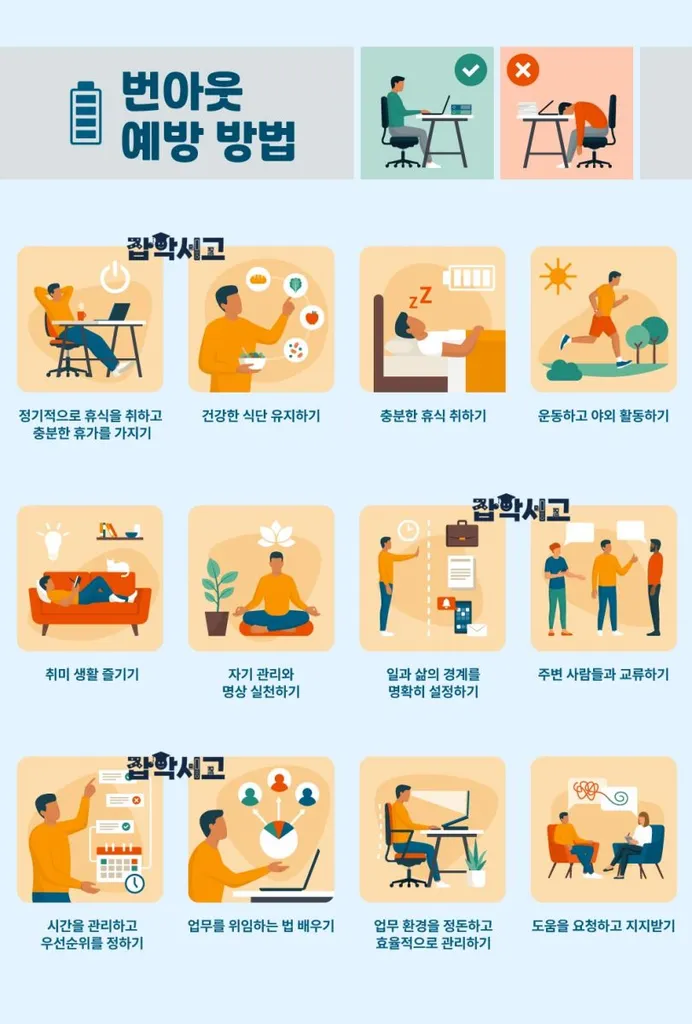
To achieve this sustainable growth, you must remember the following three principles of emotional management:
- Self-awareness: Regularly check your emotional state and remaining energy levels. Knowing whether you are on the verge of burnout or in a state where you can immerse yourself is the beginning of management.
- Boundary Setting: Draw healthy boundaries between work and private life. In the instability of the VUCA (Volatility, Uncertainty, Complexity, Ambiguity) era, the only way to protect yourself is to clearly define the boundaries that shield you from external stimuli.
- Strategic Resource Management: Emotional energy is also a limited resource. 'Emotional resource management' is required to take breaks and recover energy before your energy is depleted.
There is also an interesting study from a design perspective. An analysis of the impact of smartphone notification design on user stress revealed that intense colors or designs that create a sense of urgency induce stress, whereas notifications using calm colors and soft language increase emotional stability. This means that even the design of the apps we use constantly intervenes in our psychology.
Summary: Again, at my own pace
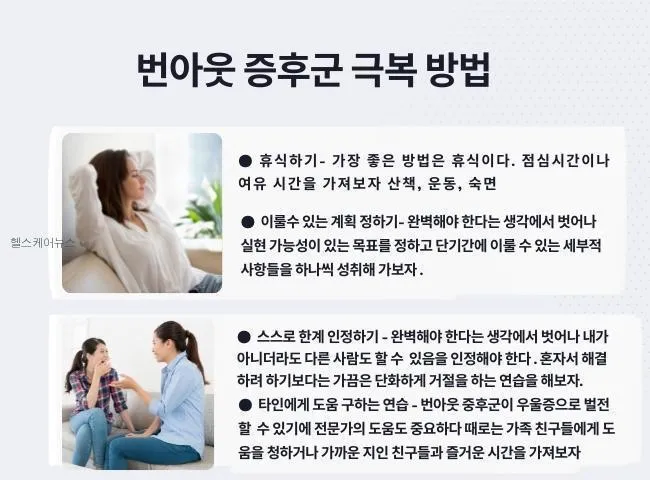
Today, we looked at why the effort to learn more makes us exhausted, and what strategies are needed to escape that trap.
- Information excess causes cognitive overload in the brain, leading to burnout.
- You must regain control over device usage through digital minimalism.
- You must build a foundation for sustainable growth through 'Slow Work' and emotional management.
Success is not about running faster, but the process of steadily moving forward at your own pace while accurately perceiving where you are going. How about putting down your smartphone for a moment today and looking at the scenery outside the window or feeling the texture of a paper book? That small 'intentional discomfort' will change your tomorrow.
When during the day do you feel the most digital fatigue? Please share your own digital detox methods in the comments!
References
- 도파민 과잉시대의 자기구속: 스마트폰 없이 여행 떠나기 · ican.co.kr
- 혹시 나도 디지털 중독? 디지털 미니멀 라이프를 위한 6가지 실천 방법 · blog.naver.com
- 디지털 웰빙과 커뮤니케이션 디자인 SSCI 해외저널 논문컨설팅 후기 · prime-consulting.co.kr
- VUCA시대를 이기는 정서관리 - KIRD 국가과학기술인력개발원 · kird.re.kr
- 슬로우 워크 | 칼 뉴포트 - 교보문고 · product.kyobobook.co.kr