Have you ever experienced the stress of noise—such as inter-floor noise or echoing phantom sounds—when you were actually expecting complete relaxation upon returning home?
Recently, the focus of interior design has been shifting beyond "visual design," which simply involves arranging pretty furniture, toward sound design, which controls the flow of sound. This is because the sounds heard within a space play a crucial role in our mental and physical stability, just as much as the aesthetic beauty of the space itself.
For those struggling with noise issues, today we will examine the problems of our current noise environments and provide an in-depth comparative analysis of various interior alternatives to solve them.
The War Against Noise: Why is laying mats not enough?
The first method many people choose to resolve inter-floor noise or indoor echoes is "laying down thick mats." While they are certainly not without effect, why does it feel like mats alone have their limits?
The reason is that the types of noise and their transmission paths are more complex than one might think. Noise bothers us in two major ways. One is noise that must be blocked, coming from outside or from the floor above, and the other is reflected sound (echo), which bounces off walls and floors within the room.
The problem is that the mats or simple interior finishing materials we commonly use can help to some extent with "shock absorption," but they are insufficient for changing the entire acoustic environment of a space. Especially in multi-family housing like apartments, if you cannot catch the vibrations traveling through the walls or the airborne noise leaking through door gaps, it is difficult to escape noise stress no matter how expensive the mats are.
Furthermore, many consumers confuse the difference between sound-absorbing materials and sound-insulating materials, leading them to purchase the wrong products. If you apply sound-absorbing materials where you need to block sound, or sound-insulating materials where you need to absorb sound, you are simply wasting money and time.
Three Paths to a Solution: Comparative Analysis of Alternatives
Strategies to solve noise problems can be broadly divided into three directions. Let's compare the characteristics and clear limitations of each method.
1. Physical Blocking Strategy: Sound Insulation and Structural Reinforcement
This is the most fundamental method to physically block external noise or sounds from neighboring units.
- Characteristics: A method of making walls thick and heavy using high-density materials (asphalt-type, sound-insulating gypsum board, etc.) so that sound energy cannot pass through.
- Pros: It exerts the strongest effect in blocking the influx of noise itself. This is an essential technique to meet strict standards such as the inter-floor noise post-verification system. Recently, when combined with high-performance buffering materials that implement Grade 1 performance (such as those from LX Hausys), it shows overwhelming sound insulation performance.
- Cons: Construction is difficult and costs are high. It often involves construction at the level of tearing down walls or re-laying floors, making it nearly impossible as a DIY interior project. Additionally, simply attaching sound insulation is not enough; structural density must support it.
2. Indoor Sound Quality Improvement Strategy: Using Sound-Absorbing Materials
A method to create a pleasant acoustic environment by reducing the phenomenon of sound echoing indoors.
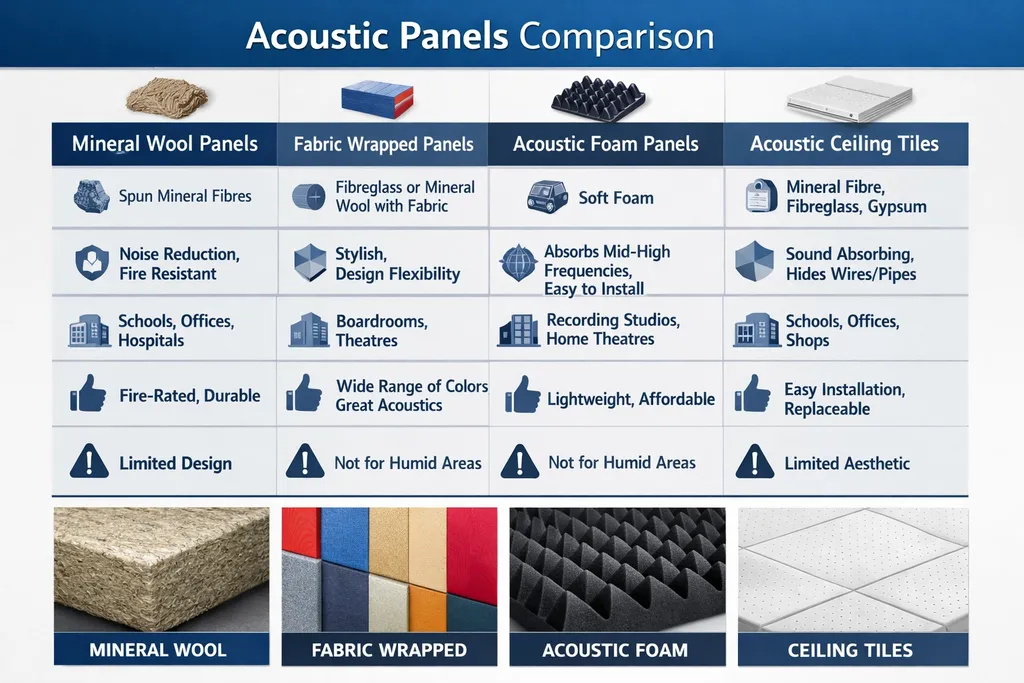
- Characteristics: It uses porous materials such as sponges, polyester, perforated boards, or wood wool boards to convert sound energy into thermal energy and eliminate it.
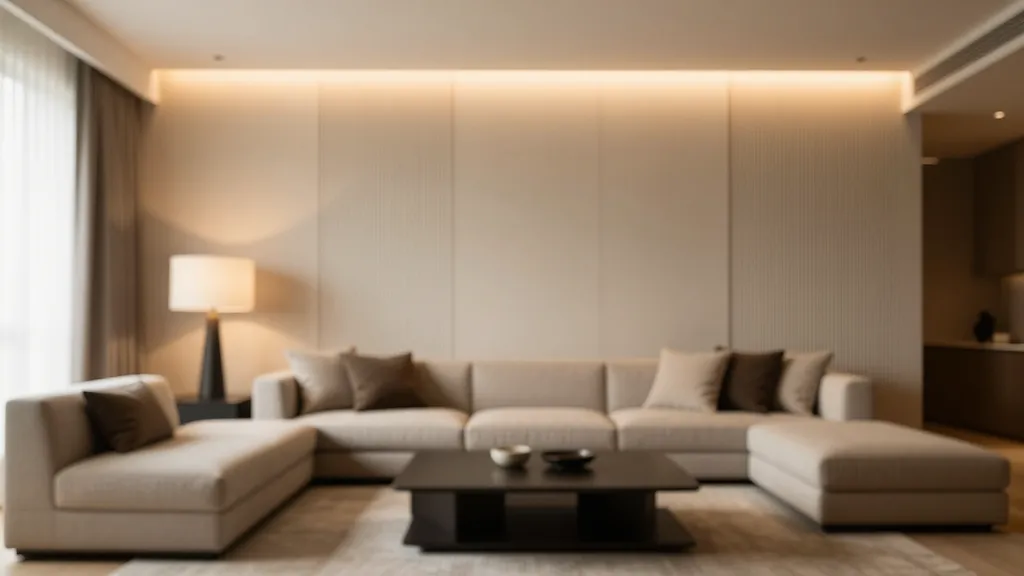
- Pros: It is very effective for increasing concentration in work-from-home or home office environments. There is a wide range of choices, from inexpensive products like egg-crate absorbers to perforated boards with excellent interior effects. Recently, acoustic wall panels have emerged as a home decor trend, becoming popular as a way to increase aesthetic value by attaching them to walls like pieces of art.
- Cons: Sound-absorbing materials only "absorb" sound; they do not "block" sound coming from the outside. In other words, if you attach sound-absorbing materials to the wall because you want to stop the thumping sounds from the next door, it will be difficult to see a significant effect.
3. Spatial Design Strategy: Rearranging Furniture and Layout
A lifestyle-integrated strategy that can be attempted with the lowest cost.
- Characteristics: A method of obstructing the transmission path of noise by strategically placing bookshelves, cabinets, thick curtains, sofas, etc.
- Pros: It can be implemented immediately without major construction. Placing a bookshelf against a wall can serve as an excellent sound insulation barrier, and fabric furniture acts as an excellent sound absorber.
- Cons: It cannot solve the fundamental structural flaws that cause noise. It has a strong temporary nature, and a disadvantage is that the layout of the space may be restricted.
Advice for 2025: What should you choose?
So, what choice should we make? The answer depends on the "nature of the noise" you are experiencing.
First, if the noise from neighbors or external road noise is the problem? In this case, an approach centered on sound insulation is absolutely necessary. The standard method is to strengthen the sealing of door gaps and first install high-density sound insulation on the walls, then add sound-absorbing materials on top. Especially in multi-family housing, choosing a high-performance floor structure with verified buffering performance (such as KS certification) is the most economical choice in the long run.
Second, if the sound echoes heavily inside the house, or if your concentration in your home office is dropping? In this case, focus on sound-absorbing materials and acoustic wall panels. Like the recent trend of the 'Abstracta x Wall of Art' project, by arranging products with sound-absorbing functions on the walls like artworks, you can increase the completeness of the interior while creating a quiet environment like a movie theater.
Third, if you want the most efficient 'hybrid' strategy? The smartest method I recommend is creating a dual structure of "Absorption + Shock Absorption." Lay functional flooring (such as Sorizbam, etc.) that includes high-elasticity cushioning on the floor, and place designed acoustic panels on the walls. This way, you can catch two birds with one stone: blocking noise and improving indoor sound quality.
Closing: Sound is the completion of a space

Ultimately, interior design is not just about filling up what is visible, but a process of satisfying the five senses of the people living within it. Sound design, the living trend penetrating 2024 and 2025, focuses precisely on that 'auditory wellbeing.'
Noise is more than just a loud problem; it is a significant factor directly linked to our stress levels and quality of life. I hope you will move beyond visible pretty designs and create a true "healing space" that designs even the comfort felt through your ears.
What is the most bothersome noise in your home? Or, if you have your own tips for solving noise, please share them in the comments!
References
- 오름앤컴퍼니 on Instagram: "서울리빙디자인페어 SLDF ... · instagram.com
- 인테리어 방음재, 흡음재, 차음재의 종류와 차이점 - Naver Blog · blog.naver.com
- 방음재의 모든 것: 종류, 특징, 시공 방법 | 일흥건영 · ganet.co.kr
- 방음재, 흡음재, 차음재 뜻, 차이 및 종류는? 취급 자재사 찾아보기 - 산군 · sankun.com
- 인테리어 바닥재 종류 선택 가이드, 층간소음 줄이는 완충재와 이중 ... · blog.naver.com
- LX하우시스 1등급 바닥 구조로 해결하는 층간소음 · lxzin.com
- 층간소음 걱정 없는 우리 집 만들기 - going1-5 - 티스토리 · going1-5.tistory.com
- 음향 벽면 패널이 2025년 가장 인기 있는 홈 데코 트렌드인 이유 · carsemfloor.com