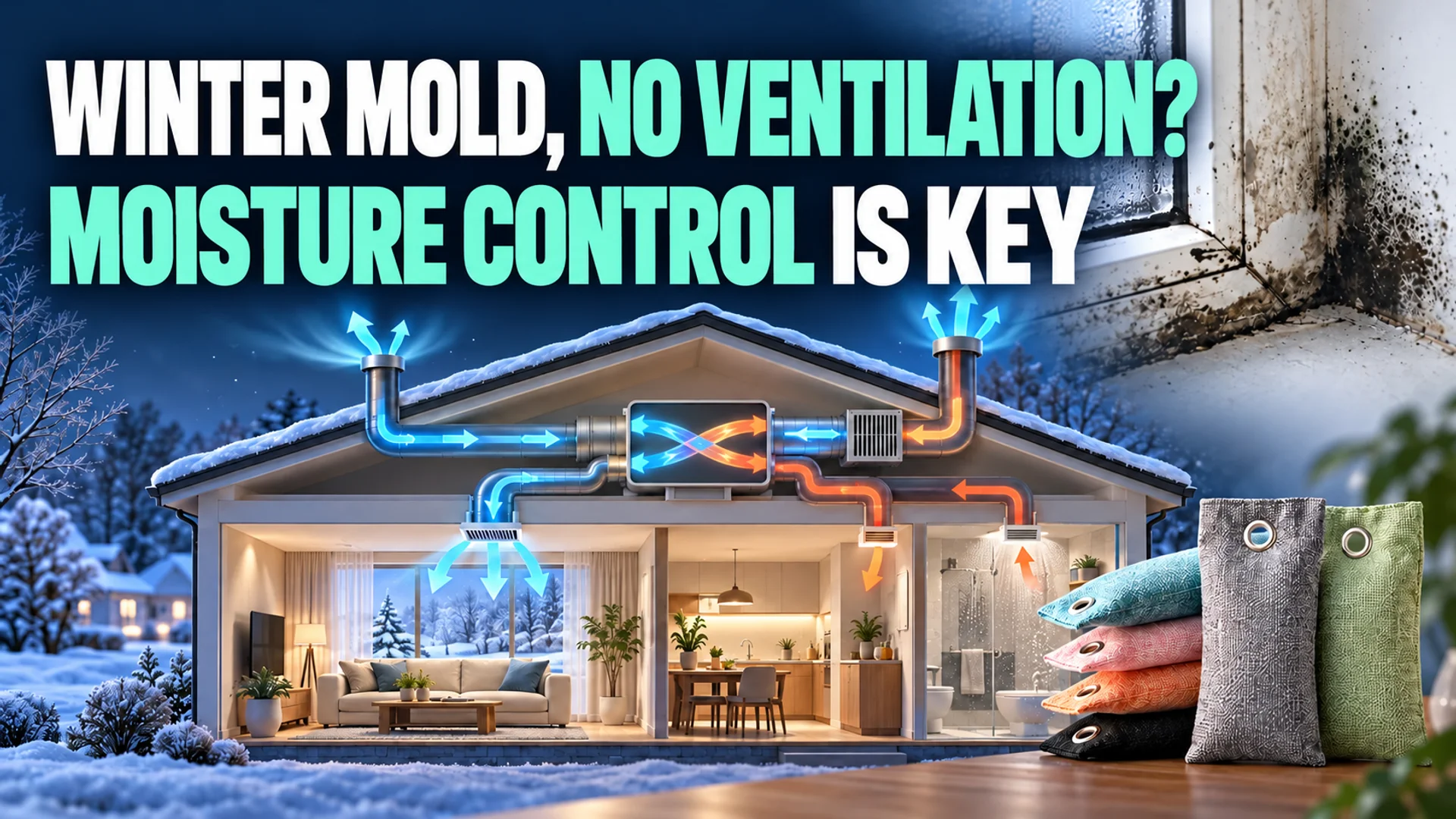
November is the period when heating begins in earnest, causing the temperature difference between indoors and outdoors to widen. During this time, musty odors permeating various parts of the house and mold hidden behind wallpaper are not merely issues of cleanliness but housing environment problems closely linked to recurring condensation in enclosed spaces. Especially during winter when ventilation is difficult, indoor humidity rises, creating ideal conditions for the proliferation of bacteria and mold. Addressing this requires a strategy that combines air quality management systems with practical hygiene habits.
Indoor environment management during winter should be approached through three main pillars. First, utilizing devices such as Heat Recovery Ventilators (HRVs) to supply fresh air without introducing outdoor pollutants. Second, using moisture-absorbing materials in localized, enclosed spaces such as wardrobes or shoe cabinets. Lastly, physically removing existing mold and focusing on 'complete drying' after cleaning to prevent recurrence. This article outlines step-by-step methods for effectively controlling winter odors and mold.
The Mechanism of 'Condensation,' the Main Culprit Behind Winter Odors and Mold
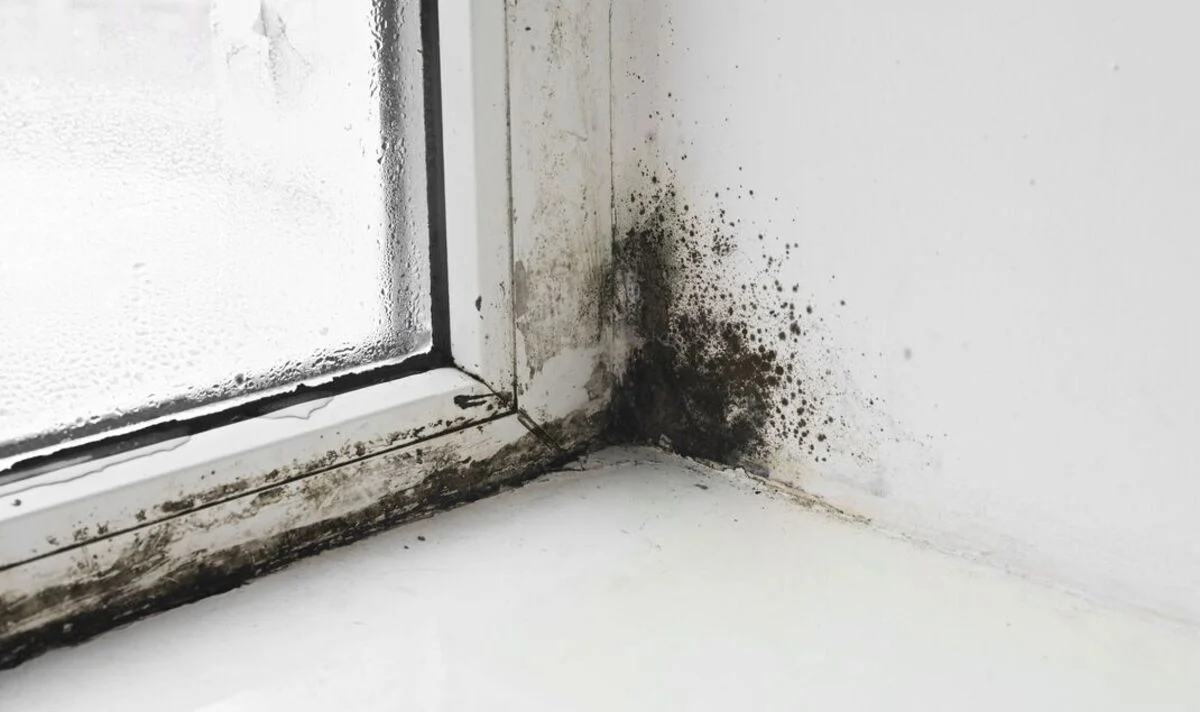
The primary cause of indoor odors and mold in winter is 'condensation,' resulting from the temperature difference between indoors and outdoors. When warm indoor air heated by heating touches cold exterior walls or windows, water vapor turns into water droplets that accumulate on surface interiors. This combines with moisture from cooking steam or laundry drying indoors, rapidly promoting mold growth 1. Especially when furniture is pushed against exterior walls or curtains touch window frames, air circulation is blocked, making it easy for moisture to accumulate 1, 2.
Persistent condensation leads to bacterial proliferation, generating sour or moldy smells. If limited window opening due to low outdoor temperatures causes stagnant air circulation and indoor humidity remains above 60%, conditions become ripe for the main culprits of foul odors 3. Mold is not only an aesthetic issue but can also cause respiratory diseases by dispersing spores into the air, making early intervention to block the cause crucial 1, 4.
The Role of Heat Recovery Ventilators (HRVs) in Overcoming Ventilation Constraints
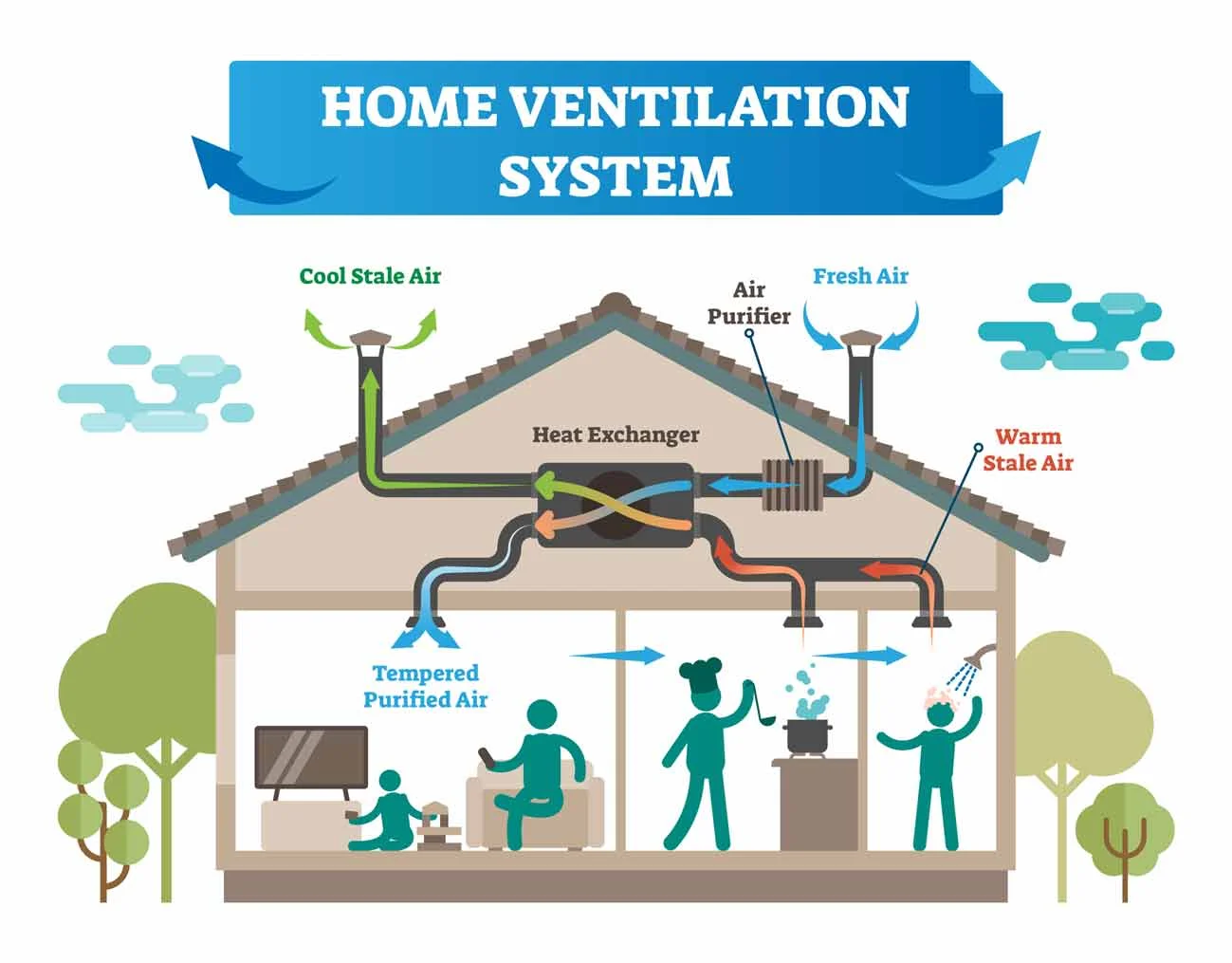
In winter, people hesitate to open windows due to the cold or poor air quality, but the Korea Disease Control and Prevention Agency recommends maintaining indoor humidity at 40–50% and performing cross-ventilation for 10–30 minutes per session, three times a day 2. Heat Recovery Ventilators (HRVs) have gained attention as an alternative to solve these ventilation constraints. An HRV is a system that recovers thermal energy wasted when exhausting stale indoor air to regulate the temperature of cold air entering from outside 5.
[Table: Energy Recovery Efficiency of Heat Recovery Ventilators (HRVs)]
| Category | Efficiency Rate | Remarks |
|---|---|---|
| Heating/Cooling Energy Recovery Rate | Approx. 70–80% | Regulates incoming air temperature through exhaust energy recovery 5, 6 |
| Temperature Exchange Efficiency (Heating) | 76.8 ~ 80.9% | Performance specifications by model (based on Glex standards) 6 |
| Enthalpy Exchange Efficiency (Heating) | 71.8 ~ 77.2% | Exchange efficiency considering both heat and moisture 6 |
Applying such heat recovery technology allows for the supply of fresh air and emission of pollutants while minimizing indoor temperature drops caused by ventilation 5, 7. According to manufacturer data, certain specifications can expect to save more than 20% on heating and cooling costs, making it a highly practical alternative during winter when regular ventilation is difficult 7.
The Principle of 'Drying and Absorption' for Eliminating Odors in Enclosed Spaces
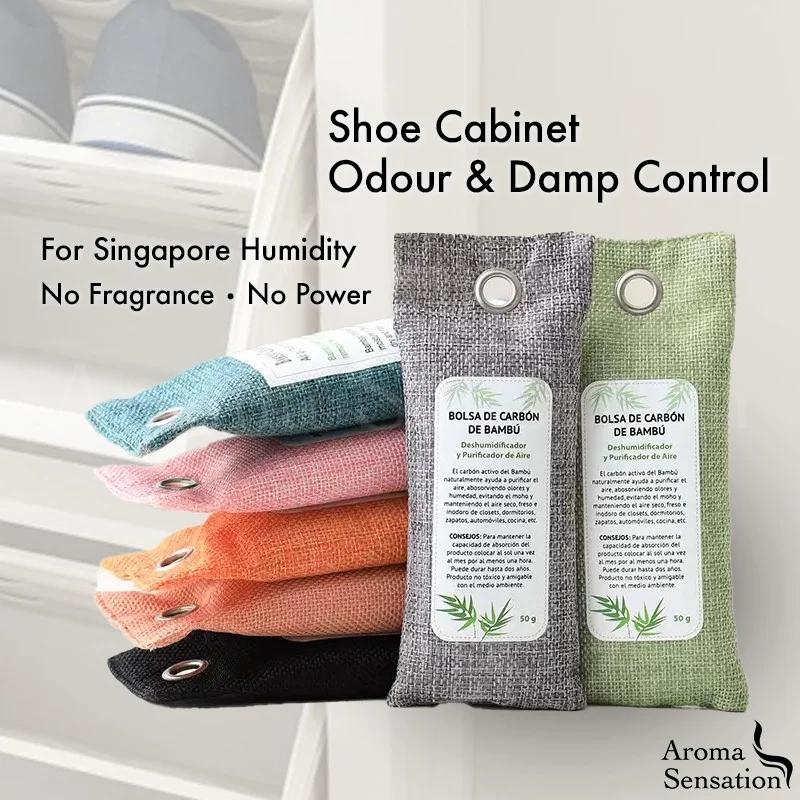
In enclosed spaces like shoe cabinets, wardrobes, and bathrooms, where ventilation alone is insufficient, strategies to physically remove or absorb moisture are essential. Moisture acts as a medium that traps odor molecules, so keeping the environment dry is key to eliminating odors 3.
The easiest materials to utilize are charcoal, coffee grounds, and newspaper. These materials help suppress bacterial growth by absorbing residual moisture in enclosed spaces 8, 3, 4. Especially ground coffee beans have excellent deodorizing effects and can be usefully employed in refrigerators or shoe cabinets 8. Additionally, keeping dehumidifiers in enclosed shoe cabinets or wardrobes to lower internal humidity is a basic preventive measure against mold formation 4.
Situation-Specific Custom Removal Methods for Wallpaper Mold and Drain Odors
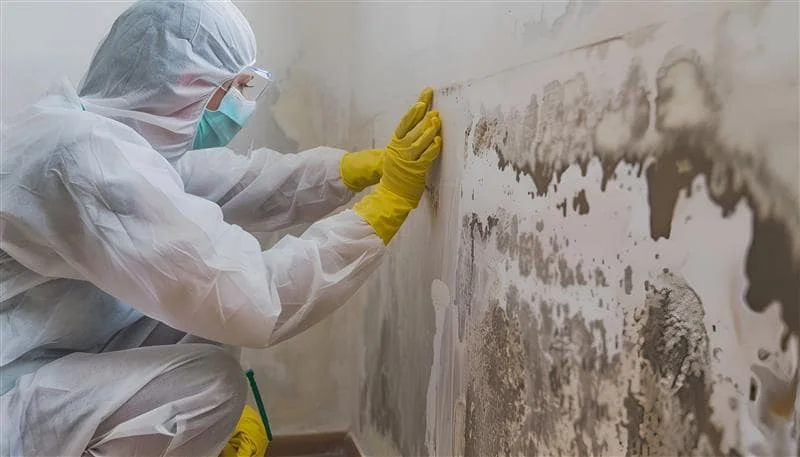
Existing mold or drain odors must be addressed promptly using specialized cleaning methods. Mold on wallpaper surfaces should be wiped with a diluted bleach solution (water 3:bleach 1) or alcohol (water 4:alcohol 1), and then must be 'completely dried' 1, 4, 8. If left wet, mold will immediately recur, so the process must be accompanied by moisture removal using a hairdryer or similar device 8.
Odors from kitchen or bathroom drains result from the decay of food scraps and grime. In such cases, pouring one cup of sodium percarbonate into the drain, followed by 60–70°C hot water, sealing the drain entrance with plastic wrap, soaking for 30 minutes, and then rinsing can effectively remove the decaying substances that cause foul odors 3, 4.
Bedding and Laundry Management Habits for Odor Prevention

A significant portion of winter odors stems from bacterial growth in fabrics. Air-drying laundry in enclosed indoor spaces causes bacteria to proliferate, producing a so-called 'dishrag smell.' To prevent this, care must be taken from the laundry stage. Wash using lukewarm water at 30–40°C and increase the number of rinse cycles to minimize detergent residue 3.
During the drying process after laundry, it is advisable to utilize dehumidifiers or fans to maximize drying speed 3, 9. Bedding accumulates dead skin cells and waste products even in winter, so it should be washed or sun-dried at least once every two weeks to manage dust mites and bacteria 3. Recent appliances like robot vacuums often feature high-temperature hot water washing and hot air drying functions, which can help fundamentally block odors emanating from the mop pads themselves 9.
The Technique of 'Humidity Log' to Maintain Comfort in November Without Ventilation
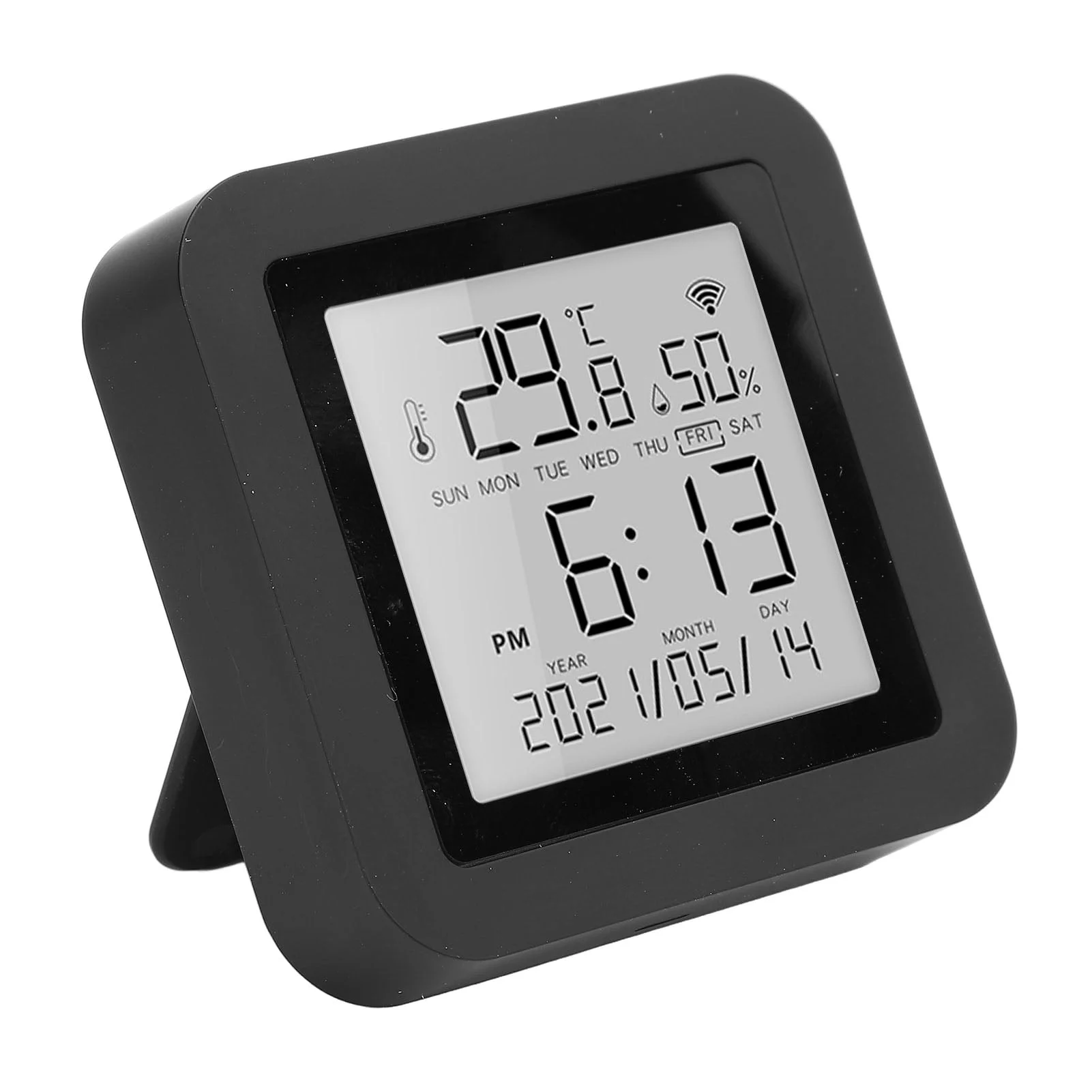
Ultimately, managing the indoor environment in winter is a battle against 'invisible moisture.' Many people only attempt ventilation once an odor becomes noticeable, but mold spores begin becoming airborne much earlier. Therefore, keeping a hygrometer in living spaces like the living room and recording morning and evening changes is the most reliable management method 2.
Check whether furniture is placed at least 3–5 cm away from exterior walls to create gaps for air circulation, whether condensation moisture on window frames was wiped away immediately, and whether a dehumidifier was run to keep indoor humidity below 50%. Only by accumulating these small, repetitive efforts can you enjoy a comfortable, odor-free winter even during harsh cold waves when opening windows is difficult.
References
- 벽지 곰팡이는 왜 겨울철에 심해질까? - 유레카 · morakmoney.com↩
- 2026 겨울철 창문 결로 없애는 법: 적정 습도·환기·곰팡이 예방 9단계 · emfls.github.io↩
- 겨울철 닫힌 방 안 꿉꿉한 냄새 원인과 확실한 해결 방법 · cleanbreathlab.blogspot.com↩
- CESCOMALL · cescomall.co.kr↩
- ERV란 무엇인가요? - Airwoods · ko.airwoodscomfort.com↩
- 열회수환기장치 – 그렉스 · grex.co.kr↩
- 열회수형환기장치란 - 유원기술 · xn--ok0bx10b1e348cg1f.kr↩
- 겨울철 집안 곰팡이 예방과 청소 방법 – 건강한 실내 환경을 위한 필수 관리법 › 스타일리쉬 플.... · stylishplace.kr↩
- 2026 로봇청소기 추천! 예산별로 딱 ‘이것만’ 사세요! (가성비부터 끝판왕까지 딱 정해드립니다) · youtube.com↩