I thought everything would be perfect once I had neatly cleared out my home. At the peak of minimalism—with white walls, smooth floors, and only a few essential pieces of furniture—I felt a fleeting sense of tranquility.
But within a few days, a strange emptiness washed over me. In the place where objects once resided, instead of orderly beauty, an emptiness took hold, as if the "traces of myself" that could show who I am had vanished. The empty space felt cold, like an uninhabited exhibition hall, and that silence, rather than soothing me, made me feel anxious.
Have any of you experienced something similar? Perhaps you became so preoccupied with emptying things out that you inadvertently lost the "warmth of life" that was meant to comfort you.
The Unexpected Emptiness That Followed the Disappearance of Objects
For a long time, we lived believing the minimalist philosophy that "Less is more" was an absolute truth. Reducing unnecessary consumption and pursuing a simple life away from a complex world was certainly a valuable endeavor. However, in 2026, we have begun to ask a slightly different question: "Does simplicity truly make me happy?"
In fact, the coldness felt in minimalist spaces can be explained psychologically. A space with minimized objects lacks visual stimulation, making it difficult to stimulate new creativity or serve as an "anchor of memory" that evokes precious past recollections. Conversely, appropriate colors, patterns, and objects containing our own stories trigger active neural responses in our brains, providing emotional stability.
The act of accumulating objects is not merely due to greed. It is closer to an instinctive movement to record the time we have lived and to express ourselves through space.
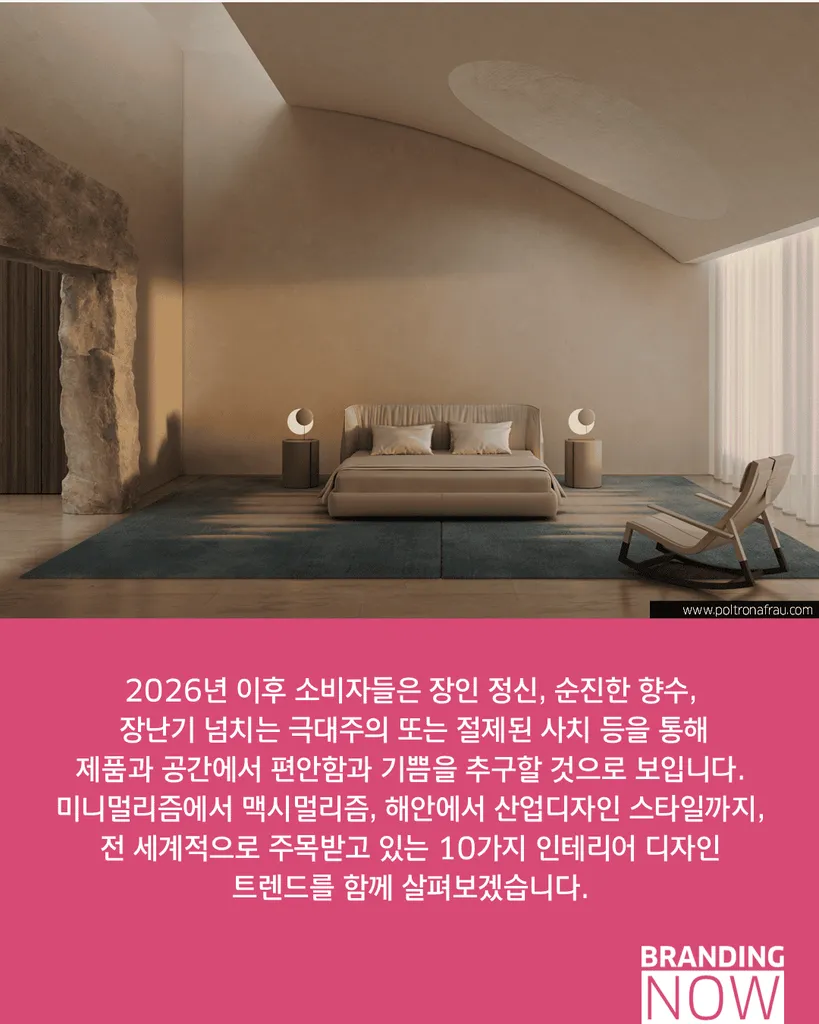
The New Trend of 2026: The Emergence of 'Eco-Maximalism'
The trend is now shifting from simply emptying out to deciding what to fill and how to fill it. Eco-Maximalism, which has recently gained attention, was born precisely at this intersection. It is entirely different in nature from the past maximalism of indiscriminately piling up objects.
The lifestyle of 2026 has seen a paradigm shift from 'possession' to 'circulation.' It is not about simply having many things, but about expressing one's tastes richly while considering the environment. For example, one might fill a space by curating upcycled furniture made from recycled plastics or vintage furniture that wears the traces of time beautifully.
This is a process of seeking a kind of "intentional order." By harmoniously arranging vibrant colors, patterns, and objects made of sustainable materials, we can protect the environment while completing our own unique aesthetics. The home is no longer just a place to sleep; it is becoming a "curated space" where we practice our values and recharge our energy.
5 Solutions to Reduce Emotional Possession and Improve Quality of Life
How, then, can we strike a balance between "empty minimalism" and "disordered maximalism"? I propose five practical methods to enjoy a rich life while avoiding "emotional possession"—the act of impulsively buying things driven by fleeting emotions.
1. Give your objects a 'Narrative' Objects bought simply because they are pretty quickly become trash. However, a small statue that holds a memory of a trip, or an old cup passed down from a parent, breathes life into a space. When choosing an item, ask yourself, "Can this tell the story of my life?" Meaningful objects add weight to a space.
2. Utilize the principle of 'Compression and Release' in spatial arrangement Psychologically, humans feel a sense of stability in small spaces that offer a feeling of protection for the back. Rather than trying to use all spaces expansively, create your own cozy "refuge." By concentrating your favorite items in a small study or a cozy corner of a bedroom, you can experience the "paradox of stability," where your heart rate lowers and you gain emotional comfort.
3. Practice sustainable 'Circular Consumption' Before buying a new product, develop the habit of checking resale platforms or looking for upcycled products. Consumers in 2026 now consider not only the lifespan of a product but also its repairability. Choosing high-quality products that can last a long time is a way to capture both the spirit of minimalism and the abundance of maximalism.
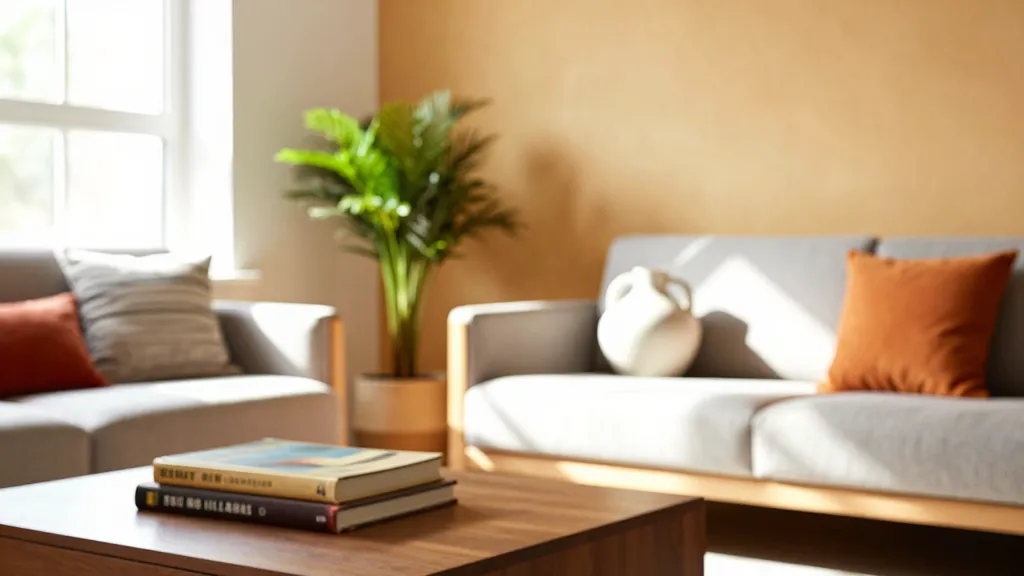
4. Balance visual stimulation and rest There is no need to decorate every part of your space grandiosely. For a living room or studio that requires visual richness, use colors and patterns to stimulate creativity; for a bedroom that requires rest, apply a restrained aesthetic using the harmony of light and shadow. The key is to give each space a different "rhythm."
5. Secure analog zones for 'Digital Detox' In the highly advanced year of 2026, the home should be a sanctuary to relieve digital fatigue. In an era where AI suggests everything, set aside dedicated spaces for analog hobbies that you can touch and feel with your own hands (such as gardening, transcription, or listening to LPs). This is true "wellness."
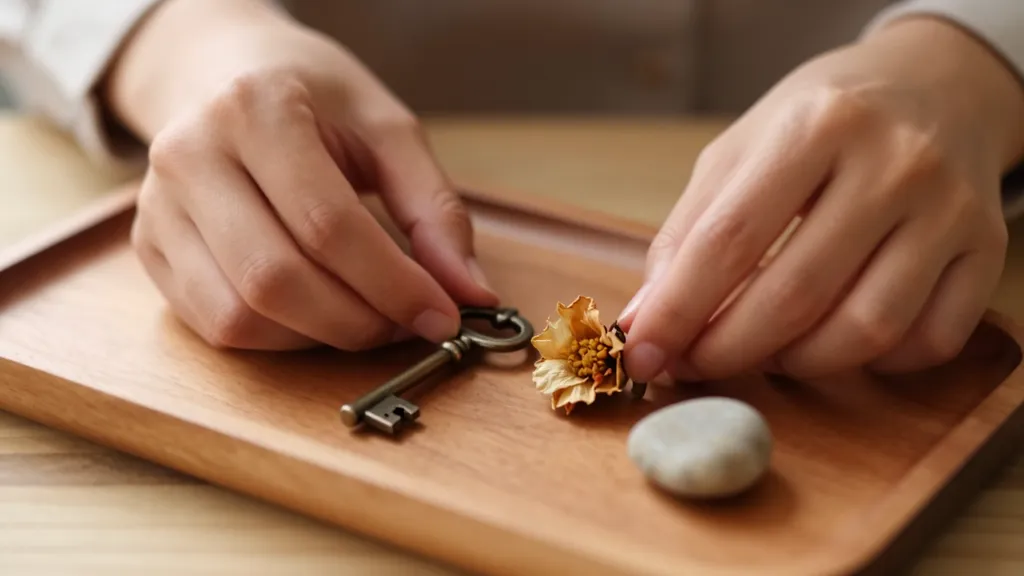
Ultimately, a Home is a Mirror Reflecting You
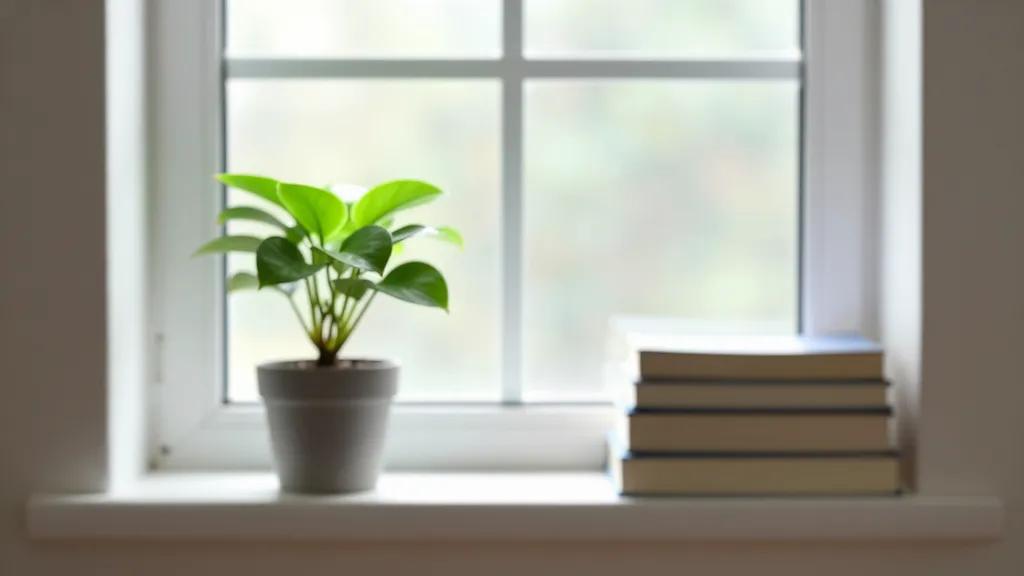
What is the ultimate reason we cultivate our spaces? It is not to create a perfect model house tailored to the eyes of others. It is to protect our inner selves and recover from the exhaustion of daily life.
Neither the neatness of minimalism nor the abundance of maximalism is the definitive answer. What matters is that the objects you possess do not overwhelm you, but rather, you can manage them to comfortably reveal your identity.
When you reduce emotional possession and begin intentional curation, your home finally transcends being a mere physical place and becomes a vessel that holds your soul.
What story is your space telling right now? Is it perhaps too empty and lonely, or too full and suffocating?
I am curious to know: what is that "one single object" that you cherish most and changes the atmosphere of your space? Please share your story in the comments!
References
- 단순함보다 복잡한 맥시멀리즘 공간이 뜬다 - 패션포스트 · fpost.co.kr
- 지구 환경을 위한 지속가능한 패션의 착한소비 확산 - 서울연구원 · si.re.kr
- Maison marie claire korea 메종 (@maisonkorea) · Seoul - Instagram · instagram.com
- 2026년 라이프스타일 엿보기…소유에서 순환으로 - 패션인사이트 · fi.co.kr
- 웰니스 트렌드 총정리 : 2026년 주목해야 할 라이프스타일 변화 · asomemusic.com
- 미니멀리즘 인테리어의 건축적 해석: 공간을 재정의하는 철학과 실천 · jaenung.net
- [ 가구, 집을 갖추다 ] 김지수 - 리빙 인문학. 사물과 공간 - Naver Blog · blog.naver.com
- 좁은 공간이 주는 안정감의 역설: 왜 우리는 작은 공간에서 편안함을 ... · jaenung.net