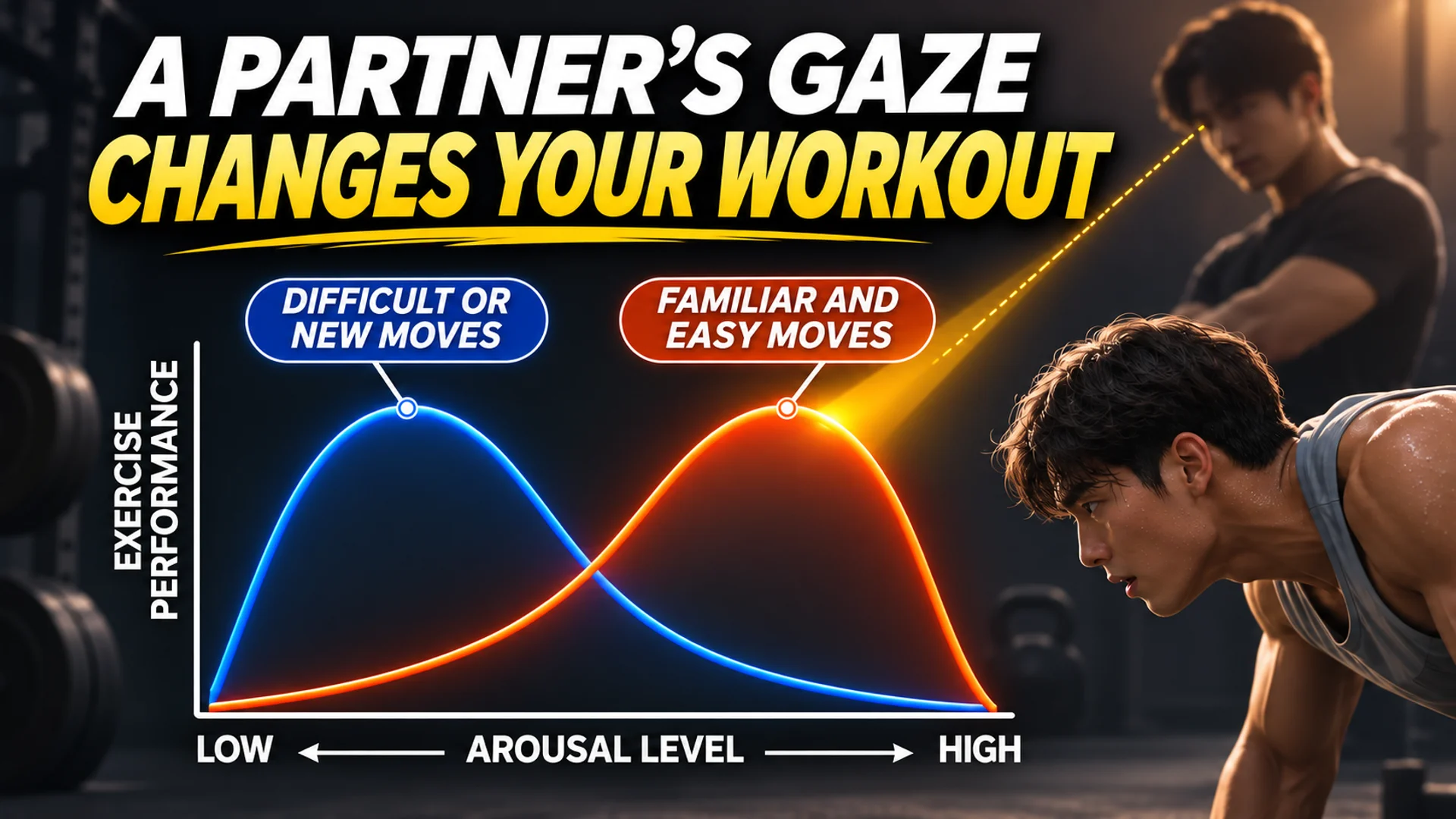
You have likely experienced holding out longer on your final rep or lifting a little more when a workout partner is present compared to exercising alone. This is not just an impression—it is a psychologically validated phenomenon. However, simply having someone nearby is not enough to trigger the effect. A 1968 experiment by psychologist Cottrell clarified the difference: when participants performed tasks in front of a blindfolded observer, their performance was no different from when they worked alone. Performance improved only when the observer could actually see them. In other words, the true trigger is not the mere presence of another person, but evaluation apprehension—the awareness that others can see and judge you 1.
No Visibility, No Effect
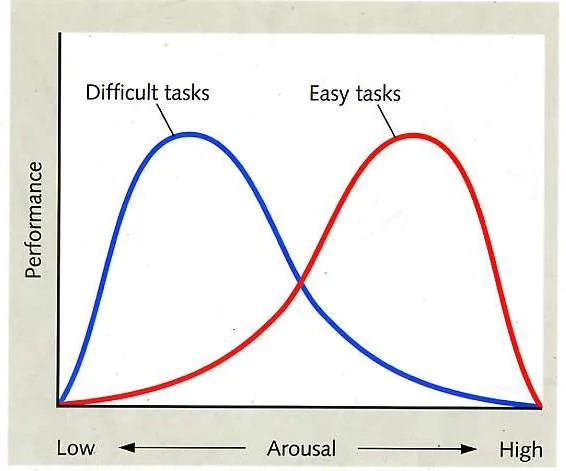
Cottrell’s experiment demonstrates the core condition under which social facilitation operates. Social facilitation is a psychological term describing changes in performance due to the presence of others. Cottrell explained that perceiving oneself to be evaluated increases physiological arousal, which in turn alters performance 1. The same principle applies to workout partners: if your partner is only looking at their smartphone or avoiding eye contact, the premise of being evaluable disappears, weakening the effect. In exercise, partners’ gazes serve as a reference point for measuring your limits, so the very fact that they can see you becomes an important motivational condition 1.
Arousal Strengthens Dominant Responses
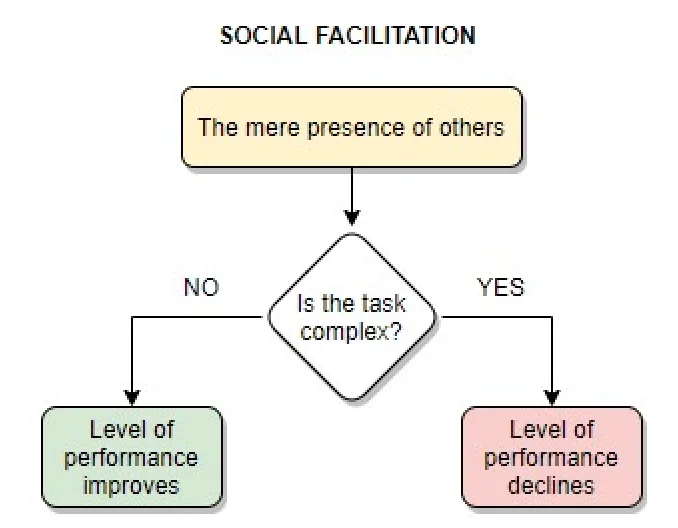
The reason arousal caused by evaluation apprehension enhances physical performance can be explained by psychologist Zajonc’s concept of the dominant response. A dominant response refers to the habitual, most frequent behavior in a given situation. Zajonc argued that as arousal increases, these dominant responses become more likely to occur 1. For well-practiced movements, correct form and pushing harder are dominant responses, so arousal aids performance. By contrast, in unfamiliar or complex tasks, mistakes tend to be the dominant response, so arousal can impair performance.
This has direct implications for exercise. Movements that are ingrained through repetition—such as holding a plank, running, or cycling—have “sustaining effort and increasing intensity” as habitual responses, so a partner’s presence helps. On the other hand, complex skill movements being learned for the first time may lead to increased errors due to divided attention. Thus, the partner effect is not unconditional; its direction depends on how familiar the task is 1.
The Measurable Impact of a “Better” Partner
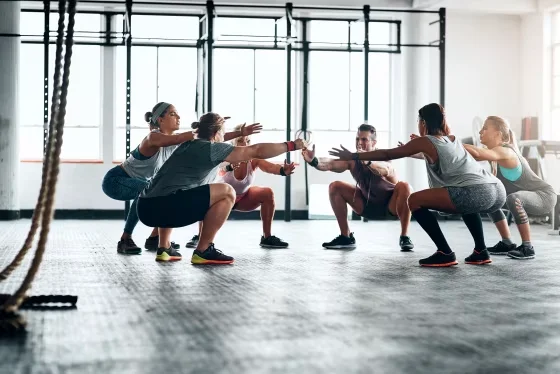
When the conditions of “potential evaluation” and “familiar task” are met, the partner effect becomes evident in concrete numbers. In a study published in the Journal of Sports and Exercise Psychology, participants performed planks alone and with a partner. The researchers manipulated the partner’s performance to remain consistently better than the participant’s, resulting in a 24% increase in plank hold time among participants working with partners 2.
This phenomenon is closely related to the Köhler effect—the tendency to increase effort to avoid being the weakest link in a group. Professor Brandon Irwin’s research team at Kansas State University confirmed this effect. When participants exercised with someone they perceived as slightly better than themselves, their workout duration and intensity increased by up to 200%. Professor Irwin explained that the key is perceiving your partner as doing “just a bit better” than you; this suggests that what matters is not the absolute skill gap but the comparison standard you perceive 2.

Two Distinct Mechanisms: Immediate Performance Gains and Long-Term Adherence
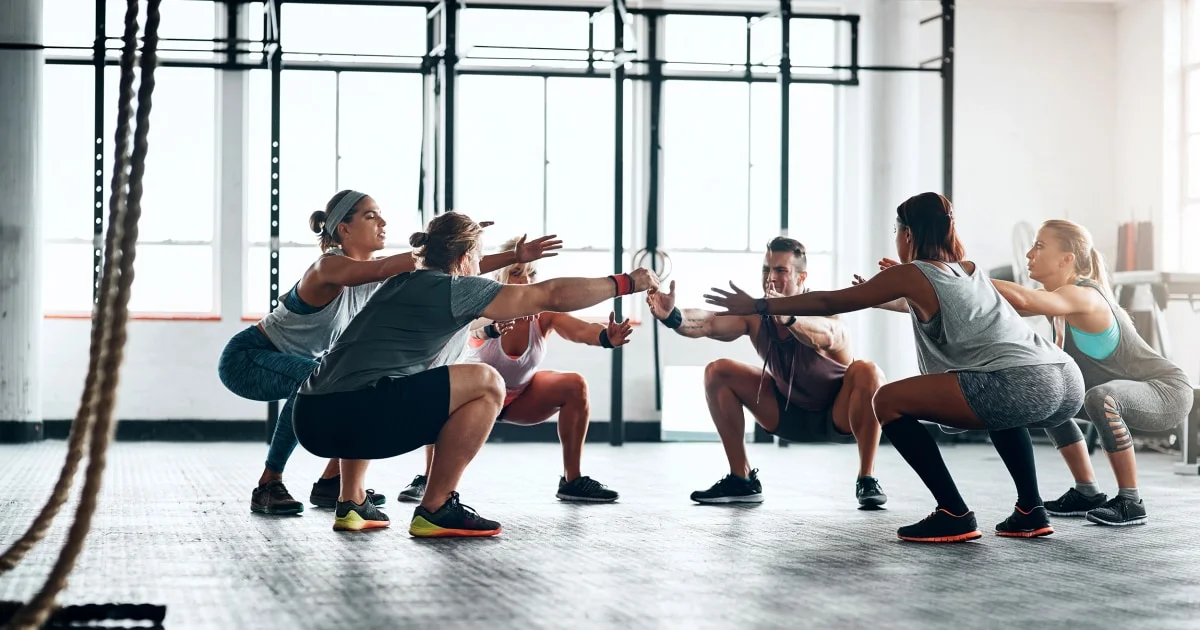
The immediate performance gains and long-term adherence fostered by workout partners are explained through separate psychological mechanisms. According to a summary of a systematic literature review published on Medscape in 2026, community fitness did not show significantly superior results over individual exercise in terms of single physical indicators such as maximal oxygen uptake, blood pressure, or body fat percentage 3. Therefore, having a partner push you harder in a session does not automatically translate into proportional improvements in ultimate health metrics.
Across the broader body of evidence covered by that literature review, group participants adhered to their exercise programs longer than individuals exercising alone. Social accountability, mutual support, shared group norms, and positive peer influence were identified as key factors 3. Additionally, a study reported by NBC News found that individuals who started a weight-loss program with a friend had a 95% completion rate, compared with 76% among those who started alone 2.
Ultimately, the true power of a workout partner lies not just in setting new records during a single session. The arousal from knowing “the other person is watching” elicits greater force during familiar tasks—that is the mechanism for immediate performance gains—while adherence is sustained through social accountability and mutual support embedded in group participation, including commitments and peer expectations. These two mechanisms operate through distinct, validated pathways, and the value of partner workouts emerges only when both layers work together.
References
- Social Facilitation · simplypsychology.org↩
- Why it's easier to get fit in a group · nbcnews.com↩
- Gen Z Fitness Trend: Are Group Workouts Better? · medscape.com↩