How many times have you scrolled through your smartphone screen today?
If your eyes feel blurry, your head feels foggy, and you feel exhausted even when you are clearly resting, you are standing right in the middle of "digital fatigue."
This is not simple tiredness. We are losing control of our brains amidst a constant flood of dopamine. If you read this article to the end, you will gain specific methods to reclaim your lost concentration and peace of mind through "Reading Detox," the hottest trend of 2024.
The Dopamine Trap: Why Can't We Put Down Our Smartphones?
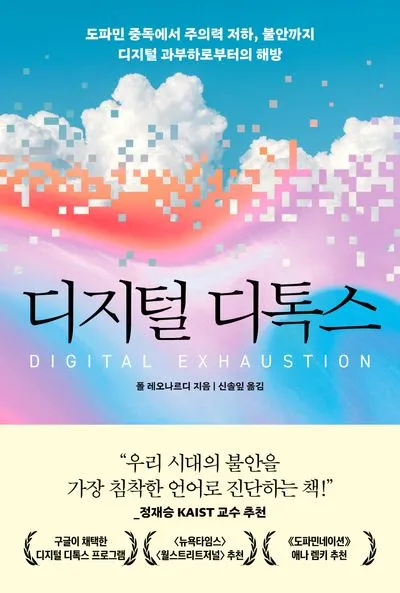
We are all 'Homo Ludens'—humans who love to play. Seeking enjoyment is an instinct. However, in recent years, the emergence of short-form content like TikTok, YouTube Shorts, and Instagram Reels has pushed this instinct in a very dangerous direction.
These short, intense videos induce an immediate and powerful release of dopamine in our brains. Acting through a mechanism similar to drug addiction, they cause us to subconsciously keep scrolling through the screen. Experts call this "dopamine addiction."
The problem doesn't end there. Constant stimulation fragments our concentration, causes sleep disorders, and creates a psychological hunger to escape from reality. In fact, research shows that even just having a smartphone next to you can decrease work efficiency by 20–30%. The vague anxiety and fatigue we feel are survival signals resulting from this "information overload."
Full-Body Workout for the Brain: The Scientific Reason Why Reading is Necessary
So, how can we wash away this fatigue? Many people cry out for a "digital detox" and try to distance themselves from smartphones, but simply turning off the device is not enough. This is because we need a "healthy substitute" to fill the void.
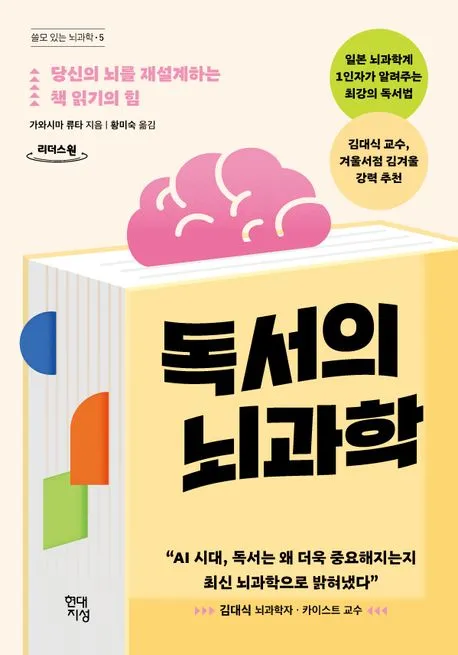
This is where the concept of "Reading Detox" comes in. While some view reading simply as an act of accumulating knowledge, from a neuroscientific perspective, reading is entirely different.
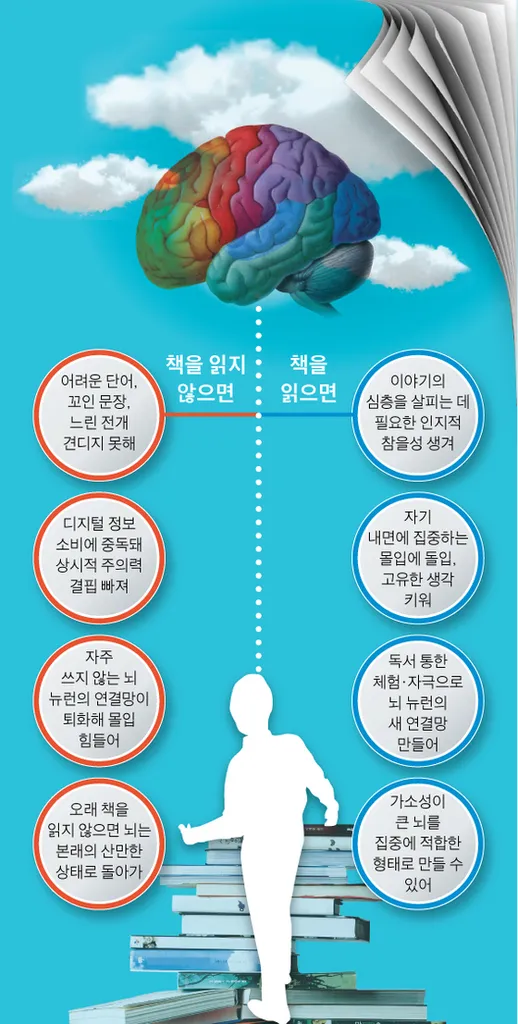
According to the research of world-renowned neuroscientist Dr. Ryuta Kawashima, reading is a powerful tool for re-wiring the brain's neural circuits. A massive study of 70,000 people revealed that reading not only strengthens cognitive functions but also drastically improves logical reasoning and empathy.
In particular, when we read physical books, our brains move beyond simple information acquisition and begin "deep understanding and reflection." This is akin to playing badminton for physical health. Just as badminton uses all the muscles in the body to train the whole system, reading is like a "full-body workout for the brain" that stimulates all areas of the brain. While digital information throws fragmented pieces of knowledge at us, reading serves as the nutrient that fosters deep thinking skills in the brain.
Why Must It Be a 'Physical Book'?
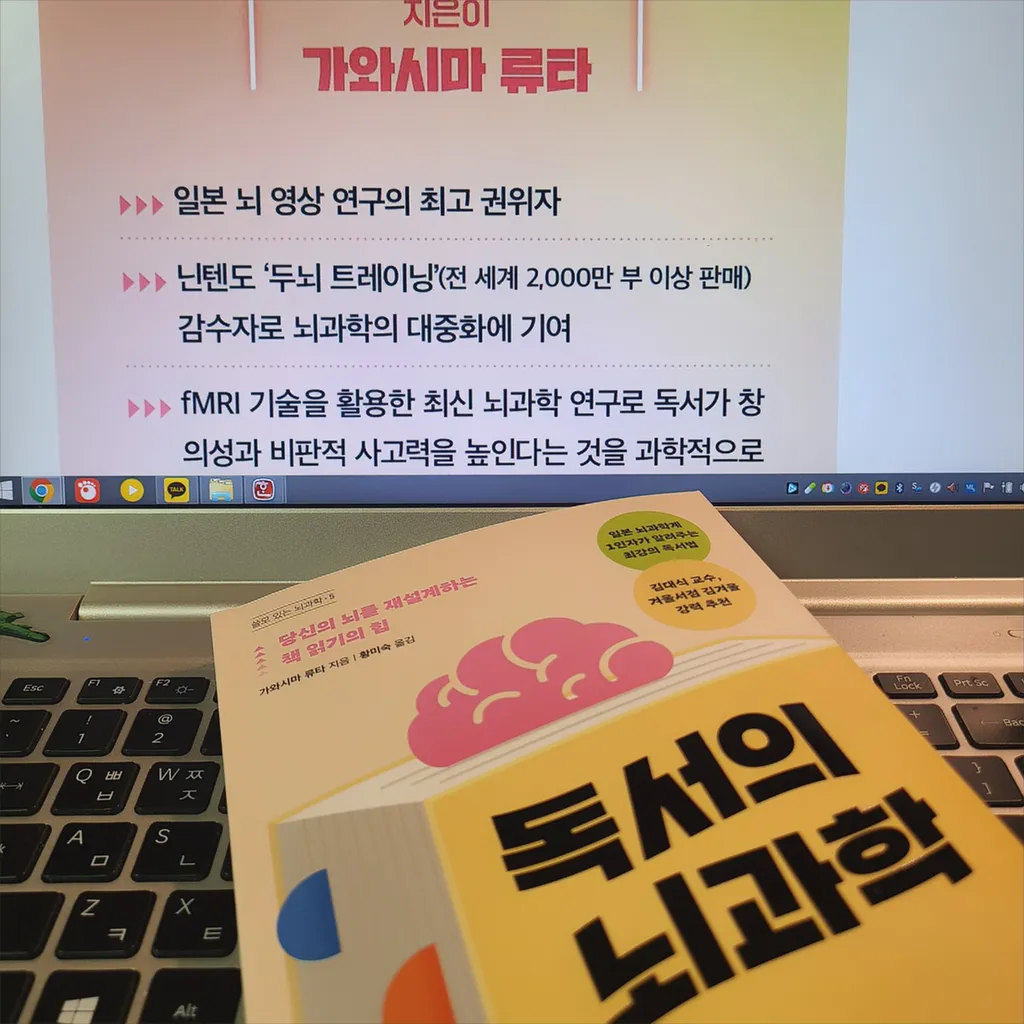
You might ask, "Can't I just read an e-book?" Of course, you can. However, the core of a Reading Detox lies in the "recovery of the senses."
Literacy researcher Maryanne Wolf warns that the act of reading through a screen leads to the fragmentation of knowledge. When we read text on a smartphone or tablet, our brains unconsciously operate in "scan mode." This habit of quickly skimming only the necessary information becomes ingrained.
In contrast, physical books are different:
- An Environment for Immersion: It reduces visual fatigue without the interference of blue light.
- Cognitive Endurance: The tactile experience of turning pages and the sense of physical location help the brain grasp the flow of information, fostering "cognitive patience."
- Deep Reading: It allows you to immerse yourself deeply into a single topic, free from the temptation of notification sounds and constant link-clicking.
Ultimately, the act of reading a physical book is a meditative process of gathering a scattered mind and a process of rebuilding our "cognitive endurance" that has been worn down in the digital world.
Practical! How to Create a Fail-Proof Reading Detox Routine
You understand the theory, but do your hands tremble when you actually try to put down your smartphone? You don't need to declare "offline all weekend" from the very beginning. It is important to start with very small habits.
1. Set Digital Fasting Times Designate a specific time of day as a "smartphone-free zone." The most recommended time is one hour before bedtime. While the blue light from a smartphone keeps the brain alert and interferes with sleep, reading a physical book during this time allows the brain to transition naturally into rest mode.
2. Maintain Physical Distance (Utilize a "Phone Jail") It is difficult to overcome the temptation of dopamine through willpower alone. Place your smartphone in another room or use a "phone jail" (timed lock box) to physically block access. The brain can only prepare for rest when the device is out of sight.
3. The 'Ambidextrous Reading' Strategy We live in an era where we cannot completely reject digital. Try developing an "ambidextrous reading" habit: use digital tools when searching for information, but always choose a physical book when moments of deep thinking are required. It is about balancing the digital and the analog.
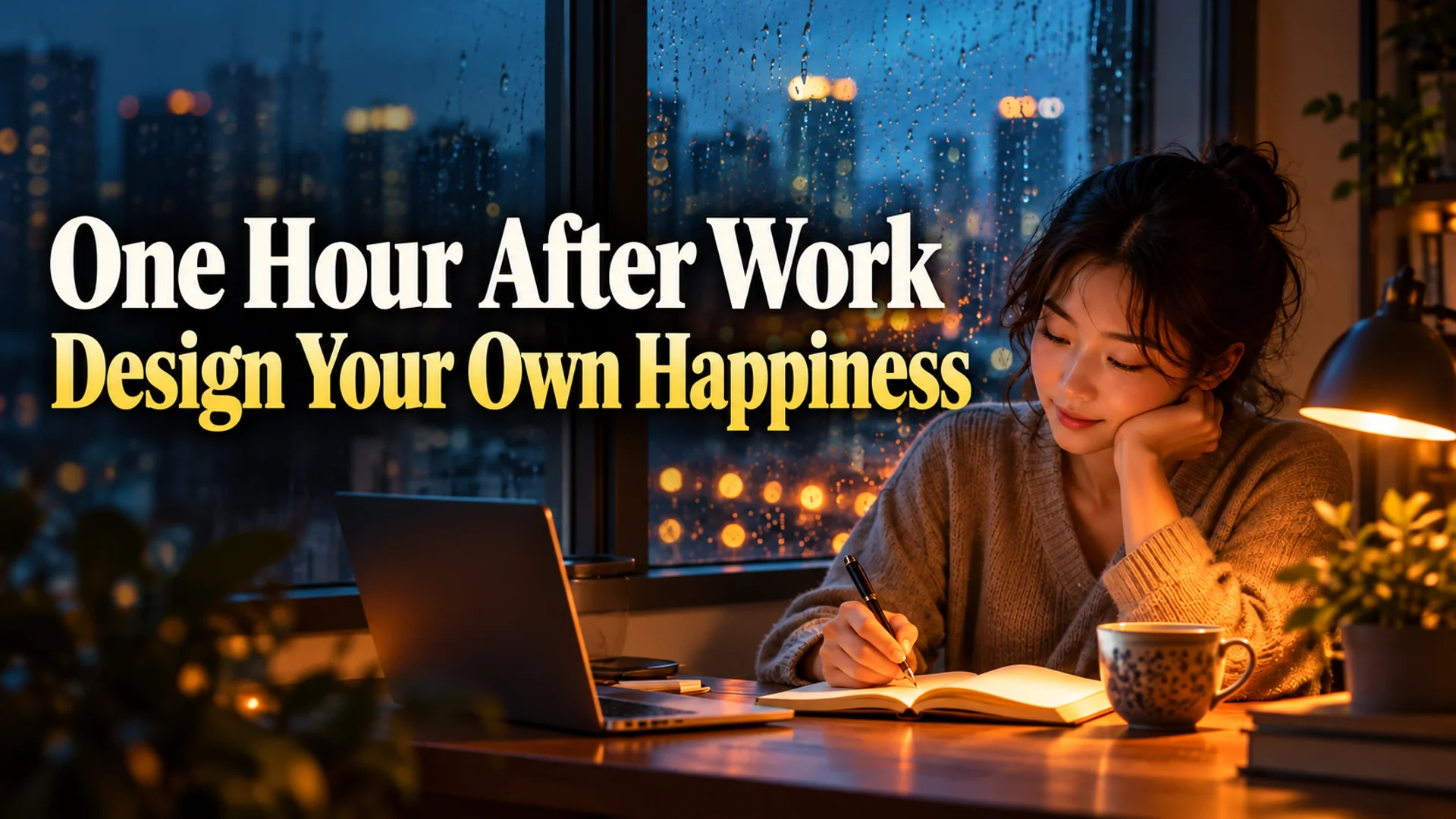
4. Create a Reading Environment and Record Your Thoughts Reading is heavily influenced by the environment. Quiet music, a warm cup of tea, and a physical book in hand. Once this perfect setting is established, the brain naturally enters "immersion mode." Writing down even a brief thought after reading can increase your sense of achievement, which greatly helps in forming the habit.
Closing: A Life as the Master of Technology

The trend of 2024 is not just a fad. It is a desperate effort for us, who were being consumed by technology, to reclaim our initiative as human beings.
Reading Detox is not simply a technique for not using a smartphone. It is the work of cultivating "cognitive muscles" that allow you to find your own center amidst waves of fragmented information, think deeply, and empathize with the emotions of others.
Tonight, why not pick up a heavy physical book instead of your smartphone? It might feel awkward or boring at first. However, that boredom is a very healthy sign that your brain is preparing to think deeply once again.
What state is your brain in right now? What is one small reading routine you can start from today? Please share your thoughts in the comments!
We support your healthy digital life.
References
- 디지털 피로를 해소하는 '디지털 디톡스' 실천 방법 | AhnLab · ahnlab.com
- [최지혜의 트렌드 2024]도파민 중독 숏폼 차단…'디지털 디톡스' 뜬다 · asiae.co.kr
- 독서는 뇌의 전신운동_디지털 디톡스는 종이책 - Naver Blog · blog.naver.com
- 독서의 뇌과학_당신의 뇌를 재설계하는 책 읽기의 힘 - Naver Blog · blog.naver.com
- 디지털 디톡스와 독서 습관 형성의 중요성 · wood-h.tistory.com
- [정태철 칼럼] 디지털 디톡스 시대③: 소셜미디어를 떠나라, 책을 읽어라 · civicnews.com