How would it feel to hear the voice of your favorite singer, only to realize that the singer themselves never actually sang that song?
Lately, while browsing YouTube or social media, we are flooded with AI cover songs so eerily perfect that they make you wonder, "Is this really AI?" In 2026, we live in an era where technology can perfectly replicate "voice," a domain once reserved strictly for art.
While this may offer new forms of entertainment for fans, a massive storm is approaching artists and the industry. Should we embrace this technology as a blessing, or view it as an invasion of art and fight back?
The Chaos of an Era Where Voice as Identity is Replicated
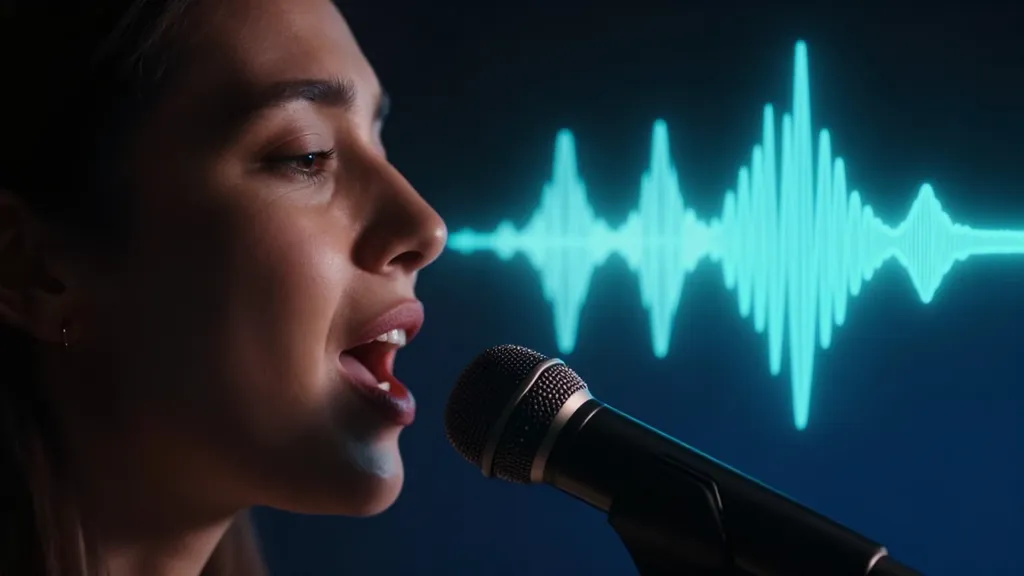
The emotions we feel toward a voice are not merely vibrations of sound waves. It is the authenticity contained within that person's life, their breath of the day, and their subtle tremors. However, current AI technology is touching the very core of this "identity."
Recently, a highly symbolic ruling was handed down in a U.S. federal district court in the Southern District of New York. It was a case where an AI company unauthorizedly trained on a freelancer's voice to create a "voice clone" and used it commercially. While the court stated that it is difficult to view the AI training process itself as copyright infringement, it did recognize the violation of the Right of Publicity. In other words, since a voice is a crucial element representing a person's identity, unauthorized replication is deemed wrong.
This is where a fundamental problem arises. The music created by AI is in a "high-polish" state, technically flawless. In 2026, AI produces results as smooth and perfect as a gem cut by a skilled engineer. But paradoxically, this very perfection makes us feel a sense of emptiness.
The reason we listen to music is not just for perfect pitch. Rather, it is because of the "gaps" we feel when that pitch wavers slightly or when a singer's breath becomes heavy. No matter how much data AI learns, it is difficult to imitate the density of emotion that arises from human imperfection.
Technical Perfection vs. Emotional Density: What is Real Music?
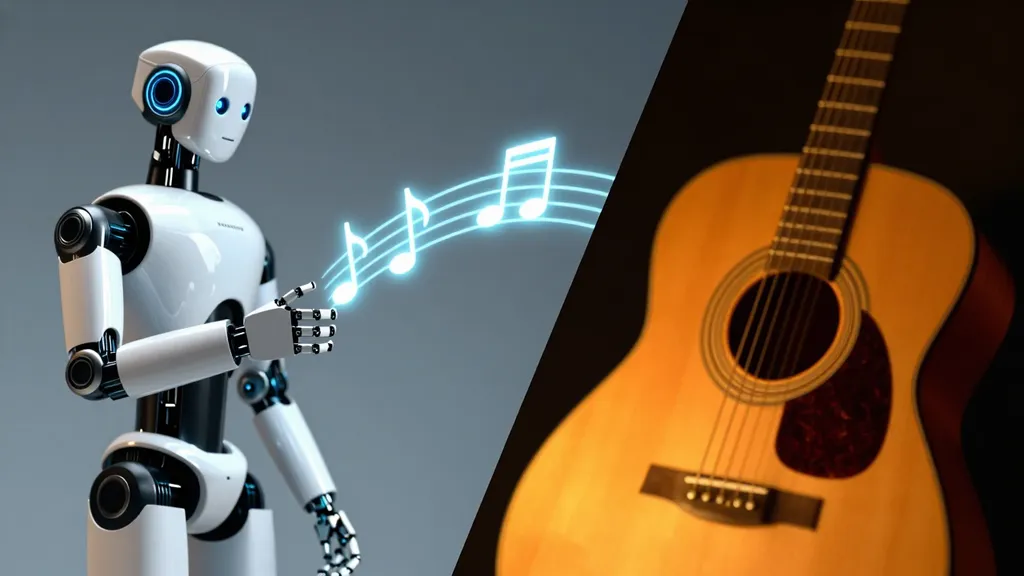
How, then, should we view this technical gap? Looking at the flow of the music industry, two major directions are colliding.
The first is the trend of accepting AI as a creative tool. Much like how excavators increased the efficiency of construction, this is the "AI-assisted" method of using AI as a tool for mixing, mastering, and vocal conversion. This maximizes the productivity of creators and enables new forms of musical experimentation.
The second is the survival competition against AI-generated content. In an "AI-generated" era where music is created with a single prompt, human creators must prove their value. The key keyword here is "Density of Emotion."
Experts unanimously agree that while AI can raise the "standard" of music, it cannot replace the "aesthetics of imperfection" unique to humans. This is because while AI can create logical melodies and structures, it has limits in capturing the weight of life experienced by humans and the deep sorrow or joy that stems from it.
Ultimately, the future music market will split into two branches:
- AI Music: "Functional" and "perfect" music, such as cafe BGM, game soundtracks, and situation-specific playlists.
- Human Music: "Artistic" and irreplaceable music that contains the artist's narrative and emotional density.
Legal Vacuums and Ethical Guidelines: What We Must Prepare
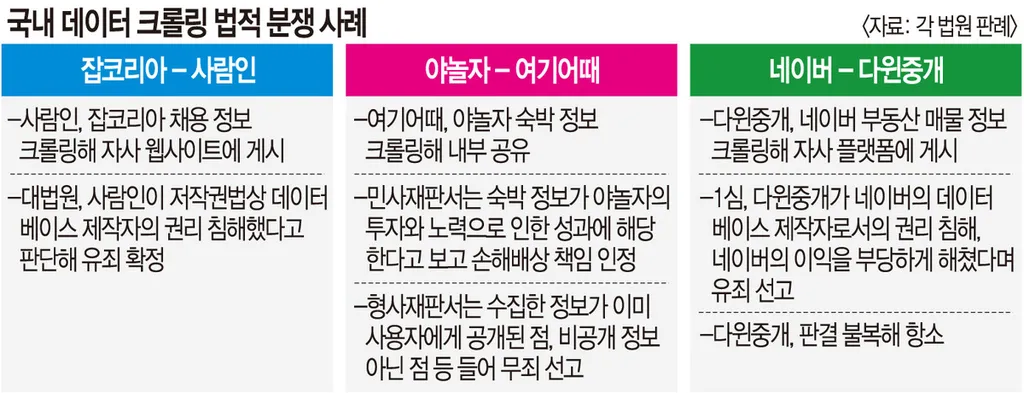
The phenomenon of "service discrepancy," where the law fails to keep pace with technological advancement, is the hottest topic in 2026. While AI cover songs are taking over YouTube, a gray area still exists regarding whether this is actually legal.
The legal and ethical checklists we must address are as follows:
1. Separation of Copyright and Voice Rights Currently, the legal systems of many countries focus on the copyright of "works," but discussions are still ongoing regarding how to protect an individual's "voice (voice rights)." In Korea, there are movements to regulate the unauthorized use of others' voices through the Unfair Competition Prevention Act, but determining how far to punish when an AI-generated voice resembles the original singer's style remains a difficult task.
2. Clarification of Responsibility When profit is generated from an AI cover song, who is responsible? Is it the user who entered the prompt, the developer who created the model, or the platform that distributed the video? If the locus of responsibility is not clarified, conflict between creators and technology will be endless.
3. Obligation of Transparency As seen in the EU AI Act, content created by AI must be labeled with "This was generated by AI." Guaranteeing the consumer's right to distinguish between a human voice and an AI voice is the true meaning of "digital ethics."
The music industry is at a point where it must decide whether to "fight, ignore, or embrace" AI. Simply rejecting the technology is impossible. Instead, we must focus on building technical safeguards (e.g., watermarking) and legal frameworks that can protect the rights of human creators.
Conclusion: In the End, We Listen to "People"
The music market of 2026 is a strange era where the smooth melodies made by AI and the raw breaths made by humans coexist. AI will raise the "technical perfection" of music, but what will ultimately move our souls is the human sincerity that flows through those imperfect gaps.
Ultimately, the competitive edge human artists must possess in the AI era is not higher technical skill, but deeper emotional density and their own unique stories. This is because while technology can replicate a voice, it cannot replicate the trajectory of a life contained within that voice.
What do you think? Between a song by a technically perfect AI singer and a song by a human singer where you can feel their sincerity, even if it's a bit unpolished, which one moves your heart?
I am curious about your thoughts. Please share your opinions in the comments!
References
- AI가 음악 시장에 어떤 영향을 미칠까? - YouTube · youtube.com
- AI 음악 시대, 창작과 저작권의 기준은 어디까지인가 - Daum · v.daum.net
- 2025년 제7호-[미국] AI 음성 복제물(Clones)에 대한 미국 법원의 ... · copyright.or.kr
- AI 커버곡을 둘러싼 법률 문제: 음성권의 보호 가능성을 중심으로 · ai.wiseuser.go.kr
- AI로 유명인 목소리 만들면 불법일까? TTS·AI 커버·딥페이크 저작권 ... · blog.sugar.legal
- AI 음성 클로닝 한국 법적 가이드 2026 5월 — 합법 사용 7가지 체크 ... · how-toai.com
- 혁신 확산 이론에 기반한 K-POP 팬의 AI 커버 곡 선택 양상에 관한 연구 · ifso.iscu.ac.kr
- 음악 산업과 AI '싸울 것인가, 무시할 것인가, 받아들일 것인가' - 월간 믹싱 · mixing.co.kr