AI Proposed the Hypothesis and Completed Experimental Design
Artificial intelligence (AI) is moving beyond being a mere data analysis assistant to entering a phase where it autonomously proposes new scientific hypotheses and designs experimental protocols. Korean AI startup Asteromorph disclosed biology hypotheses and concrete experimental plans generated by AI through preliminary research results of its scientific superintelligence model, 'Spacer'. The starting point was the posting of the tech report 'Spacer: Towards Engineered Scientific Inspiration' on the academic preprint site arXiv on August 26, 2025 1.
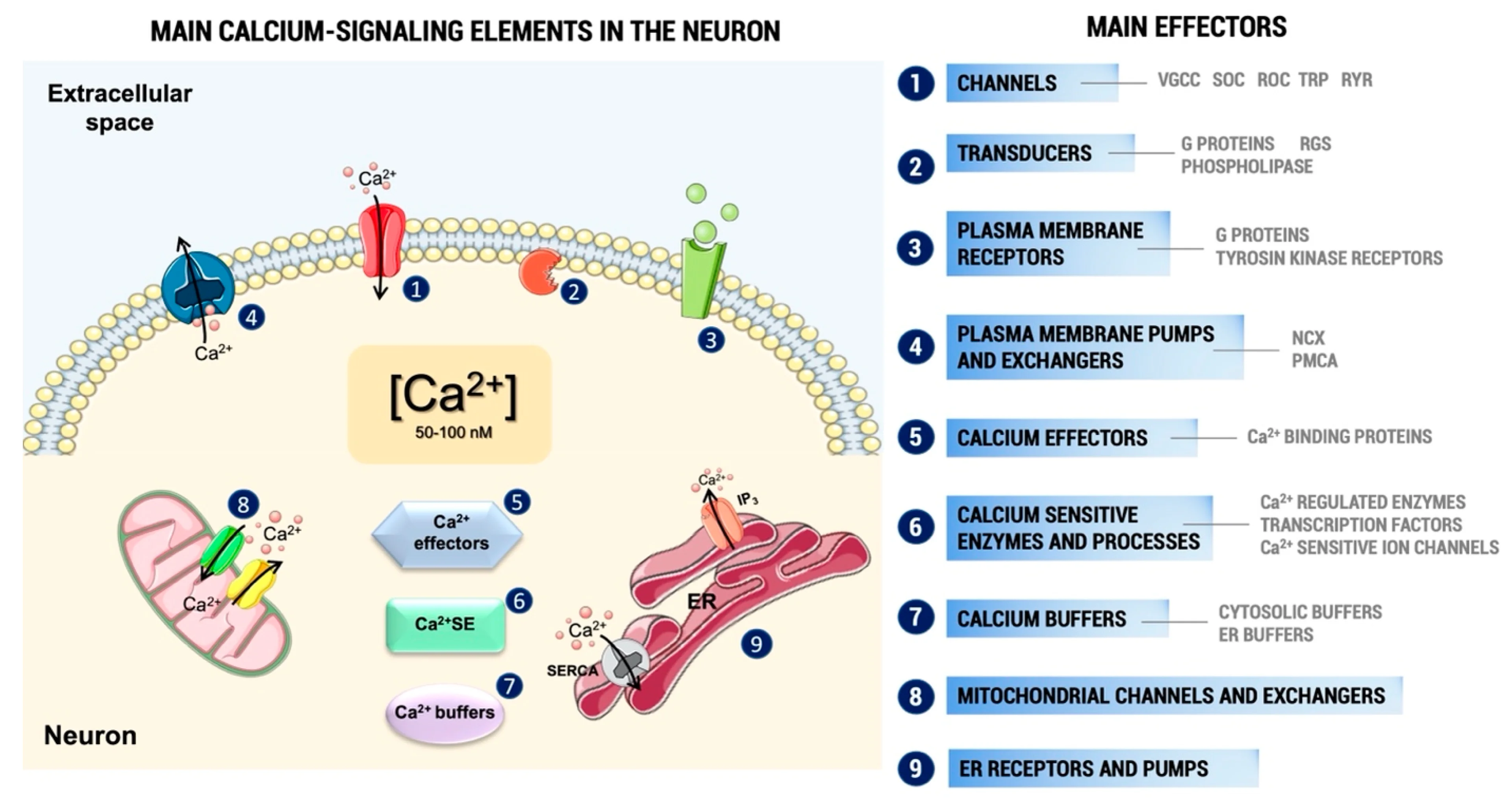
Among the cases disclosed by Asteromorph, the most notable part is the 'liver cancer cell proliferation inhibition hypothesis' derived autonomously by AI. Spacer proposed a mechanism that restores the disrupted rhythm of cancer cells to resemble that of normal cells through the infusion of microscopic calcium into the cells. In particular, the AI designed everything from the required reagents and equipment to the success criteria needed to validate the hypothesis, completing a concrete plan at a level immediately executable by researchers 1. This is a significant signal showing that AI has expanded its autonomy beyond the stage of providing scientific insight to a stage directly linked with actual laboratory workflows.
The Principle of Creating 'Inspiration' by Connecting Unfamiliar Concepts: Nuri
The core reason Spacer was able to derive new scientific concepts lies in its intentional subversion of the general knowledge search methods possessed by large language models (LLMs). Because AI models learn from vast accumulated data, they tend strongly toward presenting the most logical and statistically consistent answers. However, groundbreaking scientific discoveries sometimes emerge from the process where concepts that previously seemed unrelated are combined, either by chance or intentionally.
Spacer broke through these limitations by utilizing 'Nuri', a graph theory-based inspiration engine. Nuri undergoes a process of Context-defamiliarization, connecting unfamiliar keywords that seem completely unrelated to each other. It is a method of intentionally separating the links of knowledge known to the AI and discovering hidden causal relationships or structural connections between them to create new scientific concepts 1.
The technical approach that enables AI to propose such 'creative hypotheses' goes through the following process.
- Decontextualization of Knowledge: The AI separates existing biological, physical, and chemical keywords it has learned from their original contexts.
- Graph-based Connection: It induces the separated keywords to interact on a graph structure (nodes and edges).
- Combination via Inspiration Engine: It identifies structural similarities or logical gaps between unfamiliar concepts and combines them into a single integrated hypothesis.
- Protocol Conversion: It translates the generated abstract hypothesis into a physical protocol that can be validated in an actual laboratory environment.
How the Autonomous Experimental System Works and Its Feasibility
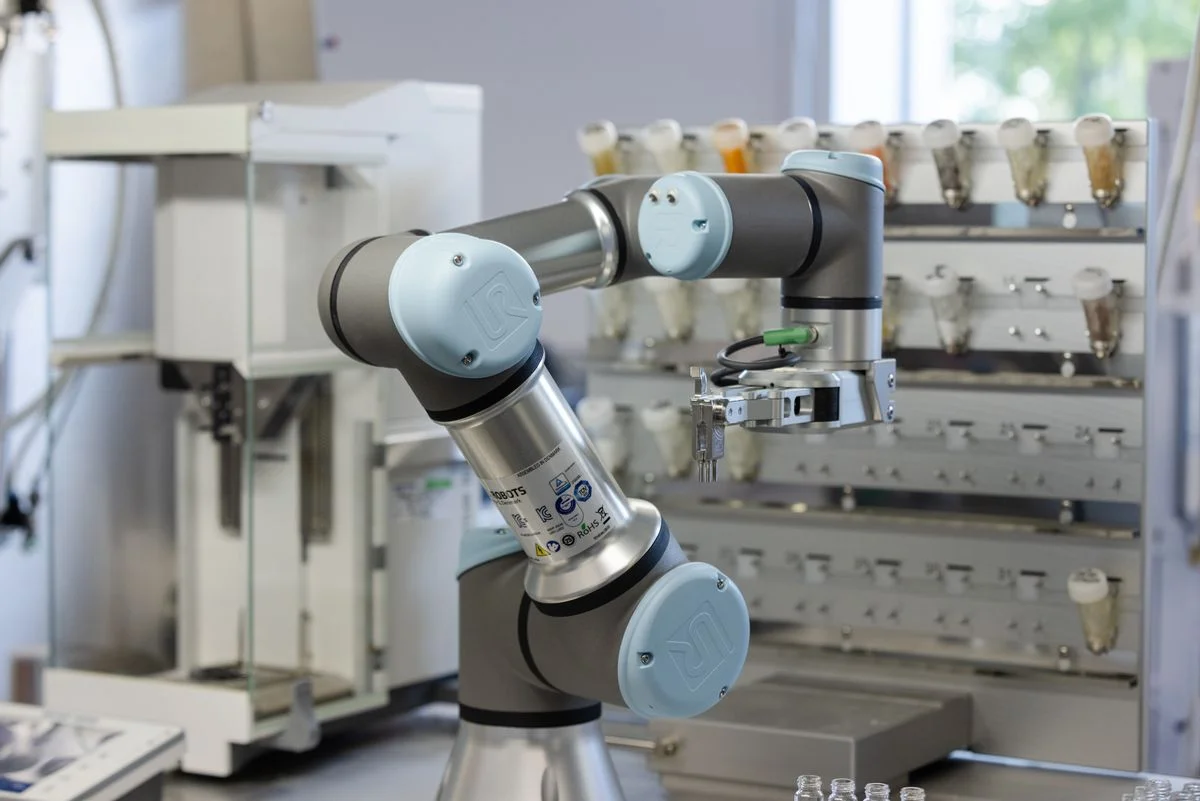
The technical goal of Asteromorph is the construction of an 'autonomous biology laboratory (autonomous experimental system)'. The core value of this platform is that it does not stop at AI proposing a hypothesis, but autonomously writes the protocol to verify the proposed hypothesis.
The process of immediately converting AI-proposed content into physical experiments in a real research environment requires significant technical barriers. However, Asteromorph emphasizes a level of completion 'immediately executable' through protocols designed by Spacer 1. For example, in the case of the liver cancer cell experiment proposed by Spacer, the AI clearly specified which chemicals (such as calcium compounds), at what concentration and infusion frequency, should be applied, and even specified the specifications of the equipment required for the experiment. By also defining quantitative criteria to determine the success or failure of the experiment, it was designed to minimize human researcher intervention and ensure repeatability in protocol execution and data collection.
| Component of Autonomous Biology Research | Role of Spacer | Differentiation from Existing Methods |
|---|---|---|
| Hypothesis Derivation | Proposing new concepts via graph-based decontextualization (using Nuri) | Dependence on human researcher intuition and existing literature search |
| Experimental Design | Setting reagents, equipment specs, and treatment conditions | Elimination of complex design review and adjustment processes |
| Verification Criteria | AI directly defines quantitative success criteria | Clearly defined indicators designed in advance instead of post-hoc statistical processing |
Investment Attraction and Future Research Ecosystem Plans
In line with the paradigm shift where AI leads scientific research, Asteromorph is aggressively building an ecosystem from the initial stages. Asteromorph, an AI venture startup established in February 2025, advocates for the development of scientific superintelligence. Just one month after its establishment, it attracted seed investment worth 5 billion KRW from Korea Investment Partners, Mirae Asset Venture Investment, and Future Play, accelerating rapid technology advancement and securing research infrastructure 1.
In terms of the future research ecosystem, the company plans to build a database called 'The Library', where hypotheses proposed by AI can be freely referenced by anyone. It has adopted a two-track strategy: opening the scientific ideas presented by the AI inspiration engine for unrestricted academic use by the researcher community, while signing license agreements to generate technology revenue when commercializing or filing patents for high-value technologies such as human-computer interfaces and Alzheimer's drugs 1.
Barriers to Validation and the True Meaning of 'Scientific Superintelligence'
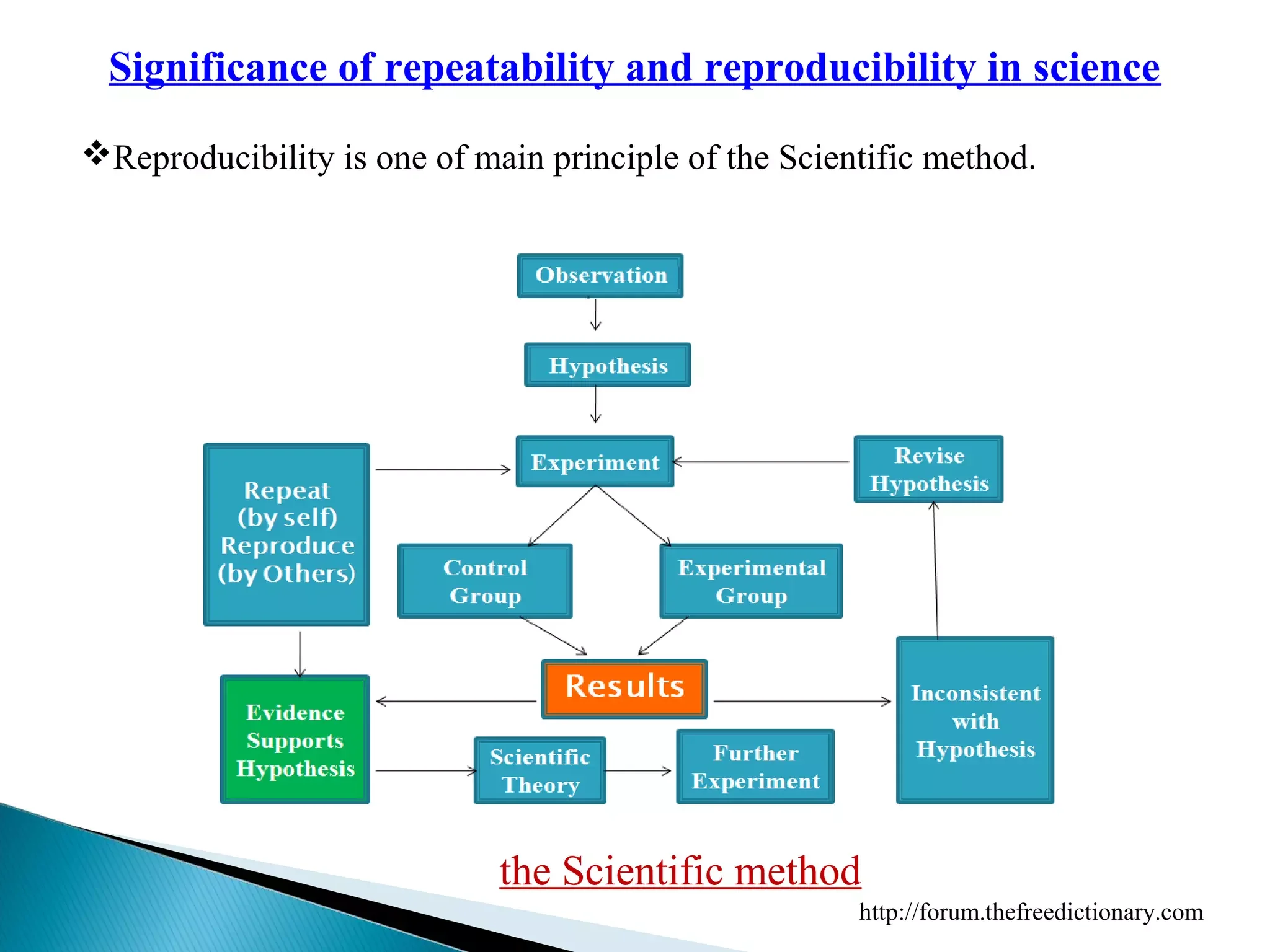
For the hypotheses and protocols proposed by Spacer to have a substantive impact on the research ecosystem, rigorous validation procedures must accompany them. Currently, the disclosed biology concept proposals by Spacer are at the tech report stage via the preprint platform arXiv 1. Physical barriers remain, such as being accepted as a final paper after peer-review and passing laboratory validation and efficacy tests at actual life science research institutions.
As emphasized by Asteromorph CEO Lee Min-hyung, 'securing hegemony' for AI is possible only when accompanied by tangible results and impactful validation 1. For scientific superintelligence to not remain as hypotheses existing only as text, it is essential to demonstrate how accurately (Reproducibility) the autonomous experimental protocols designed by AI function in real physical experimental environments. If concrete experimental plans, such as the liver cancer cell proliferation inhibition mechanism proposed by AI, reach the stage of clearly proving the actual Biologic Mechanism, the construction of an autonomous biology laboratory will be recorded as an innovative event that goes beyond a mere concept and shakes the standards of the actual biotechnology industry. The value of data designed by AI and waiting for execution will emerge as the most important asset of the future research ecosystem.
References
- '초지능 AI' 스타트업 아스테로모프, AI가 찾은 간암 억제 가설 공개 · hankyung.com↩