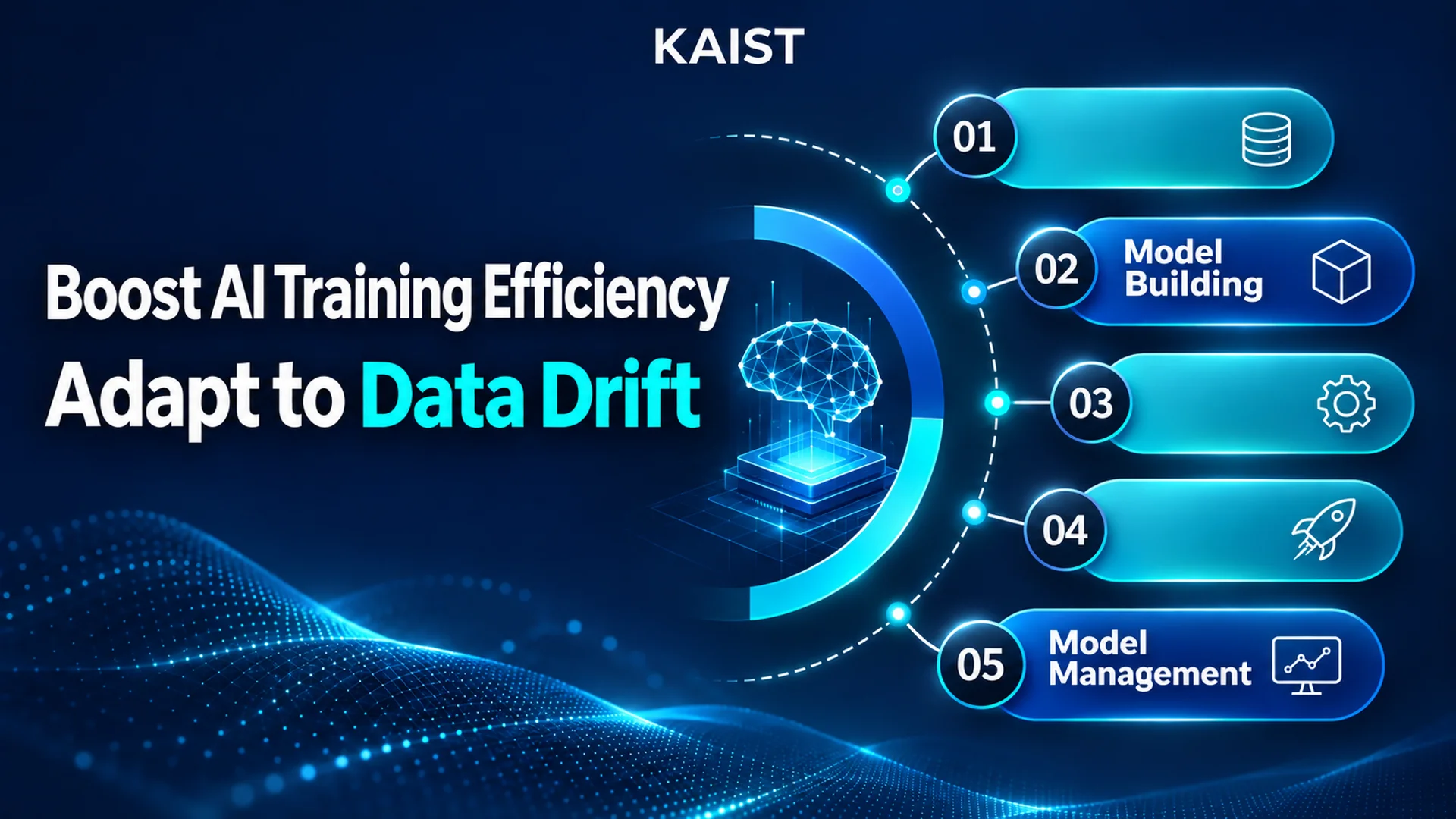
A new training technology recently unveiled by a KAIST research team focuses on reducing the time burden of foundational AI learning processes by optimizing complex computational processes to use resources efficiently 1.
The Key to Shortening Training Time: Efficient Computation and Data Management
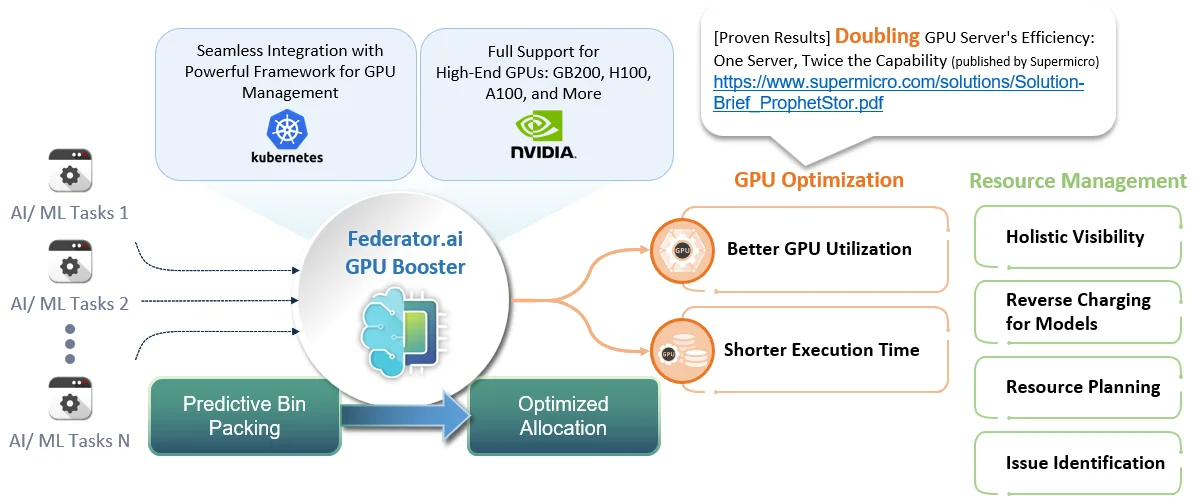
This KAIST research presents two main directions for improving the training efficiency of AI models. One is computational optimization technology that drastically reduces training time itself, and the other is a data management framework that maintains model performance even in changing data environments.
Dramatic Reduction in Training Time
According to reports, the KAIST research team has developed a technology that dramatically reduces the training time of AI models 1. This reduction in training time is expected to enable learners to iterate through the trial-and-error-feedback loop more quickly, thereby reducing the time spent on conceptual understanding and practical exercises of AI models.
Training Data Selection Addressing Data Drift
As important as structural model efficiency is the quality and change management of data. The research team led by Professor Yijong Hwang from the School of Electrical and Electronic Engineering at KAIST has developed a new training data selection technology that prevents performance degradation of AI models even in 'Drift' environments where data distributions change over time 2.
Generally, AI models assume a static environment where the data distribution at the time of training is identical to that at the time of testing 2. However, in real-world scenarios, drift phenomena occur where observed values of sensor data continuously change due to equipment aging or inspections 2. This leads to a mismatch between the decision criteria (decision boundary) of models trained in the past and current data, degrading performance 2.
To solve this problem, Professor Hwang's research team utilized the concept of 'Gradient' 2. A gradient is a metric indicating how much and in which direction model parameters are updated when data is trained 2. The research team used this to select data that is most effective for current training and proposed a framework that preprocesses the data itself to enable models to robustly adapt to changing environments 2. This approach has the advantage of being scalable without being constrained by specific model architectures 2.
Practical Benefits through Improved Training Efficiency
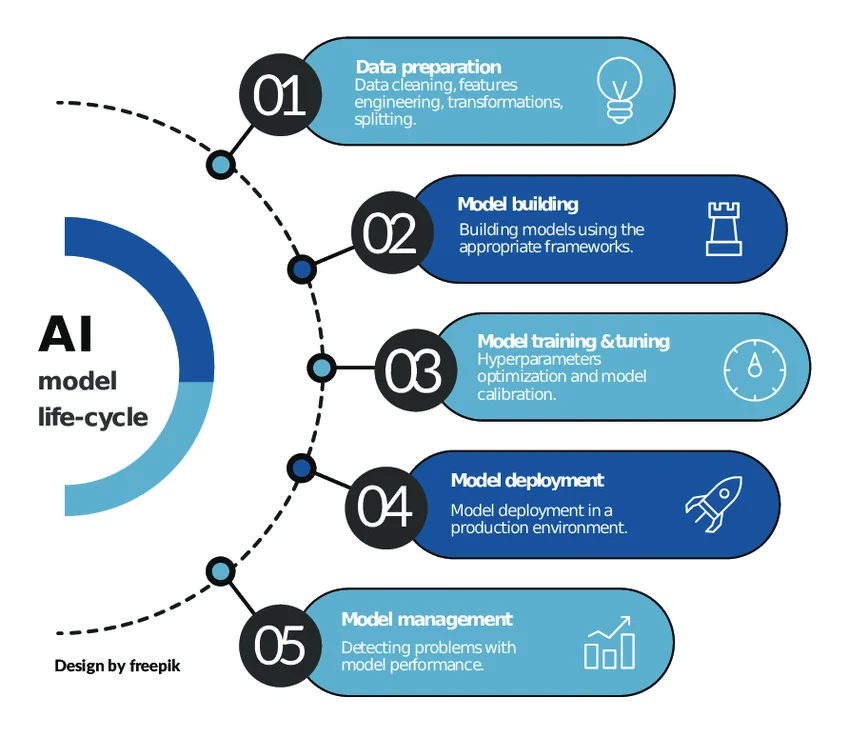
The two technical approaches presented by KAIST contribute to reducing the time of the AI learning process and stabilizing quality.
- Accelerated Development Speed: Shortened training time shortens experiment cycles 1. Learners can try more variations of models within the same amount of time, which aids in the intuitive understanding of fundamental AI principles.
- Increased Operational Efficiency: Drift response technology helps manage retraining cycles or reduce unnecessary model replacement costs after model deployment 2. This is an efficient method that can contribute to reducing the Total Cost of Ownership (TCO) when maintaining AI systems over the long term 2.
Research Background and Considerations
1 is mentioned as research related to reducing AI training time, and the results from Professor Yijong Hwang's research team, referenced in 2, were previously presented at the international artificial intelligence conference (AAAI) held in Vancouver, Canada, last February 2.
Both technologies demonstrate the possibility that AI models can be effectively trained and operated even with fewer resources or in more stable states. In particular, regarding 2, Ph.D. candidate Minsu Kim (first author) emphasized, "While it is important to train an artificial intelligence model well once, it is crucial to continuously manage it and maintain performance according to changing environments" 2. This suggests that beyond mere reduction in training time, sustainable performance management of trained models is key in AI practice.
Readers should consider that when adopting new AI models, it is important to consider not only the efficiency of training time but also robustness against changes in data distribution, referring to these research results.
References
- �̸Ӵϴ��� · emoneynews.co.kr↩
- "AI, 상황에 따라 알아서 업데이트"…KAIST 연구팀, 신기술 개발 | 아주경제 · ajunews.com↩