The paradigm of content discovery in the online video streaming (OTT) market is shifting in 2026. Beyond technologies that analyze viewing history and behavioral patterns to offer customized content, there is a strengthening trend toward redesigning the platform interface and the content consumption experience itself on an individual basis. This article analyzes how personalized recommendation features based on viewing history work and what value they provide to users, based on 2026 OTT market data and latest technology trends.
Market Expansion and Personalization Technologies That Reduce “Choice Fatigue”
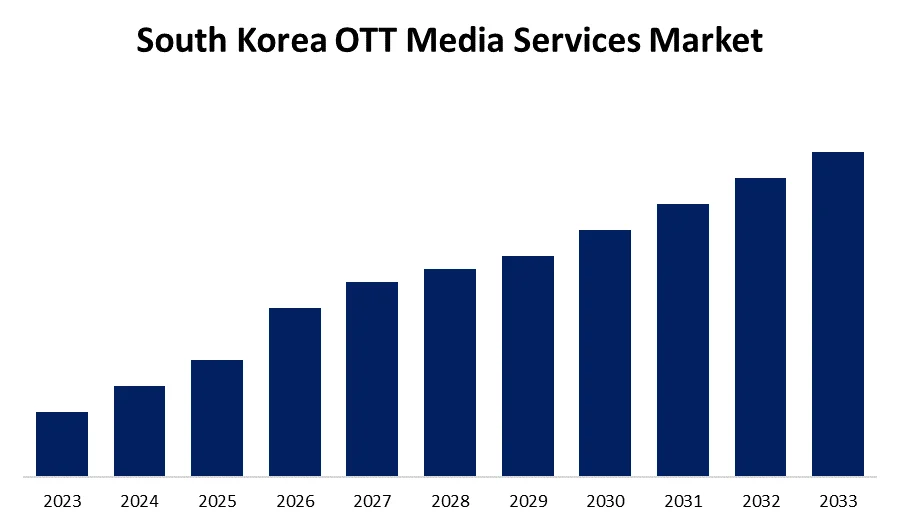
The South Korean OTT market is projected to grow to approximately 8.5 trillion won in 2026, continuing quantitative expansion with an average annual growth rate of 9.2%1. Amid this growth, users subscribe to an average of 2.7 OTT services, but about 35% are not fully utilizing the content of their subscribed services1. This is partly due to the absolute increase in the quantity of content, but also because users find it difficult to effectively discover works that match their tastes.
In this situation, personalized recommendations have emerged as a key tool to help users efficiently find content they can actually watch. The main role of recommendation systems is to reduce users’ dissatisfaction of “having nothing to watch,” uncover hidden masterpieces, and maximize the value of subscription services1.
Beyond Simple Recommendations: “GenPage” and Interface Personalization
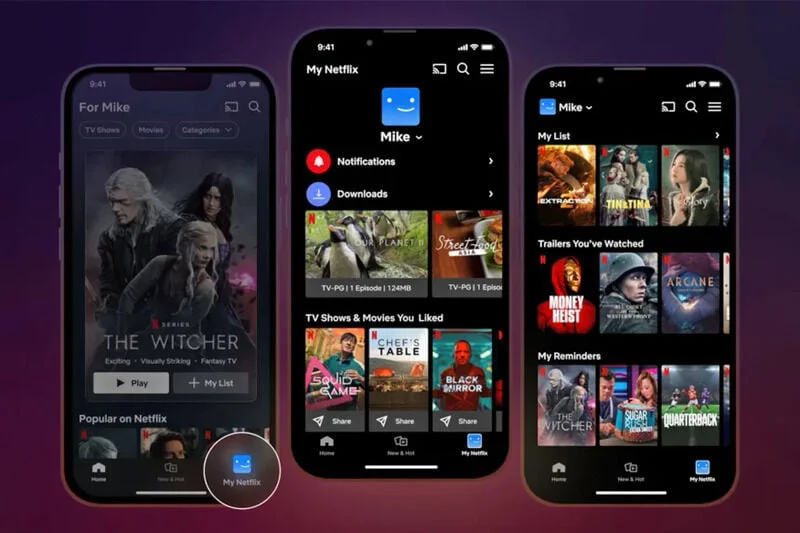
Netflix has unveiled “GenPage,” a personalized technology based on generative AI, reflecting this trend2. Unlike existing static recommendation algorithms, GenPage analyzes users’ viewing patterns and interests to reconstruct the home screen itself in real time2. Even when accessing the same platform, users who prefer action movies and those who like documentaries encounter completely different initial screens, with content introduction methods and recommendation orders individually optimized2.
Major global platforms, including Amazon Prime Video, are also experimenting with search via natural language input and customized suggestions2. This suggests that platforms are moving beyond being mere content repositories to comprehensively redesigning the users’ content consumption experience itself2.
| Comparison Item | Existing Recommendation Based on Viewing History | Generative AI-Based Experience Personalization (e.g., GenPage) |
|---|---|---|
| Key Function | Presenting lists through statistical analysis of past viewing history | Real-time screen reconstruction through analysis of viewing patterns and interests |
| Interface | Applying the same static UI to all users | Applying customized home screens and content layouts for each user |
| Interaction Method | Keyword search or category-based browsing | Natural language question input, suggestions reflecting mood and preferences |
| Goal | Narrowing down content candidates similar to user interests | Optimizing the content discovery process and the consumption experience itself |
Natural Language-Based Curation Leveraging LLMs
With the introduction of large language models (LLMs), the sophistication of recommendation systems has increased significantly. Users can now search for content through natural questions such as, “I’m looking for a calm Korean drama that provides recent emotional comfort”1. Beyond simple keyword matching, LLMs understand context and expand the scope of recommendations by reflecting users’ emotional states and immediate preferences1.
This technology reduces the hassle of entering search terms every time and enables intuitive browsing2, 1. From the platform’s perspective, it guides users to find desired works more quickly, potentially increasing dwell time, while from the user’s perspective, it offers the advantage of easily discovering works that match their tastes without complex search processes2.
Expanding OTT Market: From Accuracy to “Experience Competition”
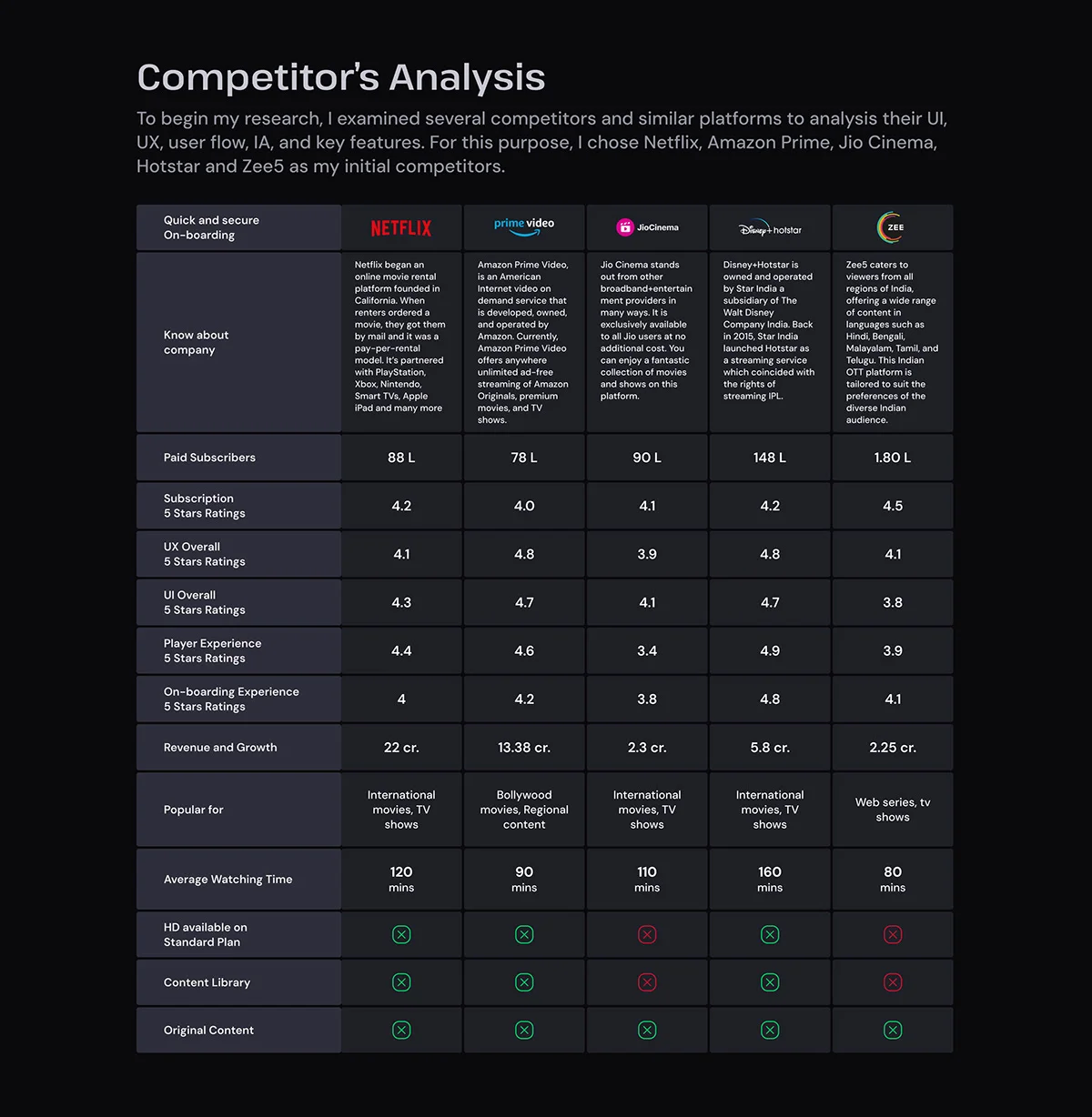
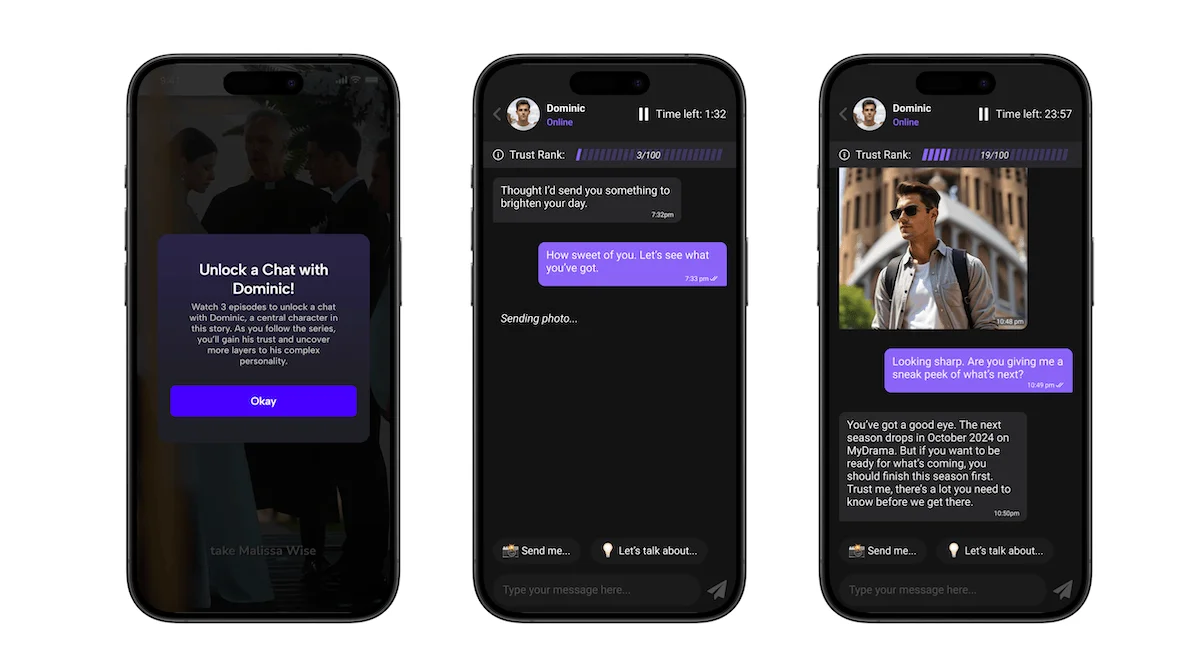
Following technological advances, the competitive standards for OTT platforms are also changing. While the number of secured contents was the core factor in the past, the differentiating factor has now emerged as how personally tailored the same content is delivered2. Experts predict that competition in the content industry will expand from “content securing competition” to “AI-based personalized experience competition” in the future2.
It is widely analyzed that platform loyalty depends on how accurate and convenient a browsing environment is provided2. However, specific metrics such as the recommendation exposure ratio of a particular platform or improvements in subscription retention rates may vary depending on each platform’s policies and user records1. The personalization technologies published by each platform are designed to reflect changes in users’ tastes and suggest new works, but this is a description of the functional aspects provided by the platforms2.
Conclusion: Technology as an Assistant for Discovery and a Designer of Experience
The core keyword for OTT services in 2026 is “personalization”1. Advances in AI technology, which analyzes viewing history, understands context through LLMs, and even reconstructs the home screen, are fundamentally changing the way users encounter content2.
Personalized recommendation technologies serve the role of presenting new possibilities when users cannot accurately grasp their own preferences, or connecting them to deeper content within genres they already prefer2, 1. Therefore, it is wise for users to utilize the customized interfaces and recommendation lists presented by AI, while simultaneously maintaining the habit of recording and checking their own viewing history and satisfaction levels. Technology is a powerful tool that enhances the convenience of discovery, and efficiently enjoying a wider range of content through it is the wise way to consume OTT services in 2026.
References
- 2026년 한국 OTT 서비스: 데이터 기반 가성비 최적 조합 분석 · neogenesis.app↩
- [컬쳐 프리즘] "추천을 넘어 경험까지 바뀐다"…AI가 만드는 개인 맞춤형 콘텐츠 시대 - 메타뉴스 · metanews.co.kr↩