
According to a Herald Economy report dated November 1, 2026, an artificial intelligence (AI) designed to infer the identities of others has achieved a 24 percentage point (P) increase in win rate in the game of Mafia 1. Mafia is a social inference game in which some participants are designated as ‘Mafia’ while the remaining players must identify the Mafia’s identities based on limited information. This result is drawing attention as evidence that AI’s ability to discern opponents’ intentions and identities hidden behind text and behavioral patterns has translated into actual performance improvements in the game 1.
Strengthening Reasoning Capabilities in Environments of Information Incompleteness

Unlike classic games with fully revealed information such as chess or Go, Mafia is a game of incomplete information that involves psychological warfare and deception among players. The fact that AI significantly increased its win rate in such an environment suggests that the AI effectively applied reasoning mechanisms similar to ‘Theory of Mind,’ going beyond simple rule-based calculations.
Existing AI technologies have demonstrated strengths in environments with clear rules and complete information, but faced performance limitations in situations requiring the identification of opponents’ lies or concealed intentions, as in Mafia. However, according to these research results, the AI’s improved ability to successfully infer identities by analyzing opponents’ statements and behavioral data led to a significant 24%P rise in win rate within the game 1. This attests to the fact that the AI has enhanced the accuracy of its decision-making through logical pattern recognition, surpassing random guessing.
Technical Implications of a 24%P Win Rate Increase
The reported 24%P increase in win rate is evaluated as a figure that goes beyond mere probabilistic chance. Because Mafia is characterized by numerous variables and immediate changes in outcome depending on opponents’ deceptive strategies, it is difficult to consistently achieve a fixed increase in win rate. Achieving a win rate difference of approximately one quarter in such a complex environment demonstrates that the AI model’s processes for processing unstructured data and updating probabilities under uncertainty have translated into substantive performance improvements.
These research results hold significant meaning amid the trend of AI technologies expanding into practical applications 1. In particular, the ability to identify opponents’ identities—termed ‘opponent identity inference’—enhances the potential for application in various fields beyond the gaming genre, where optimal judgments must be made under uncertain information. However, since the reported summary materials do not include detailed technical specifics on the concrete algorithm architecture or training datasets, verification of the precise technical modifications or model structures underlying this performance improvement is required through the original paper 1.
Potential Value Beyond Gaming
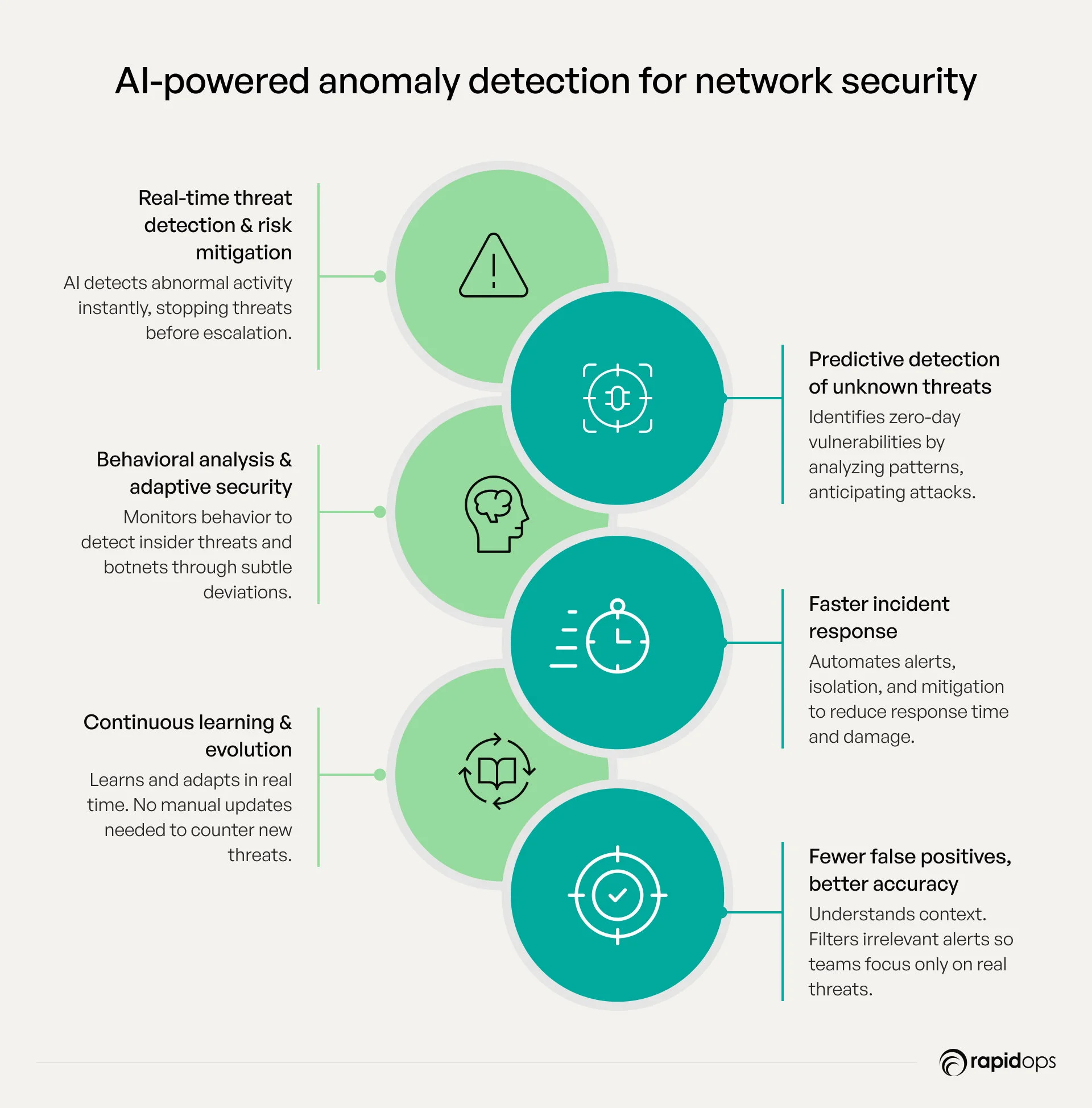
The reasoning capabilities demonstrated by AI in the game of Mafia can be utilized on similar principles in business environments where understanding ‘the opponent’s intentions’ is crucial, such as cybersecurity or customer service. The logic used to identify Mafia members disguised as citizens parallels inference mechanisms needed to identify abnormal intruders within a network or interpret the intentions of conversational partners.
Consequently, this instance of increased win rate indicates that AI is evolving to the stage of simulating and interpreting human psychological interactions. It is worth monitoring how precisely these AI reasoning technologies can operate in the future in fields requiring advanced decision-making, beyond standardized data analysis, such as medical diagnostic support or security threat tracking.