"I write so hard, so why aren't my blog visitors increasing?"
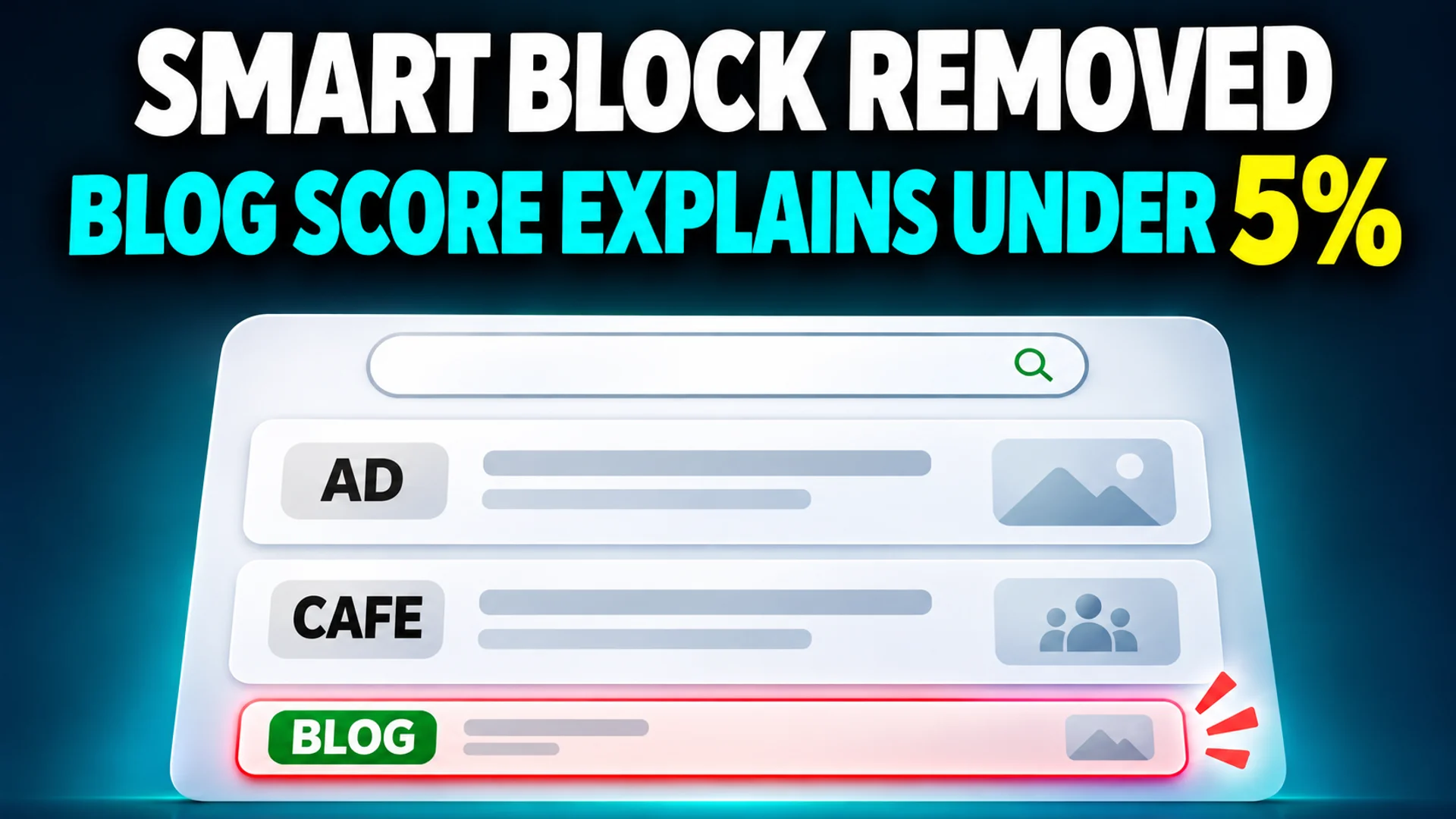
If you are worrying about this, the problem isn't your writing skill; it's that you are missing the changed 2024 search algorithms. To get straight to the point, simple informational posts will no longer be chosen by AI and search engines. The core of a profitable blog in 2024 is embedding 'human experience that AI cannot mimic' into 'structured data that search engines love'.
The era of simply repeating keywords is over. Now, you must simultaneously target Naver's complex algorithms—leading from C-Rank to D.I.A+ and DeepRank—as well as Google's E-E-A-T standards. Today, from the perspective of a 10-year veteran marketer, I will reveal 5 practical strategies to survive in this changed ecosystem and maximize your revenue.
1. Pick 'Winning Keywords': A Targeting Strategy Tailored to Your Index

The most common mistake made by beginners or those with a low blog index is clinging to 'large-scale keywords.' For example, keywords like 'restaurant recommendations' or 'iPhone review' are already dominated by 'optimized blogs.' No matter how high-quality your writing is, if your blog index is low, ranking at the top is nearly impossible.
The key to strategy is understanding your blog's "weight class." Use tools like Blog Sudari or WhereIsPost to first check your current position (e.g., Semi-optimized 1, Semi-optimized 2, etc.).
- Strategic Keyword Selection Method:
- Extract keywords with sufficient search volume using Naver Keyword Tool.
- Check the index of the blogs appearing at the top by looking at the 'Popular Posts' tab on the search results page.
- Target keywords centered around the 'Semi-optimized grade' that you can sufficiently penetrate with your current index. These are often called 'winning keywords.'
Rather than wasting energy in highly competitive areas, finding a niche you can definitively occupy is the first step toward monetization.
2. Survival in the AI Era: 'Hybrid Automation' and the Value of Experience

Recently, automated blogs that churn out dozens of posts a day using AI have become a trend. However, the results are disastrous. Most automated blogs disappear within 2 weeks to 3 months after being judged as 'low quality (total exclusion)' by search engines. This is because search robots can easily detect standardized sentence structures and abnormal posting speeds.
Particularly in 2024, we are in the 'Zero-Click' era. Since Google's AI Overviews or Naver's search summary features show the answer at the top of the search results, simple information-organizing posts fail to even receive a click.
Now, a 'Hybrid Strategy of 80% AI + 20% Human' is required.
- Role of AI: Data research, structuring, and drafting.
- Role of Human: Adding subjective feelings in the introduction, insights in the conclusion, and specific episodes actually experienced.
AI can never have 'Experience.' Only posts containing actual experience data, such as "I used this product and found this part uncomfortable" or "It's good to wear these clothes when going here," can become citation sources for AI search engines and increase the reader's dwell time.
3. The Algorithm Triad: Targeting C-Rank, D.I.A+, and DeepRank

To understand the principles of Naver top exposure, you must know three engines. These engines work organically to evaluate your posts.
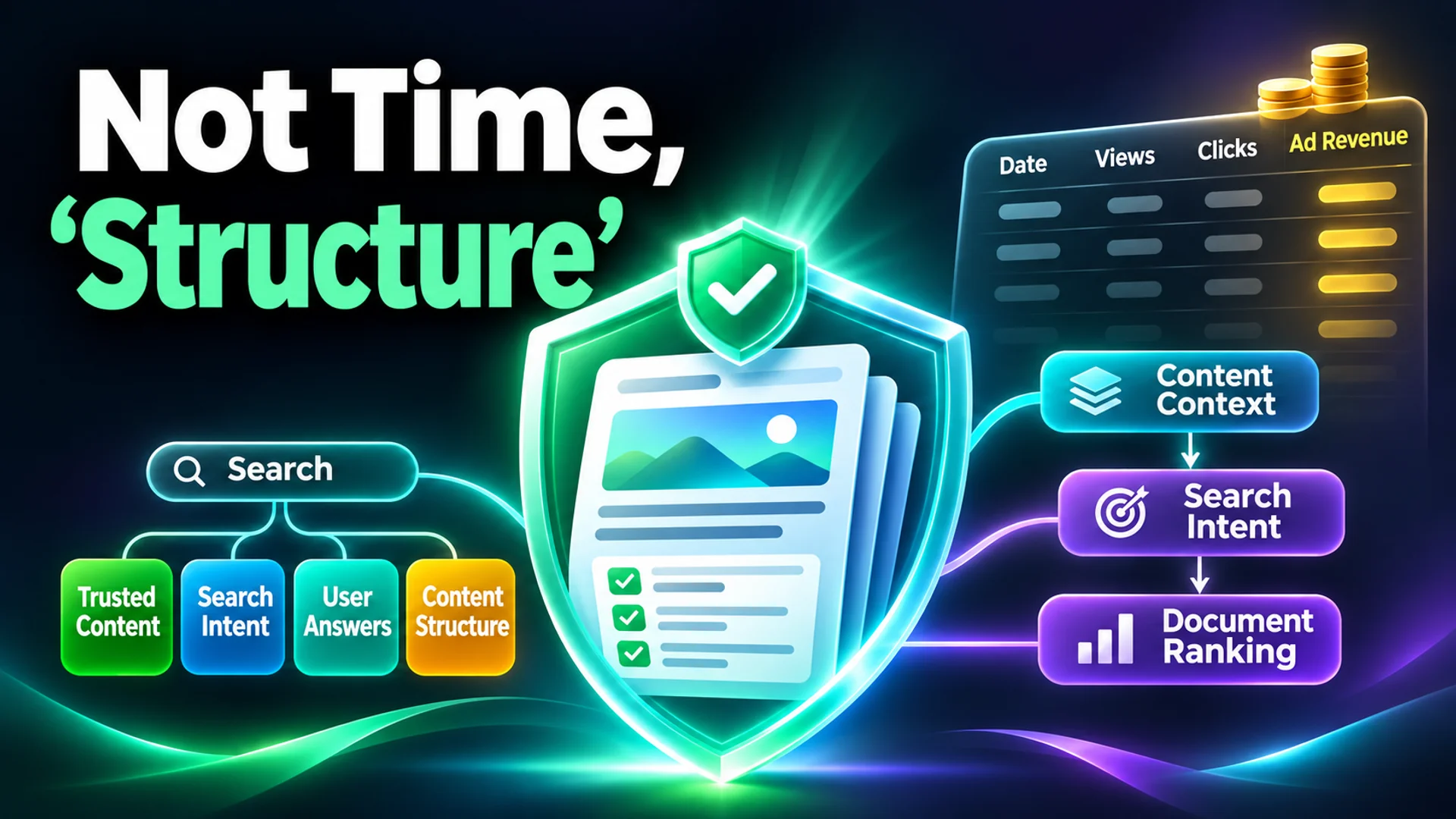
First is C-Rank (Contents Rank). This looks at the 'reliability and authority' of the blog. It evaluates how consistently and professionally you have written about a specific topic. It is important to cover one field in depth.
Second is D.I.A+ (Document Intelligence Algorithm). This determines the 'actual value' of the content. It scores based on how long readers stay on your post (dwell time), how many clicks it gets (CTR), and how many comments and likes it receives. In short, you must please the reader to increase your rank.
Third is DeepRank. This algorithm, which applies the latest AI technology, understands context. It's not just about putting in many keywords; it deeply analyzes whether the context matches the 'intent' of the searching user.
To capture all three, you should maintain a natural keyword density of around 1–3% while maximizing user experience (UX) by making rich use of visual elements such as images and videos.
4. Technical SEO: Building a House Easy for Search Engines to Read

As important as the content itself is the 'structure of the house.' No matter how good the furniture (content) is, if the house structure is a mess, it's hard for guests to visit. This is called Technical SEO.
In particular, Naver and Google place great importance on the structural clarity of a website. Be sure to check the following checklist:
- Utilize Structured Markup: Use tags like
<h1>,<h2>to clarify the hierarchy of the post. This provides crucial hints for AI to grasp the topic of the text. - Mobile Optimization: More than 70% of Naver traffic comes from mobile. You must check if the post looks broken on mobile and if the loading speed is fast.
- Build Internal Links: Connect your related posts to each other. This not only increases reader dwell time but also encourages search engine robots to explore your blog more thoroughly.
- Image ALT Tags: Entering a text description for images greatly helps AI understand the images.
Technical aspects might be a bit cumbersome at first, but once built, they serve as a solid foundation to continuously receive points from search engines.
5. Diversification of Revenue Models: Escaping the Traffic Trap
Finally, the most important thing is to realize that 'Traffic does not equal revenue.' Methods that simply increase the number of visitors (PV) are very risky in the AI search era. Since AI summarizes the information, the click-through rate (CTR) drops, which ultimately leads to a decrease in AdSense revenue.
To maximize revenue, you must collect 'High-ticket traffic with high purchase intent.'
- Review-type and Comparison-type Content: Posts like "Product A vs. Product B recommendation" are written just before a reader's purchase decision. Such posts have significantly higher advertising click-through rates (CPC).
- Expansion of Revenue Structure: Don't just rely on AdSense ads. A well-written review can be a powerful weapon for affiliate marketing (such as Coupang Partners). Furthermore, you need a 'branding' strategy that connects to selling your own e-books (PDF) or lectures.
Instead of writing clickbait posts that simply induce ad clicks, you must take the position of an 'expert' who provides practical solutions to readers; only then will revenue naturally follow.
Conclusion: Ultimately, the Core is 'People'
The blog ecosystem in 2024 seems more complex than ever. However, the essence has not changed. The goal of search engine algorithms is ultimately 'to find the information that is most helpful to the user.'
To summarize the 5 strategies we looked at today:
- Preoccupy winning keywords that fit your index,
- Use AI as a tool but definitely mix in human experience,
- Build reliability in accordance with the C-Rank and D.I.A+ algorithms,
- Create a structure that is easy for search engines to read through technical SEO,
- And go beyond simple traffic to diversify your revenue models.
Algorithms change, but the human instinct to crave valuable information does not. Don't be swayed by technology; I cheer for you to become a true creator who solves the problems of your readers.
Which strategy is your blog currently prioritizing most? Please share your thoughts in the comments!
References
- 2024년 블로그 상위노출 전략 네이버 오피셜과 함께 공개합니다 ... · youtube.com
- 네이버 검색 알고리즘 완벽 분석 – 2024년 분석 가이드 - 네이버 블로그 · m.blog.naver.com
- 수익형 AI 블로그가 99% 실패하는 진짜 이유와 검색 알고리즘의 비밀 · contents.premium.naver.com
- AI 검색에 잠식당하는 블로그: 트래픽 감소의 현실 - 브런치 · brunch.co.kr
- 블로그 검색 노출 감소 및 cpc가 저조할때 극복 방법 - 머니머니 · moneyhub.tistory.com
- 네이버 블로그 상위노출을 위한 최적화 블로그 전략3가지 · m.blog.naver.com
- 네이버 SEO 최적화 제대로 이해하고 상위노출까지 한번에 끝내는 전략 · openschema.co.jp