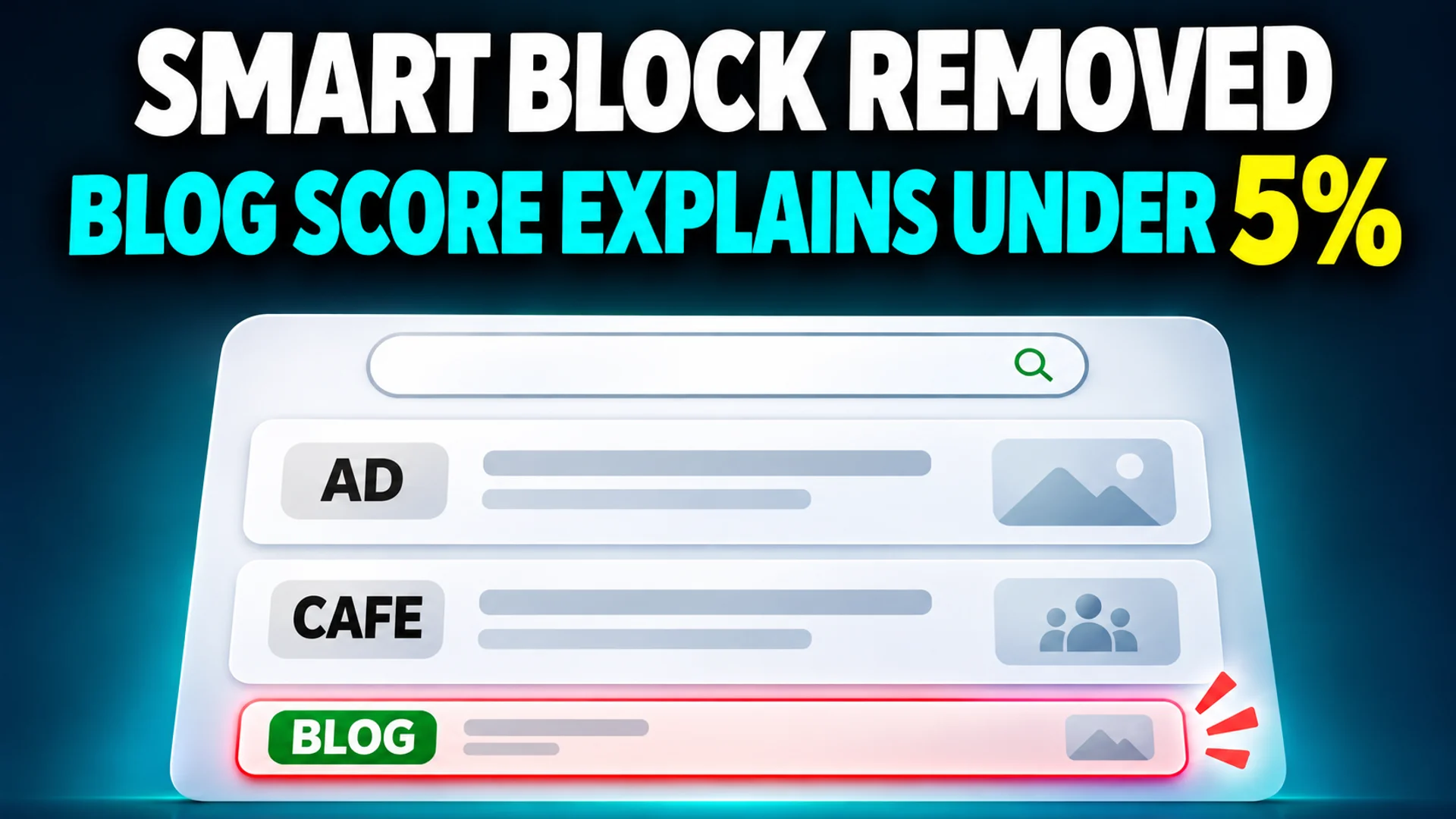
The biggest concern for Naver blog operators in 2026 lies in two conflicting metrics. One is the ‘trust-based dwell time’ required by Naver’s search algorithm, and the other is ‘Cost Per Click (CPC) defense,’ which dictates Google AdSense revenue. Old tricks to simply keep users on a page longer (e.g., reducing font size, infinite scrolling) no longer work. Since late 2025, Naver has pushed advertising spam down using its newly introduced AI reliability evaluation logic, while Google AdSense allocates high-CPC ads to ad units that guarantee high dwell time and ‘high advertiser conversion rates.’ 12
Ultimately, the solution is to demonstrate ‘genuine user satisfaction’—which both platforms seek—through the content structure itself. This article analyzes Naver’s current Next N Search framework and Google AdSense’s allocation principles as of 2026, and presents practical strategies for optimizing dwell time to counter CPC decline while maintaining top search rankings.
1. Dual Algorithm Surveillance: Capturing Trust and Conversion Rates in 2026
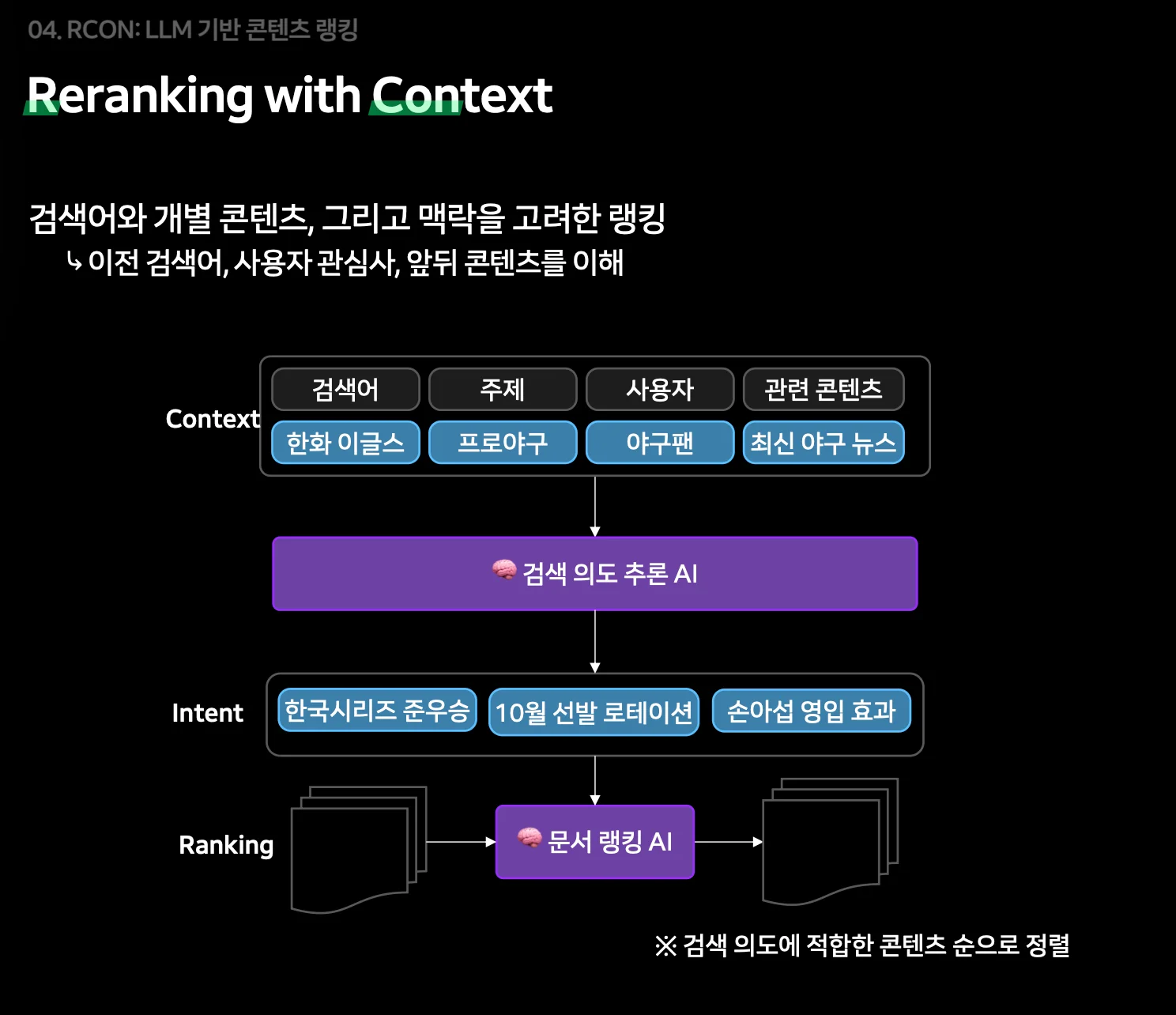
To understand Naver blog search visibility in 2026, one must first grasp the concept of ‘search trustworthiness.’ Since late 2025, Naver has been sequentially implementing the ‘Next N Search’ project. The core objective of this system is to end ‘view-count farming.’ While simply retaining users was important in the past, AI now directly evaluates document credibility. 1
Here, two technologies play decisive roles.
- AuthGR (Authority-aware Generative Retriever): This uses Large Language Models (LLMs) to evaluate the credibility of sources and authors in real time. Including an
QUMA-VLmodel that checks for consistency between text and images, penalties are applied to low-quality content with inconsistencies. 1 - RCON Re-ranking Algorithm: Through user intent analysis, this pushes purely promotional content to the bottom of search results. It means that unless you provide substantial help to users, it is difficult to even obtain top ranking opportunities. 1
The situation on Google AdSense’s side is slightly different. When Google AI evaluates blog quality, dwell time is an important signal, but it is not the sole top-priority criterion. The key condition for Google to allocate high-CPC ads is whether an audience that guarantees ‘high conversion rates for advertisers’ is remaining on the page. 2 In essence, Naver seeks ‘trustworthy documents’ based on AI, while Google desires ‘purchasing-powerful traffic’ and commercial topics that create ‘high conversion rates’ for advertisers. 12
2. Maintaining Top Naver Rankings: ‘Genuine User Signals’ Beyond C-Rank
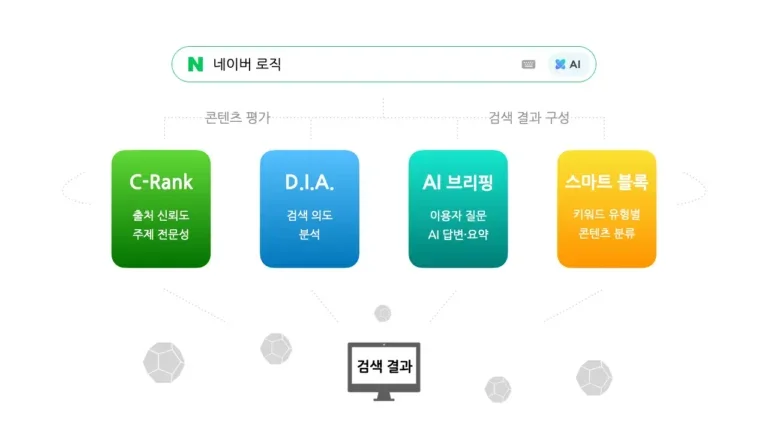
Naver still evaluates topic concentration and document originality/informativeness through C-Rank and D.I.A.+. However, the 2026 search environment is evolving beyond these metrics to prioritize ‘genuine user signals’ such as AI briefing citations and user satisfaction (dwell time, scroll depth). 31
The purpose of the changes in Naver’s search logic is to maximize user satisfaction. Actual A/B test results showed that after applying the trustworthiness enhancement logic, user dwell time increased by 1.93% and click-through rates rose by 1.34%. 1 This demonstrates how directly search results align with user intent.
Therefore, three elements are essential to defend top rankings:
- Accumulating Topic Expertise: You must demonstrate expertise based on long-term experience in a specific field.
- Securing Originality: Multimodal content including directly captured images and personal experiences acts as a much stronger trust signal than AI-generated text. 3
- Anticipating Search Intent: The user’s intent as entered into the search bar must be clearly resolved at the beginning of the document to maintain scroll depth.
3. Adpost and AdSense: The Reality of Rate Declines
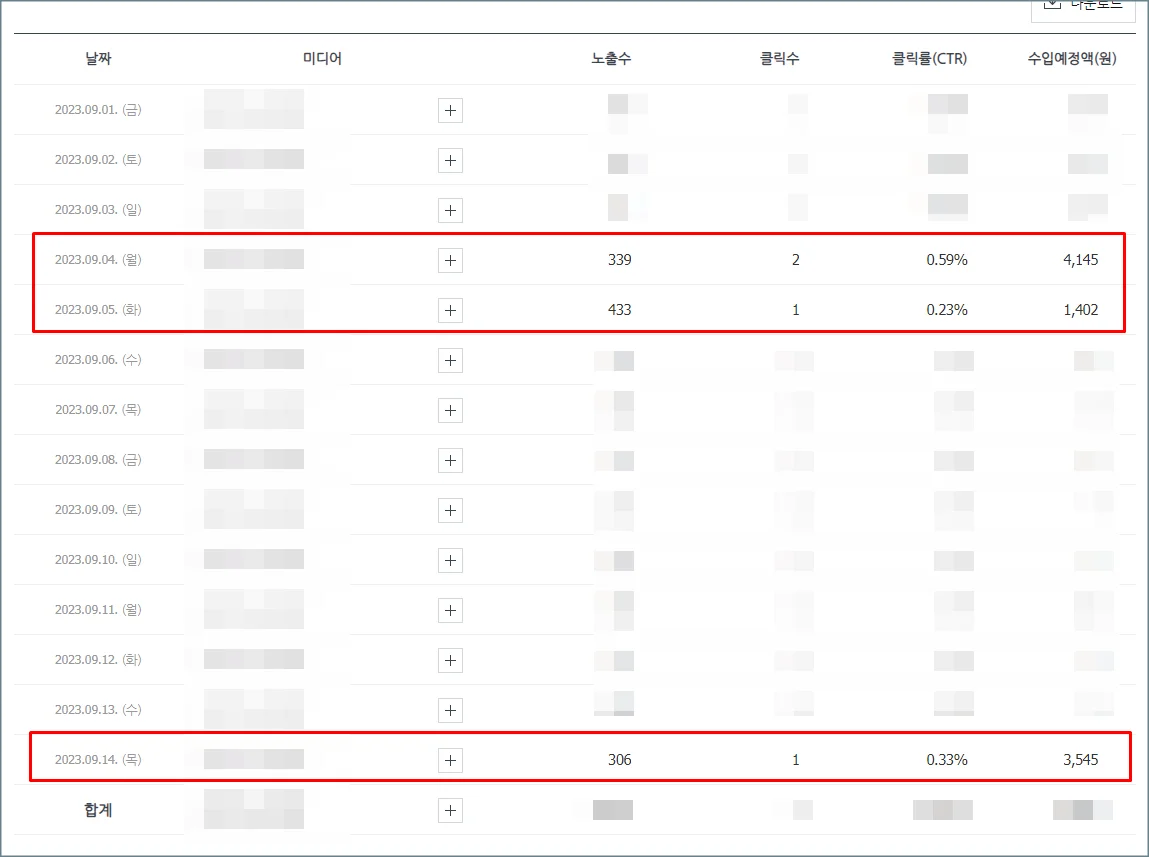
From a monetization perspective, the most sobering metric to consider is the rate. The average CPC for ‘Adpost,’ Naver’s dedicated ad network, does not exceed 150 won even in high-rate fields like finance or asset management. In most fields, rates form at 40–100 won, making them 2–5 times lower than Google AdSense, which ranges from 300 to 800 won. 4
AdSense is not entirely favorable either. The average CPC for AdSense in Korea is around 200 won, meaning a difficult journey is required to secure monthly revenues of 1 million won, needing over 5,000 clicks and hundreds of thousands of visitors per month. 5 The bigger issue is that the era where chasing ‘high-CPC keywords’ alone automatically raised rates is over.
Google prefers topics where advertisers are willing to pay, such as insurance or loans, over non-commercial general topics (e.g., cat photos), but more important here is the ‘conversion performance’ of the page. High-CPC ads are only allocated when a blog provides high conversion rates to advertisers. 2 Rates are defended when content provides context on ‘why this person spends money and leaves,’ going beyond simply increasing dwell time.
4. Practical High-Dwell Time Optimization: Winning with Structure

The key weapon for defending against ad rate declines while maintaining search visibility is ‘high-dwell optimization of content structure.’ This is not about increasing the physical time users spend reading, but rather a sophisticated design that prevents bounce rates by quickly delivering core value.
The most practically verified strategies are summarized below. 3
- Applying the Inverted Pyramid Structure: Place core answers at the very beginning of the introduction. Users bounce within 3 seconds if they cannot find the information they want. Presenting the answer first and then proceeding with detailed explanations is the shortcut to securing scroll depth.
- Hooking Users in the First 3 Seconds: Strong hook phrases in the introduction and short paragraph structures (3–4 lines) improve readability and maintain focus in mobile environments.
- Utilizing Multimodal Elements: Mix directly captured photos, infographics, tables, and lists appropriately to remove the blandness of AI text alone. This is positive in the evaluation of Naver’s
QUMA-VLmodel and strengthens Google’s ‘Experience (E-E-A-T)’ metric. - Targeting Long-Tail Keywords: Target long-tail keywords with higher click-through rates and dwell times rather than big keywords with intense competition. Long-tail keywords have specific search intents, which naturally increase dwell time for those readers and provide precise targeting for advertisers. 3
5. Checklist for Parallel Operation to Maximize Revenue
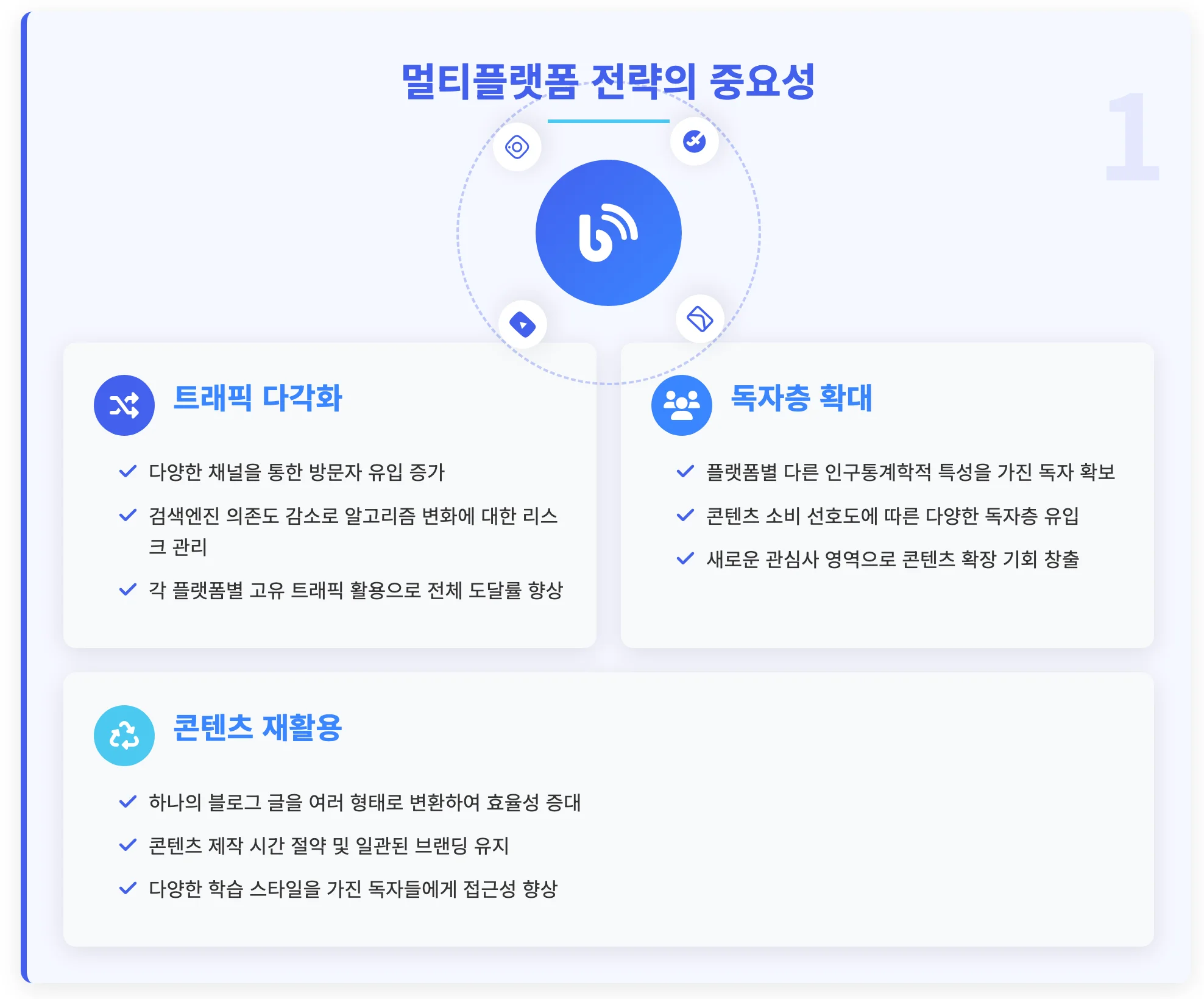
It is not easy to satisfy the distinct algorithms of both Naver and Google on a single blog. When it is difficult to meet both platforms’ algorithms, case studies of operating a total of 11 blogs (Hohopick) report that a parallel strategy splitting platforms by purpose is more favorable for revenue stability than sticking to a single platform. 6 This is because Naver Blog has a clear ecosystem centered on ‘additional revenue’ like corporate sponsorships or article fees, while Google AdSense has an ecosystem centered on ‘high-CPC ad revenue.’
Below is a checklist to review your current status.
- Keyword Strategy: Have you secured 10–15 long-tail keywords to build initial traffic and credibility? 73
- Structure Check: Have you clearly distinguished subheadings using H2 and H3 tags and placed core answers at the top? 3
- Trust Indicators: Have you removed excessive keyword repetition (stuffing) to avoid the risk of being flagged as spam? 3
- Ad Integration: Have you placed ads in natural positions, such as mid-body text, to achieve a Click-Through Rate (CTR) of 1–3%? 4
- Mobile Optimization: Have you secured dwell time by improving mobile readability and improved click-through rates by applying mobile-optimized titles exposed on search result pages? 3
Conclusion: Dwell Time Backed by Trust Equals Rate
The paradigm of blog operation in 2026 has shifted from ‘exposure volume’ to ‘trust-based conversion rates.’ Naver’s Next N Search and Google’s strengthening policies for E-E-A-T ultimately point in the same direction. That fact is that ‘only content containing actual experience and expertise earns users’ time, and substantive revenue is generated from that time.’
Past methods that tried to secure dwell time solely by word count now become victims of AI filtering like AuthGR. Target long-tail keywords to precisely aim at search intent, and secure users’ scroll depth with inverted pyramid structures and directly captured content. This is the most realistic and verified defense to protect the visibility of top rankings while defending rates in the revenue channel of AdSense. Optimizing every piece of content you write now to prove to users that ‘this article is worth reading to the end’ is the survival strategy for publishers in 2026.
References
- 네이버 검색 대변화-2026년 디지털 마케터를 위한 생존 전략 · 247compass.com↩
- 당신이 아는 CPC 상승법, 절반만 맞습니다. · novista1.com↩
- 블로그 SEO 최적화 검색 상위노출 실전 총정리 · sigmine.ai↩
- 블로그 수익 계산기 - 애드포스트 vs 애드센스 수입 비교 · todaymemory.net↩
- 2026 애드센스 월 100만원 수익 블로그 SEO 전략 · tilnote.io↩
- 네이버 애드포스트 vs 구글 애드센스: 11개 블로그 운영자가 말하는 수익 비교 - 호호픽 · hohopick.com↩
- 블로그 광고 비용 2026 — 단가 공개 + 대행사 체크리스트 · noahgroup.co.kr↩