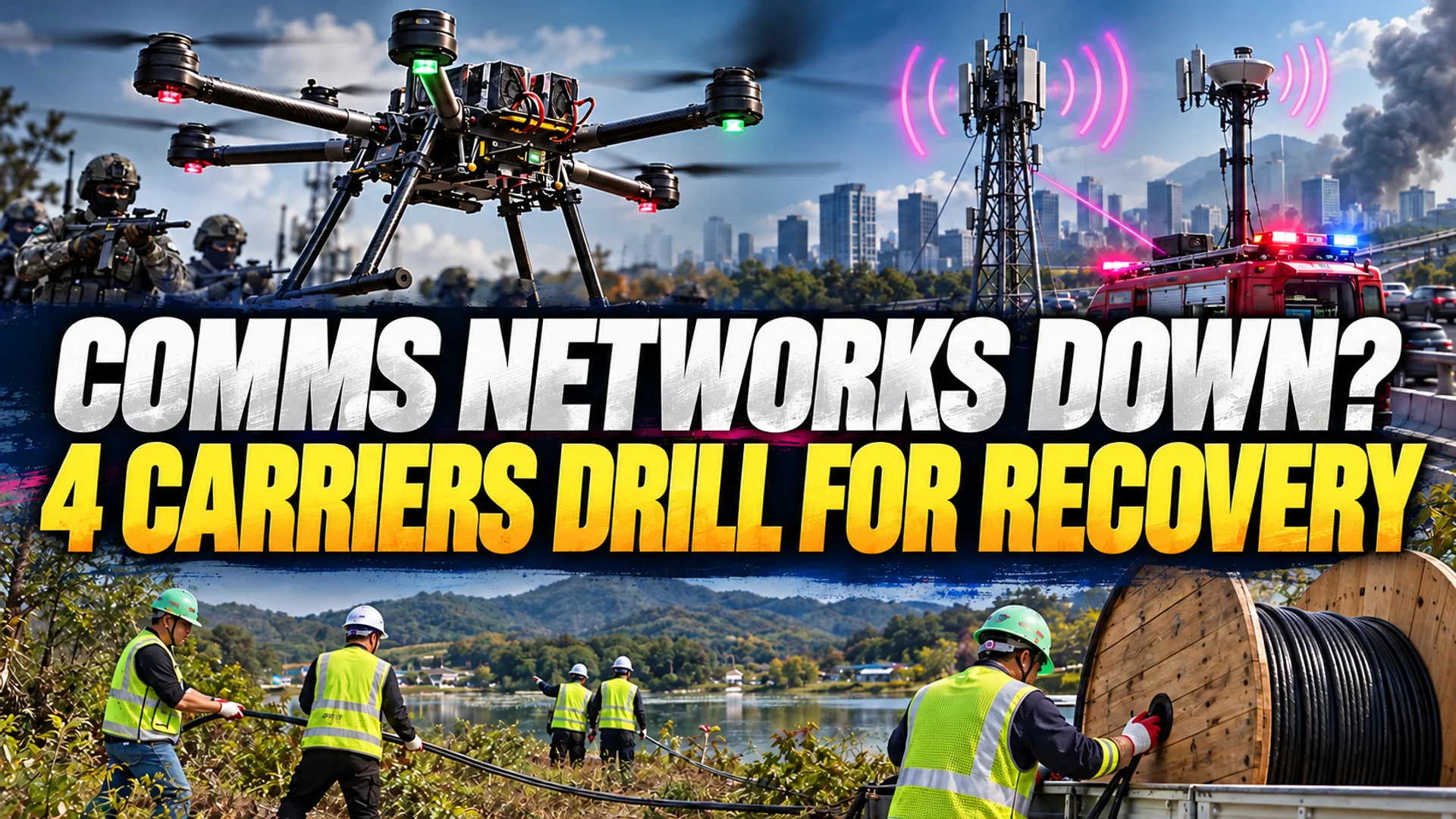
In preparation for the drone threat that has recently emerged as an asymmetric force, the Ministry of Science and ICT (MSIT) and major domestic telecommunications companies are conducting joint drills simulating real-world disaster scenarios. This article introduces the background and specific response procedures of the drone-based telecommunications network recovery drill involving four major carriers, and objectively analyzes the revealed technical resilience and future challenges.
The Rise of Drone Threats and Awareness of Telecommunications Infrastructure
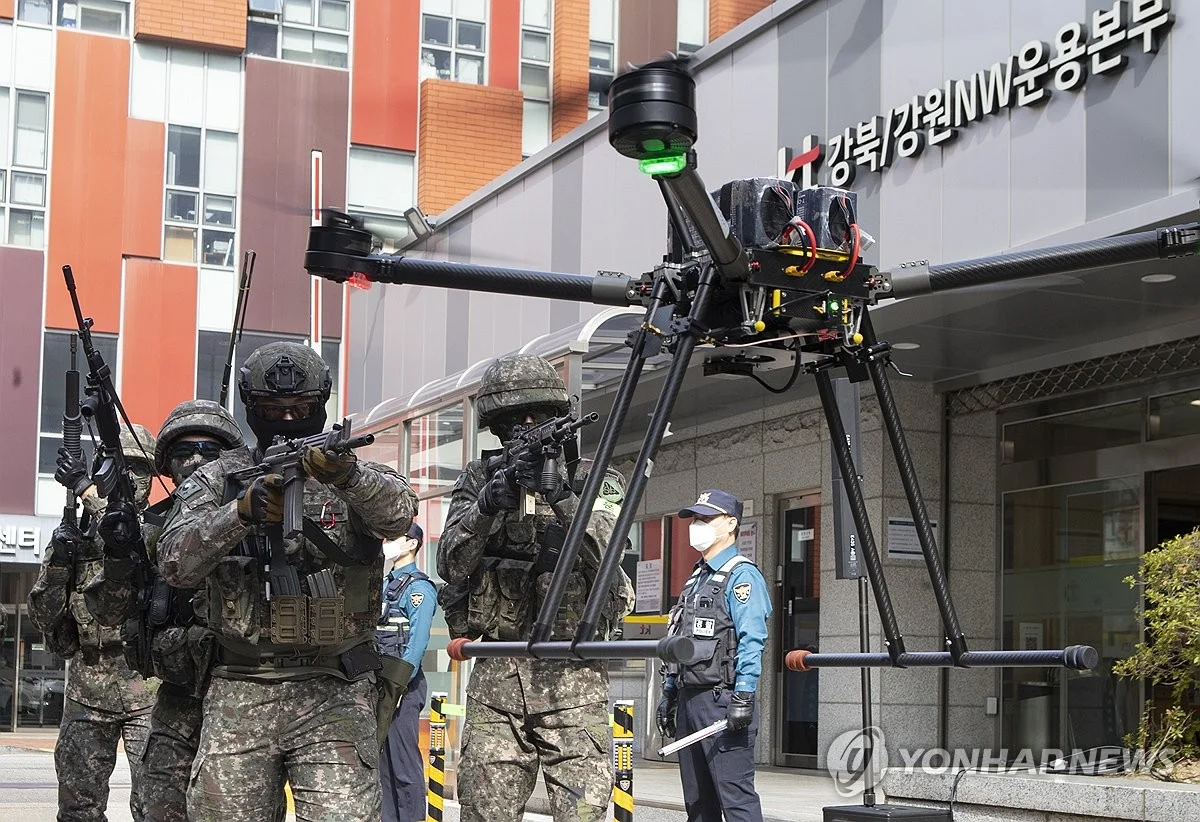
The advancement of unmanned aerial vehicle technology is emerging as a new variable not only in military threats but also in the resilience of civilian infrastructure. In particular, telecommunications networks are core infrastructure upon which all activities in modern society depend; if paralyzed by external attacks or disasters, the economic and social damages would be immense. In this context, the domestic government and telecommunications industry are striving to make diverse efforts to secure the stability of telecommunications networks.
North Korea has recently unveiled new drones and demonstrated its military power by mobilizing kamikaze drones, seeking to advance its asymmetric capabilities. In this situation, the ability to respond to physical damage or interference with telecommunications networks is a task directly linked to national security. Accordingly, practical drills on telecommunications network failure scenarios are continuously conducted in South Korea.
2023 Joint Disaster Response Drill by Four Major Carriers
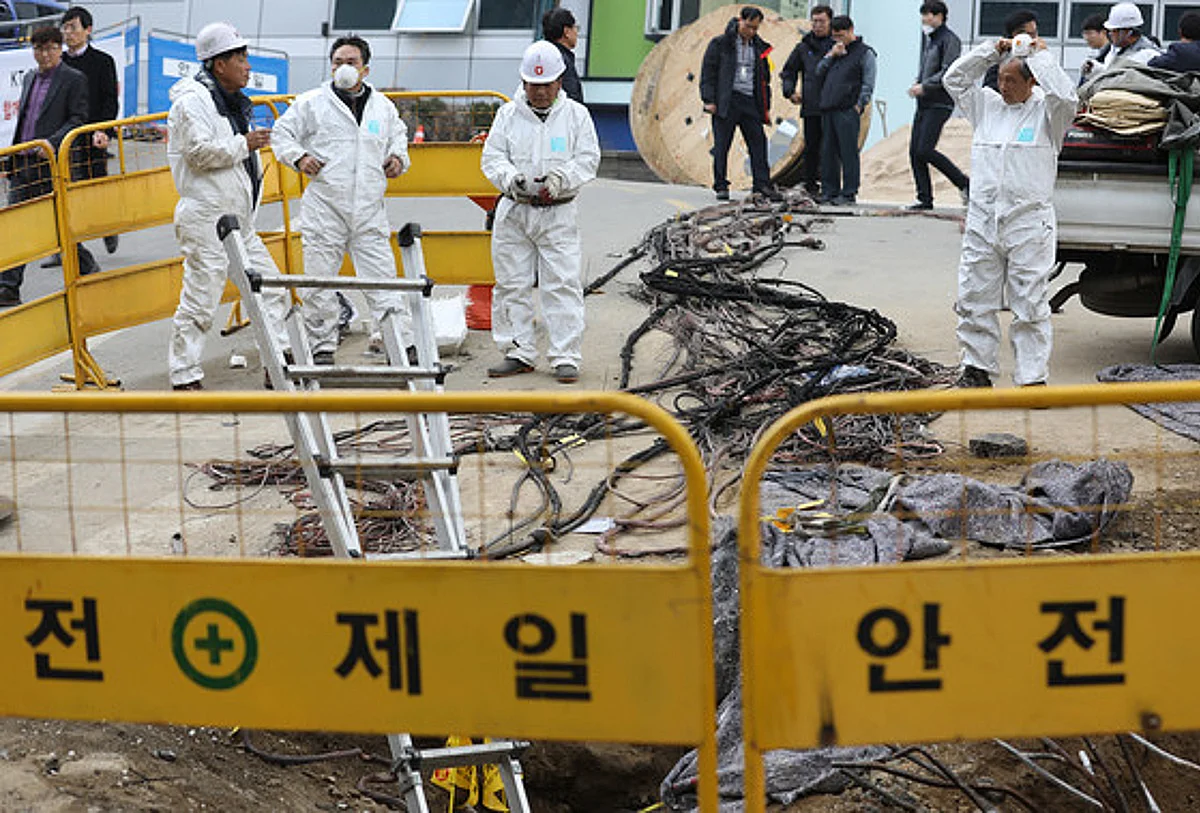
The Ministry of Science and ICT (MSIT), along with the four major carriers and related organizations, conducted an on-site crisis response drill for information and communications accidents as part of the National Disaster Response "Safe Korea" training. This drill, held on November 2, 2023, involved all major telecommunications companies, including SK Telecom, KT, LG Uplus, and SK Broadband 1. The drill was arranged to review the emergency recovery system and the inter-governmental communication system in preparation for large-scale infrastructure failures that could occur in the era of deepening digitalization 1.
Additionally, on October 25 of the same year, the first on-site drill in South Korea to emergency restore communication services using drones was conducted in Iksan, Jeollabuk-do Province, hosted by the National Radio Research Agency. Six major telecommunications companies in the Jeollabuk-do region (SK Telecom, KT, LG Uplus, SK Broadband, LG HelloVision, and Geumgang Broadcasting) participated in this drill 2. Both drills focused on verifying the effectiveness of technical recovery procedures by assuming complex disaster scenarios that could realistically occur 21.
Drill Scenarios: Fire, Power Outage, and Landslides
The key scenarios addressed in the drills involve complex situations where telecommunications infrastructure can simultaneously become paralyzed. First, in the Daejeon area drill, a scenario was assumed where a fire at an electric vehicle charging facility in the underground parking lot of the SKT Dunsan Building caused a large-scale telecommunications network failure, and a power outage extended to the SK C&C Daejeon Data Center due to damage to nearby substation facilities 1. This simulated a compound failure situation where a single fault had cascading effects on other key facilities.
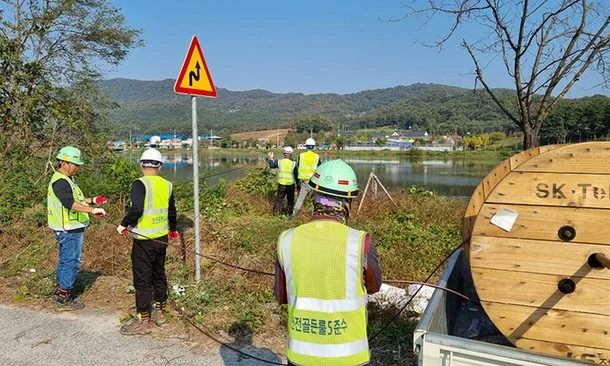
Meanwhile, the drill conducted in Iksan assumed areas where access by personnel and equipment was extremely difficult due to landslides or ground subsidence caused by heavy rainfall 2. In particular, this drill adopted as a scenario the actual case in July 2023 where communication cables were lost due to a landslide at the Naesang Reservoir in Jeongeup, Jeollabuk-do, thereby verifying a realistic recovery scenario 2. These drills include both physical infrastructure damage due to natural disasters and logical paralysis caused by fires and power outages.
Technical Recovery Measures: Drones and Bypass Networks
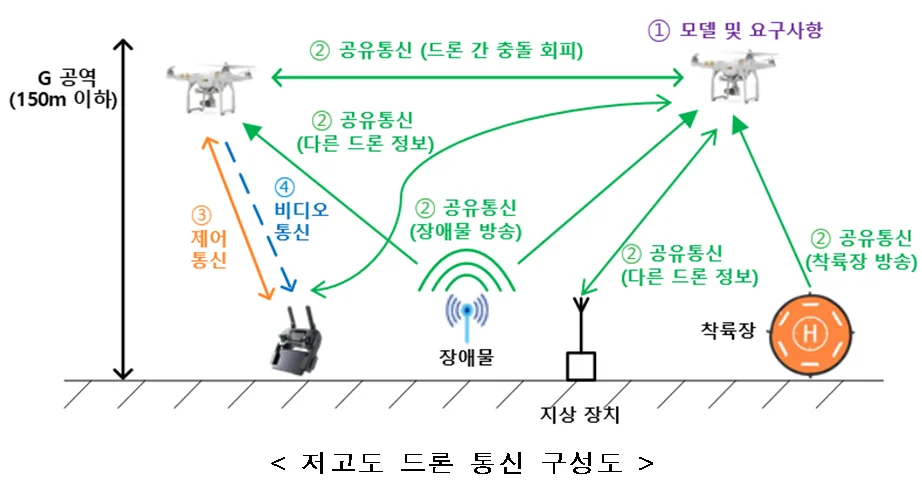
During the drills, various technical response measures were directly inspected. The core of the Iksan drill was the technology of using drones to deliver communication cable jumper wires. It was confirmed that by having drones fly across inaccessible areas caused by landslides to deliver jumper wires to the other side, emergency recovery time could be significantly reduced 21.
In the Daejeon drill, not only drone technology but also the redundancy systems of existing telecommunications infrastructure and the ability to rapidly deploy alternative resources were intensively inspected. The specific recovery measures inspected included the deployment of mobile base stations, disaster roaming using other carriers' wireless networks, and the opening of disaster Wi-Fi 1. Furthermore, the drill also verified support measures for tethering payment services to minimize economic losses for small business owners 1.
Changes Following the 2019 KT Ahnyeong Building Fire
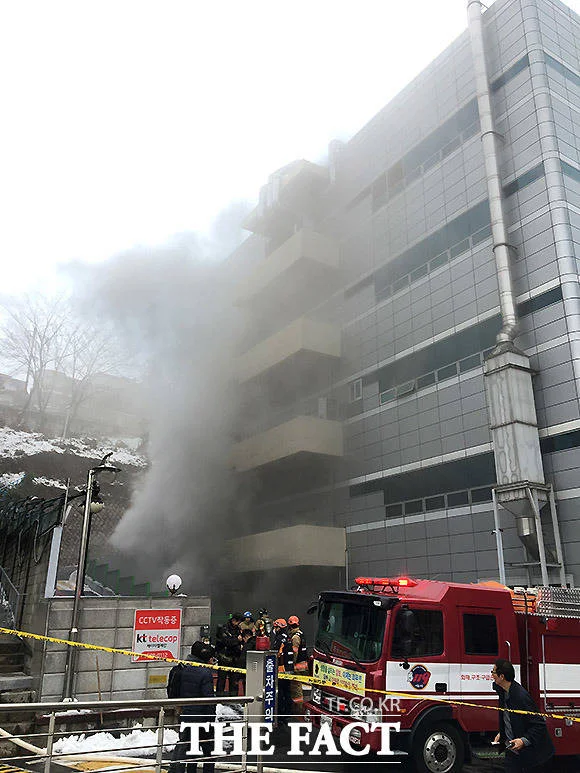
Drills to secure telecommunications network stability have been further strengthened since the KT Ahnyeong Building fire in 2019. In a drill conducted on July 4, 2019, a situation was assumed where a bomb terrorist attack completely blocked the telecommunications network of an exchange, and the system for automatically bypassing traffic to the pre-established dualized Guro exchange network was verified 3. This was a measure to minimize damage caused by single points of failure.
At the time, the part of the drill that was particularly emphasized was the payment issue for small business owners. Measures were verified to enable payments through separate wireless network connection devices when card payment terminals failed, and to provide alternative wireless internet by opening other carriers' Wi-Fi 3. These experiences subsequently led to support measures such as tethering payment services in later drills, being reflected in practical user protection measures.
Drill Achievements and Future Challenges
As a result of the drills using drones, the effect of reducing recovery time was clearly confirmed. In a situation where telecommunications failure recovery was expected to take over 12 hours using conventional methods, it was confirmed that the recovery time was drastically reduced to approximately one-quarter of that, or 2 hours and 45 minutes, when drones were utilized 2. Kim Jeong-sam, Director General of the National Radio Research Agency, emphasized, "It is necessary to continuously discover new telecommunications disaster response measures to counter various disaster threats" 2.
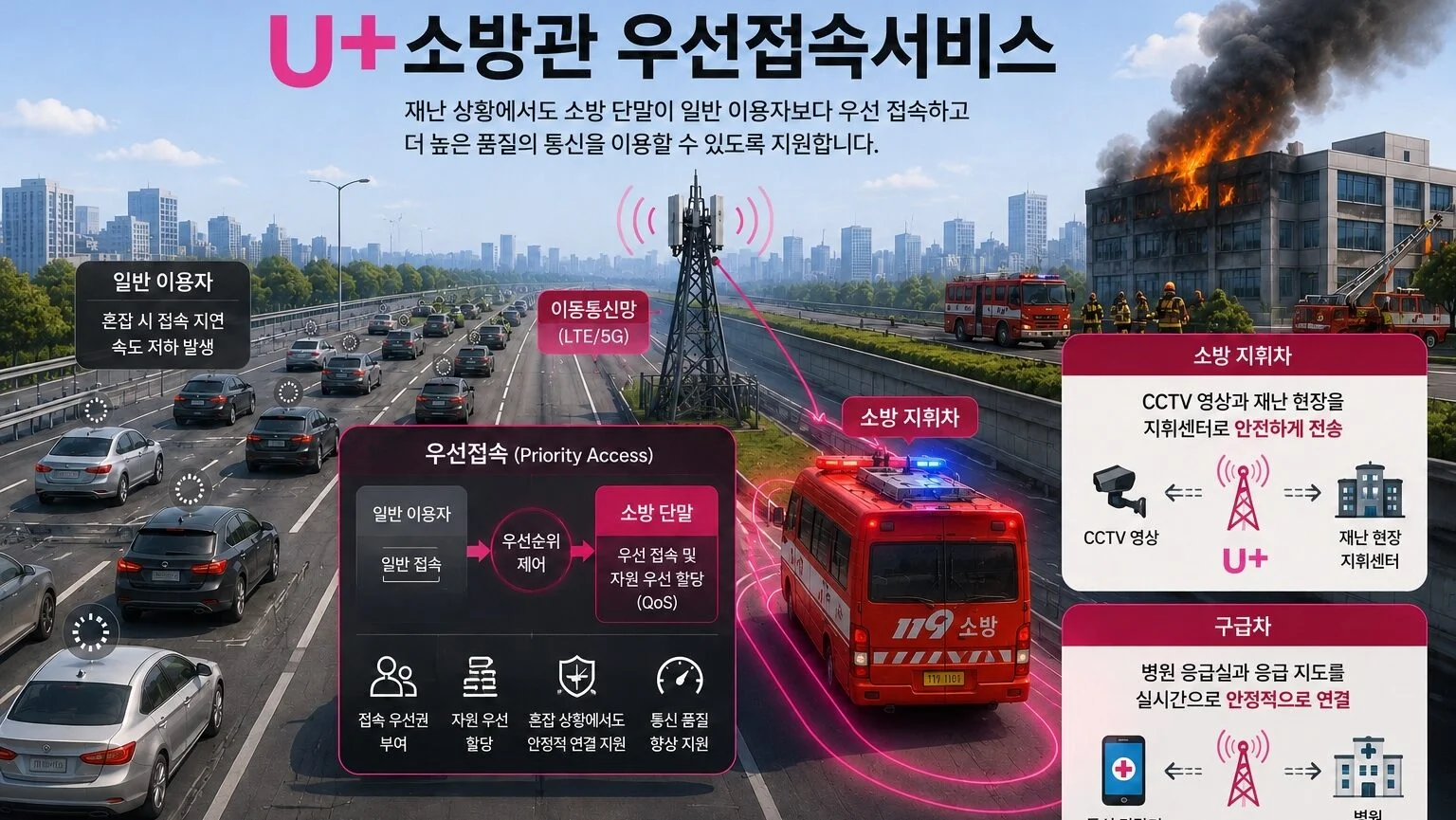
Furthermore, such preparedness is not limited to technical recovery but is expanding to ensure communications for on-site response personnel. On June 10, 2026, the three major carriers—SKT, KT, and LG Uplus—launched a 'Priority Access Service for Firefighters' in cooperation with the MSIT and the Korea National Fire Service 4. This service is designed to prioritize wireless connections for firefighters even when the telecommunications network becomes congested due to major fires or accidents, thereby securing the stability of on-site operations 4.
In conclusion, the drills by the four major carriers in preparation for various disaster scenarios, including drone attacks, are a crucial process that goes beyond simple technical inspection to verify the connectivity of recovery systems for compound disasters. Practical measures such as drone-based rapid physical recovery, dualized communication path switching, and priority access services for on-site personnel are laying the foundation for building substantive resilience against the threats that future telecommunications infrastructure may face.
References
- 정보통신 재난 대응 안전한국훈련 실시…긴급복구 체계 점검 | 연합뉴스 · yna.co.kr↩
- 드론 투입해 통신장애 해결 시간 4분의 1로…긴급 복구 훈련 · news.sbs.co.kr↩
- [과학]"제2의 아현지사 사고 막자"...통신 재난 대응 훈련 | YTN · ytn.co.kr↩
- SKT·KT·LG유플러스, '소방관 우선 통신 서비스' 도입…재난 대응... · pinpointnews.co.kr↩