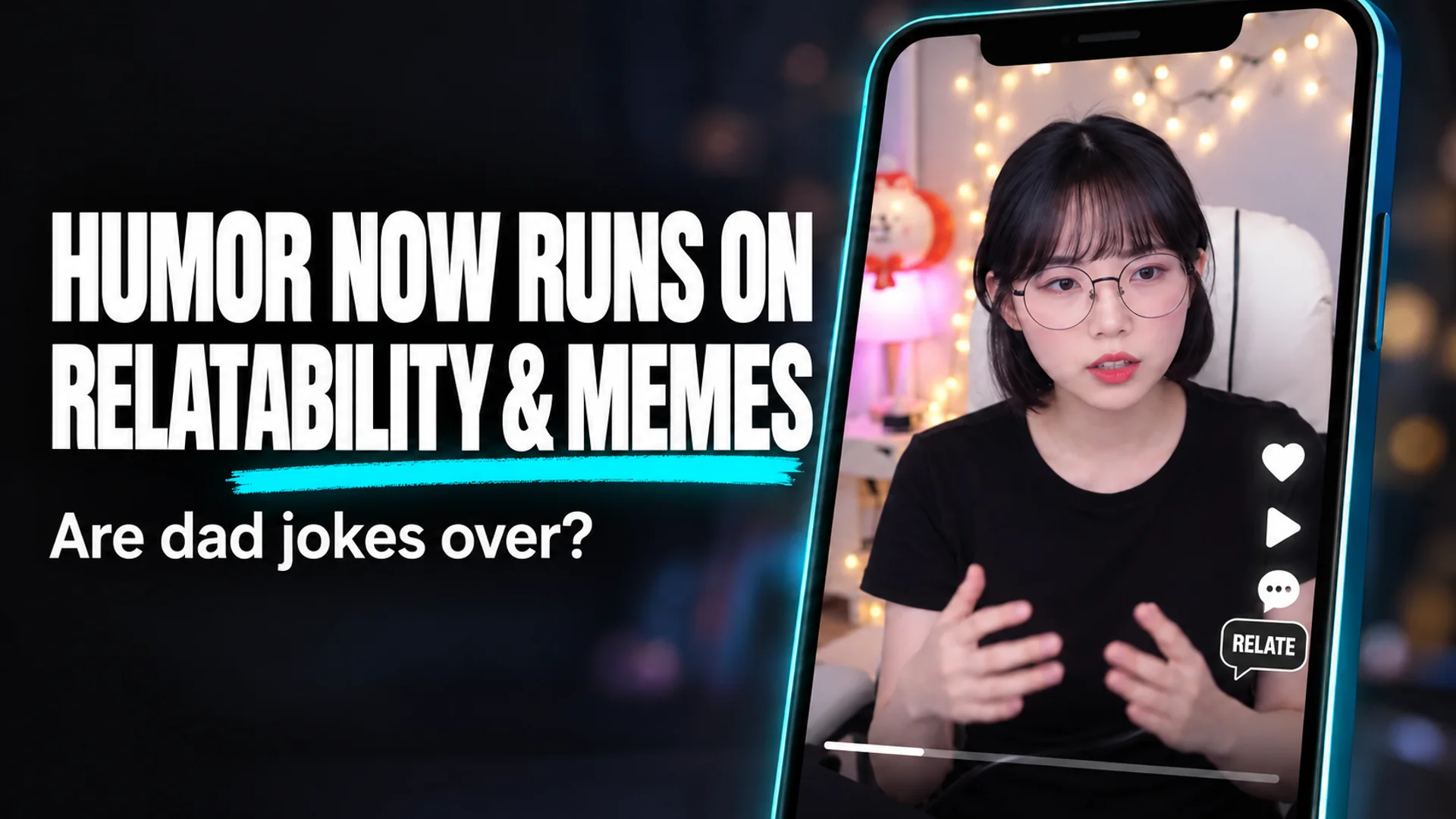
The question “Is the era of ‘ajae’ (middle-aged) jokes over?” can itself be read as a somewhat hasty conclusion. Humor preferences tend to shift in layers and forms rather than disappearing all at once. However, a clear direction of change is identifiable. At the center of Gen Z’s preferred humor in 2026 lies ‘emotional empathy and flexible forms’ rather than ‘standardized laughter.’ In other words, rather than saying a certain type of gag has unconditionally disappeared, it is more accurate to view this as a fundamental shift in the structure of how Gen Z consumes laughter.
The Benchmark for Humor Consumption Has Shifted from ‘Genre’ to ‘Emotion’
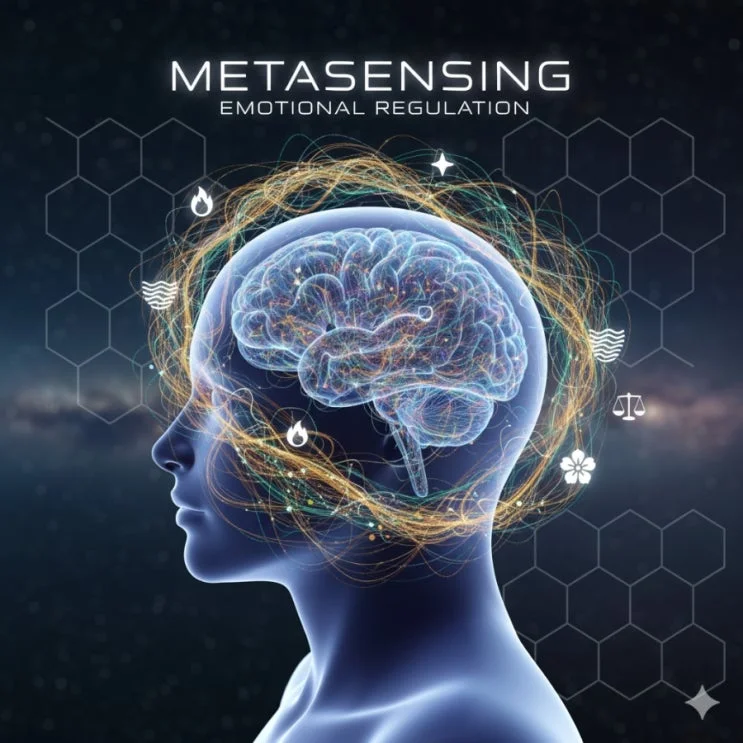
According to 《Gen Z Trends 2026》, released by University Tomorrow’s 20s Research Institute on December 5, 2025, ‘emotion’ is the core issue that will pierce through the upcoming era. One of the representative keywords proposed by the report is ‘metasensing,’ which refers to an attitude of understanding emotions and technology for sensing the world 1.
Twenty-somethings who frequently use generative AI are familiar with leveraging technology, with 24.5% of them having experienced psychological counseling through tools like ChatGPT. They are also accustomed to approaches that deal with one’s inner self, such as HSP tests or sleep and walk management. Furthermore, there is a tendency to look up to people who possess strong inner stability and well-controlled emotions as role models, rather than those with impressive credentials 1.
In other words, for Gen Z in 2026, humor is closer to the context of ‘how to interpret the emotions of oneself and the world’ than to simple wordplay or the repetition of set patterns. While the momentary pleasure provided by laughter is still important, they have become sensitive to what emotional state that laughter connects with.
The Core Format of Gen Z Humor Is ‘Meme-Based Short-Form Content’
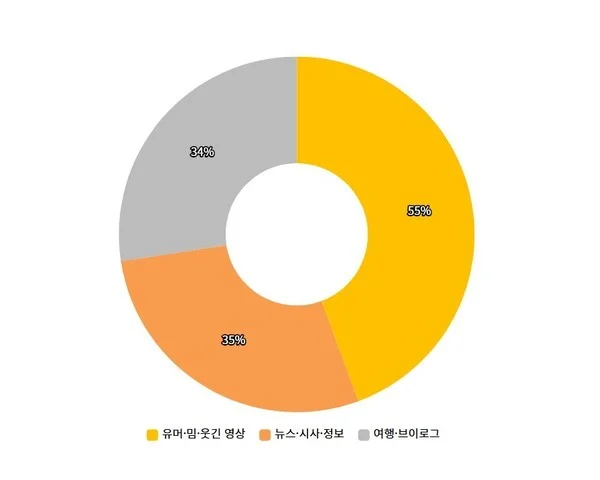
The shift in humor consumption patterns becomes even clearer in survey data. According to an August 2025 survey by market research firm Consumer Insight, ‘humor/memes/funny videos’ ranked first among preferred short-form content topics at 55%. This result surpasses news/current affairs/information (35%) and travel/vlogs (34%) 2.
Notably, this result is combined with the format of ‘short-form’ content. As of the August 2025 Consumer Insight survey, meme-centric humor consumed on YouTube Shorts, Instagram Reels, and TikTok emerged as a strong trend, taking the top spot among preferred short-form content topics 2.
Of course, the equation ‘short-form = Gen Z’ is already a near-generalization that has been accepted for a long time. The more important implication of this survey is that teens’ proportion of watching short-form content for more than one hour was 26%, the highest among all age groups, and TikTok’s usage rate among teens was 40%, approximately twice the average 2. In other words, Gen Z’s humor is tightly intertwined with memes that are rapidly replicated, modified, and shared on short videos.
‘Ajae’ Jokes Haven’t Disappeared; They’ve Lost Their ‘Context’
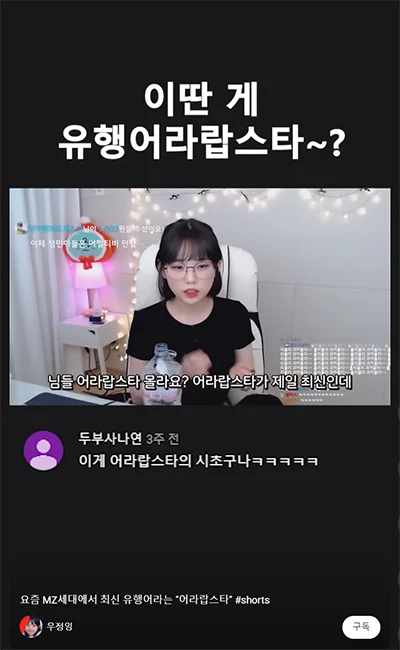
Gen Z’s humor consumption shows a tendency to prioritize ‘emotional empathy’ and ‘flexible forms.’ 《Gen Z Trends 2026》 presents ‘metasensing,’ referring to an attitude of understanding emotions, as a core keyword, and emphasizes a preference for ‘liquid content’ that breaks away from fixed frames 1. Additionally, short-form survey results indicate that the humor preferred by Gen Z consists of short, meme-centric videos, employing improvisational and context-based methods 2. Therefore, rather than past standardized gag formats, Gen Z’s current humor focuses on adapting to a more fluid and personalized platform environment.
‘Liquid content,’ as proposed by 《Gen Z Trends 2026》, well illustrates this point. The trend of preferring flexible, loose content consumption that breaks away from fixed frames similarly leads to a preference for improvisational and context-based methods over standardized forms in humor 1. Furthermore, the keyword ‘AI native’ refers to the generation that coexists with AI tools in daily life and quickly adapts to new forms of expression 1.
From this perspective, the reason ‘ajae’ jokes appear ‘outdated’ is less about the issue of wordplay and more because the very structure of humor consumption has shifted toward a more fluid, personalized, meme-based model.
For Gen Z, Humor Is Closer to an ‘Empathy Device’
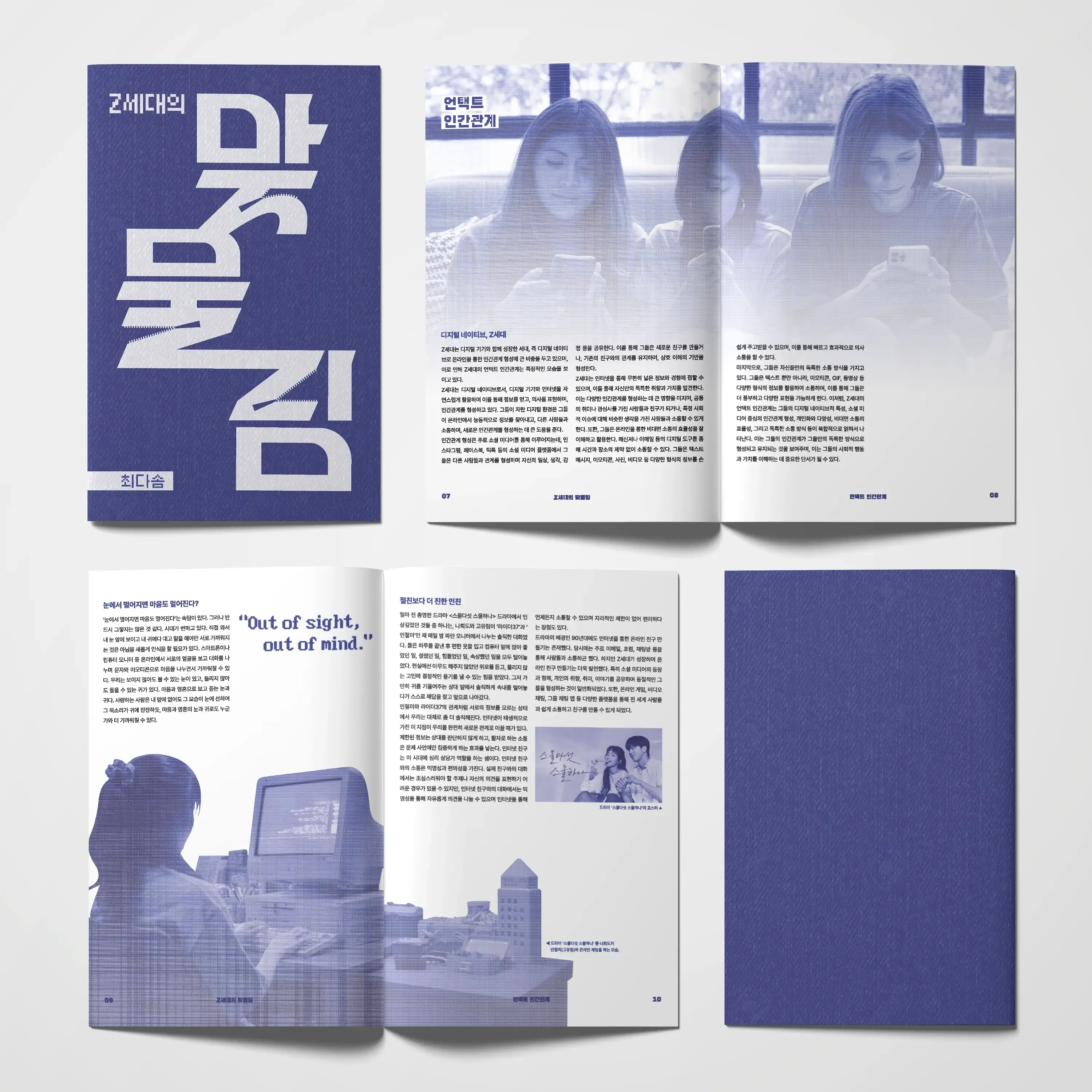
《Gen Z Trends 2026》 suggests that Gen Z prioritizes ‘gentleness’ beyond harmlessness in human relationships, and values ‘self-objectification’ and emotional regulation skills 1. These values influence content consumption, including their attitude toward humor, leading to a trend that favors emotional rapport and flexibility.
These emotion-centric values are also reflected in humor consumption patterns. Gen Z prioritizes ways to understand and share emotions, which aligns with the ‘liquid content’ trend that favors improvisational and context-dependent communication over fixed formats 1. Platform data also supports this flow; Gen Z’s high preference for ‘humor/memes/funny videos’ in short-form content at 55% suggests the strength of meme-based humor that rapidly shares emotions and context 2.
In contrast, traditional gag formats that prefer fixed patterns or clear endings contrast with Gen Z’s consumption tendencies, which favor ‘liquid content’ in fluid and flowing forms and prioritize the flow of emotions 1.
In Conclusion, Rather Than Saying ‘Ajae’ Jokes Are ‘Over’
Analyzing the humor codes of Gen Z in 2026 reveals that it is difficult to explain the decline of ‘ajae’ jokes simply as a difference in taste. This is because the central axis of humor has shifted from ‘standardized forms’ to ‘emotional empathy’ and ‘meme-based short-form content.’ Gen Z no longer asks what genre of comedy something is; instead, they look at what emotions that laughter touches and in what context it is shared 1, 2.
Ultimately, the central axis of humor is shifting from ‘standardized forms’ to ‘emotional empathy’ and ‘meme-based short-form content.’ As data shows that Gen Z prefers ‘humor/memes/funny videos’ most in short-form content, humor is being redefined not as a single genre, but as a consumption method combining emotion, platforms, and memes.
References
- [PDF 공유] 2026 Z세대 트렌드 핵심 요약 - 오픈애즈,마케팅이 선명해지다 · openads.co.kr↩
- "15초짜리 영상 보다가 3시간 지났네"···끊을 수 없는 '숏폼'에 밤새는... · v.daum.net↩