The standard household in South Korea in 2026 is no longer the "family." While "eating alone" (honbap) and "watching movies alone" (honyoung) were once perceived as unfamiliar or somewhat melancholic images, dining and watching films by oneself have now completely settled as society’s "default setting." The core focus of consumption and leisure has further evolved to "honhyu" (resting alone). Resting alone, traveling alone, and fulfilling one’s own tastes through "honhyu" is the most significant keyword defining South Korea’s solo economy in 2026. This article examines the demographic background that has established "honhyu" as a distinct cultural landscape and explores how it concretely manifests in the realms of consumption and industry.
The Era of 36.6% Single-Person Households: The Changing Consumer Landscape of South Korea
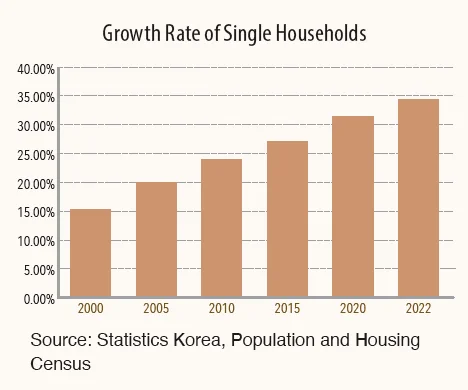
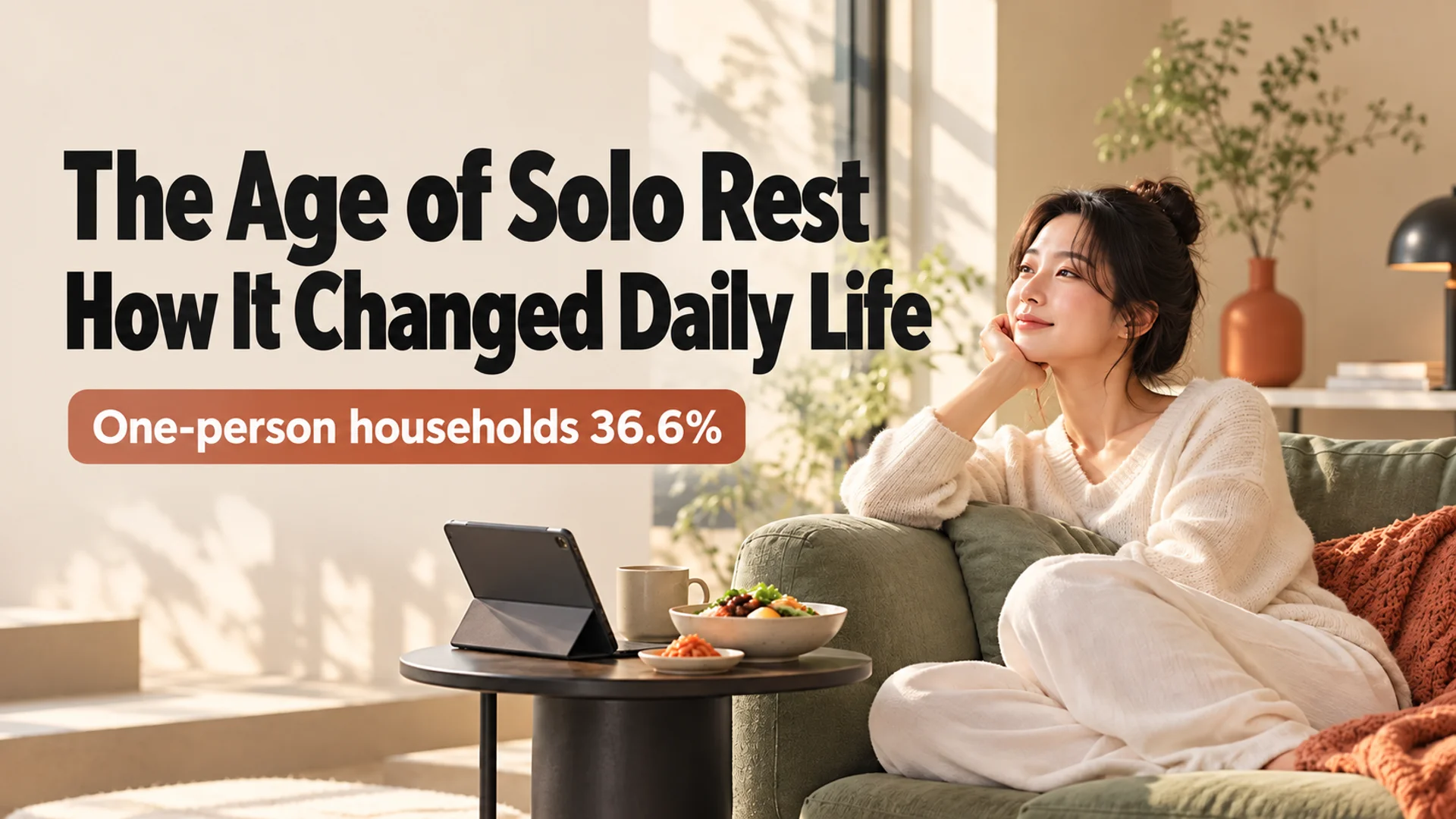
To understand the "honhyu" culture, one must first examine how the demographic foundation of South Korean society has changed. According to data from the National Data Office, as of November 2025, single-person households in the country numbered 8.244 million, accounting for 36.6% of all general households and recording the highest share in history 1. By age group, those in their 60s accounted for the largest share at 17.7%, followed by those in their 30s at 17.5% and those in their 20s at 16.9%, maintaining a very high proportion among younger demographics 1.
This upward trend is not a short-term phenomenon. Based on the 2024 Census of Population and Housing, the share of single-person households stood at 36.1%, more than doubling over a generation from 15.5% in 2000 2. In particular, Seoul’s share of single-person households, a key entry point for global brands, reached 39.9%, growing faster than any other region nationwide 2. Seoul’s share of single-person households, which was 32.0% in 2018, surged by 7.9 percentage points in just six years—a speed that is exceptionally rapid even compared to major metropolitan areas in other countries 2.
Despite more than one-third of the population transitioning to single-person households, social perceptions have completely shifted away from past notions of "isolation" or "loneliness." Statistics showing that 73.5% of single-person households aged 25 to 59 answered that they are "satisfied with their current life" clearly prove this 2. Single-person households are no longer the recipients of charity or lonely beings; they have established themselves as key drivers who control consumption based on firm self-determination and distinct tastes 2.
The Rise of the "Honhyu" Trend: "Calculated Consumption" Combining Cost-Effectiveness and Taste

High satisfaction with living alone has led to changes in leisure and consumption patterns. According to the "Regular Survey on Consumer Spending 2025" by Daehaknaeil 20s Research Institute, Gen Z (aged 15–29) placed "low price" (76.0%) and "tastes, hobbies, and fandoms" (74.3%) at very high levels as consumption criteria across all generations 3. In other words, a polarized consumption tendency that simultaneously pursues cost-effectiveness and self-satisfaction is laying the foundation for the "honhyu" culture 3. As the economic downturn persists, consumers are not blindly cutting spending; instead, they are pursuing "calculated consumption," saving where necessary and spending precisely where it matters.
This trend is also evident in the prioritization of consumer goods. Single-person households and Gen Z have increasingly moved away from consumption driven by external design or aesthetics, favoring instead practical quality and completeness. Among Gen Z, responses prioritizing quality (stability, safety, after-sales service, etc.) rose from 70.7% in the previous year to 76.3%, while responses prioritizing product appearance such as design fell from 73.1% to 66.8% 3. In an era where consumers only open their wallets for "honhyu" spaces or products that faithfully provide essential relaxation functions rather than flashy packaging 3.
Changes in the Physical Environment: The End of Bulk Buying and the Rise of Convenience Stores
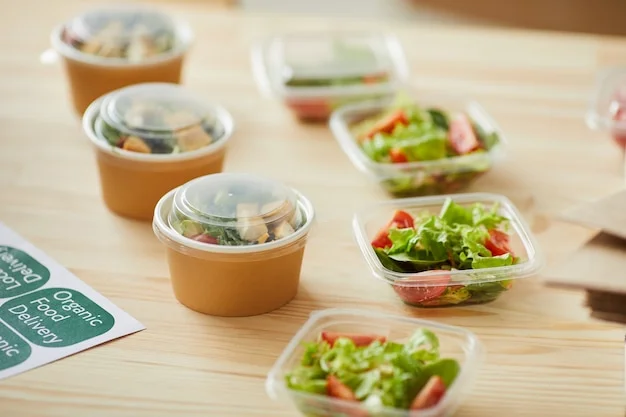
The "honhyu"-centric lifestyle has completely transformed the physical purchasing environment for consumers. Past bulk, family-oriented consumption has disappeared, firmly replaced by small-volume, small-packaging, and immediate delivery 1. This shift stems from the widespread recognition that bulk buying leads to cost issues such as the burden of disposing of leftover food and wasted space 1.
Survey results from WiseApp & Retail confirm that key channels in the retail market have effectively become the exclusive domain of single-person households. The estimated payment share of single-person households was 47.4% for Musinsa, 44.4% for Olive Young, and 29.7% for Daiso 1. Particularly in grocery shopping, the behavioral patterns of single-person households and Gen Z diverged sharply. While all respondents cited large supermarkets (40.5%) and Coupang (34.6%) as primary channels, Gen Z recorded the highest purchase share at "convenience stores" (34.1%), significantly exceeding the overall average of 21.5% 3. Additionally, Gen Z women had a higher food and beverage purchase rate at lifestyle shops like Daiso (14.2%) compared to the average (8.5%) 3. The influence of offline channels with high accessibility and immediate fulfillment is reinforcing "honhyu"-centric daily life 3.
The dining-out and delivery industries are also rapidly adapting their structures to this shift. Convenience stores are expanding extremely small-packaged fresh foods and ready-to-eat meals in the 1,000–3,000 won range, while the restaurant industry is strengthening menus dedicated to single-person meals 1. The growth of "Hanggeureot" (One Bowl), a small-order service introduced by Baedal Minjok in April 2025, symbolizes this trend. The service surpassed 27 million cumulative orders in 2025, and in July 2026, order numbers increased by 21% year-over-year 1.
Restructuring Travel and Rest: Solo Travel for Contemplation and Healing

Leisure involving rest alone is expanding beyond everyday relaxation into "honhyu" travel that involves changing locations. The travel industry is also restructuring itself away from traditional family or friend-centered package tours toward a consumption structure based on individuals.
According to reporting by Marketing Academy, Gen MZ strongly tends to cite "travel" as an important part of their lives, reflecting a new consumption trend that values travel as a form of rest 4. In particular, a recent survey found that 73% of Gen MZ cited "travel" as their most important activity in 2024 4. Rather than mere sightseeing to see exotic landscapes, "rest" itself—washing away psychological fatigue through time alone—is functioning as the destination of travel.
This structural shift is supported by tourism data. The Korea Tourism Organization’s Tourism Data Hub team released the "Data & Tourism Vol. 47" report, which addresses changes in domestic vacation patterns under the theme "Summer Vacations Changing in Time, Place, and Activity" 5. The report highlights trends in personalized, individual-centered leisure (honhyu), such as the dispersion of summer vacations and the diversification of destinations 5.
The Watershed for Corporate Competitiveness: Hyper-Personalized Design Centered on the "Individual"
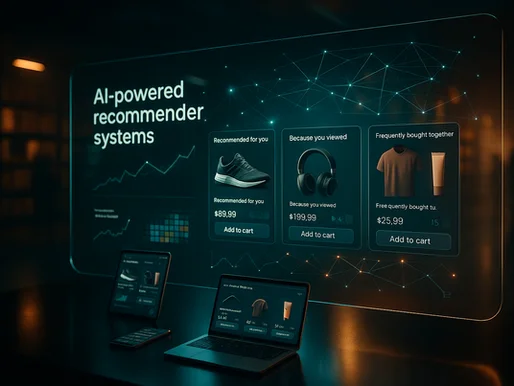
The spread of the "honhyu" trend is acting as a core driver for redesigning business strategies across South Korea’s industries. As the standard consumer subject has shifted from families to single-person households, companies can no longer stick to past mass-production methods.
Professor Kim Dae-jong of the Department of Business Administration at Sejong University diagnosed this phenomenon as "a trend where personalized and premium consumption is rapidly expanding, moving away from past bulk and family-centered consumption," emphasizing that companies can only secure competitiveness by designing products and services centered on the "individual" rather than the family 1. He also offered a forecast that AI-based hyper-personalized services would become a key growth engine for the South Korean consumer market in the future 1.
Global brands’ strategies for entering the Korean market must also adhere to this principle. Ilae Company, a brand communication boutique, advises that brands must redesign product sizes, prices, and packaging to align with the single-person lifestyle 2. It specifically proposed shifting away from framing "being alone" as isolation or lack in marketing messages, toward embracing single-person life as a matter of "taste" 2. The era has arrived where capturing the vast market of Seoul requires clearly recognizing that four out of every ten households are single-person households, and prioritizing their networks and consumption preferences 2.
Conclusion: New Horizons Surrounding "Resting Alone"
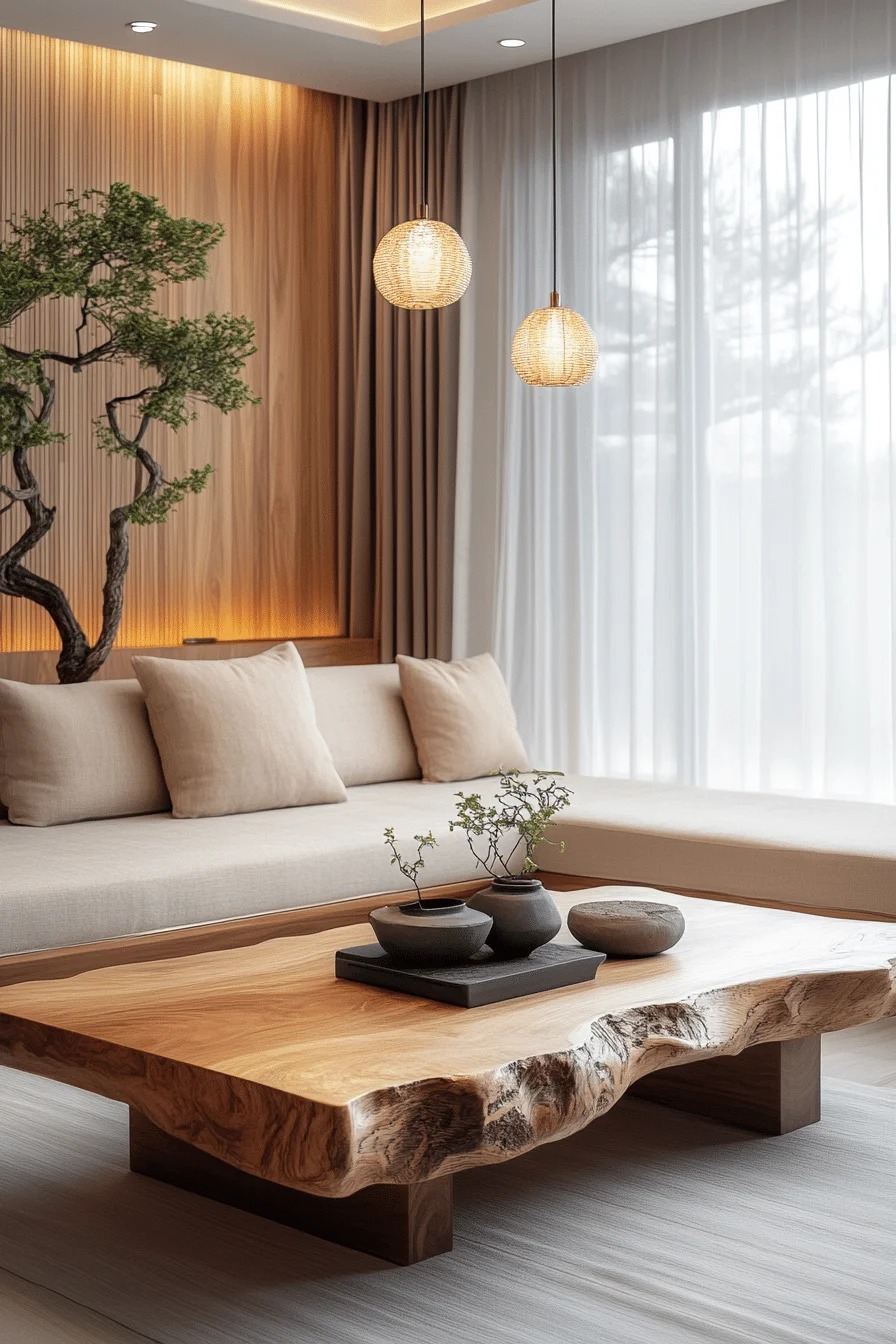
Ultimately, in South Korea in 2026, "honhyu" is not merely an individual preference or a buzzword. It is an irreversible cultural and economic landscape formed on the overwhelming demographic foundation of single-person households, which account for 36.6% of all households. The "calculated consumption" psychology of Gen Z and Gen MZ, the small-packaging infrastructure of convenience stores and delivery apps, and the travel industry’s shift toward contemplation and healing are all threaded together by the core value of "resting alone." In future business environments, success will be determined not by how many people one is with, but by how delicately one’s "time for oneself" is designed.
References
- [1인가구, 소비지형 바꾸다] 1인 가구 820만, '솔로 이코노미' 뜬다 · ajunews.com↩
- 한국 1인 가구 36.1%, 서울 39.9%: 한국 진출 브랜드가 알아야 할 숫자 | 이래컴퍼니 怡來 · irae-company.com↩
- 대학내일20대연구소 | Z세대는 어디에 돈을 쓸까? 데이터로 보는 2026 소비 심리 · 20slab.org↩
- 떠나요 둘이서~♪, 혼자서, 어쨌든. - 마케팅아카데미 · mktacademy.com↩
- 2020 무슬림 관광객 유치 안내서.pdf · datalab.visitkorea.or.kr↩