The dining habits of the MZ generation are rapidly shifting from past "conspicuous consumption" toward pragmatism centered on "small but certain happiness (sokakhaeng)" and "honbap (eating alone)." Beyond a mere trend, this shift is the result of converging factors: the normalization of single-person households, economic structures marked by high inflation, and changing social perceptions facilitated by online communities1. As eating alone transitions from a symbol of loneliness to a voluntary choice and everyday consumption habit, the food distribution and manufacturing industries are also aligning with this trend by strengthening their offerings of small-packaged goods and instant delivery systems2.
The Normalization of Single-Person Households and the Spread of the 'Abowa' Trend
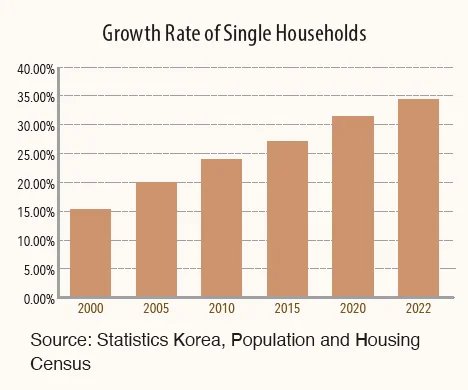
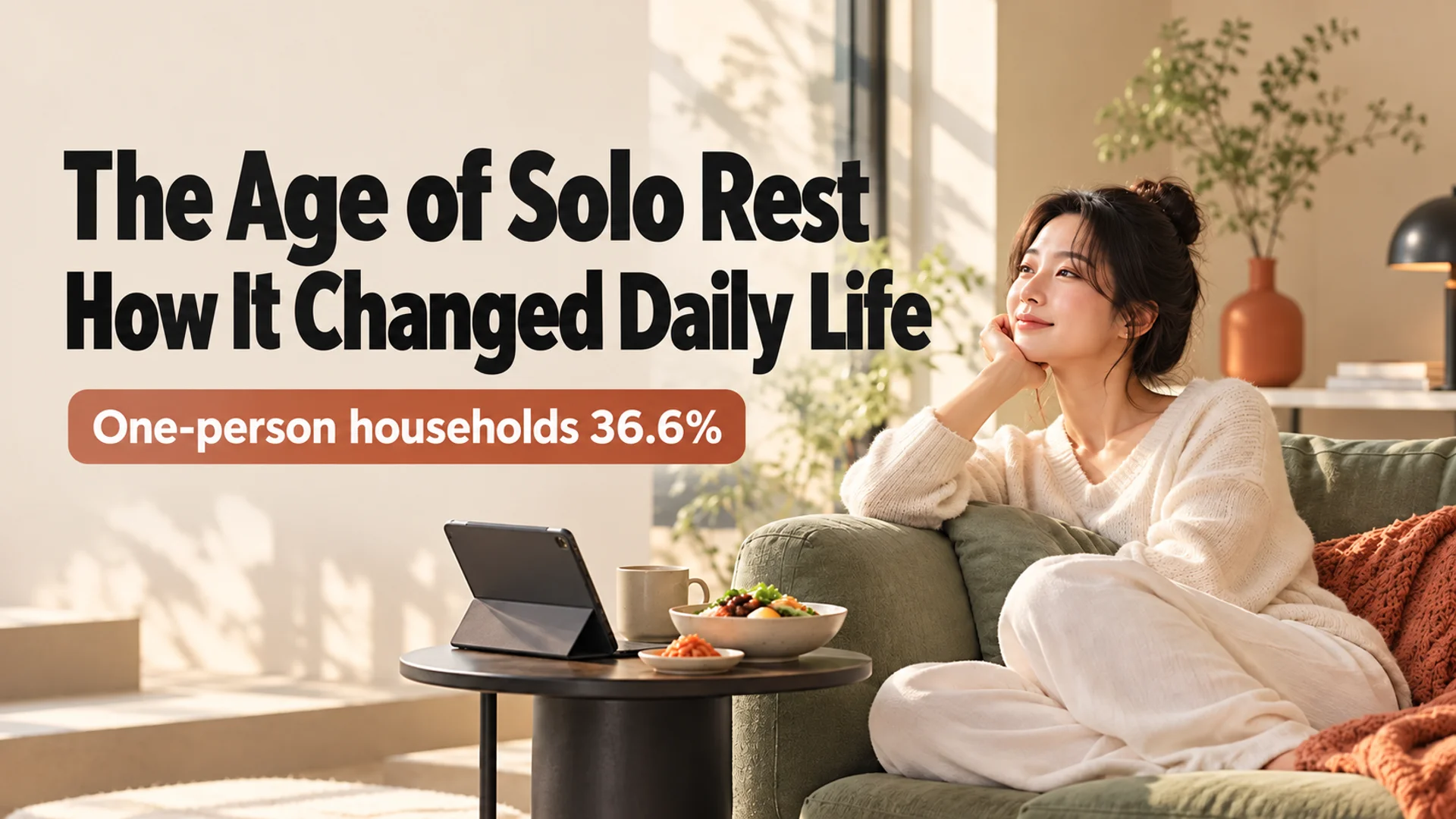
The most significant structural factor underpinning the spread of the honbap culture is the sharp increase in single-person households. According to the National Data Office's '2025 Single-Person Household Statistics,' single-person households in South Korea reached 8.045 million, accounting for 36.1% of all households and marking an all-time high3. As living alone, once considered a special circumstance, has become one of society's standard life stages, it has become a natural trend for food consumption to shift from large-volume products to small-volume and portioned formats2.
This demographic shift has also influenced the evolution of consumer psychology. As fatigue with conspicuous consumption on social media accumulated, the MZ generation moved beyond YOLO (You Only Live Once) or grand versions of sokakhaeng toward ideals like 'abowa (a very ordinary day)' and YONO (You Only Need One, purchasing only necessities)1. In particular, online communities have fostered a culture of resonating with and sharing ordinary daily routines, moving away from witnessing others' flashy consumption1. This has removed the social stigma associated with eating alone, providing a psychological foundation for embracing 'honbap' as an efficient and comfortable daily routine.
Consumer Patterns and Channel Changes Among Solo Diners as Seen in Statistics
Perceptions formed through online communities are also confirmed by actual statistical data. According to Statistics Korea, dining out among those in their 20s and 30s decreased by 9% year-on-year, while consumption of convenient foods increased by 21%, highlighting a clear shift toward consumption reduction1. Amid high inflation and interest rates, the tendency has strengthened to reduce spending on dining out and to consume only as much as needed when needed.
The expenditure structure of single-person households also differs clearly from that of households with two or more members. The share of housing, water, and utility costs is 17.6%, which is 6.1 percentage points higher than for multi-person households, and the share of food and accommodation costs is 17.8%, 4.8 percentage points higher. In contrast, the share of grocery spending is 3.5 percentage points lower4. This suggests a high dependence on convenience-oriented consumption such as dining out, delivery, and convenience store ready-to-eat foods, rather than buying ingredients and cooking at home4. In fact, real consumer spending on food per household in the recent second quarter fell to 341,000 won, a 1.0% decrease from the previous year, marking the lowest level in nine years5. While real consumption adjusted for inflation has decreased, dining out and convenience store usage have solidified as core channels in dietary habits.
Convenience Stores and Instant Delivery Driving 'Bite-Sized Consumption'
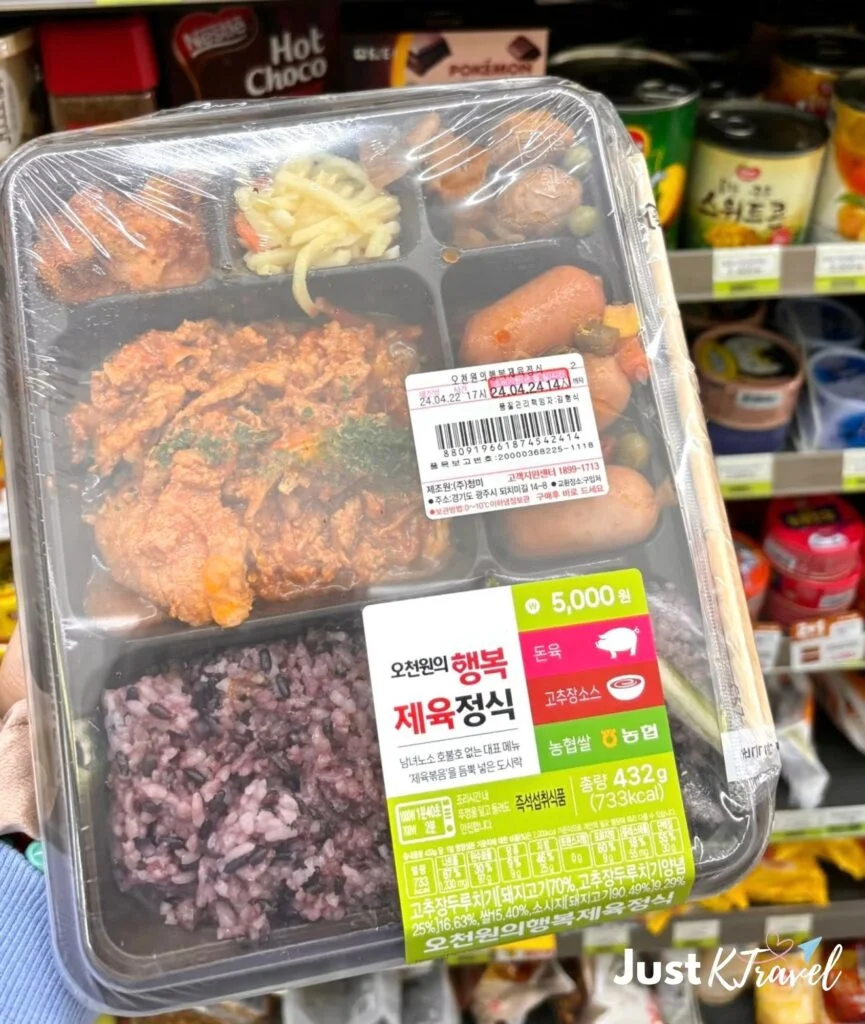
As the honbap trend spreads, distribution channels and product strategies are focusing on "small units." Unlike the past, when convenience stores were places for frequent purchases, they have transformed into a model of "spending more, visiting less," where the average expenditure per visit is rising6. 84.1% of shoppers use convenience stores due to 'accessibility,' citing difficulty in finding alternative channels, and app-based inventory checking and reservation ordering features are being actively utilized, particularly among men in their 30s to 50s6.
Large marts and e-commerce platforms are also expanding product lineups targeted at 'bite-sized consumption.' At Lotte Mart, sales of pre-cut watermelons increased by 111.3% year-on-year from January to April this year, while sales of cut fruits also rose by 63.4%2. At Emart, the '5K Price' series of small-volume private brand products priced at 5,000 won or less has expanded to 353 items, and the 'Crispy Outside, Juicy Inside Square Pork Belly' sold 85 tons within two months, proving the convenience of being ready to cook without preparation2. GS25 and CU are also driving sales growth by strengthening their fresh food offerings in 1-2 person portion sizes, such as the 'One Meal Perfect' series and 'One Bite Kimbap'2.
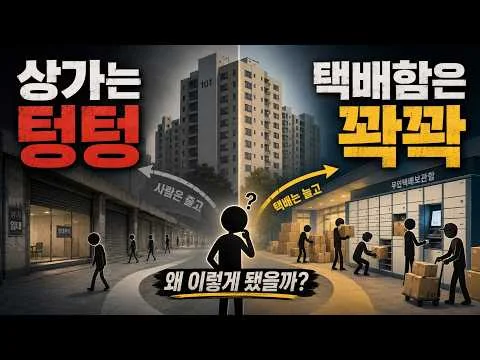
The development of online logistics networks has made the eating habits of solo diners faster and more convenient. In 2025, South Korea's parcel delivery volume reached approximately 6.41 billion packages, nearly doubling from 20207. Consumption has not decreased; rather, the method of purchasing at local stores has been separated into instant delivery via logistics centers7. On SSG.com's instant delivery service 'Baro Quick,' small-volume food ingredients such as individual zucchini and a block of tofu ranked among the top sellers, with average daily orders increasing nearly threefold2. Information on popular restaurants shared through online reviews and communities is meeting the needs of the MZ generation to instantly purchase small quantities of ingredients and enjoy them like home-cooked meals.
Personalized Needs Revealed in the Alcohol Market and Delivery Apps
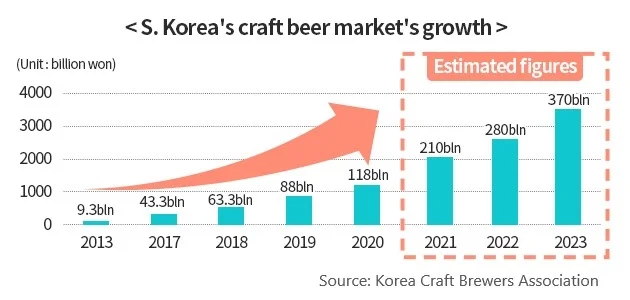
Changes in dining habits are also prominent in the alcohol market. As large-scale company dinner cultures decline and a consumer segment prioritizing diversity and personal taste grows, the markets for imported beer and small-volume alcohol have surged8. The domestic craft beer market grew at an annual average rate of 44%, reaching approximately 57 billion won in size by 2018. However, due to a lack of price competitiveness, the market share of imported beer skyrocketed from 4.9% in 2013 to 16.7% in 20178. This demonstrates the establishment of a 'sokakhaeng' drinking culture, where people enjoy alcohol lightly with one or a few others, rather than in grand drinking gatherings.
Usage patterns of delivery apps also reflect information-based smart consumption. As dining out costs rise, consumers have increased their frequency of using delivery app discount coupons by 35% while reducing dining out frequency by approximately 8%, showing strategic consumption behavior9. When the price increase for Western-style dining (8.1%) is higher than for Korean food (6.5%) or fast food (5.2%), consumers shift their spending to relatively cheaper items9. This highlights how discount information and reviews shared in online communities strongly influence actual purchasing decisions.
In conclusion, the changes in the MZ generation's eating habits are the result of 'rational choice,' not 'isolation.' They are lowering psychological barriers to eating alone through online communities and leveraging infrastructure support such as small-unit products and fast delivery to maintain efficient dietary habits17. Going forward, the consumption philosophy prioritizing "ordinary days" is expected to further accelerate the trends of small volumes, convenience, and personalization in the food market.
References
- [대중문화 속으로] 청년 세대의 새 트렌드- ‘소확행’에서 YONO로... · monthly.chosun.com↩
- “먹을 만큼만 산다”...유통업계 번진 ‘한입 소비’ < 유통/생활경제/서비스... · ntoday.co.kr↩
- 1인가구 비중 36% 또 최고치···절반은 ‘외롭다’ - 경향신문 · khan.co.kr↩
- 1인 가구 생활비 현실, 월세·식비 부담과 소비 패턴 통계 비교 (2025) · m.blog.naver.com↩
- 고물가에 지갑 닫았다…식료품 소비 9년 만에 ‘최저’ - 경향신문 · khan.co.kr↩
- 편의점 트렌드 리포트 2026 - 오픈서베이 블로그 · blog.opensurvey.co.kr↩
- 아파트 상가는 비는데 택배는 더 온다… 동네 소비는 어디로 갔을까 · youtube.com↩
- '소확행' 힘입은 수제맥주, 500억 시장 열었지만 | 중앙일보 · joongang.co.kr↩
- 2025 생활경제 패닉: 장바구니 물가·외식비 폭등이 바꾼 소비 패턴의... · studio24.kr↩