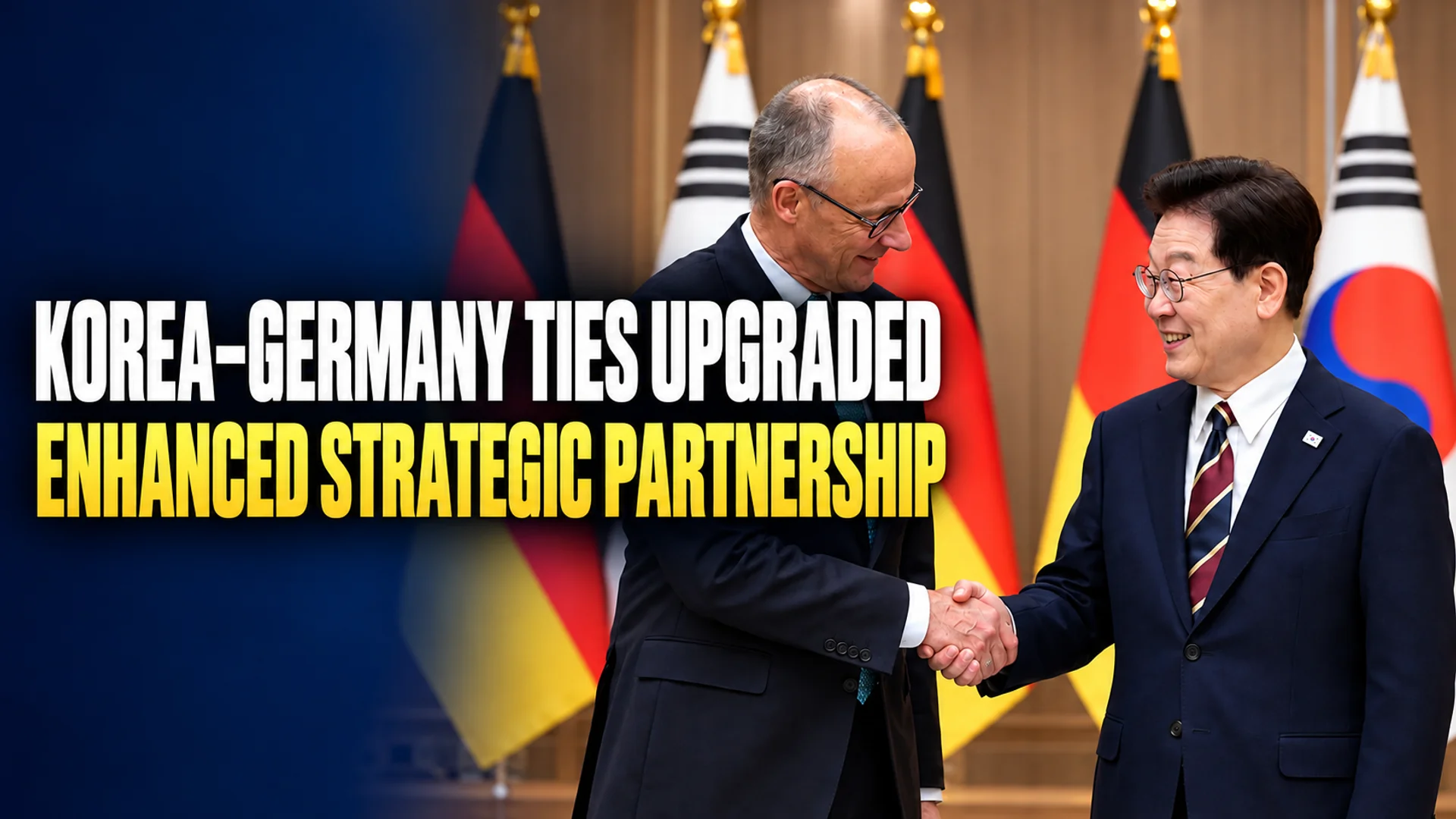
President Lee Jae-myung and German Chancellor Friedrich Merz reached a surprise agreement at the summit held at the Blue House on October 29, 2026, to establish an 'enhanced strategic partnership' between the two countries. This agreement centers on expanding cooperation in high-tech industries such as artificial intelligence (AI) and semiconductors, strengthening defense and defense-industrial cooperation, and revitalizing trade and investment. In particular, Chancellor Merz stated that "South Korea's security is directly linked to Europe's security," emphasizing the importance of value-based solidarity between South Korea and Germany amid uncertainties in the international situation, including Russia's war in Ukraine.
This visit to South Korea was arranged in conjunction with Chancellor Merz's attendance at the 19th German Asia-Pacific Business Conference (APK 2026). As the event is being held in South Korea for the first time in 19 years, expectations are growing that it will lead to tangible economic outcomes. The following sections examine the direction of South Korea-Germany relations through the specific agenda and background of this summit.
Core of the Summit Agreement: Establishing an 'Enhanced Strategic Partnership'
President Lee Jae-myung and German Chancellor Friedrich Merz agreed on October 29, 2026, at the Blue House to upgrade bilateral relations to an 'enhanced strategic partnership' 1, 2. This signifies a diplomatic leap beyond mere friendly relations. In his opening remarks, President Lee noted that Germany is South Korea's largest trading partner in Europe and emphasized that the two countries are key partners sharing universal values of freedom, democracy, and the rule of law 1.
This was not the first meeting between the two leaders. They had previously met twice at the G20 summit in November 2025 and the G7 summit in June 2026 2. This summit, which is Chancellor Merz's first visit to South Korea since taking office and the first official bilateral visit in three years, marks their third meeting approximately four months after the G7 summit, effectively translating the close dialogue channels maintained on multilateral diplomatic stages into strengthened bilateral ties.
Redefining Security Cooperation: "South Korea's Security is Europe's Security"
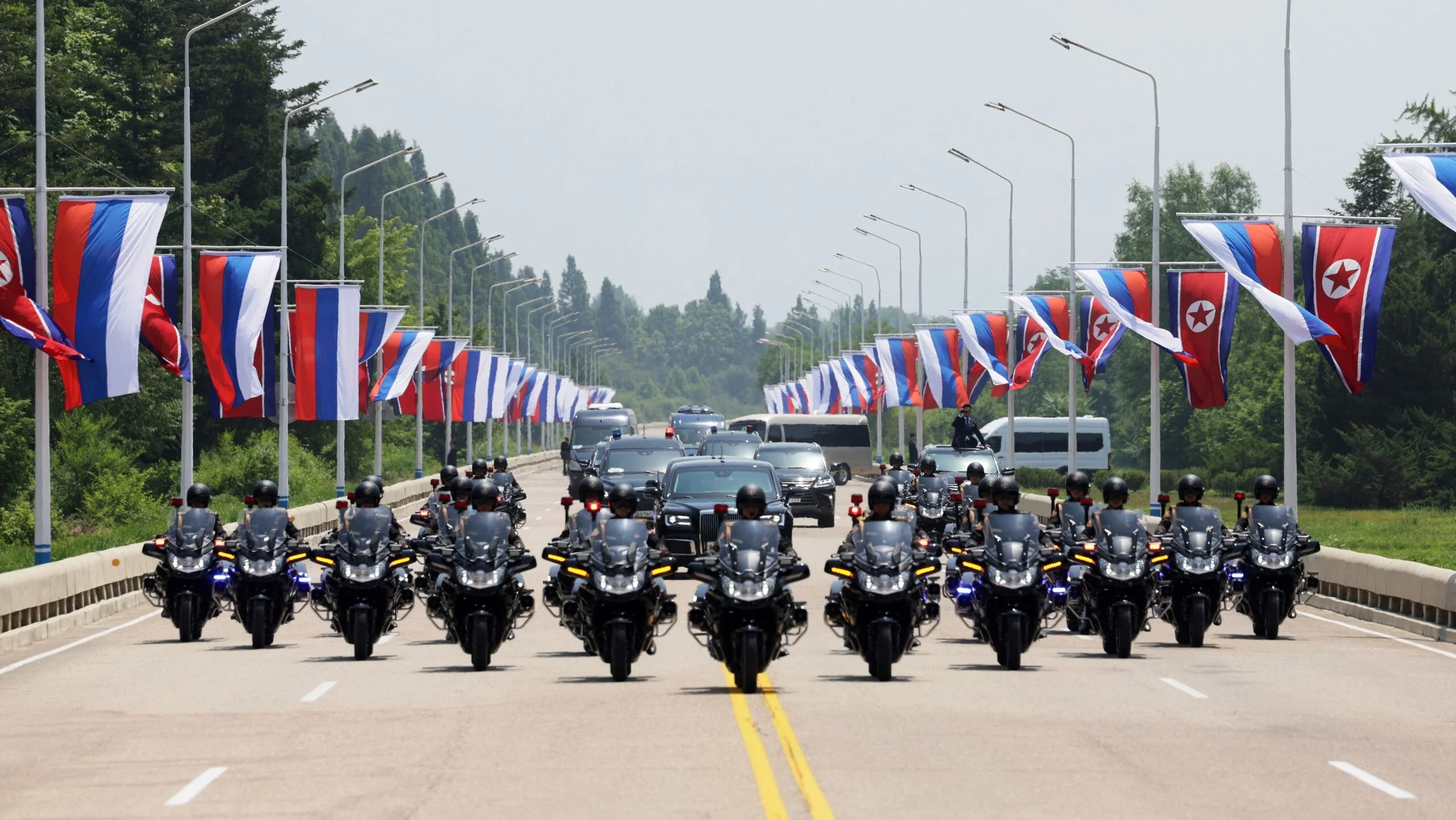
The most weighty issue of this summit was undoubtedly security. Chancellor Merz directly stated during the summit that "South Korea's security is directly linked to Europe's security," emphasizing the indivisibility of security cooperation 3.
Specifically, Chancellor Merz warned that if Moscow (Russia) supplies weapons to Pyongyang (North Korea), it would have an immediate impact on Europe's security situation 3. This highlights that the prolonged war in Ukraine and North Korea's military support for Russia demonstrate that peace on the European continent and security in Northeast Asia are not separate issues. The two leaders formed a consensus on the need to strengthen value-based solidarity amid the uncertainty of the international situation 3.
Expanding the Horizon of Industrial Cooperation: AI, Semiconductors, Defense, and Energy
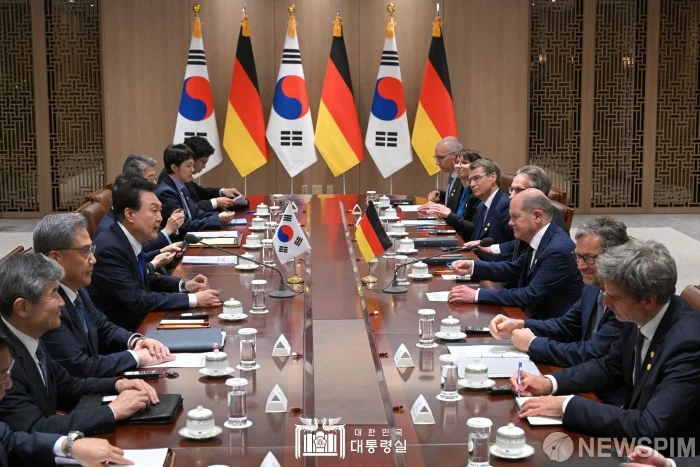
Economic and industrial cooperation is cited as the driving force for quantitative growth in this summit. The key areas discussed fall into three main axes.
- High-tech industry cooperation: The two countries agreed to significantly expand cooperation in future high-tech industries such as artificial intelligence (AI), semiconductors, and batteries 2. Considering the significant share South Korea and Germany hold in global manufacturing and IT supply chains, this is analyzed to have substantial synergy effects.
- Defense and defense industry cooperation: Strengthening defense and defense industry cooperation was also a major agenda item 2. As European countries increase defense spending and modernize their forces, the intersection where K-defense technology meets German platforms is drawing attention.
- Energy and other sectors: Energy cooperation was also discussed as an extension of revitalizing trade and investment. Increased human exchanges and expanding trade volumes between companies of the two countries are expected to be realized through the network of approximately 850 Korean companies operating in Germany 2.
| Key Areas of Cooperation | Discussions and Expected Benefits |
|---|---|
| High-tech Industries | Establishing a cooperation ecosystem for future technologies like AI, semiconductors, and batteries 2 |
| Defense Industry | Strengthening defense and defense industry supply chain cooperation in response to growing global security demand 2 |
| Trade and Investment | Revitalizing trade and investment based on status as the largest trading partner in Europe 1, 2 |
Business Conference (APK 2026) and Private Economic Diplomacy
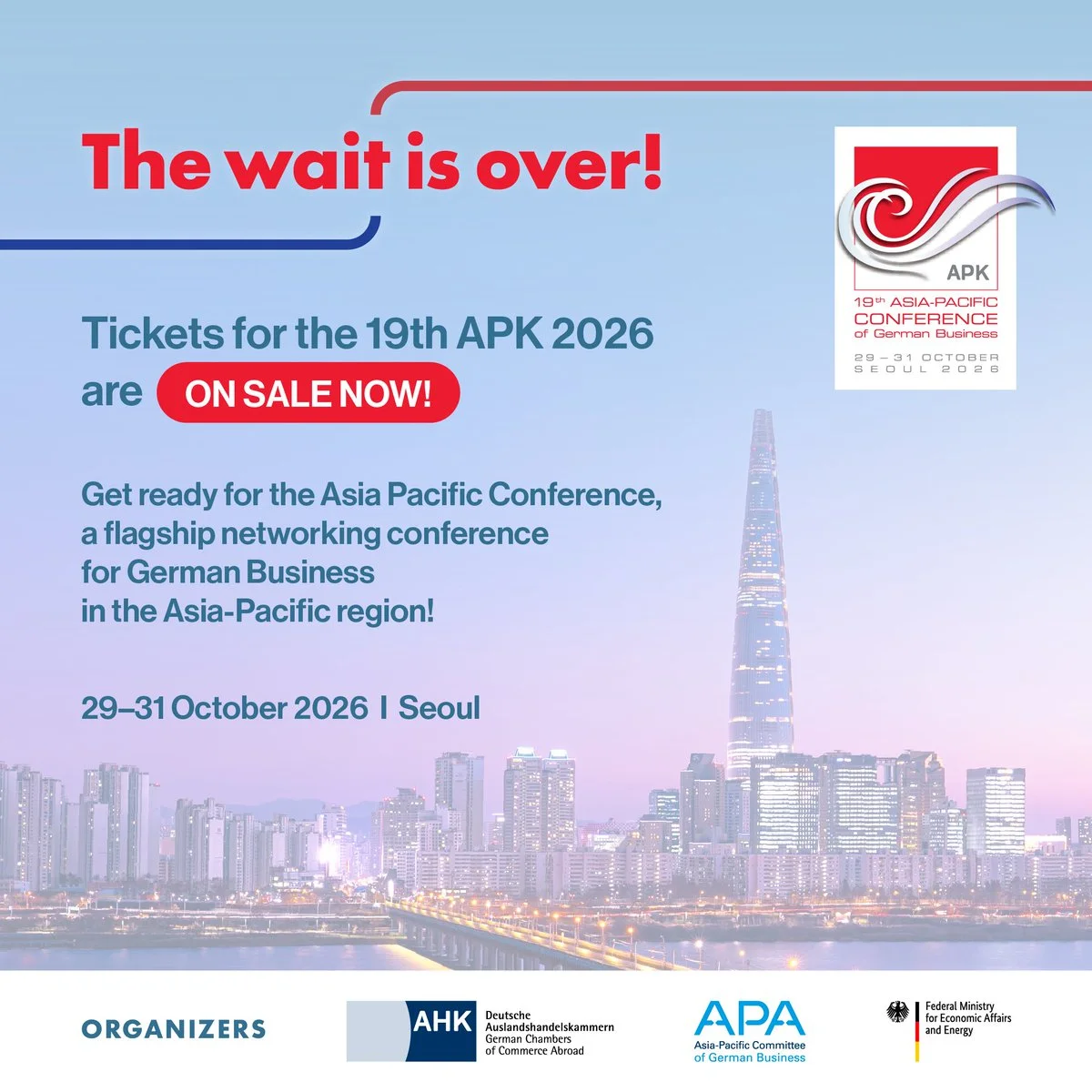
Summit diplomacy is immediately translating into business opportunities in the field. Chancellor Merz's visit to South Korea coincides with his attendance at the 19th German Asia-Pacific Business Conference (APK 2026) 2. This is the first time the event is being held in South Korea in 19 years, signaling a renewed focus on the Korean market by European companies.
The Blue House evaluated that this summit would serve as "an opportunity to take bilateral relations one step further toward a strategic and future-oriented direction" 2. Agreements at the leadership level serve as signals that lower institutional barriers for businesspeople and boost investment sentiment. Indeed, expectations are high for tangible outcomes leading to expanded trade and investment as a result of this meeting 2.
Future Outlook: Tangible Results of Value-Based Solidarity
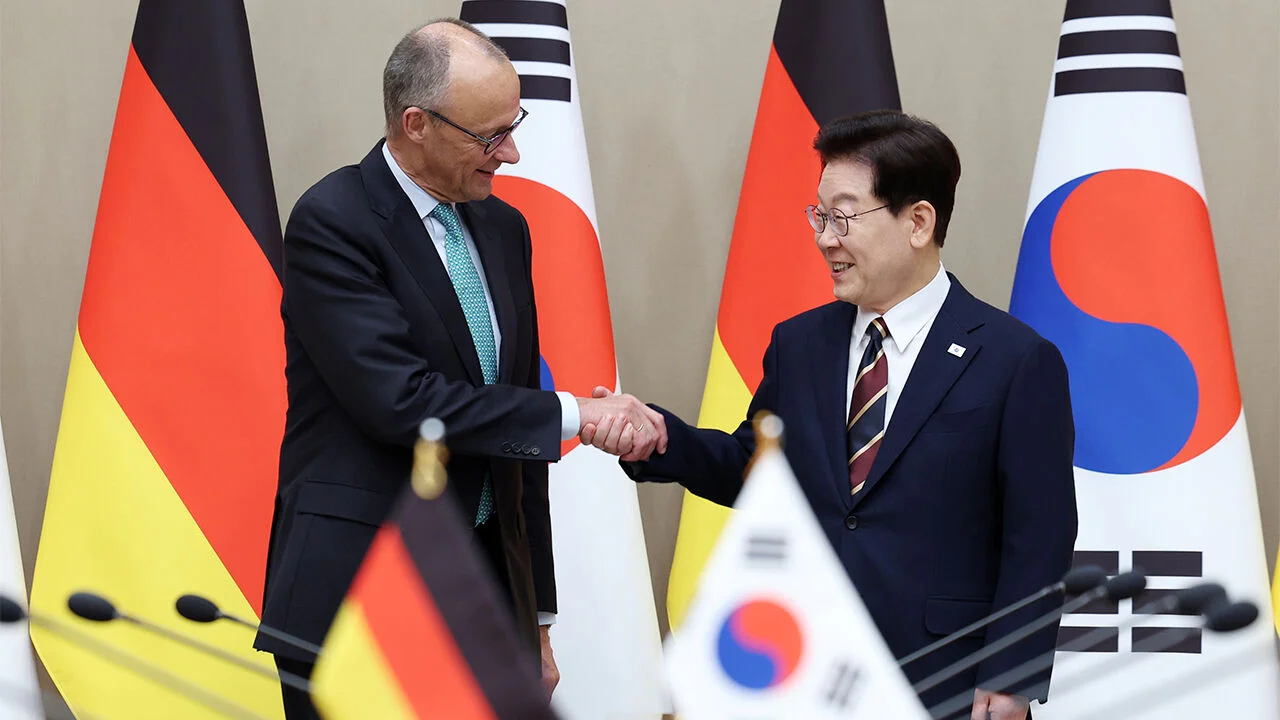
This South Korea-Germany summit presents a model of cooperation among middle powers in an international community where ideology and national interest intersect. As security anxieties rise, solidarity among countries sharing liberal democratic values expands beyond security utility into economic opportunities.
Now that South Korea-Germany relations have donned the new attire of an 'enhanced strategic partnership,' attention naturally turns to the implementation of the agreement. The industry is closely watching whether AI and semiconductor cooperation will lead to specific inter-corporate agreements, and whether defense cooperation will reshape the landscape of the European defense market. For this summit to become a turning point for sustainable cooperation rather than a one-off event, the key will be how inter-governmental promises are felt and experienced as trust and investment in the private sector.
References
- 이 대통령 "한-독, 강화된 전략적 동반자 관계로" · ytn.co.kr↩
- 李 대통령, 29일 메르츠 독일 총리와 정상회담…AI·반도체·방산 협력 논의 · newspim.com↩
- 李대통령 "韓-獨, 가치 공유…국제정세 불확실성 속 협력해야" - 서플 · supple.kr↩