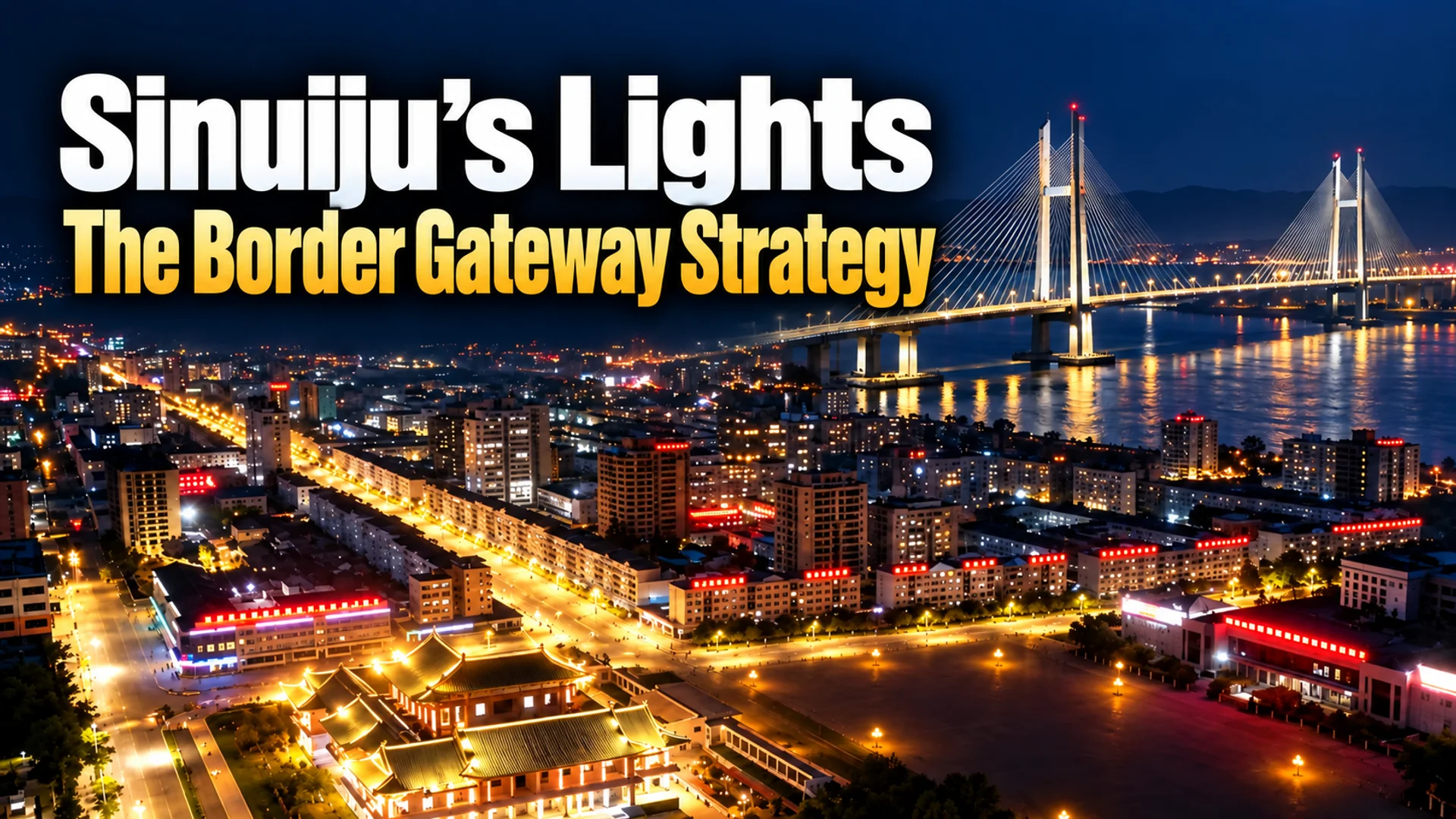
North Korea’s Rodong Sinmun intensively reported on Sinuiju City’s LED lighting renovation project, which evokes the nighttime scenery of Pyongyang, through its October 29, 2026, edition. The "Reading Rodong Sinmun with AI" series is content in which Newspeam’s Unification Research Institute uses AI to summarize key reports from North Korea’s Rodong Sinmun, subjecting them to verification by specialized personnel before providing them to readers1. The core of today’s Rodong Sinmun edition carries political and diplomatic significance beyond mere aesthetic improvement. Through the work of elevating the stature of Sinuiju, a border gateway city, the intention is read as demonstrating the will for external opening while visually proving the closeness of recently accelerated North Korea-China relations.
Border City Sinuiju Showcases Modernization with LED Lights
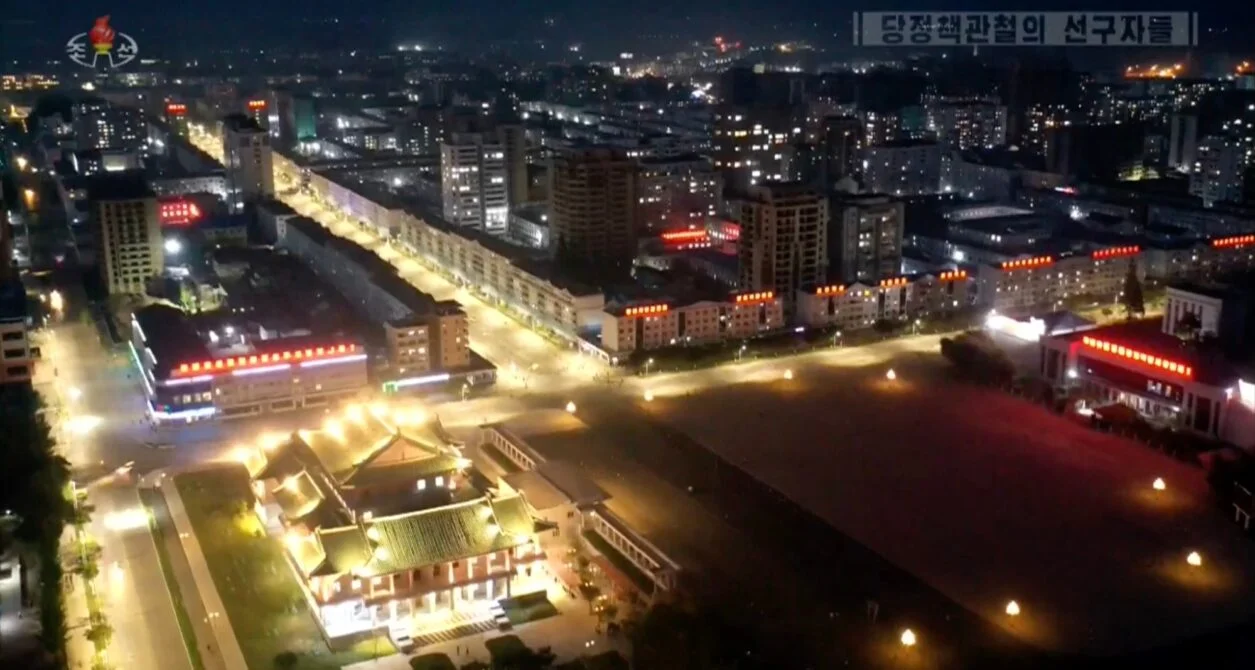
The October 29 edition of Rodong Sinmun gave significant coverage to Sinuiju City’s nighttime lighting renovation project in an article titled 'A Spectacular Nighttime View Unfolds in the Border Gateway City'2. North Korea defines this project as a strategic measure to enhance the 'dignity' as a city serving as a gateway to the outside world and to publicize its 'modernized appearance' externally. Notably, it transplanted the lighting styles of Pyongyang’s major streets, Hwasong Street and Saebit Street, to Sinuiju2. This is interpreted as an intention to simultaneously showcase the system’s stability and technological capabilities by deploying infrastructure of the same level as Pyongyang even at the frontline border.
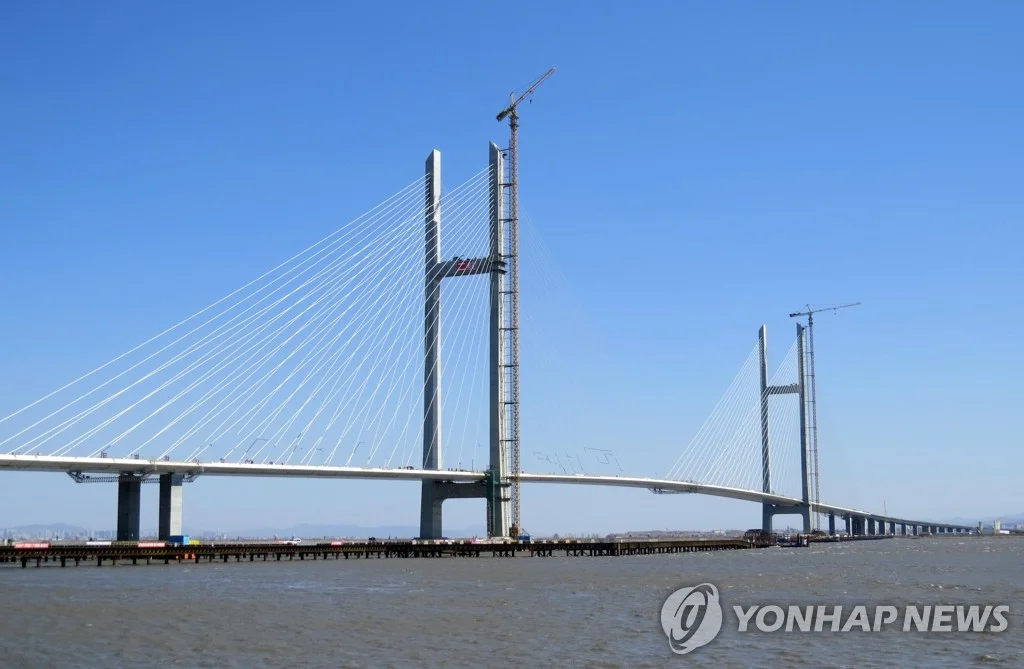
Sinuiju’s LED lighting project is closely linked to the newly opened Sinuiju Yalu River Bridge2. Following the opening of the Sinuiju Yalu River Bridge on October 15, State Affairs Commission Chairman Kim Jong-un visited Dandong, China, via the bridge on the 24th, flaunting the 'strategic relationship' between North Korea and China to domestic and foreign audiences. Consequently, Sinuiju is being reorganized into a symbolic gateway for North Korea-China cooperation, transcending its status as a mere border city2. The improvement of the nighttime landscape appears to be a strategic move to effectively convey a city image no less than Pyongyang’s to future visitors crossing the Sinuiju Yalu River Bridge and to the Chinese side.
Chairman Kim Jong-un’s Visit to China and Acceleration of North Korea-China Strategic Relations
The most significant trend in North Korea’s external actions is undoubtedly the strengthening of relations with China. Chairman Kim Jong-un’s visit to Dandong via the newly opened Sinuiju Yalu River Bridge on October 24, following the bridge’s opening on October 15, is assessed as a clear signal aimed at elevating bilateral relations to a 'strategic relationship'2. The reason the report on Sinuiju’s LED renovation was prominently published in the newspaper a few days later is not unrelated to the propaganda effect of backing Chairman Kim Jong-un’s visit to China with visible achievements in urban construction.
Rodong Sinmun explicitly stated that Sinuiju’s lighting project is directly linked to the "dignity of a gateway city to the outside world"2. This follows internal directives to upgrade the arena for North Korea-China exchanges through software-level urban environmental improvements, given that the hardware-level connection represented by the opening of the Sinuiju Yalu River Bridge has been completed. The fact that Sinuiju’s spectacular nighttime view modeled Pyongyang’s Hwasong and Saebit Streets demonstrates that the top priority for border region development is the dissemination of Pyongyang-style modernization norms2.
Swiss Foreign Minister’s Visit to North Korea, Attempt at Diplomatic Diversification
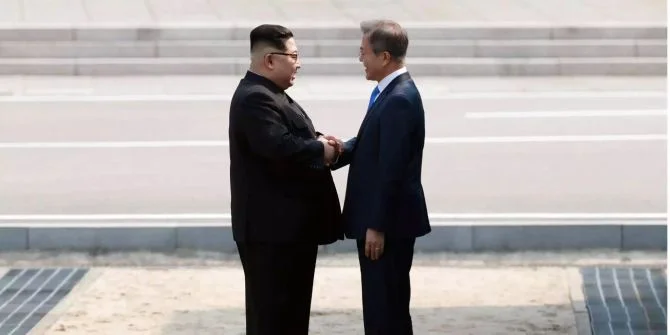
Key diplomatic issues related to the October 29, 2026, Rodong Sinmun included the schedule of the visit to North Korea by the Swiss Foreign Minister (Ignazio Cassis)2. Minister Cassis’s visit to Pyongyang, starting on October 29, is understood to be for attending the inauguration ceremony of the Swiss Embassy in Pyongyang. From North Korea’s perspective, by emphasizing that it maintains a certain level of communication channels with the United States and the Western camp, it is showing a diversified diplomatic stride by simultaneously deepening relations with China via the Sinuiju Yalu River Bridge and engaging in diplomatic contact with Switzerland.
Meanwhile, changes in the external environment are also noteworthy. On October 28 (local time), the U.S. Treasury Department designated 10 individuals and one entity involved in the overseas disguised employment of North Korean IT personnel and the financing of weapons of mass destruction (WMD) programs as sanctioned targets. This measure squarely targets the structure in which North Korean IT personnel earn wages by taking jobs with overseas companies, acting as a factor pressuring North Korea’s channels for acquiring foreign currency. Furthermore, the Multi-National Sanctions Monitoring Team (MSMT), comprising 11 member countries including South Korea, the United States, and Japan, as well as the EU, reaffirmed the implementation of sanctions by pointing out the dispatch of North Korean workers and illegal military cooperation. Amid this international pressure, North Korea’s depiction of the Sinuiju beautification project as a process of creating a 'dignified gateway' is interpreted as an intention to flaunt its self-sufficient construction capabilities despite the sanctions environment.
Inter-Korean Issues and Moves by the International Community
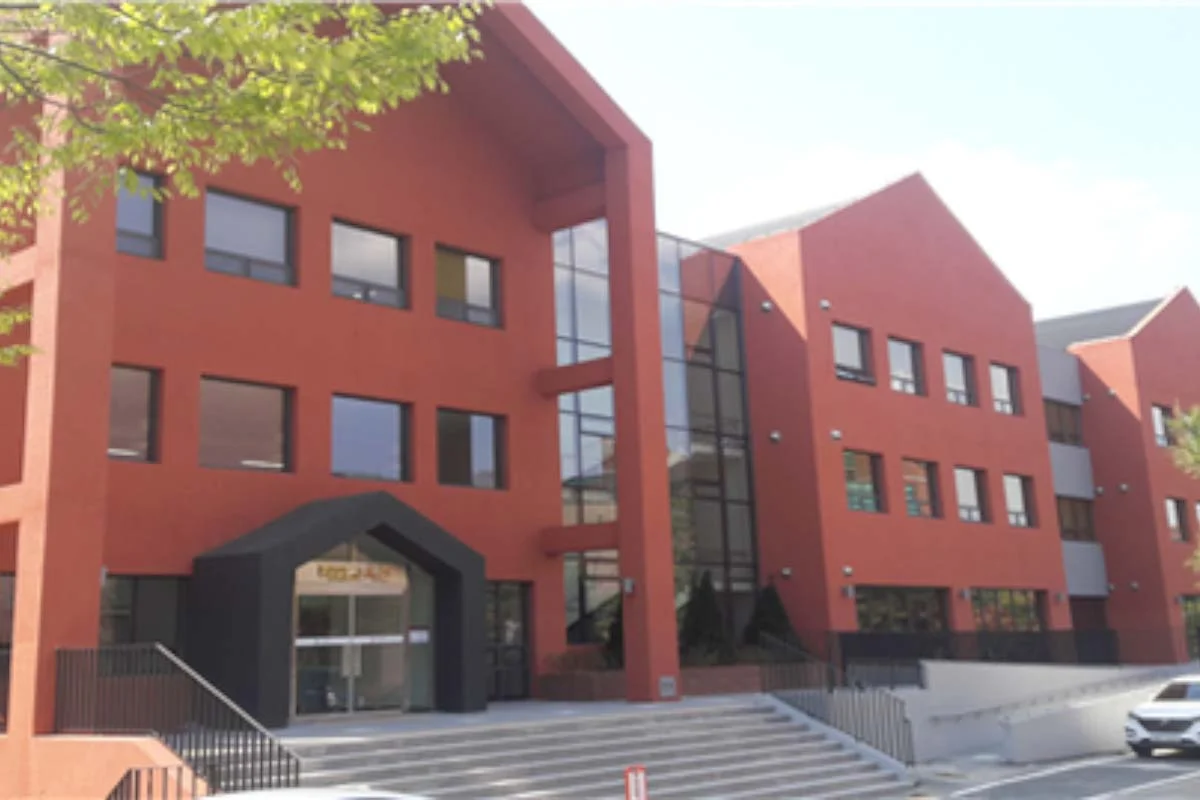
Alongside North Korea’s domestic propaganda, policy changes among neighboring countries are also detected. On October 29, the Ministry of Unification announced that the Ministry of National Defense had revoked the designation of the Hwacheon Branch of the Hanawon (Unification Education Center) as a 'National Important Facility.' The Hwacheon Branch is scheduled to officially launch as Hanawon No. 2, a settlement support agency for North Korean defectors, aligning with the South Korean government’s steps to reconsider the management style of inter-Korean relations.
On the international diplomatic stage, the 'Resolution on Nuclear Disarmament' submitted by Japan was adopted at the UN General Assembly for the 33rd consecutive year. This attests to the continued maintenance of normative cooperation by the international community regarding nuclear issues. A curious contrast emerges between North Korea’s efforts to build an image of modernization through the visible achievement of Sinuiju’s LED lights, and the ongoing simultaneous progression of substantive economic sanctions and diplomatic pressure.
In conclusion, the Sinuiju lighting renovation project highlighted by the October 29, 2026, edition of Rodong Sinmun transcends the scope of simple urban planning. In the new phase of North Korea-China cooperation formed by the opening of the Sinuiju Yalu River Bridge and Chairman Kim Jong-un’s visit to China, it clarifies that the border city performs the role of a 'strategic gateway' representing the system’s image. Although sanctions and diplomatic tensions with neighboring countries persist, North Korea unfolds across the pages a vision of building a modernized national image through the gateway of Sinuiju and broadening its diplomatic horizons based on that foundation.
References
- [AI로 읽는 노동신문] 10월 1일(목) | 뉴스핌 · newspim.com↩
- 교육 과정 | 북한이해 · nkinfo.unikorea.go.kr↩